Olympian™WATER TESTING
Olympian Water Testing™ is a company that serves the states of New York, New Jersey and Connecticut, providing clean and safe drinking water to communities in these areas. We are committed to delivering the highest quality of service to our clients, ensuring that their water meets all regulatory standards and is safe for consumption.
aquawiki™
Key facts about Union County’s water quality
Key facts about Middlesex County’s water quality
Key facts about Litchfield Water Quality
Key facts about Fairfield County’s water quality
Key facts about New Haven County’s water quality
Key Facts About Long Island City Water Quality
Long Island City Water Supply – Sources and Quality
Brooklyn Water Quality Concerns Past to Present
Queens water quality concerns past to present
Bronx water quality concerns past to present
Staten Island water quality concerns past to present
Manhattan water quality concerns past to present
Nassau County water quality concerns past to present
Westchester County water quality concerns past to present
Rockland County water quality concerns past to present
NYC water quality concerns past to present
Bergen County water quality concerns past to present
Union County water quality concerns past to present
Middlesex County water quality concerns past to present
Putnam County water quality concerns past to present
Sussex County water quality concerns past to present
Somerset County water quality concerns past to present
How to Know If Your Well Water Is Safe to Drink
Why A One Time Well Water Test Isn’t Enough for Most Homes
What a Full Well Water Testing Panel Actually Includes
Why Regulatory Lab Based Well Water Testing Is Always the Right Choice
What Happens When Your Well Water Fails a Certified Lab Test
How Seasonal Storms Affect Your Well Water
How to Choose the Right Lab for Private Well Water Testing
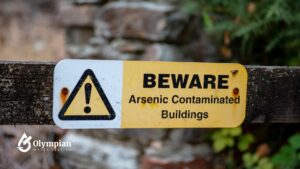
Why Arsenic in Well Water Is Common in New Jersey
What PFAS in Your Well Water Means for Your Family’s Health
Why Manganese in Well Water Is a Silent Risk in Many Homes
What to Know About Nitrates in Your Well Water If You Have Children
How Lead Gets Into Older Wells Without You Knowing
Why Coliform Bacteria in Well Water is a serious Red Flag
What Gross Alpha Means on Your Well Water Test
What High Iron Levels in Well Water Do to Pipes and Health
Why Uranium Is Found in Wells Across the Northeast
What to Do If Your Well Water Smells Like Rotten Eggs
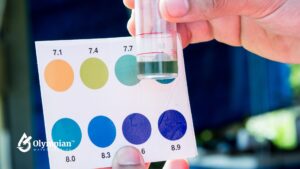
How A Low pH Well Water Affects Your Plumbing and Your Body
What Volatile Organic Compounds in Well Water Actually Mean
Why Hydrogen Sulfide Is More Than Just a Bad Well Water Smell
How Fluoride Ends Up in Your Well Water Naturally
Why Some Well Water Causes Skin Irritation and Dryness
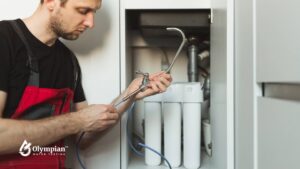
What Whole House Filters Do for Well Water
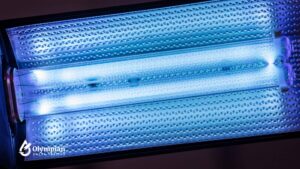
Why UV Systems Are a Popular Disinfection Method for Wells
How Iron Filters Work on Private Well Systems
What Water Softeners Can and Can’t Fix in Well Water
Why Reverse Osmosis Is Often Misused on Well Water
How to Choose the Right Well Water Filter for Your Home
Why Carbon Filters Alone Aren’t Enough for Contaminated Wells
What Every Well Owner Should Know About Filter Maintenance
Why Some Well Water Systems Need Multi-Stage Filtration
What a UV Light System Does for Your Private Well
How Pre-Filtration Helps Prevent Bigger Well Water Problems
What Well Owners Should Know About Sediment Build-Up
When to Replace a Water Softener in a Home With a Well
Why Well Water Equipment Must Be Sized Based on Lab Results
What Buyers Should Know About Well Water Before Making an Offer
Why Sellers in New Jersey Must Comply With PWTA Well Testing
What Happens if a Home Fails Its Well Water Test Before Closing
How to Protect Yourself From Buying a Home With a Bad Well
How the NJ PWTA Affects Every Home Sale With a Private Well
What Real Estate Agents Should Know About the PWTA and Wells
Why More Home Buyers Are Requesting PFAS Panels for Wells in NJ
Why Realtors Should Never Skip Well Water Discussions in NJ
What the PWTA Requires for Private Well Testing in New Jersey
Ways to Disclose Well Water Issues During a Home Sale
What Landlords in NJ Should Know About Tenant Access to Clean Well Water
Why Well Water in Monmouth County Is Often High in Iron
What Makes Bergen County Wells Prone to Shallow Aquifer Risks
What Every Hunterdon County Well Owner Needs to Know
How Rockaway and Denville Wells Are Impacted by Old Industry
Why Ocean County Homes With Wells Should Be Testing More Often
What’s Causing Arsenic Spikes in Middlesex County Well Water
How Legacy Agriculture Affects Wells in Sussex and Warren Counties
What You Should Know About Uranium in Connecticut Well Water
How Road Salt Affects Well Water in Upstate New York
What Fairfield and Litchfield County Residents Need to Know About Well Water
What Real Estate Buyers in Somerset County Should Ask About the Well
What Mercer County Well Owners Are Finding in Their Water
How Well Water in Cape May County Is Being Impacted by Rising Seas
What Makes Wells in Union County Vulnerable to VOCs
What Parents Should Know About Their Well Water If They Have Infants
Why Well Water Should Be Tested Before Making Baby Formula
What Every Well Owner Should Do If the Water Suddenly Changes Color
How Well Water Quality Changes Over Time Without You Knowing
Why Cloudy Well Water May Be a Sign of a Deeper Problem
How Plumbing Materials Can Alter the Safety of Well Water
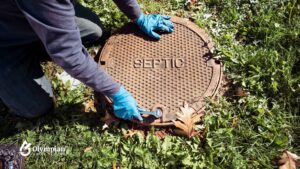
How Well Water Can Be Impacted by Nearby Septic Systems
What to Watch for When Replacing Fixtures in a Home With a Well
How Iron Bacteria Forms in Private Wells and What to Do About it
Why You Should Never Trust a One Time Well Water Test
What Every New Home Buyer Should Ask About the Property’s Well
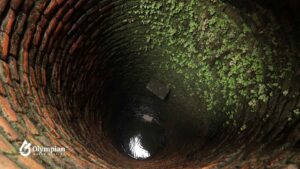
How Well Depth Affects Water Quality and Safety
What Every Property Inspector Should Know About Private Wells
Why Some Wells Test Clean One Year and Fail the Next
What Every NJ Real Estate Attorney Should Understand About Well Tests
Flint Water Crisis-Early Water Contamination
Get Started HERE