Importance of Testing Water Quality Before Closing
Testing a private well is a critical step in the home buying process. Weather changes, industrial activities, and agricultural runoff can alter well conditions suddenly. Often, contamination risks don’t show up in taste or smell, making a detailed water quality inspection vital.
Annual tests usually check for bacteria, nitrates, and metals. This proactive approach helps homeowners stay vigilant against hazards. Substances like E. coli or lead can contaminate groundwater, posing health risks if not caught early. Early detection allows buyers and sellers to tackle any issues before finalizing the sale.
Being proactive ensures everyone makes informed choices. Experts often suggest more frequent tests for older wells or when nearby construction affects the area. This careful approach not only ensures safety but also protects the investment value. It builds trust and avoids unexpected surprises.
Typical Contaminants Found in Private Wells
Rural and suburban homes often face challenges when pollutants from private wells contaminate drinking water. Some contaminants remain hidden, posing a silent threat. Regular testing is essential to ensure water remains clean and safe for families.
Identifying Common Bacteria Levels
Coliform bacteria levels can signal early microbial threats. The presence of E. coli indicates fecal contamination, possibly from animal waste or sewage. These signs point to deeper issues within the well system.
Detecting Heavy Metals and Chemical Residue
Heavy metal contamination can occur when lead or copper leach from corroded pipes or industrial runoff enters groundwater. While iron and manganese might alter water’s smell or appearance, they rarely pose immediate health risks. Thorough testing is necessary to identify any contaminants that require immediate action.
How to Interpret Test Results and Regulations
Lab findings provide critical insights into the safety of a well. By comparing these results with EPA standards, it’s clear if bacteria or chemicals are above recommended levels. This knowledge helps residents understand the risks that could lead to health issues.
Experts stress the importance of regular water testing protocols. Local laws often align with federal guidelines, allowing individuals to compare their data against state standards. This comparison helps identify areas needing attention, such as high mineral content or unexpected microbial growth.
Many seek help in understanding test reports. Simple charts show contaminant levels, indicating if further action is needed. Treatment options range from adjusting pH levels to using targeted filtration. Choosing the right method ensures clean water for the home.
- Review each microbiological finding to spot possible pathogens
- Confirm chemical results are within allowed ranges for daily use
Parameter | Suggested Level | Primary Concern |
Coliform Bacteria | Not Detectable | Gastrointestinal Illness |
Nitrate | Below 10 mg/L | Methemoglobinemia Risk |
pH | 6.5 – 8.5 | Corrosion & Metal Leaching |
Essential Steps after a Failed Well Water Test
When contamination is detected, a swift failed test action plan is imperative. Homeowners and prospective buyers seek immediate solutions to rectify issues before making any property deals. Remediation strategies can range from shock disinfection for bacterial contamination to advanced filtration for chemical residues.
Experts often suggest a detailed examination of the well’s construction and the surrounding environment. Guidance from local health departments or the National Ground Water Association is invaluable. A second test is essential to confirm the effectiveness of the treatment and ensure water quality meets safety standards.
Consulting with a Water Specialist
Seeking a water specialist’s advice is a critical first step in identifying contamination sources. Certified professionals analyze sampling data, identify contamination origins, and recommend tailored solutions. This process clarifies the path forward and outlines necessary improvements.
Subsequent consultations with a water specialist may be necessary to verify the efficacy of initial treatments. Without these follow-ups, underlying problems could remain undetected, posing risks to property transactions.
Documenting the Results for Future Reference
Keeping accurate records is essential when dealing with contamination. It’s important to store copies of laboratory reports, repair invoices, and contractor notes in one place. These records facilitate future testing and serve as a reliable benchmark for ongoing evaluations.
Proper record-keeping helps prevent disputes among buyers, sellers, and lenders. It demonstrates past efforts to address contamination and confirms that each action plan was executed correctly.
Common Issue | Remedy | Benefit |
Bacterial Contamination | Shock Chlorination | Eliminates harmful organisms |
Metal Residue | Filtration or Reverse Osmosis | Removes heavy pollutants |
Sediment in Water | Well Inspection & Upgrading | Improves clarity and taste |
Negotiating Options with the Seller
When a well water test shows contamination, buyers often start negotiations. These talks can range from simple fixes to major repairs. Some buyers might ask for a lower price to cover the costs of cleaning up the water. Others could want upgrades to the filtration system or alternative treatments included in the deal.
Closing contingencies give both sides a chance to review test results and decide next steps. If the water quality is bad, buyers might want more tests done by certified experts. Sellers must share any known problems and help with further testing. Getting clear estimates from local experts helps everyone understand what repairs will cost.
In states with disclosure laws, sellers must tell buyers about any well issues. Agreeing on who pays for repairs can avoid future conflicts. Careful planning in these talks ensures a fair deal and safe drinking water for everyone.
Retesting and Remediation Methods
Confirming water quality after an initial failure is a critical step for anyone relying on a private well. Follow-up testing ensures that intermediate solutions are working properly and that any contaminants no longer pose a risk. This process often involves direct sampling at designated intervals to track improvements or to catch unexpected spikes.
Professional services can help streamline each stage. Some tests measure broad spectrums, while others focus on individual concerns. Remediation services are more effective when guided by accurate results. Advanced water treatment may include targeted filtration or complete disinfection that tackles persistent threats.
Techniques to Address Specific Contaminants
Different hazards call for different interventions. Reverse osmosis may suit certain metals, while UV systems target microbial growth. Proper care and periodic inspections avoid recurring problems and safeguard long-term water safety.
Common Contaminant | Recommended Remediation Options |
Bacteria | UV Disinfection, Chlorine Shock |
Heavy Metals | Ion Exchange, Reverse Osmosis |
Volatile Chemicals | Aeration, Carbon Filtration |
Organic Compounds | Granular Carbon Filters, Chemical Pre-Treatment |
Legal Implications for Buyers and Sellers
Real estate transactions involving private wells raise significant legal questions. Hidden or misrepresented water safety data erodes trust and fairness. This can lead to serious issues.
Property disclosure laws mandate the sharing of critical information. This includes past test results, contamination incidents, and repair history. Buyers get a clearer picture of water quality. Sellers protect their reputation by adhering to these rules. Many states require water test records during home sales, as noted by .
Disclosures and Required Filings
Documentation typically includes certified lab results and updates on any recent fixes. These records prove compliance and prevent misunderstandings.
Potential Liability Issues
Liability concerns arise if sellers ignore known hazards or fail to report accurate information. Costs for cleanup or legal battles can occur if contamination is discovered after the sale.
Role | Primary Duty |
Buyer | Review disclosed facts, investigate well condition, plan for upkeep |
Seller | Provide all required data, address recognized issues under property disclosure laws |
Timeline Adjustments Before Closing
When a well water test fails close to the sale’s end, timelines often change. Buyers, sellers, and service providers face longer wait times for thorough remediation. This can lead to closing delays, necessitating strategic planning to keep the process moving.
Many consider setting formal contingency periods for water quality improvements. Testing labs might use Environmental Protection Agency (EPA) guidelines for sample collection. Shock treatments or filtration upgrades may need additional visits. These steps extend the schedule, highlighting the importance of flexible planning.
- Schedule immediate water retests
- Plan budget allocations for system repairs
- Confirm final results with certified professionals
A well-maintained system reassures both sides, reducing last-minute stress. Quick communication among real estate agents, water specialists, and lenders can streamline extra steps. Clear agreements and realistic timelines are key to a worry-free closing.
Working with Qualified Water Treatment Professionals
Homeowners gain a lot from expert advice when dealing with private wells. A reliable team can identify problems and recommend effective solutions. This not only saves time but also reduces the risk of ongoing water quality issues.
Working with a licensed well contractor opens up access to specialized resources. These resources are designed to tackle various bacterial threats, heavy metals, and chemical residues. Their expertise extends beyond initial cleanup to include ongoing safety checks. Being vigilant about changes in taste, smell, or appearance can help prevent bigger problems later.
Evaluating Service Provider Credentials
Reputable companies showcase their qualifications and past work. Many homeowners opt for brands like Culligan for their proven filtration and disinfection results. Professional inspections are a key part of a solid plan to ensure safe drinking water. Here are some steps to choose the right provider:
- Reviewing references from past clients
- Verifying insurance coverage and approved licenses
- Confirming relevant certifications in local water contaminant treatment
Experienced teams ensure that remediation meets all regulatory standards. This level of care brings peace of mind, renewed trust in the well system, and confidence in the final test results.
Financial Considerations for Fixing Contamination
Fixing a contaminated well can lead to unexpected expenses for homeowners. Some tasks are simple, like replacing seals, while others are complex, such as drilling a new well. The cost varies based on the contamination type and desired water quality.
Homeowners often compare remediation costs to other home expenses. Investing in water treatment may require advanced filtration or purification. Some look into financing improvements through their lender to save money for other upgrades.
A licensed contractor can provide detailed estimates for parts, labor, and maintenance. This helps in fair negotiations between sellers and buyers. Clear budget information builds trust and avoids surprises in the real estate process.
Service | Primary Action | Typical Range |
Shock Chlorination | Disinfection Treatment | $100 – $300 |
New Well Drilling | Location Redesign | $5,000 – $10,000 |
Filtration Upgrades | Advanced Filters | $750 – $2,500 |
Long-Term Maintenance Tips for Well Owners
Proper care is essential for well owners to ensure reliable water quality over time. An annual well maintenance routine helps prevent unexpected problems. It keeps families confident in their drinking water.
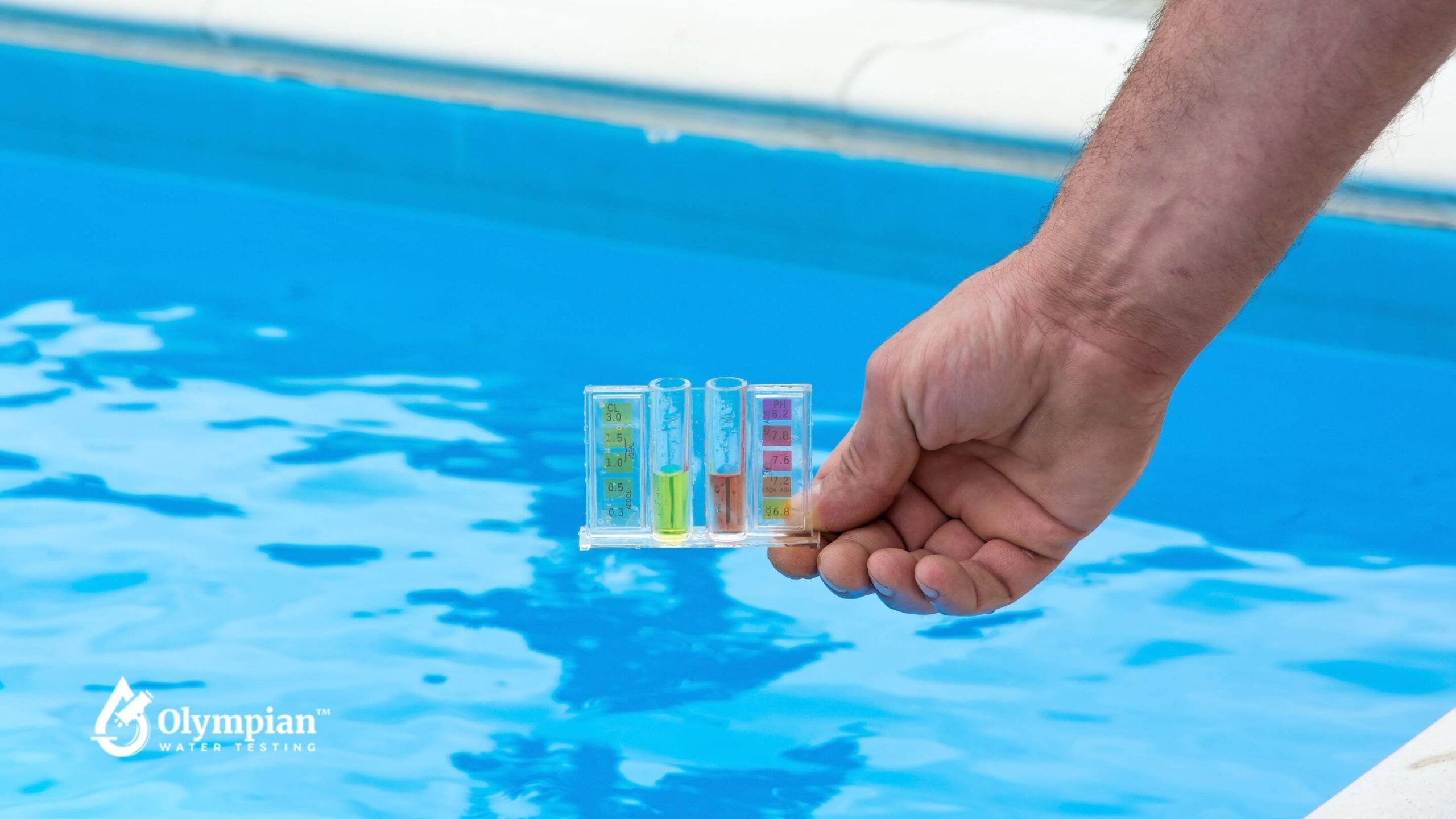
Self-testing kits provide an accessible way to monitor water quality. They help spot changes in bacteria or mineral levels early. Addressing these small issues early on prevents larger problems, ensuring water integrity.
Routine Self-Testing Approaches
Many rely on frequent checks to detect sudden changes in color or taste. Self-testing kits verify levels of common contaminants. They can be found in a comprehensive resource that outlines best practices for consistent monitoring. Shock treatments are also advised to eliminate bacterial buildup between tests.
Scheduling Professional Inspections
In-depth evaluations bring expertise that pinpoints subtle infrastructure issues. Annual well maintenance inspections often include pump calibration, casing checks, and guidance on filtration systems.
Upgrading Well Infrastructure
Many achieve improved well infrastructure by installing modern pumps or sealing worn casings. Dual-stage filters and other hardware upgrades ensure longer equipment life. These enhancements often boost overall water quality while preserving efficiency.
Maintenance Task | Recommended Frequency |
Shock Treatments | Once Every 1–2 Years |
Self-Testing Kits | Quarterly or As Needed |
Professional Inspection | Annually |
Infrastructure Upgrades | Based on System Assessment |
Moving Forward with Confidence
A failed well water test may seem daunting, yet it can spark positive action. Buyers and sellers gain valuable insights into possible risks. They ensure a healthier environment for everyone relying on that water source.
Addressing contaminants with proven methods and documenting each step reinforces well water safety. This shows a commitment to responsible ownership. It’s a step towards a safer home environment.
Regular evaluations keep this essential resource in top shape. This diligence not only safeguards health but also increases property resale value. A home with a history of prompt interventions and consistent testing stands out in the market.
Choosing reputable experts and focusing on long-term upkeep brings peace of mind to new owners. Improving wells and plumbing systems often leads to future-proofing a home. This proactive approach protects both investment and daily quality of life for years to come.
FAQ