

Copper as a contamination in drinking water
Prepared by:
R & D Department of Olympian Water Testing™
Fact Checked by
Dr. Yasir A. Rehman PhD

Table of Contents

Introduction
Copper is a naturally occurring metal that plays a crucial role in many biological processes in humans and other organisms. It is vital for the proper functioning of enzymes, the formation of red blood cells, and maintaining the health of the immune system. However, when copper is present in drinking water at elevated levels, it can pose significant health risks. This transition from being an essential nutrient to a potential contaminant highlights the importance of maintaining balanced copper levels in our environment and water supply.
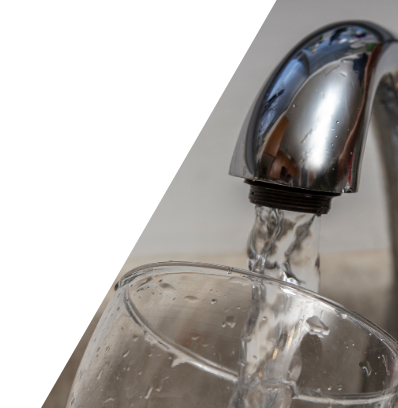
The primary source of copper contamination in drinking water is the corrosion of copper pipes, which can be influenced by various factors including water chemistry, pH levels, and the age of the plumbing infrastructure. Acidic or soft water can accelerate the corrosion process, leading to higher concentrations of copper in drinking water. In addition to plumbing systems, industrial activities such as mining, metal plating, and the use of copper-based pesticides can contribute to elevated copper levels in surface and groundwater. Natural mineral deposits can also leach copper into water sources, especially in regions with high geological concentrations of the metal
Excessive copper exposure through drinking water can lead to a range of health issues. Short-term exposure to high levels of copper can cause gastrointestinal symptoms such as nausea, vomiting, and diarrhea. Long-term exposure, particularly in sensitive populations such as infants, young children, and individuals with genetic disorders like Wilson’s disease, can result in more severe health problems including liver and kidney damage. These health risks underscore the necessity for stringent regulatory standards and guidelines to control copper levels in drinking water and protect public health
To address the issue of copper contamination, various national and international bodies have established regulatory standards. In the United States, the Environmental Protection Agency (EPA) has set an Action Level of 1.3 mg/L for copper, which mandates corrective action if more than 10% of water samples exceed this concentration. Similarly, the World Health Organization (WHO) has set a guideline value of 2.0 mg/L, which is considered safe for lifetime consumption.
These standards are complemented by advancements in detection and removal technologies, such as electrochemical and optical sensors for monitoring, and nanotechnology-based filters and microbial bioremediation for removal. By integrating these technologies and adhering to regulatory guidelines, communities can effectively manage copper contamination and ensure safe drinking water.
History of Copper Contamination in Drinking Water
Early Use of Copper
Copper has been used by humans for thousands of years, dating back to ancient civilizations. Its durability and malleability made it a preferred material for tools, ornaments, and later for piping systems. The Romans were among the first to use copper extensively for water pipes in their aqueducts, recognizing its resistance to corrosion and its ability to deliver clean water over long distances.

Industrial Revolution and Increased Usage
The Industrial Revolution marked a significant increase in the use of copper, driven by advancements in manufacturing and infrastructure development. Copper pipes became standard in plumbing systems due to their superior properties compared to other materials like lead. This widespread adoption continued into the 20th century, as copper plumbing was recognized for its reliability and longevity. However, the increased use also led to heightened awareness of copper’s potential to leach into drinking water under certain conditions .
Awareness of Copper Contamination
The latter half of the 20th century saw a growing understanding of the health impacts associated with copper exposure. Research indicated that while copper is an essential trace element, excessive intake can lead to serious health issues. This prompted regulatory bodies to begin setting standards for acceptable copper levels in drinking water. The United States Environmental Protection Agency (EPA) established the Lead and Copper Rule in 1991, which set an Action Level of 1.3 mg/L for copper, requiring water systems to take action if concentrations exceeded this limit.
Modern Developments and Technological Advances
Recent technological advancements have greatly improved the detection and mitigation of copper contamination in water. New sensor technologies, like electrochemical and optical sensors, offer accurate, real-time monitoring, while innovative removal methods, such as nanotechnology-based filters and bioremediation, provide efficient and sustainable solutions. Combined with stricter regulatory standards, these developments enhance efforts to ensure safe drinking water.
Sources of Copper Contamination
Copper contamination in drinking water can originate from several sources, primarily related to human activities and infrastructure. Here are some of the main sources:

Municipal Water Supply and Treatment Systems
Sometimes, municipal water systems themselves can be a source of copper contamination. The use of copper pipes in water distribution systems, as well as the corrosion of these pipes, can introduce copper into the water supply. Additionally, the water treatment processes, including the adjustment of pH levels to prevent pipe corrosion, can influence the amount of copper that leaches into the water.

Agricultural Runoff
The use of copper-containing pesticides and fungicides in agriculture can result in copper being washed into water bodies through runoff. This runoff can contaminate both surface and groundwater sources, contributing to elevated copper levels in drinking water. (3)

Natural Deposits
Copper is naturally present in the environment and can leach into water from geological deposits. While less common than anthropogenic sources, natural leaching can still contribute to copper levels in drinking water, particularly in areas with high concentrations of copper in the soil.
Monitoring and managing copper levels in drinking water is crucial to ensure safety. Regular testing, replacing old plumbing fixtures, and using certified water filters can help mitigate the risks associated with copper contamination in drinking water.

Environmental and Industrial Sources
Copper can enter water supplies through environmental sources such as the natural weathering of rocks and soil, as well as from industrial activities. Mining operations, industrial discharges, and the use of copper-containing pesticides can contribute to the presence of copper in groundwater and surface water. These sources can elevate copper levels in drinking water, especially in areas near industrial activities. (2)

Corrosion of Plumbing Systems
One of the most common sources of copper in drinking water is the corrosion of copper pipes and plumbing fixtures. As water flows through these copper pipes, it can cause the metal to dissolve, especially if the water is acidic or has low mineral content (soft water). This can lead to elevated levels of copper, particularly in the first-draw water after the water has been sitting in the pipes for several hours. (1)
Monitoring and managing copper levels in drinking water is crucial to ensure safety. Regular testing, replacing old plumbing fixtures, and using certified water filters can help mitigate the risks associated with copper contamination in drinking water. (4)
Mechanisms of copper Contamination in Water Systems
Copper contamination in water systems occurs through several mechanisms. These processes are influenced by both natural and human-induced factors. Here are some key mechanisms with references:

Corrosion of Plumbing Systems
The most common mechanism of copper contamination is the corrosion of copper pipes and plumbing fixtures. This occurs when water with a low pH (acidic water) or low mineral content (soft water) interacts with the copper piping, causing the metal to leach into the water.
Acidic or soft water causes the copper pipes to dissolve over time, releasing copper ions into the water. This process is accelerated if the water has been stagnant in the pipes for several hours.
Industrial Discharges
Industrial activities, such as mining, manufacturing, and metal plating, can release copper into nearby water bodies. These activities can significantly elevate copper levels in both surface water and groundwater. Copper is often used in various industrial processes, and wastewater from these processes can contain high levels of copper. If not properly treated, this wastewater can contaminate local water sources.
Agricultural Runoff
The use of copper-containing pesticides and fungicides in agriculture can lead to copper being washed into water bodies through runoff, especially after heavy rains.
When copper-based chemicals are applied to crops, rainwater can carry these chemicals into streams, rivers, and groundwater, leading to elevated copper levels in these water sources.
Natural Sources
Copper is naturally present in the environment and can leach into water from geological formations and soil. Natural weathering of rocks and soil containing copper can release the metal into groundwater and surface water. This process can be influenced by the acidity of rainwater and the type of rock formations in the area.
By understanding these mechanisms, appropriate measures can be taken to monitor and mitigate copper contamination in drinking water, ensuring public health and safety. (5)
Health Effects of Copper Contamination
Copper is an essential trace element for human health, but excessive exposure can lead to various adverse health effects. The health effects of copper contamination in drinking water depend on the concentration and duration of exposure. Here are some key health effects with references: (6)

Short-term Health Effects
Gastrointestinal Distress:
Acute exposure to high levels of copper can cause gastrointestinal symptoms such as nausea, vomiting, diarrhea, and stomach cramps.

Long-term Health Effects
Liver and Kidney Damage:
Chronic exposure to elevated copper levels can cause liver and kidney damage. This is particularly concerning for individuals who are unable to regulate copper in their bodies effectively.

Neurotoxic Effects
There is evidence to suggest that long-term exposure to high levels of copper may have neurotoxic effects, potentially contributing to neurodegenerative diseases.

Effects on Individuals with Wilson's Disease
Individuals with Wilson's disease, a genetic disorder that prevents the body from eliminating excess copper, are particularly vulnerable to copper toxicity.
Regulatory Guidelines and Safety Measures
EPA Guidelines: The EPA has set an action level for copper in drinking water at 1.3 milligrams per liter (mg/L). Exceeding this level requires water utilities to take corrective actions to reduce copper levels.
WHO Guidelines: The WHO recommends a guideline value of 2.0 mg/L for copper in drinking water to prevent adverse health effects. (7)
Diseases Caused by Copper Contamination in Drinking Water
Copper is an essential trace element for human health, but excessive exposure through contaminated drinking water can lead to various health issues. Here is a detailed overview of how copper contamination can cause specific diseases and health conditions:
1. Gastrointestinal Distress
When copper levels in drinking water exceed safe limits, ingestion can irritate the gastrointestinal tract. This irritation results from copper’s ability to interact with the lining of the stomach and intestines, leading to inflammation and disruption of normal function. The presence of copper ions stimulates the release of gastrointestinal fluids, causing:
- Nausea
- Vomiting
- Diarrhea
- Stomach cramps
2. Liver Damage
- Liver cirrhosis
- Hepatitis
3. Kidney Damage
The kidneys are responsible for filtering excess copper from the blood. Prolonged exposure to elevated copper levels can lead to copper accumulation in kidney tissues, causing damage to the kidney cells. This can result in:
- Kidney failure
- Nephropathy
4. Neurological Disorders
Copper toxicity can disrupt the function of the central nervous system. Excess copper interferes with the metabolism of neurotransmitters, which are essential for normal brain function. This can lead to neurotoxicity, resulting in:
- Wilson's Disease
- Neurodegenerative diseases (e.g., Alzheimer's, Parkinson's)
5. Anemia
- Hemolytic anemia
6. Cardiovascular Issues
Elevated copper levels can contribute to oxidative stress, damaging the cardiovascular system. Copper-induced oxidative stress affects the walls of blood vessels, potentially leading to:
- Cardiomyopathy
- Hypertension (high blood pressure)
7. Respiratory Problems
- Respiratory distress
8. Immune System Dysfunction
- Weakened immune response
- Increased susceptibility to infections
9. Skin Conditions
- Dermatitis
- Skin irritation and rashes
10. Bone and Joint Issues
Chronic copper toxicity can affect the skeletal system. Excessive copper interferes with the normal metabolism of bones and joints, potentially leading to conditions like:
- Osteoporosis
- Joint inflammation
Excessive copper contamination in drinking water poses significant health risks by disrupting various physiological processes. Understanding the mechanisms by which copper causes these health issues is crucial for developing effective strategies to monitor and mitigate copper levels in drinking water. Regular testing, use of advanced detection and removal technologies, and adherence to stringent regulatory standards are essential to protect public health from the adverse effects of copper contamination.
Detection and Monitoring of Copper Contamination in Drinking Water
Detection and monitoring of copper in drinking water are crucial steps in ensuring water safety and public health. These processes involve various methods and protocols to measure copper levels accurately and to manage any risks associated with copper contamination. Here are the main aspects of detection and monitoring, supported by references: (8)
1. Testing Methods
Water sampling is the initial step in detecting copper contamination. It involves collecting water samples from different points in the water system, including the first-draw samples (water that has been sitting in the pipes for several hours) and flushed samples (water that has run for a few minutes).
2. Analytical Techniques:
AAS is a widely used technique for measuring copper concentrations in water. It involves using a flame or graphite furnace to atomize the sample, followed by measuring the absorption of light by copper atoms.
ICP-MS offers high sensitivity and precision for detecting trace levels of copper. This technique ionizes the sample with inductively coupled plasma and then measures the mass-to-charge ratio of the ions. (9)
3. Regular Monitoring
Public water systems are required to regularly monitor copper levels to comply with regulatory standards and to protect public health. The EPA’s Lead and Copper Rule mandates that water systems conduct monitoring and report the findings.
Private well owners are responsible for testing their water for copper and other contaminants. Regular testing is recommended, particularly if there are changes in taste, color, or smell of the water.
4. Addressing Elevated Copper Levels
When elevated copper levels are detected, implementing corrosion control measures is essential to reduce copper leaching from pipes. This can include adjusting the water’s pH and adding corrosion inhibitors.
Point-of-use (POU) and point-of-entry (POE) treatment devices can be effective in reducing copper levels in drinking water. These devices include reverse osmosis systems, ion exchange filters, and activated carbon filters.
Mitigation and Prevention of Copper Contamination in Drinking Water
Mitigating and preventing copper contamination in drinking water involve various strategies that address both the sources of contamination and the methods for reducing copper levels. Here are the key approaches, supported by references:(10)
1
Corrosion Control Measures
Corrosion control is a primary method for preventing copper from leaching into drinking water from pipes and fixtures. This involves adjusting the water’s chemistry to reduce its corrosiveness.
Methods:
pH Adjustment: Increasing the pH of the water to make it less acidic, thereby reducing its ability to corrode copper pipes.
Corrosion Inhibitors: Adding substances like orthophosphates to the water to form a protective coating on the interior surfaces of pipes, which prevents copper from leaching.
2
Infrastructure Upgrades
Replacing aging and corroded copper pipes with newer, less reactive materials can significantly reduce copper contamination in drinking water.
Methods:
Pipe Replacement: Installing pipes made of materials such as cross-linked polyethylene (PEX), chlorinated polyvinyl chloride (CPVC), or other plastics that are resistant to corrosion.
Fixture Replacement: Updating faucets, valves, and other plumbing fixtures that may contain high levels of copper.
3
Point-of-Use and Point-of-Entry Treatment
Water treatment devices can be installed at the point of use (POU) or point of entry (POE) to remove copper from drinking water before it reaches the tap.
Methods:
Reverse Osmosis: This filtration method can remove up to 99% of copper from water by forcing it through a semipermeable membrane.
Activated Carbon Filters: These filters can adsorb copper and other contaminants, improving water quality.
Ion Exchange Filters: These systems replace copper ions with other harmless ions, effectively reducing copper levels in water.
4
Regular Testing and Monitoring
: Regular testing and monitoring of water quality are essential to detect and address copper contamination promptly.
Methods:
Routine Water Testing: Conducting periodic tests for copper levels in drinking water, especially in homes with new plumbing or in areas with known copper issues.
Monitoring by Water Utilities: Public water systems are required to monitor and report copper levels, taking corrective actions if levels exceed the EPA’s action level of 1.3 mg/L.
5
Public Education and Awareness
Educating the public about the sources and risks of copper contamination, as well as the steps they can take to reduce exposure, is crucial for prevention.
Methods:
Community Outreach Programs: Informing residents about the risks of copper contamination and the importance of regular water testing.
Guidance on Flushing Taps: Advising homeowners to flush taps for a few minutes before using water for drinking or cooking, especially after the water has been sitting in the pipes for several hours.
Climate change has a significant impact on various environmental factors, including water quality. The interplay between climate change and copper contamination in drinking water can be understood through changes in water chemistry, increased industrial runoff, and the development of adaptation and mitigation strategies. (11)
Changes in Water Chemistry
Climate change can alter the physical and chemical properties of water bodies, affecting the solubility and mobility of copper. Several factors contribute to these changes: (12)
Temperature Increase
Rising temperatures can enhance the rate of chemical reactions, including the corrosion of copper pipes. Warmer water can dissolve more copper from pipes and fixtures, increasing the concentration of copper in drinking water.
pH Fluctuations
Climate change can lead to changes in the pH of water bodies. Acid rain, resulting from increased atmospheric CO2, can lower the pH of surface waters, leading to increased leaching of copper from natural deposits and plumbing systems.
Changes in Dissolved Oxygen:
Higher temperatures reduce the solubility of oxygen in water, leading to lower dissolved oxygen levels. This can affect the redox conditions, influencing the mobility and speciation of copper in water.
Increased Industrial Runoff
Climate change can lead to more extreme weather events, such as heavy rainfall and flooding, which can increase industrial runoff into water bodies. This runoff can carry higher concentrations of copper from industrial sites into surface and groundwater sources.
Flooding
Heavy rainfall and flooding can overwhelm industrial containment systems, leading to the release of copper-laden wastewater into nearby rivers and lakes. Floodwaters can also erode soil and transport copper from contaminated sites.
Stormwater Runoff
Increased precipitation can result in greater stormwater runoff from urban and industrial areas. This runoff can pick up copper from various sources, including roofs, roads, and industrial facilities, and carry it into water bodies.
Agricultural Runoff
Climate change can affect agricultural practices, leading to increased use of copper-based pesticides and fertilizers. Heavy rains can wash these chemicals into surface waters, contributing to higher copper levels.
Economic and Social Impacts of Copper Contamination in Drinking Water
Copper contamination in drinking water can have far-reaching economic and social impacts. These effects are not only limited to the health of individuals but also extend to the broader community, affecting public infrastructure, economic activities, and social well-being. Here are the key economic and social impacts, supported by references: (13)
Increased Industrial Runoff
1
Increased Medical Expenses
2
Upgrading Plumbing Systems
To mitigate copper contamination, significant investments are required to replace aging and corroded copper plumbing with newer materials. This includes both public infrastructure and private plumbing systems.
3
Loss of Work Hours
Social Impacts
1
Community Health Risks
Widespread copper contamination poses significant risks to community health, affecting vulnerable populations such as children, the elderly, and those with preexisting health conditions.
2
Disproportionate Impact on Low-Income Communities
Low-income and marginalized communities often lack the resources to address water quality issues, making them more vulnerable to the adverse effects of copper contamination. These communities may struggle to afford necessary infrastructure upgrades or water treatment devices.
3
Trust in Public Institutions Erosion of Public Trust
4
Community Engagement and Transparency
Role of Non-Governmental Organizations (NGOs)
Non-Governmental Organizations (NGOs) play a crucial role in addressing copper contamination in drinking water. They contribute through advocacy and awareness, research and development support, and community engagement. Their efforts are essential in driving policy changes, fostering innovation, and mobilizing communities to take action against water contamination. (14)
Advocacy and Awareness
NGOs are instrumental in raising public awareness about the dangers of copper contamination in drinking water and advocating for stronger environmental policies.
Public Education Campaigns
NGOs organize campaigns to educate the public about the sources and health risks of copper contamination. These campaigns use various media, including social media, workshops, and informational brochures, to reach a broad audience.
Policy Advocacy
NGOs advocate for stringent regulations on industrial discharge, agricultural practices, and plumbing materials to reduce copper contamination. They work with policymakers to develop and implement legislation that protects water quality.
Global Platforms and Conferences
NGOs participate in international forums and conferences to highlight the issue of copper contamination and collaborate with global partners. They bring attention to local issues on a global stage, facilitating international support and intervention.
Research and Development Support
NGOs support research and development (R&D) to find innovative solutions for detecting and mitigating copper contamination in drinking water.
Funding and Grants
Collaborative Research
NGOs often collaborate with universities, research institutions, and private sector partners to conduct studies on copper contamination. These collaborations help in pooling resources and expertise to address the issue more effectively.
Pilot Projects and Field Studies
NGOs implement pilot projects and field studies to test new water treatment technologies and methods for reducing copper levels. These projects provide valuable data and insights that can be scaled up for broader application.
Community Engagement
NGOs play a vital role in engaging communities affected by copper contamination, empowering them to take action and advocate for their right to clean water.
Capacity Building
NGOs conduct training programs and workshops to build the capacity of local communities to monitor water quality and advocate for their needs. These programs equip individuals with the skills and knowledge needed to address contamination issues.
Community-Led Initiatives
NGOs support community-led initiatives aimed at improving water quality. This includes projects such as installing water filtration systems, replacing old plumbing, and promoting safe agricultural practices.
Grassroots Mobilization
NGOs mobilize communities to participate in advocacy efforts, such as petition drives, public demonstrations, and lobbying campaigns. Grassroots mobilization helps amplify the voices of affected communities and push for policy changes.
Emergency Response and Relief: In cases of acute contamination events, NGOs provide emergency response and relief efforts. This includes distributing clean drinking water, providing medical assistance, and facilitating the clean-up of contaminated sites.
Case Studies and Real-World Examples
Mitigating and preventing copper contamination in drinking water involve various strategies that address both the sources of contamination and the methods for reducing copper levels. Here are the key approaches, supported by references:
Tacoma, Washington
In 2017, the City of Tacoma, Washington, faced issues with elevated copper levels in its drinking water. The contamination was primarily due to the corrosion of copper pipes in homes.
Response and Mitigation:
The city advised residents to flush their taps before using water for drinking or cooking and provided guidelines on reducing exposure. The utility also investigated the potential sources of corrosion and considered adjustments to the water chemistry to reduce its corrosiveness.
Flint, Michigan
While primarily known for its lead contamination crisis, Flint, Michigan, also experienced elevated levels of copper in its water supply after switching to the Flint River as a water source in 2014.
Response and Mitigation:
In response to the contamination, Flint switched back to its original water source and implemented corrosion control measures. The crisis led to widespread health issues and prompted federal and state interventions, including the replacement of contaminated pipes.
Northport, New York
In Northport, New York, elevated copper levels were detected in the drinking water of a local elementary school in 2016. The contamination was attributed to the corrosion of copper pipes within the school’s plumbing system.
Response and Mitigation:
The school provided bottled water to students and staff while testing and remediation efforts were underway. The district also undertook the replacement of corroded pipes and fixtures to prevent future contamination.
Toronto, Ontario, Canada
In 2008, Toronto faced copper contamination issues due to the use of corrosive water treatment chemicals that inadvertently increased the leaching of copper from pipes.
Response and Mitigation:
The city adjusted its water treatment protocols to reduce corrosion and conducted extensive monitoring to ensure compliance with health standards. Public awareness campaigns were also initiated to educate residents about potential risks and preventive measures.
Emerging Technologies for Copper Detection and Removal in Drinking Water
Copper contamination in drinking water is a significant public health concern. Advances in technology are improving our ability to detect and remove copper efficiently. Here are some emerging technologies that are making strides in this area, supported by multiple sources.
Advanced Sensor Technologies for Detection
Electrochemical Sensors
These sensors use electrochemical methods to detect copper ions in water. They are highly sensitive and can detect trace amounts of copper.
Advantages: High sensitivity, real-time monitoring, and low cost.
Optical Sensors
Optical sensors utilize light absorption and emission properties to detect copper ions. They can provide rapid and accurate measurements.
Advantages: Non-invasive, fast response time, and high specificity.
Innovative Removal Technologies
Nanotechnology-Based Filters
Nanomaterials, such as carbon nanotubes and graphene oxide, are being used to create highly efficient filters for removing copper from water.
Advantages: High surface area, enhanced adsorption capacity, and ability to remove trace amounts of copper.
Bioremediation Using Microbial Processes
Certain bacteria and algae can uptake and accumulate copper, thus removing it from water. These biological methods are environmentally friendly and sustainable.
Advantages: Low cost, eco-friendly, and can be applied to large-scale water treatment.
Hybrid Systems
Electrochemical and Membrane Filtration Hybrid Systems
Combining electrochemical methods with membrane filtration enhances the efficiency of copper removal. These systems use electrochemical reactions to precipitate copper, which is then filtered out.
Advantages: High removal efficiency, reduced energy consumption, and scalability.
Photocatalytic and Adsorption Hybrid Systems
These systems use photocatalysts to degrade organic contaminants and adsorption materials to remove copper ions. The synergy between the two processes improves overall water quality.
Advantages: Enhanced removal efficiency, ability to degrade multiple contaminants, and reduced operational costs.
Regulatory Standards and Guidelines for Copper in Drinking Water
Regulatory standards and guidelines for copper in drinking water are established to protect public health and ensure water safety. These standards are set by various national and international agencies based on scientific research and risk assessments. Here are the key standards and guidelines, including specific values, from multiple authoritative sources:

1. United States Environmental Protection Agency (EPA)
Maximum Contaminant Level Goal (MCLG): 1.3 mg/L
The MCLG for copper is set at 1.3 mg/L. This is a non-enforceable health goal set at a level where no known or anticipated adverse health effects occur, with a margin of safety.
Action Level (AL): 1.3 mg/L
The enforceable Action Level for copper in drinking water is also set at 1.3 mg/L. Water systems must take action, such as corrosion control, if more than 10% of tap water samples exceed this level.

2. World Health Organization (WHO)
Guideline Value: 2.0 mg/L
The WHO sets a guideline value of 2.0 mg/L for copper in drinking water. This value is based on the potential for adverse health effects and is intended to protect consumers over a lifetime of exposure.

3. European Union (EU)
Parametric Value: 2.0 mg/L
The EU Drinking Water Directive sets a parametric value of 2.0 mg/L for copper. This directive requires member states to ensure that drinking water quality complies with these values through regular monitoring and necessary treatment processes.

4. Canada
Maximum Acceptable Concentration (MAC): 2.0 mg/L
Health Canada establishes a Maximum Acceptable Concentration for copper at 2.0 mg/L. This value is based on the need to protect against the potential health effects of copper, particularly in vulnerable populations such as infants and young children.

5. Australia
Health-Based Guideline Value: 2.0 mg/L
The Australian Drinking Water Guidelines set a health-based guideline value of 2.0 mg/L for copper. This value aims to protect against health effects, including gastrointestinal disturbances and liver or kidney damage.
Conclusion
Copper contamination in drinking water is a multifaceted issue with significant implications for public health, infrastructure, and community well-being. Regulatory standards and guidelines, such as those established by the EPA, WHO, EU, Canada, and Australia, provide critical benchmarks to ensure water safety and protect public health.
These standards, generally set around 1.3 to 2.0 mg/L, aim to prevent the adverse health effects associated with copper exposure, particularly in vulnerable populations.
Emerging technologies in detection and removal are playing a crucial role in addressing copper contamination. Advanced sensor technologies, such as electrochemical and optical sensors, offer highly sensitive and real-time monitoring capabilities.
Innovative removal technologies, including nanotechnology-based filters and microbial bioremediation, provide efficient and sustainable solutions for reducing copper levels in drinking water. Hybrid systems that combine various methods enhance overall effectiveness and operational efficiency.
Overall, a multifaceted approach that incorporates advanced technologies, stringent regulatory standards, proactive infrastructure management, and effective public engagement is essential to ensure safe and clean drinking water. By continuing to innovate and adhere to established guidelines, communities can better protect their water supplies from copper contamination and safeguard public health.
References
- https://dropconnect.com/copper-in-drinking-water/
- https://nap.nationalacademies.org/read/9782/chapter/3
- https://ag.umass.edu/
- https://www.cdc.gov/healthywater/drinking/contamination/chemicals.html CDC_AA_refVal=https%3A%2F%2Fwww.cdc.gov%2Fhealthywater%2Fdrinking%2Fprivate%2Fwells%2Fdisease%2Fcopper.html#copper
- https://www.epa.gov/ https://www.epa.gov/dwreginfo/lead-and-copper-rule
- https://www.ncbi.nlm.nih.gov/books/NBK225400/
- https://eur-lex.europa.eu/legal-content/EN/TXT/?uri=CELEX%3A31998L0083
- https://pubs.rsc.org/en/content/articlelanding/2021/an/d1an00701g
- https://www.sciencedirect.com/science/article/pii/S2215016124000360
- https://www.nsf.org/consumer-resources/articles/copper-drinking-water#:~:text=You%20should%20thoroughly%20flush%20the,is%20certified%20for%20reducing%20copper.
- https://www.ncbi.nlm.nih.gov/pmc/articles/PMC7698392/
- https://www.sciencedirect.com/science/article/abs/pii/S0045653521035827
- https://dialnet.unirioja.es/descarga/articulo/7537646.pdf
- https://unece.org/fileadmin/DAM/env/water/whmop1/roundtable/Tsvietkova.pdf