

Factors That Determine Well Depth
Geological composition significantly impacts well depth. Rock layers or dense soil can affect drilling time and equipment needs. Property owners with Private Wells learn this when they collaborate with local drilling experts. They discover that drilling through loose sediment differs from drilling through granite or shale.
Water table levels are critical for groundwater availability, guiding the drilling depth. Changes in these levels can impact long-term water supply. Consulting hydrologists or specialized well constructors provides insights into subsurface conditions. They consider seasonal changes and nearby development impacts.
Local permits often dictate minimum well depths to safeguard environmental resources. These regulations vary by county, reflecting water management strategies. Ensuring a well complies with these guidelines promotes safe drilling practices. It benefits both the community and preserves water resources.
How Well Depth Influences Groundwater Flow
Wells reach into various layers beneath the surface, guiding groundwater from different depths. Some experts suggest deeper Well Drilling to access older water sources, which tend to have fewer pollutants. The depth of a well impacts how quickly water moves through underground passages. This, in turn, affects the well’s output and water quality.
The Role of Aquifers
Aquifers function as natural reservoirs, each with distinct rock formations and water exchange rates. By tapping into these layers, wells can stabilize water supply, reaching deeper strata. This method may require larger investments but can provide more consistent water quality and pressure.
Impact of Seasonal Changes
Rainy spells and long dry periods alter water levels, making shallow wells susceptible to sudden drops. Deeper wells draw from less volatile zones, safeguarding homeowners from unexpected shortages. Proper Well Drilling techniques ensure a steady flow, providing reliable access to water throughout the year.
The Link Between Depth and Contamination Risks
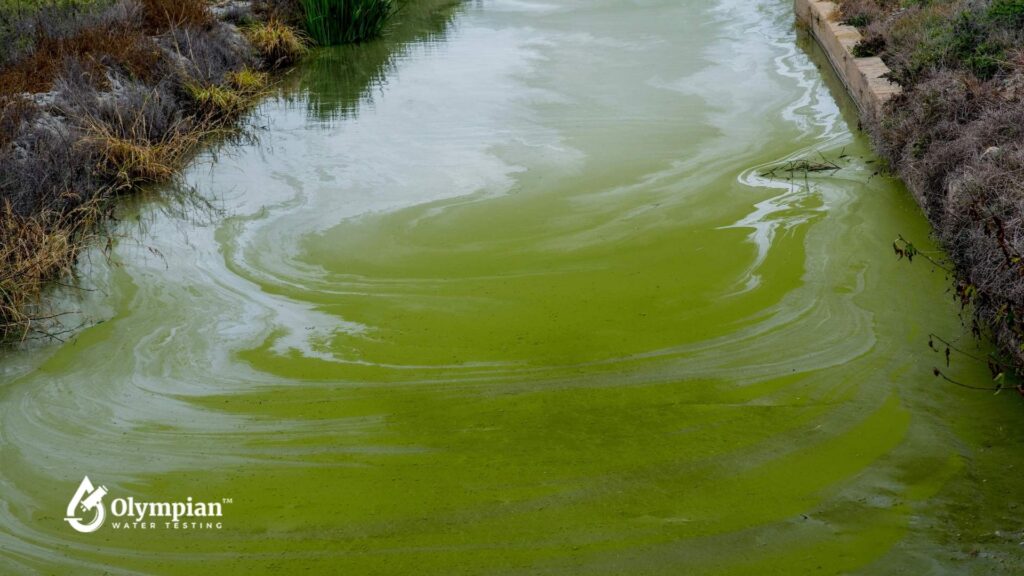
Shallow wells are more vulnerable to surface activities that can pollute water. Agricultural runoff and septic system byproducts contaminate upper soil layers. Their shorter casings increase the risk of Groundwater Contamination if not properly monitored.
Deeper wells, on the other hand, draw water through rock layers that filter out pollutants. They access aquifers less affected by runoff and industrial waste. Yet, no barrier is foolproof. A single crack in the well casing or neglected maintenance can allow contaminants to enter deeper zones. A water-quality study by the USGS highlights the ongoing challenges in securing safe drinking water.
- Agricultural runoff from nearby fields
- Undetected leaks in older well systems
- Industrial discharge entering local waterways
The U.S. Environmental Protection Agency (EPA) advises that testing is vital in detecting hidden threats before they compromise household wells.
Preventing Groundwater Contamination begins with regular testing and timely repairs. Local experts use geological data to identify deeper, safer sources. Ultimately, depth alone does not ensure safety. Continuous vigilance is the most effective defense.
The Importance of Regular Testing
Proper water examinations are key to protecting against hidden dangers. They uncover contaminants that can threaten Safe Drinking Water at any level. Health agencies and the US Environmental Protection Agency (EPA) recommend testing at least once a year. This is true for both rural and urban areas, helping to detect harmful bacteria, nitrates, and chemicals early on.
Regular checks also improve well integrity. Identifying problems early can save money and protect families from risks. Experts use accredited labs to ensure the accuracy of these tests.
Recommended Testing Schedule
Many homeowners stick to a routine. Some test their water in the spring or fall, while others do it semiannually or annually. A consistent schedule ensures ongoing monitoring and quick action when issues arise.
Choosing Professional Services
Trained technicians go beyond basic tests. They analyze water samples for metals and volatile compounds that can harm Safe Drinking Water. Reliable services provide detailed reports and guidance on any necessary treatments.
Test Type | Frequency |
Bacterial Screen | Annually |
Chemical Panel | Every 2 Years |
Advanced Analysis | As Needed |
Well Water: Common Contaminants and Treatment Options
Underground sources sometimes harbor invisible threats. Harmful microbes and chemicals can slip into water supplies through leaks or runoff, placing families at risk.
Vigilance is essential for anyone wanting peace of mind. Routine testing, combined with Well Maintenance, helps spot issues early on and safeguard drinking water.
Bacterial Contaminants
Bacteria like coliforms or E. coli often appear due to improper sealing or surface water entering the system. Regular inspection of seals and casings serves as the first step toward preventing these microscopic dangers.
Chemical Pollutants
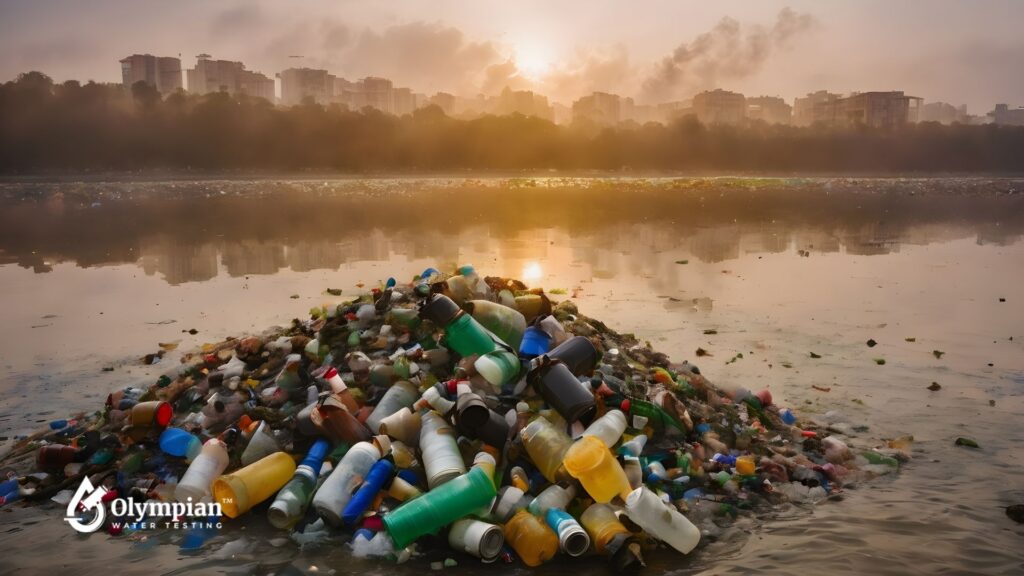
Substances such as pesticides, fertilizers, and industrial byproducts may infiltrate groundwater supplies. Experts at the US Environmental Protection Agency recognize these risks and advise property owners to monitor for abnormal tastes or odors.
Filtration and Purification Methods
Chlorine disinfection provides a rapid response for bacterial threats. Long-term solutions include activated carbon filters, reverse osmosis systems, or ultraviolet treatments. Each choice depends on specific test results, so Well Maintenance remains a priority for lasting water quality.
Surface Water Influence on Shallow Wells
Shallow wells are often situated near the surface, where rain or snowmelt can easily seep into the soil. This can lead to the rapid entry of sediment, organic debris, and pollutants, posing significant safety risks. The presence of unpaved driveways, farmland, and nearby streams further increases the risk of contamination if barriers are not properly maintained.
Regular Water Quality Testing is essential in detecting threats early on. Inspectors look for sudden changes in taste or appearance, which can indicate contamination by harmful bacteria or industrial chemicals. Homeowners reliant on shallow wells should consult experts for regular testing and advice on structural enhancements.
If repeated tests reveal ongoing infiltration, deeper drilling or stronger well casings may be necessary. Some property owners turn to local regulations or seek professional advice from the Environmental Protection Agency (EPA) to protect their water supply. Proper monitoring and prompt action are key to mitigating health risks and safeguarding families who rely on shallow wells for their daily needs.
How to Assess Suitable Well Depth Before Drilling
Choosing the right depth for a new well requires understanding local regulations and the natural terrain. This knowledge ensures a safe water source and guides the measurement of well depth. Those seeking reliable access must weigh their drilling decisions against environmental factors.
Talking to certified experts can provide valuable insights. They use soil data, historical water reports, and site visits to find stable drilling spots. This approach balances cost and safety, protecting homes from future water quality issues.
Local Regulations and Permits
Following government standards prevents groundwater pollution. Authorities often need specific documents, like zoning information and soil analyses. Adhering to these regulations reduces health risks and avoids accidental damage to aquifers.
Professional Geological Surveys
Expert teams conduct subsoil investigations through rock core sampling and hydrogeological testing. These steps confirm the best areas for new wells. Without such assessments, drilling into unstable areas is risky, highlighting the importance of thorough preparation for a sustainable water supply.
The Effect of Depth on Water Temperature
Groundwater often stays cooler when it flows deep below the surface. This stable temperature is a result of being insulated by layers of soil and rock. Private Wells that tap into deeper sources may enjoy water that remains refreshing in every season.
“As per the U.S. Geological Survey, cooler aquifers can slow bacterial growth and preserve crisp taste.”
Shallow wells can have shifting temperatures linked to warm or cold spells. This sometimes affects flavor or promotes minor microbial activity. Yet, these fluctuations are usually not severe enough to cause health concerns. Depth can offer advantages by minimizing thermal variation, which many individuals prefer.
Those who depend on Private Wells often appreciate year-round consistency. A stable climate below the ground surface helps maintain water purity and taste. Depth promotes conditions that reduce unwanted organisms, delivering a drink that feels fresh and clean for any household.
Maintaining a Stable Water Table for Safety
An even water table ensures a steady supply of clean drinking water. Owners benefit from regular check-ups on key system parts. Strong mechanical components maintain daily function, making supplies reliable. This practice bolsters Well Maintenance strategies.
Pump Placement and Equipment

Pumps at the right level avoid air or sediment issues. Experts recommend checking each component’s alignment and monitoring valves for smooth operation. Well Maintenance is a proactive way to protect the setup and prevent costly repairs.
Monitoring Fluctuations
Tracking water level shifts alerts families to adjust usage or pumping schedules. Early detection of drops or spikes allows for simple fixes and safeguards water quality. Regular inspections of gauges and pressure systems prevent surprises and ensure consistent flow.
Improving Water Quality Through Proper Maintenance
Many homeowners rely on dependable wells that meet safe drinking standards. Good upkeep helps protect families from harmful pollutants and safeguards taste and clarity. Structural enhancements along with regular inspections reinforce a well’s integrity and reduce common sources of contamination.
Water Quality Testing serves as a necessary checkpoint for identifying hidden issues and guiding corrective measures. Clear results encourage proactive steps to repair faults in aging components and strengthen well defenses. This practice promotes cleaner, fresher water.
Sealing and Casing Upgrades
Advanced sealing methods block external elements that could seep into a well. Cracked or corroded casing material often leads to unexpected leaks, increasing the risk of bacterial intrusion. Many experts recommend modern materials that align with Environmental Protection Agency standards and help form a robust barrier.
Routine Disinfection
Simple treatments neutralize microorganisms that might accumulate over time. Methods like chlorine shock can interrupt bacterial cycles and sustain cleaner conditions. Water Quality Testing results show when disinfection needs repeating to maintain healthy levels. Consistent scheduling keeps water safe for household use.
Maintenance Action | Recommended Frequency | Key Benefit |
Sealing Upgrades | Every 5-10 Years | Prevents Contaminant Entry |
Casing Replacement | As Needed | Reduces Structural Failures |
Disinfection | 1-2 Times Yearly | Keeps Bacteria at Bay |
Moving Forward with Healthier Drinking Water
Well depth and water quality are critical for a safe water supply. Drilling with care, lining casings, and regular checks are essential. Many property owners seek advice from licensed contractors and health experts familiar with local groundwater.
Well Water is vital for rural areas lacking municipal services. Timely testing helps identify health risks like bacteria or minerals. Upgrading pumps and seals prevents water pressure drops, which can draw surface pollution. Regular equipment updates enhance performance and safety.
Responsible well management ensures a reliable source for cooking, cleaning, and drinking. Both deep and shallow wells offer unique advantages, yet all need consistent maintenance. Staying updated on guidelines, seeking professional advice, and scheduling regular treatments guarantee every glass of Well Water is pure and refreshing.
Frequently Asked Questions