Understanding the Basics of Well Water Systems
Many families cherish the private water supply beneath their feet. Water seeps through soil and rock, picking up minerals and organic matter along the way. The local environment shapes its composition, influencing what lies beneath.
Homeowners often turn to well water filtration to remove unwanted substances. They see it as a practical measure to ensure their water remains fresh. This is essential for daily activities, from cooking to keeping loved ones hydrated.
How Groundwater Travels
Precipitation sinks deep into the earth, collecting sediment and trace metals. Wells draw from these underground reservoirs, bringing water to homes in rural and suburban areas. Its journey can be long, traversing through various soil layers.
Factors Affecting Water Quality
The safety of well water depends on its surroundings. Pesticides can migrate through loose soil. Industrial waste can travel far. Dry spells or heavy rains can alter mineral and pollutant levels.
Common Substance | Source | Potential Impact |
Bacteria | Septic systems | Digestive issues |
Nitrates | Fertilizer runoff | Health concerns in young children |
Arsenic | Rock deposits | Long-term risks for vital organs |
Signs Your Well Water May Need Extra Treatment
Even if water appears clear, it can hide problems. Unpleasant odors and tastes often signal underlying issues. Stains on sinks or fixtures indicate the presence of toxins, which can enter through soil or old pipes.
Regular water testing is essential for detecting hidden dangers. It can reveal nitrates, bacteria, or other contaminants that threaten health. Household members experiencing stomach issues or skin irritation after bathing should prompt testing.
When test results show high levels of impurities, selecting the right filtration becomes critical. A reverse osmosis system is highly effective in removing harmful elements that standard filters might miss. This extra step can significantly reduce unseen threats.
Maintaining well water is vital for the health and safety of those who rely on it. Acting promptly to address any issues ensures clean water and protects family members. Installing a reverse osmosis system can be a wise investment in safeguarding your water supply.
Common Contaminants Found in Well Water
Across the United States, many wells contain harmful microbial and chemical substances. These can severely impact the quality of drinking water. This section delves into the main culprits and emphasizes the importance of carbon filtration in multi-stage systems.
Bacteria and Viruses
Bacteria and viruses often come from farmland runoff or septic systems. Even tiny amounts can cause stomach problems and serious infections. Effective disinfection and regular testing are key to preventing these issues.
Heavy Metals
Lead, arsenic, and other metals can contaminate water due to industrial waste or natural deposits. These elements can significantly lower water quality and pose long-term health risks. Implementing regular filtration steps can help reduce exposure to these harmful substances.
Chemical Pollutants
Pesticides can enter well systems through agricultural activities. Substances like radon may come from the earth itself. Each pollutant presents unique dangers, making it essential to have strong filtering measures. Carbon filtration is effective in capturing many pollutants, ensuring safer drinking water.
Why Multi-Stage Filtration Matters
Multi-stage filters provide a robust defense against various impurities found in private wells. Each stage targets different contaminants, from visible particles to chemical residues. This layered approach ensures families are protected from a wide range of waterborne contaminants.
This method mirrors the strategies used in many public water treatment plants. Each filter stage is crafted to tackle specific threats. For instance, sediment stages handle harmful metals, while advanced layers combat microscopic organisms. ZeroWater’s 5-Stage Filtration System is a prime example, demonstrating how each stage addresses unique challenges to produce cleaner water.
By tackling waterborne contaminants from multiple fronts, households gain a more effective defense. This multi-layered protection ensures that even hidden risks are managed, boosting confidence in the water’s safety. It’s a vital step towards ensuring the water we drink is as pure as possible.
How Multi-Stage Filtration Enhances Water Purity
Multi-stage technology refines well water through a series of targeted steps. Each layer addresses specific contaminants to produce cleaner, safer water. Homeowners seeking dependable systems often explore the best home water filters for complete results and peace of mind.
The combination of sediment removal and carbon adsorption significantly raises water quality. This process diminishes common pollutants that impact taste or pose health concerns. Households benefit from consistent purity while protecting sensitive appliances from damage.
First Line of Defense: Sediment Removal
Grains of sand, silt, and other particles can accumulate in supply lines. A robust sediment filter captures these materials at the outset. This initial barrier helps extend the life of cartridges and enhances overall system performance.
Second Layer: Activated Carbon Filters
Carbon surfaces trap chemicals and volatile compounds that disrupt flavor or produce noticeable odors. This step promotes cleaner-tasting water and boosts confidence in daily consumption. Homes can stay confident in their choice by comparing the best home water filters that include multiple layers of protection.
The Role of Reverse Osmosis in Multi-Stage Filtration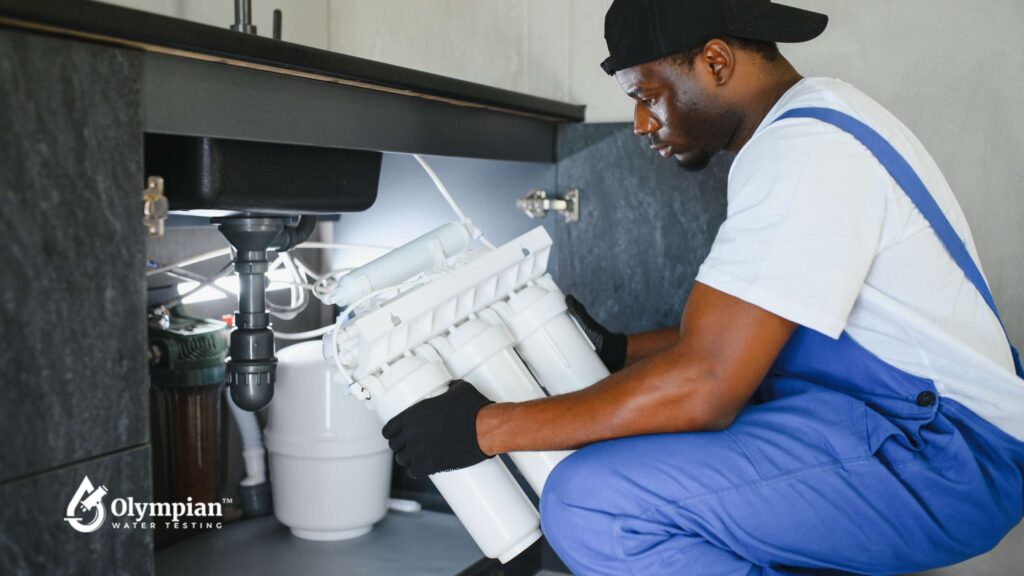
Reverse osmosis employs a membrane to capture dissolved solids that standard filters often miss. It ensures cleaner water by separating harmful substances from the flow. Many homeowners choose this method for purified drinking water that meets stringent health standards in the United States.
Effectiveness in Removing Salts and Minerals
This technique effectively pulls salt molecules and mineral deposits away from the water source. The membrane’s structure targets contaminants like arsenic and nitrates. Brands such as Culligan and Pentair are known for their systems that excel in extracting these particles. This step significantly reduces impurities in each glass.
Pairing Reverse Osmosis with Pre-Filtration
Sediment cartridges and carbon layers help ease the membrane’s workload. They catch dirt, odors, and chlorine before they can clog the system. This synergy creates a robust filtration process, extending the life of all components. The outcome is purified drinking water with less maintenance required.
Contaminant | How RO Manages It |
Salts | Removes ions through semi-permeable membrane |
Arsenic | Traps toxic elements and directs them to waste stream |
Heavy Metals | Reduces lead and mercury through precision filtration |
Choosing the Right System for Your Home
Homeowners often start by looking at test results to identify their water’s main issues. They might find high levels of iron, arsenic, or other contaminants. If so, a system designed to remove heavy metals is usually essential.
Water quality can vary due to soil types, household usage, and plumbing design. It’s wise to compare different filtration technologies before making a choice. A helpful resource is this guide to filter water systems, which provides insights on stages, materials, and maintenance.
- Review key contaminants through a certified lab test
- Evaluate need for heavy metals removal if arsenic or lead is detected
- Consider household size and flow rate requirements
- Check budget ranges and replacement intervals
Every home is different. Choosing the right equipment based on reliable data ensures safer water for all uses. A well-balanced system protects against various threats, giving you peace of mind with every sip.
Cost Considerations for Multi-Stage Filtration Installation
Installing a multi-stage filtration system can significantly improve well water quality and reduce long-term costs. Homeowners must consider the initial investment against the long-term benefits of having clean, reliable water. Many find they use less bottled water and experience fewer plumbing issues after installing the system.
Initial Investment vs. Long-Term Value
The cost typically includes the filtration unit and labor for professional installation. Prices vary based on the size and technology of the equipment. Families often see the value in fewer appliance breakdowns. Using a TDS meter helps monitor dissolved solids, ensuring timely upgrades without overspending.
Maintenance and Replacement Costs
The lifespan of each filtration stage depends on local water conditions. Filter cartridges may need to be replaced periodically to maintain water quality. A TDS meter alerts to changes in water chemistry, preventing premature or delayed replacements. Regular maintenance ensures cost-effective use of resources.
Cost Element | Purpose | Approximate Range |
System Equipment | Main Filtration Units | $500 – $2,000 |
Professional Installation | Proper Setup and Testing | $200 – $700 |
Filter Cartridge Replacement | Maintaining Filtration Efficiency | $20 – $100 Each |
The Environmental Impact of Filtration
Installing a multi-stage filtration system significantly reduces plastic waste. Families avoid using single-use bottles, which greatly diminishes landfill accumulation. This choice also lessens the environmental impact of fossil fuel usage for production and transportation. The longevity of these systems, lasting for years without frequent replacement, further supports conservation efforts.
Water testing kits play a critical role in maintaining the efficiency of home filtration systems. They monitor filter performance, preventing unnecessary replacements. This results in less waste and lower emissions, contributing to resource preservation. Households that opt for filtered tap water generally experience a reduction in their carbon footprint.
Option | Key Benefit |
Bottled Water | Convenient but generates plastic waste |
Filtered Tap Water | Eco-friendly with lower transportation impacts |
Water Testing Kits | Maintain filtration efficiency, reduce waste |
Protecting Family Health with Comprehensive Filtration
Ensuring a clean water supply is vital for every home. A multi-stage system is designed to eliminate harmful chemicals and pathogens. This method goes beyond simple filtration, creating a safer water source for daily use.
Families depend on effective treatment to block bacteria and viruses. Without municipal disinfection, stored well water can harbor dangerous organisms. Thorough filtration acts as a strong defense against these threats, preventing digestive issues and infections.
Preventing Waterborne Illnesses
Controlling germs becomes easier with a multi-stage system. Each layer targets different contaminants, ensuring microbes are caught. Regular upkeep further minimizes risks, ensuring ongoing safety.
Ensuring Safe Drinking Water for All Ages
Young children and older adults need extra protection. Systems designed to remove harmful particles and chemicals safeguard their health. They preserve essential minerals, improving taste and providing peace of mind.
- Higher confidence when cooking and cleaning
- Reduced risk of chronic exposure
- A balanced composition of vital nutrients
Integration of Multi-Stage Filtration with Existing Plumbing
Adding a multi-stage system can significantly improve your home’s water quality. Many systems, like those from Culligan or A. O. Smith, are designed for easy installation. They can connect at the main inlet or beneath the sink, fitting seamlessly into your daily routine.
These systems work well with your current pipes and fixtures. A pre-filter often pairs with carbon or reverse osmosis stages to catch various impurities. This setup ensures steady pressure for tasks like washing dishes or bathing. Before installation, a quick inspection by a professional can confirm the correct valve placement.
To avoid leaks and pressure drops, follow these steps:
- Secure all connections with sturdy fittings
- Check each stage placement for optimal protection
- Monitor flow rates before finalizing the setup
When installed correctly, these systems provide a consistent supply of clean, refreshing water throughout your home.
Key Maintenance Practices for Long-Lasting Performance
Regular maintenance is key to keeping filtration systems in top shape. Cleaning parts and replacing worn-out components ensures each stage operates optimally. This proactive approach is vital for households aiming for consistent access to safe drinking water.
Filter Replacement Schedules
Different components of the system handle various tasks and deteriorate at different rates. Sediment filters, for instance, need more frequent replacements due to their role in capturing larger particles. Carbon filters, on the other hand, work tirelessly to eliminate odors and chemicals. Regular replacement schedules are essential to maintain their effectiveness.
Professional Inspections vs. DIY
Some homeowners opt for DIY maintenance, following simple steps to perform routine checks. Others prefer the expertise of trained technicians to identify subtle issues that could impact water quality. These professionals can detect hidden leaks and ensure that every tap delivers safe drinking water.
Filter Type | Suggested Interval |
Sediment Filter | Every 3–6 Months |
Carbon Filter | Every 6–12 Months |
Reverse Osmosis Membrane | Every 2–3 Years |
Multi-Stage Filtration for Homeowners Across the US
In the United States, various regions face unique water challenges. These are influenced by local industries, weather patterns, and soil types. Property owners must find a reliable solution to combat these issues. Advanced filtration systems offer targeted protection against specific contaminants at every stage.
Adapting to Regional Water Quality Challenges
Farming areas often deal with nitrates and pesticides, while mining or factory zones introduce heavy metals. The soil composition varies significantly from state to state, affecting what ends up in household wells. Customized filtration approaches are essential to tackle these localized risks effectively.
Ensuring Nationwide Compliance
The Environmental Protection Agency stresses the importance of regular well testing. State guidelines set specific contaminant thresholds based on location. Advanced filtration systems meet these standards, ensuring safety and cleaner water for families nationwide.
Securing Peace of Mind for the Future
Multi-stage filtration is a cornerstone for families reliant on local groundwater. It ensures a balanced filtration and testing regimen, safeguarding against unseen contaminants in drinking water. Homeowners can rest assured that even the tiniest particles are captured and eliminated.
Regular maintenance, including filter replacements, keeps the system running smoothly. This proactive approach not only enhances daily health but also boosts confidence when hosting guests or caring for children. Clean, reliable water is essential for maintaining family well-being.
Implementing a robust filtration strategy significantly reduces health risks and preserves property value. It offers peace of mind with every glass, ensuring a future filled with pure, healthy water. This commitment to quality water quality is a cornerstone of a healthier life.
FAQ