Understanding Sediment and Why It Matters
Sediment, which includes sand, silt, and rust, often contaminates our water. It can change the water’s clarity and taste. Ignoring it can lead to serious water contamination issues.
Geologists explain that changes in aquifers and wear on well casings can introduce debris. To maintain a clean water supply, it’s essential to have a well maintenance program. This program should monitor performance and address problems promptly.
Sediment can come from various sources, including corroded pipes and shifting soil. Regular inspections are key to preventing these particles. They help protect our appliances and fixtures.
Common Causes of Sediment in Wells
- Shifts in ground layers that stir up fine materials
- Broken or corroded seals
- Disruptions in soil composition near the water source
The table below highlights common types of sediment found in wells:
Type | Particle Size | Possible Sources |
Sand | Relatively large | Natural ground layers, shifting soil |
Silt | Fine or powdery | Eroded earth particles, disturbed riverbeds |
Rust | Metallic flecks | Corroded well casings, aging pipes |
Potential Risks to Water Quality
Accumulation can harm filtration systems, stain fixtures, and lower water quality. It can also lead to bacterial growth, posing health risks. Regular checks by certified professionals are vital to detect sediment issues early. This ensures a steady supply of clean water and protects our plumbing.
Signs You May Have Excess Sediment
Water that seems clear at first glance can hide warning signs. A change in taste or a sudden odor may indicate sediment buildup. Small particles can create a faint haze, often mistaken for normal wear on plumbing.
Dirty well water doesn’t always appear gritty or thick. It can carry microscopic elements that alter color or cause slight sputtering from faucets. Owners might notice a slight drop in pressure or an orange-brown tint in taps. These signs of sediment may appear long before major pump issues.
Cloudy water often signals a growing sediment problem. Our senses, like eyes and taste buds, are key in spotting changes. Paying attention to differences in your routine, such as fluctuating flow in showers or strange noises in pipes, is important. A quick visual inspection, combined with regular testing, can save time and money in the long run.
Indicator | Possible Cause | Suggested Action |
Orange-Brown Tint | Rust or Iron Content | Check for filter issues, schedule water inspection |
Slight Odor | Organic Sediment or Bacteria | Arrange professional testing |
Drop in Flow Rate | Accumulated Particles | Clean or replace screens, discuss filtration options |
Key Factors That Influence Sediment Levels
Local geology significantly impacts the amount of debris entering a well. The conditions around an aquifer can change due to minerals, water movement, and land contours. This increases the risk of unwanted particles.
Soil Composition and Geographic Considerations
Regions with clay-based soil or limestone deposits often experience more visible residue. Changes in drainage patterns or shifting land elevations affect underground water flow. This allows sediment to accumulate. Monitoring soil composition and recognizing unique geographic factors helps identify these risks early.
Well Construction and Maintenance
Proper sealing around the casing is essential for good well construction. Gaps or cracks can invite excessive silt. Regular upkeep, including checks for structural integrity, slows wear and reduces sediment issues.
Protecting Your Well from Sand, Silt, and Rust Particles
Ensuring your well cap is secure is essential. It acts as a barrier, keeping insects and debris out, which minimizes the chance of sand entering your well water. Regular inspections of the wellhead are necessary to spot any cracks or gaps that could allow silt to pass through. A robust protective barrier around the well also helps shield it from unexpected pollutants.
It’s common for property owners to maintain a 100-foot radius around the well free from chemicals and fertilizers. This buffer zone significantly reduces the risk of contamination from nearby activities. Checking pipes for corrosion is another step to limit the presence of rust particles. Regularly reviewing plumbing components helps identify leaks and prevents oxidation. Implementing soil erosion control measures is also wise, as it directs runoff away from the well.
By combining physical barriers with consistent maintenance, you can avoid costly repairs. A few proactive steps today can safeguard your water source for years to come. Below is a table outlining some effective tasks to consider.
Protective Measure | Action | Benefit |
Well Cap Inspection | Check for cracks or loose fittings | Blocks dirt and insects |
Corrosion Monitoring | Examine pipes for rust | Prevents rust particles buildup |
Land Grading | Shape soil to divert runoff | Keeps silt away from the well |
Equipment and Tools for Monitoring Sediment
Water quality relies on early detection of unwanted particles. Monitoring closely uncovers signs of sand or silt before serious buildup occurs.
Using Water Testing Kits
Basic evaluations include pH levels, iron content, and other indicators. Many home users rely on water test kits to check for sudden changes in clarity. This approach offers fast feedback for routine oversight.
Role of Turbidity Meters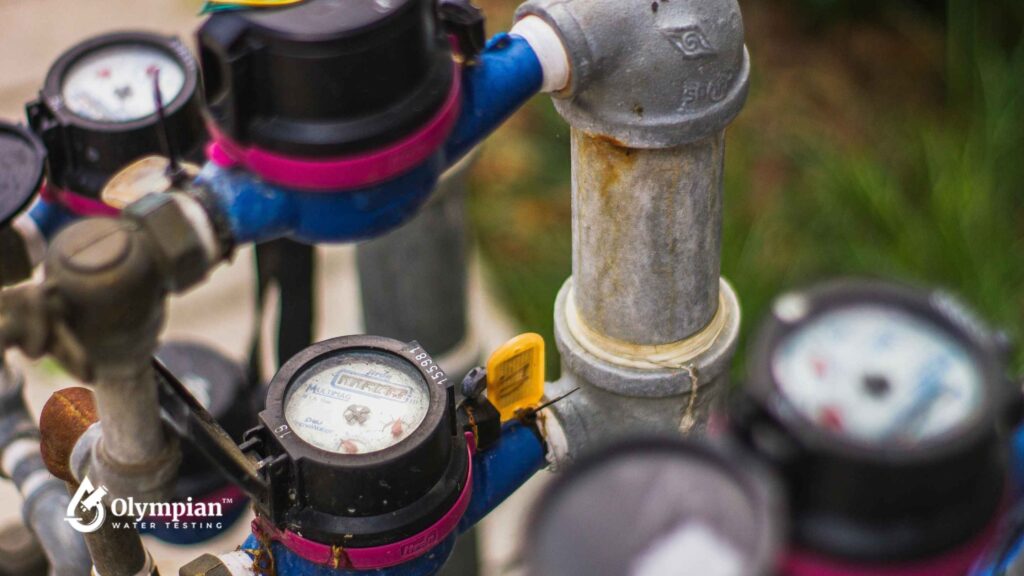
Professionals measure cloudiness using turbidity meters, revealing even slight shifts in water clarity. This data shows when solid matter surpasses safe thresholds. Filtration systems often become relevant if readings stay high over time.
"Regular sampling is key to detecting undesirable substances in drinking water and helps maintain public health."
Frequent reviews of test data guide well owners toward cost-effective upkeep. This creates a proactive plan for long-term safety.
Some well owners consult certified labs for deeper insight on metals or microbes. Lab analysis refines data from at-home measurements and confirms safe consumption across changing seasons.
How Regular Checkups Help Detect Sediment Build-Up
Well owners often depend on regular evaluations to maintain clean water. Signs of sediment buildup, like cloudy water or slow flow, can be early indicators. Yet, hidden casing issues remain undetected without thorough inspections.
During annual inspections, licensed experts examine well caps, seals, and pump functionality. Small cracks in the casing or compromised well caps can lead to significant problems if ignored. Their method allows for the quick identification of minor flaws that could turn into major repair needs.
Scheduling Routine Inspections
Keeping a schedule for these assessments helps owners avoid mechanical failures. A basic checklist might include water sampling, electrical component inspection, and flow rate measurement. These steps help uncover early warning signs.
Working with a Professional Well Driller
Collaborating with a professional well driller ensures consistent service. Having the same team handle repairs helps identify patterns, address corrosion, and suggest upgrades. These regular inspections effectively prolong the well’s lifespan and guarantee safe drinking water for families.
Effective Methods for Reducing Sediment
Ensuring clean water at home requires practical steps to limit debris. A flush well system can effectively remove sediment hidden deep below the surface. Regular maintenance is essential to maintain water clarity and protect household fixtures.
Installing sediment filters at the entry point is a key tactic. These devices capture sand, silt, and rust before water enters indoor plumbing. Both cartridge-based and backwashing filters cater to different water conditions, reducing clogs and particle buildup.
Installing Sediment Filters
Another effective strategy targets bacterial growth. Shock chlorination disinfects the entire system, eliminating odors. Additional treatments, like acid neutralizers or aeration devices, can enhance taste in areas with high mineral content.
Shock Chlorination and Other Treatments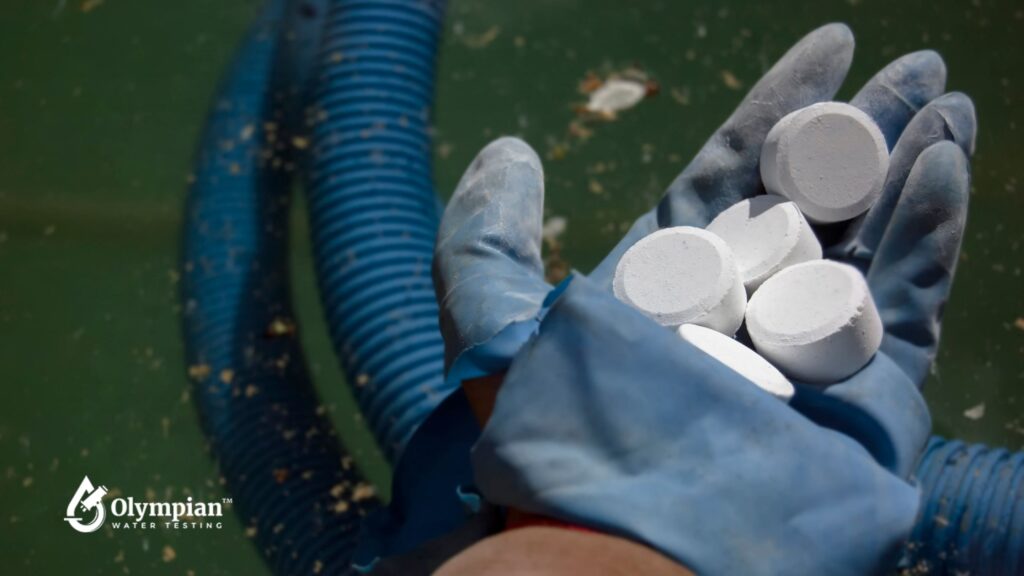
Homeowners may seek advice from certified well specialists to find the best filtration and sanitary measures. Regular monitoring is vital to keep contaminants at bay and ensure trouble-free pumping. Each method works together to safeguard water quality and extend the life of valuable equipment.
Method | Key Benefit | Drawback |
High-Capacity Filters | Capture larger particles | Frequent cartridge changes |
Chlorine Disinfection | Eliminates bacteria | Possible strong taste |
Well Flushing | Clears hidden debris | May temporarily lower pressure |
Identifying When It’s Time for Well Rehabilitation
Discoloration and frequent interruptions in water yield can suggest deeper maintenance problems. Some well owners notice that filters clog rapidly or that there is excess sediment building up in their tanks. Such difficulties may signal that the well requires a thorough well rehabilitation.
Dropping flow rates might arise from encrustations or unnoticed structural faults. Persistent clogs, even after routine flushing, often point to cracks or infiltration points that allow contaminants to enter. A certified specialist can evaluate these issues and restore the borehole to working order.
Operators who experience clogging beyond normal wear may want to arrange a professional inspection soon.
Those seeking reliable guidance can explore well maintenance and rehabilitation resources for proven techniques. This path often proves more cost-effective and extends the life of an existing system. A timely decision can address excess sediment, improve flow, and maintain a dependable water yield for years to come.
Tips for Avoiding Pump Clogging
Pump clogging often results from excessive sand or silt entering the system. Ensuring a sufficient distance from sediment-rich layers can significantly reduce debris reaching the intake. Regular maintenance and choosing a reputable brand, such as Goulds Water Technology, can minimize disruptions.
Proper Pump Placement
Positioning the pump at the right depth is critical to prevent sediment from entering the intake. A moderate distance from the well bottom helps minimize stirred-up particles, safeguarding the equipment. Consulting a licensed contractor is advisable, as terrain and water levels can impact the optimal placement.
Selecting the Right Pump Type
The choice of pump type hinges on water flow rate, pressure requirements, and local sediment loads. Some submersible models are equipped with robust filtration systems. Others are suited for shallower installations or demand higher horsepower for deeper wells. Regular inspections and maintenance are essential to extend pump lifespan and prevent wear.
Long-Term Maintenance Strategies
Keeping a well system in top shape requires a year-round commitment. Simple tasks like clearing debris and soil checks are essential. Regular inspections catch minor issues early, saving water quality and household resources.
Seasonal Checklists
Regular inspections throughout the year prevent unexpected problems. Owners should check the well cap for damage and ensure proper drainage. Seasonal checklists promote consistent care, ensuring cleaner water and fewer repairs.
Budgeting for Future Upgrades
Planning for future maintenance is key. Saving for filters, pump work, or diagnostics is wise. A small reserve eases financial stress when parts need replacement. Setting aside funds for budgeting well upgrades keeps the system efficient. This approach avoids costly surprises and ensures a steady water supply.
Comparing Different Treatment Options
Families looking for safe water often consider various treatment options. They might aim to remove metals, bacteria, or sediment. The choice depends on budget, water test results, and desired filtration level.
Homeowners often debate between POU vs POE systems. A point-of-use filter, like a countertop model from Culligan, targets a single spot. On the other hand, a point-of-entry system costs more upfront but protects the entire home.
Features like iron removal, water softening, or UV disinfection enhance water safety. A few key questions can help make a decision:
- What contaminants show up in testing?
- Does the home need full-scale protection?
- Is long-term maintenance manageable?
System Type | Main Benefits | Considerations |
POU Filter | Affordable, easy to install | Serves one tap, may need frequent cartridge changes |
POE System | Whole-house coverage, robust protection | Higher upfront cost, more complex installation |
Importance of Professional Water Testing
Private wells often lack city oversight, making regular evaluations essential. Owners invest in professional water testing to catch hidden issues that quick checks might miss. This analysis uses modern lab equipment and expert insight, providing reliable data for safer drinking water.
Accurate Diagnosis of Contaminants
Trained specialists employ advanced instruments to diagnose contaminants such as metals, nitrates, or microbes. These procedures uncover chemical traces that basic home kits might overlook. Spotting issues early supports long-term well protection.
Ensuring Compliance with Regulations
Routine checks encourage compliance with regulations set by state or regional authorities. Owners learn about recommended testing schedules, which helps them stay informed about possible health concerns. This knowledge shapes better decisions around well care strategies.
Documenting Well Performance Over Time
Lab reports build a record that highlights trends in water clarity and safety. A resource such as this guide offers helpful tips on measuring sediment levels. Consistent testing and careful logs work together to head off bigger problems before they arise.
Maintaining a Reliable Well for Years to Come
Consistent attention is essential for well longevity. Regular inspections and monitoring are key to keeping sediment at bay. This ensures water clarity and smooth flow. Filters and protective equipment act as the first defense against harmful particles.
Even small signs of cloudiness, odd odors, or noises should not be ignored. A prompt response can often prevent more severe issues. Keeping records of repairs and annual tests offers valuable insights. This helps well owners track trends and adjust maintenance as needed.
Some choose to budget for upgrades and replacements regularly. This approach guarantees a reliable water source with fewer surprises. By caring for your well and seeking expert advice when necessary, households can enjoy fresh, sediment-free water for years.
FAQ
Why is sediment build-up a concern for well owners?
Sediment, like sand and rust, can clog wells over time. This leads to cloudy water and health risks. Regular checks and quick action are key to keeping water safe.
Which factors lead to sediment infiltration?
Soil changes, aquifer shifts, and corroded pipes can let sediment in. Damaged casings and poor sealing also play a role. A licensed expert can help find and fix these issues.
How can sediment affect water quality and household fixtures?
Sediment can make water cloudy and taste metallic. It also feeds bacteria, damaging appliances. This can lead to costly repairs and shorten appliance life.
What signs indicate sediment problems in a private well?
Look for cloudy water, gritty taste, and orange-brown color. Reduced flow and unusual sounds are also signs. Professional tests can reveal hidden sediment.
Why do some regions experience more sediment issues than others?
Areas with clay or sand are more prone to sediment. Mineral-rich aquifers and natural fissures also contribute. Knowing your area’s geology helps prevent these problems.
How do well construction and maintenance practices influence sediment levels?
Proper sealing and casing height above ground block sediment. Regular checks for structural flaws or corrosion are also important. These steps keep water clean.
What can owners do to protect their wells from sand, silt, and rust particles?
A secure well cap and controlling erosion are key. Regularly check for rust or oxidation. These steps help keep water clear and safe.
Are there tools to measure turbidity or detect rising sediment levels?
DIY kits can check pH and bacteria levels. Turbidity meters measure light scattering, showing sediment levels. Professional labs offer more detailed analysis.
Why are routine inspections by a licensed well professional important?
Regular inspections catch small problems before they grow. Working with the same professional helps track issues and avoid costly repairs.
What steps can be taken to reduce sediment once identified?
Sediment filters can trap debris. Shock chlorination kills bacteria and biofilms. Flushing the system removes loosened particles.
When does a well need rehabilitation to address sediment?
If maintenance and treatments don’t work, rehabilitation may be needed. Experts can remove scale, patch cracks, and seal leaks, restoring water flow.
How does proper pump placement help prevent sediment problems?
Avoid placing the pump too close to the bottom. This stirs up sediment. Choose a pump suitable for your well’s depth and sediment.
Which long-term maintenance strategies help avoid expensive repairs?
Clear debris and check the well cap seasonally. Budget for maintenance and emergencies. This approach prevents major issues.
What are the most common treatment options to manage persistent sediment?
Point-of-use filters treat single faucets, while point-of-entry systems cover entire homes. Depending on test results, additional treatments like water softening may be needed. Compare costs and benefits to choose the best option.
Why is professional testing more reliable than DIY kits?
DIY kits detect basic issues, but labs use advanced tools for detailed analysis. Regular lab tests track performance and guide treatment adjustments.
How can well owners maintain a reliable, sediment-free water supply for years?
Regular inspections, filtration, shock chlorination, and record-keeping are essential. Protecting the wellhead and addressing sediment issues ensures a safe water supply.