Understanding Iron in Well Water
Iron in private wells often stems from soil movements and rust-prone materials. Homeowners face challenges when they notice stains, odors, or metallic tastes. Testing and consistent filtration are essential for maintaining water quality.
Common Sources of Iron
Industrial runoff and corroded steel pipes are major contributors to iron contamination. Natural earth deposits also play a role in elevated levels in private wells. The Environmental Protection Agency emphasizes the need to identify these sources when addressing water quality issues.
How Iron Impacts Water Quality
Excessive metal can cause discolored fixtures, clog pipes, and alter flavors. Distinguishing between ferric and ferrous iron is critical for choosing the right filters. Some forms are clear, while others are reddish or rusty. Identifying the type is key to effective treatment.
Iron Type | Appearance | Solubility | Filtration Approach |
Ferric Iron | Reddish or rusty particles | Insoluble in water | Mechanical filtration and sediment removal |
Ferrous Iron | Clear in solution | Soluble in water | Oxidation followed by media-based filtration |
Key Indicators of High Iron Content
Homeowners often spot unusual textures and colors in their water before they grasp the underlying issue. Rust-colored residue on sinks, discolored faucets, or tinted laundry are common signs. These symptoms may necessitate the installation of an iron removal system.
A metallic taste in beverages is another clear indicator, often manifesting as a bitter or tangy flavor. Thick deposits can slow water flow, leaving surfaces crusty or clogged. For more information on signs of iron in water, visit KindWater’s website to learn about common red flags.
Signs and Symptoms in Private Wells
Slime or a slimy film often appears when bacterial iron thrives in plumbing. It can form stubborn coatings that block pipes and create musty odors. Testing water quality at the first hint of discoloration is essential. It helps families protect their health, preserve appliances, and avoid costly repairs.
Why Filtration Is Crucial
Iron in water causes unpleasant tastes, stains, and costly repairs. Filtration keeps pipes clear, ensuring a clean water supply at home. It prevents rust damage to faucets and appliances, extending their life.
Removing iron improves water quality by eliminating bad smells and tastes. This action also protects washing machines and dishwashers. Regular private well maintenance through filtration is essential. Without it, iron can cause corrosion in pipes, leading to clogs and expensive repairs.
Many trust Culligan for reliable filters. Regular cleaning of these filters is key for consistent performance. It ensures families have confidence in their drinking water, vital for children and seniors.
This approach ensures water quality at every tap, providing a clean water supply for daily needs. Regular maintenance and timely filter upgrades are critical for a reliable system.
Filtration Benefit | Result |
Rust Prevention | Stops stains on sinks and tubs |
Enhanced Taste | Eliminates metallic flavor |
Extended Appliance Life | Reduces wear on internal components |
Exploring Iron Filters for Well Water
Homeowners often turn to specialized systems to combat rust-colored stains in their wells. An oxidation iron filter changes dissolved metals into particles that can be trapped. This process results in cleaner taps and less clogged pipelines. It brings peace of mind to those who rely on private wells for their daily needs.
Oxidation and Removal Process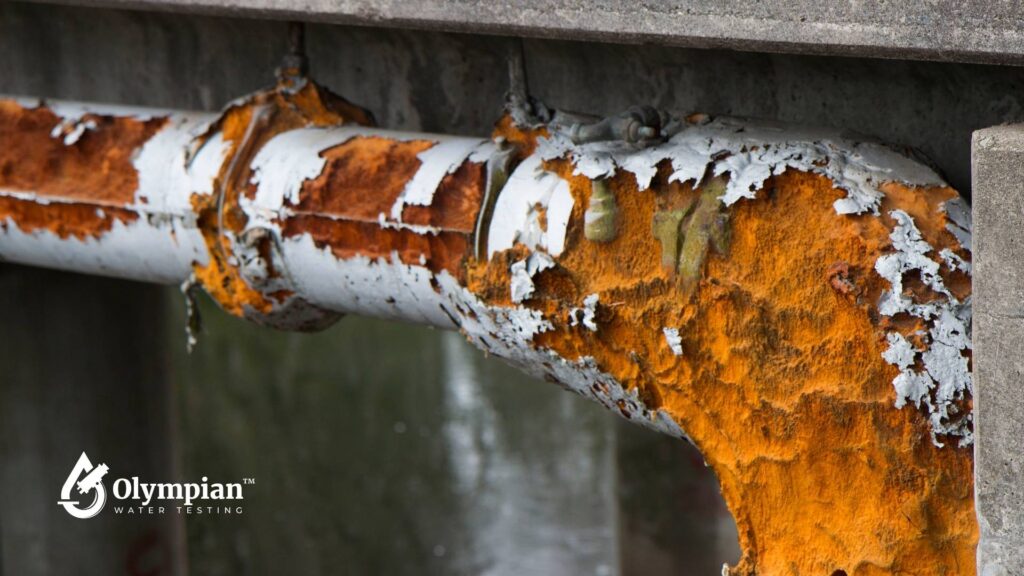
Modern filters use air injection or oxidizing media to convert soluble iron into solid particles. Layers of greensand or KDF initiate this reaction and capture the debris. Regular backwashing removes the accumulated matter, maintaining efficiency. This process improves both the taste and quality of the water, making it enjoyable to drink from the tap.
Maintaining Proper Flow Rate
Consistent flow is key to extending the life of the filtration media. A balanced rate ensures each backwash cycle effectively removes unwanted buildup. Adjusting pressure and monitoring gallons per minute prevents overloading. This care ensures a successful iron filtration process, protecting pipes from corrosion and keeping well water fresh.
Brand | Oxidation Technique | Flow Rate Range | Primary Media |
Fleck 2510 | Air Injection | 5–7 GPM | Greensand |
Pentair Iron Filter | Ozone Injection | 7–10 GPM | KDF |
Culligan High Efficiency | Oxidant Feed Pump | 6–9 GPM | Birm |
Different Types of Iron Filters
Every home faces a unique challenge when it comes to iron buildup. Some turn to greensand media for effective removal. Others opt for birm filters or KDF medium. Each solution aims to eliminate dissolved iron, improving water taste and clarity.
Greensand Filters
Greensand filters employ a manganese oxide coating to accelerate iron conversion. Potassium permanganate is often used as a regenerant. This method is effective against moderate to high iron levels, but regular maintenance is essential for optimal performance.
Birm Filters
Birm filters depend on dissolved oxygen to oxidize iron. They operate without chemicals, saving on costs. Ensuring the right pH and oxygen levels is key to their efficiency.
KDF Filters
KDF filters utilize a redox reaction to target iron and other contaminants. The KDF medium may also inhibit certain bacteria, further improving water quality. Many choose to combine it with sediment filters for enhanced protection.
Sizing an Iron Filter for Your Household
Choosing the right iron filter size is essential for meeting household needs. Some filters handle moderate iron levels, up to 7 parts per million. Others can manage up to 30 ppm. Assessing your home’s well water flow rate is key to understanding how fast water needs to be processed.
A filter that’s too small might not filter all the water. On the other hand, a filter that’s too big could waste energy and media. It’s important to match the filter size to your actual water usage. This ensures every faucet in your home gets clean water.
To find the perfect iron filter capacity, you need to know your peak usage and contamination levels. A detailed test will show how much iron is in your water. Then, you can choose a filter that matches your needs. Resources like this guide from Ecosoft can help calculate your well water flow rate.
Getting the sizing right keeps your water fresh without overloading your system. With careful planning, you can ensure your water quality remains high every day. This is the goal for many homes when it comes to iron filter capacity.
Installation Considerations
Creating a detailed plan is key to a successful DIY iron filter installation. Many opt for Fleck systems for their reliability. Ensuring the right size and location is critical, as every drop of water will pass through the filter.
Pressure levels are vital for backwashing and regeneration. The media inside these filters needs strong flow to effectively remove iron residues. A drain that can handle waste water is also essential to avoid overflow.
Assessing Water Pressure
Water pressure checks are necessary to ensure the iron filter operates efficiently. Low pressure can hinder the rinsing of trapped contaminants. It’s important to measure pressure at different times and note any changes due to other appliance use.
Selecting the Right Location
Installing iron filters near the pressure tank ensures consistent flow. This location also makes maintenance easier. Avoiding distant locations is beneficial, as it keeps the filter close to main water lines. A convenient spot simplifies media replacement and future repairs.
Pre-Filtration Steps
Starting with coarse particle capture is key in preparing wells for iron treatment. Pre-filtration acts as a barrier, blocking sand, silt, and other debris before they reach the main system. This step protects sensitive components and enhances overall system performance.
A sediment filter is essential for areas with significant sand buildup. Placing it upstream prevents unwanted matter from clogging the media bed. It ensures consistent water flow, making each treatment stage more reliable.
Property owners have a choice between a simple spin-down filter and cartridge-based models. Both types reduce maintenance by catching bulk matter early. Regular maintenance and prompt cleaning are essential for smooth operations. This approach helps clean well water efficiently, minimizing interruptions and lowering costs.
Regular filter inspections prevent clogs that can impact water pressure. This step ensures healthy water distribution across faucets and appliances, reducing the risk of expensive repairs. Users often notice a steadier flow, which extends the filter’s lifespan.
Common Maintenance Practices
Every system thrives when each part is cared for. Routine maintenance for iron filters extends their lifespan and preserves water quality. Small steps, taken often, keep trouble at bay and ensure water flows at the right pressure. In many cases, these tasks are easy to handle at home.
A consistent backwash cycle removes trapped rust and sediment from the filter bed. Some setups rely on frequent flushing, while others work with weekly intervals. Checking buildup levels helps decide the best schedule for each household. This routine step boosts overall filtration reliability.
Iron filter media replacement refreshes the system’s core. Common materials can last several years, though water composition and usage patterns may shift that timeframe. Prompt attention to worn beds avoids dips in filtration efficiency. Fresh media ensures a stable and consistent supply of cleaner water.
Guarding pressure stability is vital for steady operation. A strong pressure tank prevents strain that could interrupt flow or damage plumbing. It pays to inspect valves, fittings, and gauges, as early fixes can reduce costly repairs. This extra care prolongs the unit’s service life.
Maintenance Task | Suggested Interval | Key Benefit |
Backwashing | 3 days to 1 week | Clears iron buildup |
Media Replacement | Every 5–10 years | Maintains filtration quality |
Pressure Tank Inspection | Yearly | Prevents pressure drops |
Troubleshooting Common Issues
Slime build-up, misaligned control valves, or clogging from excessive iron can interrupt normal flow. Staying mindful of recent changes aids in iron filter troubleshooting and helps pinpoint hidden complications. Consistent performance demands regular upkeep of critical parts to prevent blockages and restore clear water.
Careful steps are key when diagnosing iron filter problems and uncovering sources of unexpected discoloration. Testing for bacterial iron is one strategy if a slimy layer appears on filter media. A short maintenance checklist includes:
- Inspecting backwash settings and frequency
- Verifying control valves remain accurate
- Examining iron content through updated water tests
Persistent stains on sinks or a lingering odor may signal the need for fresh media or a disinfecting procedure. Water discoloration fixes often require adjusting regeneration cycles or evaluating water conditions for sudden surges in iron levels. Timely measures reduce downtime and safeguard overall well efficiency.
Comparing Iron Filters to Other Treatments
Well owners facing rust stains or metallic tastes seek specific solutions. Some softeners handle low iron levels, but higher concentrations need dedicated iron filters. This is key for protecting appliances and ensuring steady water flow.
Specialized filters use media to target ferrous and ferric iron, preventing pipe buildup. They aim to maintain water quality, preventing rust issues from escalating. Many prefer this for its effectiveness and reduced maintenance.
Salt-Based Softeners Versus Iron Filters
Water softeners and iron filters have different focuses. Softeners tackle hardness minerals, managing minor iron content. But, they require more salt and frequent regenerations for high iron levels.
Iron filters, on the other hand, oxidize and capture higher iron concentrations. They reduce red stains and odors in wells with significant iron. Homeowners can choose based on their water issues and long-term needs.
Cost Considerations and Budgeting
Buying an iron filter demands careful planning. The cost varies based on the system’s design, capacity, and installation ease. Advanced systems can remove up to 30 ppm of iron but are pricier. Basic setups might be cheaper but struggle with severe iron problems.
When planning your budget, consider the long-term benefits. Frequent repairs and replacements can be costly. Investing in a reliable iron filter can save you money by preventing damage to your home’s plumbing and appliances. Some opt for financing or seasonal discounts to manage costs without financial hardship.
Here’s a comparison of estimated costs and features:
Filter Type | Approximate Cost Range | Removal Capacity |
Birm Filter | $300 – $700 | Moderate Iron Levels |
Katalox Light | $800 – $1,200+ | High Iron and Sulfur Levels |
Air Injection | $1,000 – $2,000+ | Up to 30 ppm Iron |
Safety Precautions for DIY Installation
Those opting for a DIY iron filter installation at home must adhere to critical safety guidelines. A well-planned approach is key to a safe setup and minimizes risks of accidents or chemical exposure.
Protective Gear
When working with chemical media or cleaning solutions, protective gear is essential. Goggles protect the eyes from debris, while gloves prevent skin irritation. Respirators or masks are also necessary for handling strong fumes.
Ensuring Proper Drainage
It’s vital to check local building codes for drain capacity to ensure smooth operation. A dedicated line can handle backwash volume, reducing the risk of overflow. Regular inspections are necessary to maintain the system’s functionality and safety.
When to Seek Professional Assistance
For some well owners, dealing with more than just a slight discoloration or metallic taste is a reality. Severe iron bacteria or unpredictable test results often necessitate professional water testing. This thorough analysis uncovers hidden threats like heavy metals or harmful microorganisms.
Those with large households, unique plumbing setups, or older pipes may require advanced iron filtration. A specialist will assess if complex systems are needed. This could include reverse osmosis units or UV purification lights. Ensuring proper connections and system design is key to protecting both property and health.
Complex installations demand a certified plumber with expertise in advanced filtration equipment. This professional ensures a smooth process, secures vital components, and guarantees compliance with local regulations. It offers peace of mind, knowing that experts handle each step. They can address unforeseen issues promptly, preventing costly repairs later on.
Long-Term Benefits of Quality Iron Filtration
A reliable filtration system offers peace of mind for families. It prevents iron deposits, which can clog pipes and appliances. Lower iron content is linked to tastier meals and beverages, and it helps reduce dryness on skin and hair.
High-quality iron filtration enhances daily routines. It improves water clarity and preserves the natural flavors of coffee, soups, and teas.
Improved Water Taste
When unwanted minerals are blocked, fresh flavors emerge. Chefs and home cooks enjoy purer ingredients. Guests also appreciate less metallic taste in their drinks. This improvement boosts satisfaction in kitchens across America.
Reduced Plumbing Corrosion
Corrosion reduction means less strain on faucets and valves. Metal parts last longer without rust complications. This leads to fewer leaks and repair costs. It safeguards an investment in household infrastructure.
Advantage | Outcome | Impact |
Better Flavor | Less Metallic Taste | Enhanced Drinking Experience |
Fewer Repairs | Less Rust Buildup | Lower Maintenance Costs |
Stable Quality | Consistent Filtration | Relief From Heavy Metals |
Final Thoughts on Iron Filtration for Private Wells
Many homeowners rely on private well water for everyday living. This iron filtration wrap-up highlights the need for a proactive approach. Even harmless levels of iron can escalate without consistent testing. Monitoring water quality changes helps prevent plumbing corrosion and unsightly stains.
Regular evaluations provide home water protection, preserving taste and peace of mind. The right filter and proper sizing act as a barrier against harmful particles. Routine upkeep removes buildup, extending system life. Seeking professional help for complex challenges is essential.
This commitment safeguards the home’s value and delivers clean results. Attentive care and smart filtration choices ensure a healthier environment for those reliant on private supplies.
FAQ