

Common Elements Found in Well Water
Many well systems contain calcium, magnesium, and iron, which can linger after routine filtration. These compounds bond with soap, causing hard water dryness and sticky films on sinks and tubs. Rust-like stains near faucets often reveal excess iron, while a strong smell might indicate sulfur in the supply. Mineral buildup sometimes appears as a chalky residue, hinting at deeper imbalances. Each element shapes the water’s character, leaving visible signs around the home.
Persistent hard water dryness might worsen if these elements go unchecked. This dryness is tied to mineral buildup, which can weaken natural moisture balance and leave skin flaky or inflamed. Routine testing under guidelines provided by the United States Environmental Protection Agency (EPA) can help pinpoint specific elements. Monitoring the scale of mineral buildup provides clues about pH disruptions. By tracking these levels, homeowners hold the power to adjust water treatment strategies and protect sensitive skin.
How Natural Minerals Affect Skin Health
Well water often contains minerals that can harm the skin’s natural barrier. Those with a hard water allergy may experience itchiness or tightness after bathing. A pH imbalance can make dryness worse, leading to flaking skin.
Trace minerals are worth examining before taking any steps.
Trace Minerals and Their Role in Irritation
Minerals like nickel, zinc, and copper can cause flare-ups in those prone to rashes. Eczema sufferers often see increased redness or an uncomfortable itching sensation with prolonged exposure.
Mineral | Impact on Skin | Possible Filter |
Nickel | Contact dermatitis | Reverse Osmosis |
Copper | Redness or dryness | Carbon Filtration |
Iron | Discoloration, rough texture | Oxidizing Filters |
Strategies to Reduce Mineral Buildup
Some opt for Culligan water softeners to manage mineral levels. Others prefer Aquasana shower filters with layered media to catch irritants. A daily skincare routine, including emollient lotions, can help lock in moisture even when minerals cling to the surface.
- Use mild cleansers to prevent dryness
- Check your water quality at regular intervals
- Limit high temperatures during showers
Identifying Signs of Skin Irritation Caused by Well Water
Many individuals notice unexpected dryness or itching after routine bathing. A closer look can reveal symptoms that hint at mineral-heavy water. Those with sensitive skin may experience heightened discomfort, including persistent redness or tightness across frequently exposed areas.
Common Symptoms of Mineral-Related Irritation
Some people report rough patches or flaky spots that seem to appear overnight. Itching in these areas often intensifies when residue lingers on towels. Those signs often arise when chemicals and minerals remain on the skin. Bacterial contamination can become a serious concern, leading to blotchy rashes that refuse to fade.
Spotting Changes in Skin Texture
Slight peeling or an unusual tightness can point to deeper dryness. Individuals dealing with sensitive skin frequently notice small bumps or chafed spots around the hands and neck. Persistent patches signal a need for closer attention to water quality.
Symptom | Possible Indicator |
Redness | High mineral content or bacterial contamination |
Itching | Dryness linked to minerals in water |
Small Bumps | Potential sign of contamination |
Why Well Water Causes Skin Irritation
Well water often contains harder minerals that pass through without being filtered. These minerals accumulate over time, causing buildup in pipes and on skin. This repeated contact can weaken the skin’s outer layer, leading to dryness and redness.
Low monitoring standards allow contaminants that can inflame sensitive areas. Unregulated treatment and inconsistent quality heighten the risk of skin irritation. Exposure to impurities can compromise the skin’s defenses, causing flaky patches or ongoing discomfort.
Regular maintenance can reduce mineral buildup and prevent skin irritation. Owners benefit from routine checks to ensure safe use for daily tasks. Timely care helps avoid excessive dryness and maintains a healthier complexion in homes reliant on well water.
The Impact of Water pH on Dry Skin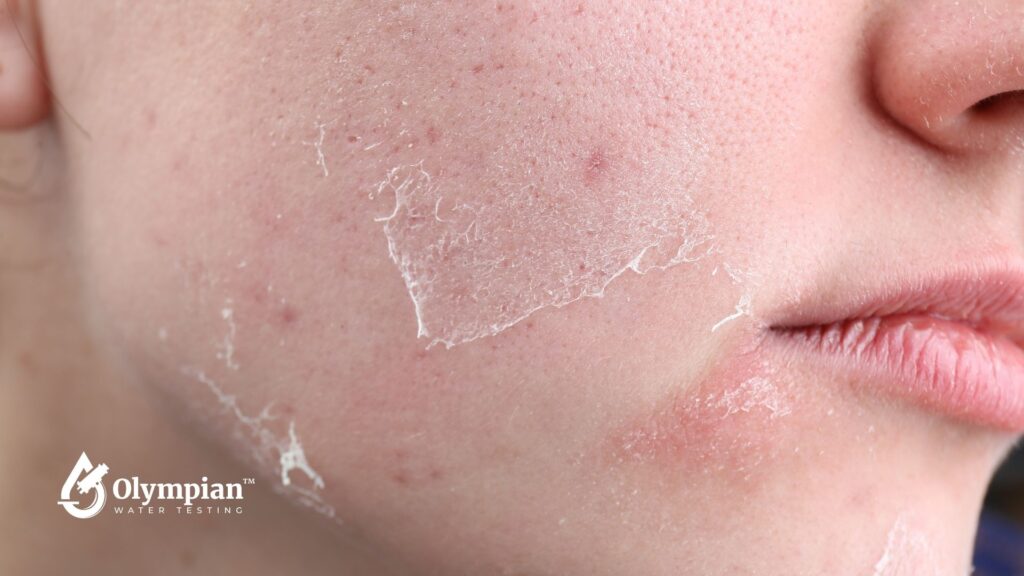
Many households experience dryness due to alkaline water sources. This condition removes natural oils from the skin’s surface, increasing sensitivity. A mild pH imbalance can significantly improve comfort by affecting the skin’s outer layer, which is vital for hydration. Testing the water’s acidity or alkalinity range offers valuable insights for those seeking to alleviate dryness or discomfort in their daily routines.
High pH vs. Low pH: Effects on Moisture Levels
Bathing with high-pH water often results in tight or flaky skin. On the other hand, low-pH water may cause less oil stripping but can sometimes lead to mild irritation. Balanced levels are key to maintaining a protective barrier, which helps retain moisture throughout the day.
Simple Tests for Determining pH
Checking water quality begins with simple at-home methods. Many homeowners use water testing kits that include strips or digital meters. These tools provide clear readings, confirming if a pH imbalance contributes to prolonged dryness. Monitoring data over time helps in selecting solutions, such as chemical adjustments or specialized filtration.
Water Type | Key Features | Possible Remedies |
High pH Water | Strips moisture, may worsen flaky skin | Use mild cleansers, consider pH-lowering options |
Low pH Water | Less aggressive but may cause mild irritation | Monitor levels, apply gentle moisturizers |
Potential Bacterial Contaminants in Well Water
Even if water looks clear, it can harbor organisms that disrupt the skin’s natural balance. Small cracks around well caps or compromised seals allow harmful microbes to enter, causing bacterial contamination. This can lead to dryness, itching, and persistent rashes on sensitive skin.
Regular water analysis can uncover hidden threats before they cause serious problems. Disinfection methods, such as shock chlorination, help reduce bacterial contamination. This protects the skin from lingering irritation. Some households also use UV filtration for additional protection.
Steps to protect a well include:
- Sealing or repairing damaged components
- Keeping pollution sources away from the well area
A well-considered plan ensures water safety and minimizes risks. For skin comfort, eliminating bacterial issues is a critical part of water protection.
Tips for Testing Your Well Water Quality
Regular checks help households detect issues lurking below the surface. Clean sources mean healthier skin and fewer surprises. Short evaluations keep families informed and prevent lingering problems that may worsen over time.
At-Home Test Kits
Simple tools offer a quick peek into elements like hardness and pH. Water testing kits are easy to use, guiding owners through basic sampling steps. They’re cost-effective when spotting early signs of mineral imbalances.
Professional Laboratory Analysis
Labs accredited by EPA or NSF International perform detailed screenings. These facilities can uncover contaminants that strip away skin moisture. This level of precision is worth it for those who need professional advice and in-depth guidance.
Interpreting Test Results
Individuals gain confidence when they understand what the numbers mean. Safe ranges often vary by region, so local health agencies may offer valuable data. Certified experts clarify whether results suggest mild adjustments or more robust treatment.
Parameter | Possible Concern | Typical Range |
pH Level | Skin dryness or irritation | 6.5 – 8.5 |
Hardness | Mineral buildup | 0 – 180 mg/L |
Bacteria | Health risks | Zero presence |
The Role of Filtration and Water Softeners
Filtration and water softeners can significantly improve well water quality in homes. Ion exchange systems, for example, remove minerals that cause dryness. They replace these with less irritating elements, balancing the water and reducing dryness.
Whole-house filtration systems catch sediment and certain metals, preventing skin irritation. Brands like Culligan and Kinetico offer solutions that maintain water quality. They also enhance soap lather, making daily routines more comfortable.
Many people find that softened water helps keep their skin’s moisture barrier intact. Modern systems include advanced filters to protect against impurities. Regular use of these systems results in healthier, more moisturized skin, free from the residue of mineral-rich water.
Safe Bathing and Shower Habits for Sensitive Skin
Those with sensitive skin often face challenges when bath routines lead to dryness. Taking shorter showers in mild temperatures helps preserve natural oils. This approach promotes comfort and protects the skin.
Opting for water that feels balanced on the body is key. Avoiding extremely hot water prevents stress on the skin. While it might feel soothing at first, it can harm the skin’s protective layer. A gentler method reduces residue and prevents tightness.
Choosing Lukewarm Water Temperatures
Moderate heat is beneficial for hydration, aiding those with well water concerns. Excessive heat can strip moisture and irritate sensitive areas. Lukewarm water creates a calming bath environment, making cleansing more comfortable.
Avoiding Prolonged Exposure
Long baths can harm sensitive skin. Limiting shower or bath time helps the skin recover faster. Brief sessions protect against dryness and preserve natural softness.
Using Gentle Cleansers
Products without strong fragrances and synthetic dyes are best for well water skin. These formulas protect the skin’s outer barrier and enhance smoothness. Mild ingredients reduce irritation and maintain balance.
Tip | Benefit | Example |
Short Shower | Less Dryness | 5–8 Minutes |
Lukewarm Rinse | Skin Comfort | Around 98°F |
Gentle Cleanser | Reduced Irritation | Cetaphil or CeraVe |
Moisturizing and Skin Care Best Practices
Starting to combat dryness is key within minutes of stepping out of the shower. A thick, nourishing cream applied to slightly damp skin seals in hydration. This method creates a protective shield against mineral traces, supporting the skin’s natural barrier.
Adopting a consistent moisturizing routine involves using lotions with ceramides and hyaluronic acid. These ingredients enhance elasticity and soothe flaky patches. Fragrance-free formulas are often preferred as they reduce redness and prevent itchiness.
Hydration is not just for the face; it’s essential for arms, legs, and dry areas. Gently patting skin with a towel and avoiding harsh scrubbing motions protects sensitive spots. Applying balms or ointments on elbows and knees can help combat roughness.
Reapplying cream at bedtime is a daily care practice. A solid moisturizing routine before sleep ensures calm skin by morning. It promotes a smooth, resilient feel all day long.
When to Seek Professional Advice
If you notice dryness or itching that keeps coming back, it’s time to seek professional help. A quick check can uncover hidden issues and prevent problems from getting worse. Redness or cracked skin might indicate a deeper health concern, not just a water issue.
Dermatological Consultation
A dermatologist can provide specific care for long-lasting rashes or scaling. They can determine if minerals or contaminants are causing the issue. They offer treatments and advice on maintaining a consistent skincare routine. A simple check can reveal if the problem is more complex than just water exposure.
Plumbing and Water Specialist Services
Well water systems are complex. A licensed professional can find and fix weak points, like faulty seals or buildup in pipes. Homeowners might also consult filtration experts for detailed testing and tailored solutions. A thorough review can prevent future issues and promote healthier skin. Working closely with specialists ensures recommendations fit your home’s specific needs.
Common Misconceptions About Well Water
Many property owners believe wells provide pure water without needing regular checks. This belief can lead to overlooked mineral imbalances. Public treatment systems follow strict guidelines, but this doesn’t ensure perfect skin tolerance. Science shows that testing is the best way to confirm safety, dispelling myths about well water’s quality.
Some people believe that if water looks clear, it’s free of contaminants. Yet, invisible elements can irritate sensitive skin. The following myths are prevalent:
- Wells always produce healthier water than city systems.
- Filtration is optional once the water tastes normal.
“Routine analysis helps safeguard water quality and overall health.” — U.S. Environmental Protection Agency
Addressing these misconceptions about well water promotes proactive testing, proper filtration, and informed care. This supports healthier skin.
Choosing the Right Skincare Products for Well Water Users
Mineral-rich water can counteract the soothing effects of some cleansers. A balanced skincare routine is essential to restore moisture and alleviate itching or roughness. It’s critical to choose products that protect the skin’s barrier, which is vital for well water users.
Opting for gentle formulas can prevent dryness caused by minerals. Brands like CeraVe, La Roche-Posay, or Aveeno offer mild cleansers that cleanse without harsh chemicals. These brands provide non-irritating solutions that hydrate and calm stressed skin.
Ingredients to Look For
Ingredients like glycerin, aloe vera, or colloidal oatmeal are beneficial. They attract water to the skin and reduce irritation. Glycerin retains hydration, aloe vera soothes, and oatmeal reduces redness. These elements help guide the skin towards a healthier state.
Products That Help Balance Skin pH
pH-balancing toners and mildly acidic lotions are key to maintaining moisture and reducing dryness. Formulas from Neutrogena or Eucerin often help preserve a favorable pH level. A few drops of a pH-correcting spray can prime the skin for the next steps in a well water skincare routine, adding an extra layer of protection against mineral buildup.
Moving Forward with Healthier Skin
Homeowners with sensitive skin often find relief by testing their well water. They then install solutions like filtration or softener systems. These steps help reduce harsh minerals and balance pH levels.
Daily practices are also key. Using gentle cleansers and hydration-focused products soothes irritation. It keeps the skin barrier strong.
Brands like Culligan or Aquasana offer purification options for different homes. Regular water testing is essential to catch any quality changes early. Simple habits, such as shorter showers and lukewarm water, protect moisture levels.
Adopting healthier skin steps means choosing the right products and checking water regularly. For those with persistent dryness or flare-ups, a dermatologist’s advice is invaluable. This holistic approach can lead to clear, nourished skin, even with well water.
FAQ