
Understanding the Historical Water Challenges
Early attempts at ensuring safe drinking water in Middlesex County were hindered by old pipelines and basic treatment methods. These aging systems were often leaky, sparking fears of contamination. Health officials’ initial concerns led to community discussions aimed at improving water quality.
Residents were worried about PFAS contamination, calling for stronger oversight and reliable testing. Local leaders started following guidelines to meet WQAA compliance. These guidelines pushed for better infrastructure planning and consistent practices.
“Water management requires persistent vigilance from local agencies and the public alike.” – Gina McCarthy, Former EPA Administrator
Research over decades shows that EPA regulations were updated due to rising contamination from industrial growth. Hydrant flushing procedures became key to preventing stagnant water. Municipalities also installed updated filtration systems to block pollutants, boosting public health protection.
Today, efforts to address past imbalances are ongoing. Leaders continue to stress WQAA compliance as a cornerstone for safe drinking water, building on past progress.
Key Event | Year | Result |
Public Demand for Safe Drinking Water | 1960s-1970s | Increased Testing Methods |
Hydrant Flushing Procedures Initiated | 1980s | Reduced Pipeline Sediments |
WQAA Compliance Implementation | 2007 | Stricter Water Quality Standards |
Early Water Testing Methods
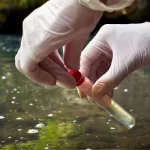
In the past, communities grew concerned about pollutants that could harm their drinking water. Officials tried to find contaminants using simple methods, focusing on broad risks to public health. They looked for color changes, sediment, and basic signs, but these methods were limited.
As time went on, volunteers helped with water sampling, leading to more awareness. This grassroots effort showed the importance of formal guidelines, which evolved into today’s standards. The push for WQAA compliance led to more advanced tests, including for PFAS contamination and other dangers.
Basic Chemical Analysis
Local agencies, like the New Jersey Department of Environmental Protection, started basic chemical analysis. They checked pH levels and looked for hazardous metals. These steps followed EPA rules, leading labs to improve their methods. Early tests helped build trust among residents, who used the results for hydrant flushing and maintenance.
"Community health relies on accurate sampling and clear transparency," said a leading water expert. "Without these basic tests, even advanced solutions might not protect the public."
Community Involvement
Residents attended public forums and shared their concerns about water quality. They helped with regular sampling, guiding official oversight. This teamwork strengthened partnerships between municipalities and stakeholders. It also pushed for better disinfection practices, making safe drinking water a top community goal.
Infrastructure Developments Over Time
In Middlesex County, water providers have launched projects to enhance public health. Networks have evolved from basic distribution to advanced pipelines. These advancements ensure safe drinking water standards are met. Modern materials reduce leaks and protect against PFAS contamination, showing a dedication to cleaner systems.
Utilities collaborate with state and federal agencies to adhere to WQAA compliance standards. They conduct hydrant flushing procedures regularly. This effort minimizes stagnation and maintains consistent flow, improving water clarity and reliability in urban areas.
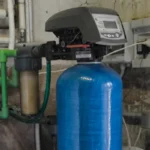
Treatment plants have been updated to comply with EPA regulations. This reflects a shared commitment to consumer health. New purification methods use upgraded hydraulics to enhance pressure and efficiency. These improvements signify a county-wide pledge to keep innovating. This ensures that households and businesses can rely on quality resources.
Modern Regulations Shaping Water Quality
New laws and directives aim to preserve safe drinking water across both urban and rural regions. Public agencies set stringent guidelines that close infrastructure gaps while safeguarding individuals from hidden risks.
Under EPA regulations, utilities face stronger policies that limit PFAS contamination. Operators invest in advanced treatment technology to remove toxic substances, which helps them meet strict safety benchmarks. Water managers include hydrant flushing procedures in routine schedules to maintain system integrity. This EPA reference showcases emerging methods that keep communities informed.
Federal Standards Impact
Ongoing federal oversight influences local decision-making. Upgrades in filtration systems reduce harmful elements and improve public trust. Budget allocations for these initiatives may be considerable, yet they remain vital for long-term well-being.
State-Level Requirements
WQAA compliance bolsters community accountability. Agencies conduct systematic inspections of valves, pipes, and pumps, confirming they meet advanced standards. Citizen support emerges as a key factor, aligning each improvement with broader goals for healthy neighborhoods.
- Frequent testing speeds up threat detection
- Improved equipment lessens unexpected disruptions
Local operators often collaborate with authorities to ensure that modern upgrades follow public demands. Open communication channels encourage active engagement, creating collective ownership of water management strategies.
Regulatory Aspect | Goal | Outcome |
PFAS Protections | Lower exposure | Better public health |
Water Audits | Accurate data | Proactive maintenance |
Public Awareness and Education Initiatives
Public involvement is key to fostering better water habits. Local groups and educators teach us how to use water wisely. They emphasize the dangers of PFAS contamination and offer simple ways to keep our water safe from harmful chemicals.
State officials provide guidelines that align with WQAA compliance standards. They aim to educate us on the basics of safe drinking water. Through information sessions, they explain the importance of water resources and the significance of annual quality reports.
Community outreach efforts include workshops and online tutorials. People learn about hydrant flushing procedures, which clean out sediment and maintain water pressure. They also discover water-saving tips, such as collecting rainwater and using non-toxic alternatives for home maintenance.
Newsletters and social media updates keep families informed about upcoming water testing dates. These platforms detail local progress on EPA regulations, making complex rules easier to understand and apply. This openness fosters trust and cooperation among community members.
Tips for Ongoing Education:
- Attend neighborhood meetings for real-time data on water testing.
- Review official websites for helpful resources.
- Encourage neighbors to adopt eco-friendly household habits.
School programs offer interactive lessons that teach children about the water cycle. Guest speakers explain why local testing phases are important and why changes in water color or taste should be addressed promptly. This shared knowledge helps foster good habits and prepares communities for unexpected challenges.
When people grasp the significance of these initiatives, they feel empowered to protect their water supply. Continuous education and open dialogue are essential for a healthier future for every household.
Importance of Water Testing Middlesex County for Drinking Water Safety
Routine inspections protect neighborhoods from PFAS contamination. They detect threats that endanger safe drinking water. This supports WQAA compliance, prompting action when hazards arise. Early detection preserves infrastructure.
Understanding Health Risks
Contaminants like lead or bacteria raise concerns among residents. EPA regulations push for rigorous testing to lower illness rates. Signs of exposure may be subtle, highlighting the need for thorough analysis.
Residential vs. Commercial Testing
Residential sites often require routine sampling, while large businesses follow stricter timelines. Hydrant flushing procedures remove sediments, improving pressure and clarity. Consistent checks confirm thorough results, reducing recontamination. Middlesex County communities benefit from precise planning that safeguards health standards.
Emerging Technologies and Innovations
Advanced tools are transforming the way local suppliers ensure water reliability. New platforms detect microscopic pollutants, safeguarding safe drinking water and adhering to WQAA standards. Digital dashboards and automated alerts prevent PFAS contamination. Hydrant flushing procedures meet EPA regulations, reducing risks.
Innovation leads to adaptable solutions. Smart sensors collect data remotely, detecting subtle changes in water chemistry. These devices, embedded in pipelines and treatment stations, send data wirelessly. Engineers use this data to adjust processes or deploy targeted responses, preventing issues from escalating.
Smart Sensors
Utilities install sensor arrays to measure conductivity, pH levels, and trace elements. Real-time feedback empowers decision-makers to act swiftly. These sensors often connect to mobile apps, streamlining oversight and enabling rapid action. This results in better control over contamination and improved public health.
Real-Time Monitoring
Continuous observation enhances water management. Automated monitors provide updates on flow rates, temperature, and dissolved oxygen. Field technicians receive timely notifications, optimizing treatment cycles. Early warnings reduce downtime, lower costs, and increase public trust. This constant monitoring elevates water quality standards.
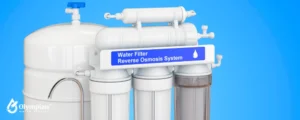
Filtration technology is also advancing. Compact membranes filter at the molecular level, without increasing system complexity. Digital tools track these processes, reducing human error. Ongoing research uncovers new methods to protect communities worldwide.
Balancing Environmental Conservation with Urban Growth
As urban areas in Middlesex County expand, the need to address PFAS contamination and maintain WQAA compliance grows. Local authorities focus on sustainable building practices. They prioritize ensuring safe drinking water for all residents.
Effective strategies include:
- Implementing robust hydrant flushing procedures to remove sediment and prevent corrosive buildup
- Effective stormwater management to protect habitats in developing areas
- Thorough resource evaluation in partnership with local leaders
Following EPA regulations is a cornerstone in planning discussions. These efforts aim to minimize harm to waterways as new projects emerge. A gradual, thoughtful approach safeguards local ecosystems and residents. This balance fosters healthier land use, community engagement, and environmental stewardship for future generations.
Looking Ahead to a Sustainable Middlesex County
Innovative planning is shaping a bright future for Middlesex County. Local initiatives address PFAS contamination with advanced filtration. Hydrant flushing procedures help clear unwanted buildup. Upgraded systems protect residents and businesses by delivering safe drinking water.
Leaders endorse WQAA compliance while modernizing infrastructure and replacing aging water lines. Strict adherence to EPA regulations supports ongoing testing and fosters public trust. This combined effort from government, communities, and research teams secures valuable water resources.
Upgrades in filtration technology and lead pipe replacements highlight a broader commitment to public welfare. Each project strengthens resilience and keeps pace with shifting demands. Infrastructure modernization promises a healthier environment for families and businesses.
Focused asset management programs blend innovation with environmental stewardship. That approach fortifies readiness for emerging challenges and aligns with a shared vision for a thriving community.
FAQ
Why is Middlesex County’s historical approach to water supply relevant today?
Understanding the challenges of older infrastructure and limited testing methods offers insights into water quality evolution. This perspective highlights the need for modern upgrades, like advanced filtration systems for contaminants like PFAS, to protect public health.
How did early communities in Middlesex County first begin to address water quality challenges?
Residents and municipalities worked together to establish initial regulations when contaminants were detected. This grassroots effort paved the way for more sophisticated testing and contemporary water safety standards.
What role did early chemical testing methods play in shaping current regulations?
Initial tests focused on metals and bacteria, laying the groundwork for today’s water analysis. Over time, municipal collaboration and public demand led to more rigorous, science-based testing protocols.
How has Middlesex County modernized its water infrastructure over time?
Infrastructure developments include upgrading pipelines, improving treatment facilities, and adopting advanced hydraulics. These improvements minimize leakage and address issues like lead contamination, boosting reliability and public confidence.
Which regulations have the strongest effect on Middlesex County’s water quality standards?
The Environmental Protection Agency‘s (EPA) upcoming PFAS limits and New Jersey’s Water Quality Accountability Act (WQAA) have a significant impact. These guidelines require regular inspections, testing, and system enhancements, ensuring a proactive approach to water safety.
How do local residents stay informed about proper water usage and contaminant disposal?
Water utilities and government agencies conduct public outreach programs and publish annual quality reports. They share user-friendly resources, empowering community members with knowledge on best practices and PFAS-related concerns.
Why is consistent water testing so critical for public health in Middlesex County?
Routine testing detects contaminants like PFAS and lead before they pose risks. This ensures residents and commercial establishments are updated on new guidelines and filtration options, bolstering confidence in the local water supply.
What emerging technologies optimize water quality testing and monitoring?
Innovative solutions include smart sensors for real-time data and advanced membrane filters for trace pollutant removal. These technologies enable water utilities to rapidly adjust treatment processes and mitigate contamination concerns.
How does Middlesex County balance ongoing development with environmental protection?
The county employs robust stormwater management, hydrant flushing procedures, and strict oversight of infrastructure expansions. Through public-awareness campaigns and intergovernmental partnerships, Middlesex County integrates growth with nature conservation.
What measures ensure Middlesex County remains resilient against future water challenges?
Efforts include compliance with the WQAA, continuous infrastructure modernization, and embracing innovative testing technologies. By investing in these areas and learning from past shortcomings, Middlesex County is well-positioned to uphold safe drinking water standards for its growing communities. These initiatives not only enhance the reliability of water supply but also foster transparency and community trust. Residents are encouraged to stay informed by reviewing Middlesex County water quality facts, which detail ongoing improvements and standards. This commitment to excellence ensures that the county can meet future demands while prioritizing public health and safety.