Historical Water Sources in Early Staten Island
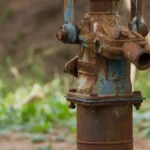
Early settlers on Staten Island relied on wells and springs for their daily needs. The lack of advanced plumbing and drainage made these sources indispensable. As the population grew, so did the pressure on these historical water sources, raising concerns about their purity and reliability.
Local communities understood the importance of regular inspections. Poor sanitation in some areas posed significant health risks. This led to the establishment of stricter guidelines to protect wells and springs from pollution. This shift was a critical step in safeguarding the well-being of the borough.
Local Wells and Springs
Each neighborhood had its own unique water sources, ranging from shallow wells to deeper aquifers. Responsible practices and modest conservation efforts helped maintain water quality. The collective efforts of small communities ensured a vigilant approach to water management.
Community Impact on Early Water Quality
Residents were quick to respond to water contamination issues. The combination of limited infrastructure and a rapidly growing population highlighted the fragility of these historical water sources. This situation prompted discussions about the need for more robust protection measures.
Source | Location | Notable Challenge |
Old Town Spring | Old Town | Seasonal Drought |
Tottenville Well | Tottenville | Possible Bacterial Contamination |
Industrialization and Pollution Challenges
The shoreline of Staten Island experienced a surge in manufacturing sites during the nineteenth century. This shift towards mass production led to the release of chemicals, dyes, and metallic waste into local waterways. Such harmful industrial pollution posed a threat to both wildlife and human health.
Key Consequences:
- Contaminated habitats that restricted fish reproduction
- Significant drop in marine biodiversity
- Increased public concern about toxic runoff
Rise of Factories on the Shorelines
Enterprises like Standard Oil constructed plants, leading to frequent waste runoff. This tainted discharge harmed nearby waters and damaged aquatic ecosystems. The result was long-term habitat loss.
Effects on Marine Ecosystems
The populations of oysters, mussels, and other mollusks plummeted with increased industrial pollution. Corrosive chemicals caused physical deformities and disrupted food chains. This had a ripple effect across the coastal environment.
Pollutant | Primary Source | Marine Impact |
Heavy Metals | Factory Discharges | Bioaccumulation in Fish |
Dyes and Solvents | Chemical Plants | Toxic Algal Blooms |
Oil Residues | Refining Operations | Coated Shoreline Habitat |
Government Initiatives and Regulation Milestones
City and state leaders have implemented stricter oversight to combat water threats. Early reforms encouraged collaboration among lawmakers, health experts, and local agencies. These efforts laid the groundwork for government water regulations aimed at tackling contamination at its source and ensuring thorough testing.
Federal guidelines have established a strong foundation for safe drinking water, with each update addressing new challenges. The Safe Drinking Water Act, for instance, mandates continuous monitoring. Local programs, on the other hand, focus on region-specific hazards. The New York City Department of Environmental Protection employs advanced methods to protect Staten Island residents from risks.
Key milestones in water protection underscore the importance of transparency, accountability, and public engagement. This collective strategy fosters long-term security, demonstrating the impact of government water regulations on healthier communities.
Modern Drinking Water Infrastructure in the United States
Cities nationwide rely on strategic investments in new pipelines and robust water mains. They also conduct rigorous quality checks. This modern water infrastructure protects public health and ensures consistent access to clean water. Organizations like the Environmental Protection Agency set guidelines to safeguard consumers from harmful contaminants.
Municipal Water Treatment Systems
Municipal plants use multi-step procedures to remove bacteria, chemicals, and sediment. The process includes coagulation, sedimentation, and disinfection. It’s followed by careful testing to verify its effectiveness. Communities benefit from centralized management, which promotes uniform standards.
Advanced Filtration and Safety Protocols
Filtration technologies use membranes, carbon layers, and specialized resins. These filters eliminate heavy metals, volatile compounds, and pathogens. Safety measures include frequent sampling to address any shift in source quality. Federal oversight encourages timely upgrades to keep systems resilient against new threats. This highlights the importance of modern water infrastructure across diverse regions.
Emerging Contaminants and Health Concerns
Water resources are facing new challenges as novel pollutants evade traditional filtration methods. Scientists and public health experts are closely monitoring these emerging contaminants to ensure our drinking water remains safe. Despite their efforts, unknown risks continue to pose a threat. As research uncovers these hazards, public awareness grows, prompting calls for enhanced monitoring protocols.
Pharmaceutical Residues
Drugs, both over-the-counter and prescription, can find their way into waterways through household waste or runoff near urban areas. This includes traces of hormones, antidepressants, and opioids, which complicate treatment systems. Regulatory bodies, such as the U.S. Environmental Protection Agency, are assessing these residues to safeguard vulnerable populations.
Heavy Metal Residuals
Lead, arsenic, and mercury are present in aging pipelines, industrial runoff, and natural deposits. High levels of these contaminants can lead to serious health issues, including organ damage and impaired development. Testing programs are in place to detect early signs and guide communities towards safer water options.
Contaminant | Potential Source | Reason for Concern |
Pharmaceutical Residues | Household Waste, Runoff | Hormonal Imbalance, Drug Resistance |
Heavy Metal Residuals | Aging Pipes, Industrial Sites | Organ Damage, Developmental Risks |
Water Testing in Staten Island
Clean, reliable water is essential for health and confidence in communities. Staten Island focuses on tests that ensure water safety and identify concerns. Laboratory tests detect hidden threats early, preventing larger problems.
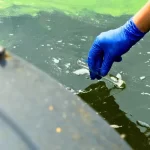
Certified labs follow strict U.S. protocols. Experts collect samples with sterile tools and analyze them under controlled conditions. They closely examine trace metals, microbial contaminants, and chemical residues. This ensures reports are transparent, affecting daily life.
Accredited Laboratories and Methods
- EPA-approved guidelines: Labs adhere to established procedures for consistent and accurate results.
- Advanced instrumentation: Techniques like mass spectrometry detect even the smallest toxins.
Frequency and Best Practices
Regular water tests are vital for maintaining safety in homes and businesses. Consistent testing builds trust in the water supply. It encourages proactive measures for household faucets and pipes.
- Annual testing: Recommended for families and public buildings.
- Seasonal follow-ups: Crucial in areas prone to floods or sudden changes.
Restaurants and healthcare centers often schedule specialized tests. These actions protect public health and emphasize preservation.
Parameter | Possible Impact | Suggested Interval |
Bacteria | Gastrointestinal Disorders | Every 12 Months |
Lead | Neurological Risks | Every 12–24 Months |
Nitrates | Infant Methemoglobinemia | Every 12 Months |
Technological Advances in Water Monitoring
Modern tools have revolutionized the monitoring of water safety. Innovations include the use of smaller sensors and cloud-based interfaces. These advancements enable the detection of contaminants in real-time. This shift is critical, as it reduces the risk of water contamination before it becomes a major issue.
Real-Time Remote Sensing
Remote sensors now transmit data from reservoirs and pipelines in real-time. These devices can detect even the slightest changes in pH, temperature, or turbidity. This allows public health teams to quickly dispatch experts if contamination is suspected. Such rapid response builds trust in public services and ensures swift action.
Data-Driven Decision Making
Smart analytics and forecasting models process vast amounts of data. They help identify the most critical issues, optimizing maintenance budgets. This approach, backed by technological advancements, enhances the effectiveness of long-term conservation efforts. Often, public officials collaborate with community-based programs to leverage resources across municipal boundaries.
Sensor Type | Key Benefit |
Optical Sensor | Detects organic compounds and turbidity changes rapidly |
Conductivity Probe | Monitors total dissolved solids for broader water quality insights |
Local Advocacy and Environmental Groups
Staten Island residents have come together to protect their waterways. Grassroots organizations are raising awareness about the dangers lurking in our waters. They push for action from officials to ensure our water remains safe. Through volunteer days and donation drives, they engage with their neighbors.
The Natural Resources Defense Council is actively monitoring riverbanks and tracking pollution. They share their findings with the community. Each group has its own role in environmental preservation. The focus on Staten Island water quality brings people of all ages together.
Advocates are hosting workshops to teach residents about water testing kits. They also share tips on reducing water waste at home. Collaborations with schools and city departments are common. These partnerships lead to significant improvements in Staten Island’s water quality.
Group Name | Key Initiative |
Surfrider Foundation | Beach Cleanups |
Clean Water Action | Policy Reform |
Seasonal Factors Affecting Staten Island’s Water Quality
Staten Island’s climate varies from cold winters to warm summers. Each season impacts water sources differently. Experts monitor these changes to protect aquatic life and ensure clean drinking water. They share updates on salinity and algae growth to help families stay healthy.
Winter Runoff and Road Salt
Freezing temperatures lead to increased road salt use, polluting nearby waterways. This salt raises water salinity, affecting fish and plants. It also changes water taste and can corrode pipes. Local efforts focus on reducing salt use.
Summer Algal Blooms
Long sunlight hours and warm water temperatures cause algae blooms. These blooms lower oxygen levels and create unpleasant odors. The New York City Department of Environmental Protection tests water regularly. This ensures safe water for residents all year.
Sustainability Efforts for Future Generations
Protecting water resources is a critical mission that benefits every family and neighborhood. Community members collaborate with local agencies to enhance healthy watersheds. This focus on sustainability in Staten Island emphasizes the importance of shared stewardship and responsible habits.
Grassroots programs mobilize volunteers to protect coastlines and nearby waterways. Businesses, schools, and environmental leaders unite to combat pollution. This collective effort ensures cleaner shores and fosters positive change.
Community-Led Cleanups
Volunteers participate in targeted projects to remove debris and restore habitats. Local organizations host events where residents come together to pick up litter and learn about protective measures. These activities cultivate a lasting respect for natural spaces.
Long-Term Conservation Strategies
Planners explore rainwater harvesting solutions and modern infrastructure to reduce waste. This strategy supports sustainability in Staten Island and ensures the safety of future water supplies.
- Rain Gardens help minimize stormwater runoff
- Green Roofs encourage efficient energy use
Program | Key Outcome |
Rain Barrels | Boosted water storage during dry spells |
Shoreline Planting | Improved erosion control and habitat growth |
Ensuring a Legacy of Safe Water for Staten Island
Generations in this borough depend on ongoing efforts to maintain clean water supplies. The NYC Department of Environmental Protection, local advocacy groups, and residents collaborate on projects. These projects aim to strengthen infrastructure and support ongoing research.
Modern testing methods now detect harmful compounds before they spread. This proactive approach, combined with responsible conservation, supports a lasting safe water legacy. It goes beyond meeting current demands. By keeping shorelines, beaches, and community streams healthy, individuals play a key role in reducing pollution.
Community involvement is at the heart of these initiatives. Activities like shoreline garbage drives and fresh data collection sessions educate the public. These efforts foster unity and inspire new solutions. They reinforce Staten Island’s safe water legacy and safeguard future generations from emerging threats.
FAQ
Why is consistent water testing vital in Staten Island?
Regular water testing is essential for identifying contaminants from old wells, industrial waste, and aging pipes. It gives residents peace of mind. By monitoring water quality, Staten Island ensures its tap water meets health standards and complies with new regulations. This includes rules set by the New York City Department of Environmental Protection.
How did early wells and springs in Staten Island affect modern water quality?
Staten Island once relied on wells and springs before moving to modern infrastructure. The limited resources and growing population led to contamination issues. These challenges led to stricter water regulations. Today, modern systems use lessons from these early days to provide cleaner, safer water.
What role did industrialization play in shaping Staten Island’s current pollution concerns?
The industrial boom along Staten Island’s shores introduced pollutants into local water sources. This harmed marine ecosystems. Today’s water treatment programs aim to reduce chemicals, heavy metals, and other industrial byproducts.
Which major legislative efforts have influenced water regulation on Staten Island?
Government efforts include federal guidelines from the Environmental Protection Agency (EPA) and local rules by the NYC Department of Environmental Protection. These regulations ensure accountability, transparency in water quality reports, and strict standards for safe drinking water.
How does modern drinking water infrastructure protect residents from contaminants?
Staten Island uses advanced treatment technologies to remove harmful substances. Regular monitoring, strict safety measures, and ongoing infrastructure upgrades protect water quality. This framework minimizes health risks.
What are emerging threats like pharmaceutical and heavy metal residuals?
Pharmaceuticals and heavy metals can contaminate water through runoff and corroding pipes. New filtration systems address these threats. Yet, ongoing research and testing are needed to keep up with new contaminants.
Why is accredited laboratory testing critical for Staten Island’s water?
Certified labs ensure accurate contaminant detection through strict quality control. Homeowners should test annually, or more often if water quality changes. This approach mitigates health risks and builds public trust.
How do real-time sensors improve water monitoring?
Real-time sensors detect anomalies quickly in the distribution network. Data tools help predict and address contamination. This proactive approach optimizes resource allocation and efficient remediation in Staten Island’s water systems.
In what ways do local advocacy and environmental groups contribute to water quality?
Grassroots organizations and environmental groups push for clean water initiatives. They organize cleanups and advocate for transparent government. Their efforts align with official measures, ensuring clean water for all residents.
How do seasonal changes impact tap water in Staten Island?
Winter’s road salt runoff can increase salinity, affecting taste. Summer’s algal blooms strain filtration systems. Ongoing monitoring and adaptable treatment methods ensure consistent water quality all year.