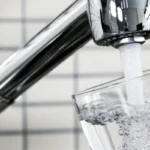
Why Water Quality Matters in Rural Areas
Ensuring water quality is essential for the well-being of rural communities. Access to safe drinking water is a cornerstone of health and highlights the importance of regular testing. The Palmer Modified Drought Index helps track dryness levels, guiding us to monitor our water sources more closely. With changing rain patterns, it’s critical to keep a watchful eye on our local water sources.
Health Implications
Contaminated water sources can harbor harmful bacteria and organisms. This poses significant health risks, making regular testing a must in rural areas. The presence of chemical runoff or heavy metals can have severe consequences, underscoring the need for vigilant monitoring.
Environmental Impact
Clean water is vital for the health of local ecosystems. Pollution can disrupt habitats and hinder plant growth. During dry periods, water levels drop, exacerbating these issues. This calls for responsible waste management to protect our environment.
Economic Consequences
Farms rely on consistent water supplies for both animals and crops. Water shortages can lead to reduced yields and lower incomes. Property values also suffer when water quality declines, deterring investors from areas with poor water quality.
Understanding Litchfield County Water Quality
Ensuring clean tap water involves understanding geology, climate, and population dynamics. Residents depend on wells, reservoirs, and treatment facilities that adjust to changing needs. This combination of natural and human elements influences water’s journey from source to tap.
County Overview
Litchfield County boasts a diverse landscape with rolling hills, forests, and streams. Sources often come from protected areas managed by utility companies dedicated to purity and efficiency. Reservoirs draw water from spring-fed areas, while some communities rely on smaller systems needing frequent checks.
Providers work together on county water oversight initiatives to meet local demands.
Regulatory Standards
State and federal agencies, including the Environmental Protection Agency, establish safety benchmarks. They enforce drinking water regulations that outline acceptable contaminant levels and testing methods. Connecticut’s health departments and environmental offices provide guidance to municipalities, promoting thorough inspection programs.
These rules and ongoing monitoring ensure water quality in every home.
Sources of Drinking Water in Litchfield County
In this region, families have various residential water sources to choose from. Many opt for a public water supply managed by local authorities. Others prefer private wells for more control. Regular maintenance is key to keeping these options safe and reliable.
Private Wells
Many rural homes rely on wells drilled close to the house. Regular private well testing is essential to ensure water quality. Homeowners test for contaminants, check pH levels, and upkeep equipment. Experts from companies like Aquarion Water Company offer guidance on filtration and maintenance, ensuring a steady supply for families.
Public Water Systems
A public water supply is overseen by municipalities or companies like Torrington Water. Their teams inspect lines, treat water, and publish reports. This setup offers households consistent monitoring. While private well testing is not mandatory, residents are kept informed about safety protocols.
Source | Key Benefit | Main Responsibility |
Private Wells | Individual Control | Homeowner Maintenance |
Public Systems | Regulated Oversight | Local or Corporate Provider |
Common Contaminants Found in Local Water
Local water supplies often contain harmful substances that can affect public health. Chemicals like PFAS and VOCs can enter groundwater through industrial waste, leaving behind traces that last for decades. Microplastics, too, pose a growing threat to smaller communities as they flow downstream.
Testing for bacteria in water is essential, as microorganisms like E. coli can quickly multiply if not checked. This highlights the need for regular water quality assessments.
Heavy metals in wells can come from natural rock formations or past mining activities. These pose risks to families relying on private wells. For more information, residents can look at Connecticut water data to see test results. Regular sampling is key to identifying issues early and ensuring the effectiveness of water filtration systems.
- PFAS: Linked to possible immune system issues
- VOCs: Byproducts of industrial or agricultural activities
- Microplastics: Tiny particles that may carry chemical residues
Pollutant | Potential Health Impact |
Lead | Neurological harm in children |
Arsenic | Possible skin and organ problems |
E. coli | Severe digestive distress |
Signs of Possible Water Quality Issues
Households may notice strange tastes and foul odors in their tap water. These issues often arise from organic matter trapped in pipes. Rust-colored water is another warning sign, causing discoloration on sinks and tubs. Identifying these problems early can prevent health risks and structural damage.
Taste, Odor, and Discoloration
Flavor changes might include metallic or bitter tastes. Persistent bad smells indicate bacteria or chemical imbalances. Rust-colored water, caused by iron or pipe corrosion, can stain fixtures permanently. If you notice these signs, it’s time to seek professional help.
Unusual Mineral Buildup
Calcium and magnesium deposits can lead to lime scale buildup on faucets and kettles. These chalky residues decrease appliance efficiency and cause maintenance issues. Thick deposits suggest high mineral content, requiring further investigation.
Possible Indicator | Likely Cause |
Bad water smell | Organic debris or microbial growth |
Rust-colored water | Iron corrosion or oxidized pipes |
Lime scale buildup | High concentrations of calcium and magnesium |
Safe Drinking Water Tips for Residents
Many families are looking for ways to protect their water from impurities. They explore various water purification methods to keep their environment healthy. Regular water testing helps identify hazards early, preventing more severe problems.
Filtration Methods
Home water filtration systems use devices like activated carbon and specialized cartridges to remove particles and chemicals. Modern units can target contaminants such as PFAS and heavy metals. Brands like Brita and Culligan offer a range of solutions for different budgets.
Regular maintenance and annual checkups are essential. They help extend the life of filters and ensure the well-being of household members.
Boiling and Chlorination
Boiling water is a critical step when unsure about tap safety. A one-minute rolling boil can kill harmful pathogens and reduce chemical traces. For effective chlorination, use unscented bleach, following precise measurements to kill microorganisms.
These quick methods are invaluable for rural homes and travelers with limited access to treatment resources.
Method | Contaminants Targeted | Key Benefit |
Activated Carbon | Chlorine, Pesticides | Improves taste and odor |
Reverse Osmosis | Heavy Metals, Nitrates | Offers high-level removal |
Boiling & Chlorination | Bacteria, Viruses | Short-term defense |
Home Water Testing and Monitoring
Families in rural areas often take steps to confirm the safety of their drinking supply. Many start with DIY water test kits that give a basic snapshot of pH, bacteria, and chemical levels. Some encounter unexpected readings linked to mineral buildup or possible contaminants.
Professionals such as Olympian Water Testing offer detailed evaluations designed to satisfy DOH, DEP, EPA, and NELAP standards. Clients may choose laboratory water testing for results with greater precision. A good plan includes:
- Scheduling checks at least once a year
- Inspecting older properties for hidden pipe issues
- Keeping records of any test results
Many households rely on ongoing water monitoring to protect against sudden changes, particular when using private wells or aging infrastructure. Frequent checks can reveal hazards early and reduce long-term risks. Independent assessments and professional guidance strengthen confidence in every sip.
Role of Local Authorities in Water Management
Local agencies set clear guidelines to protect residents’ access to clean water. They create local water policies and focus on regular oversight for each neighborhood’s water supply. This coordination among town leaders, state departments, and the Connecticut Department of Public Health ensures transparent standards.
Inspections and Policy
Detailed reviews and county water inspection procedures catch early signs of contamination. Officials conduct on-site evaluations to ensure treatment systems are current. Policies include mandatory testing schedules and usage rules. Enforcement teams handle any infractions, working with public works to improve reliability.
Community Outreach
Events foster dialogue between citizens and decision-makers. Workshops teach water-saving tips and practices. Town halls, school programs, and community water initiatives provide a platform for questions and experiences. This transparency builds trust, encouraging safe habits and innovative ideas for Litchfield County’s water future.
Impact of Seasonal Changes on Water Quality
Heavy rainfall can lead to runoff, carrying pollutants into streams and wells. The Palmer Modified Drought Index tracks the impact of dryness or extreme wetness on local waterways. Shifts in water table levels due to precipitation changes pose unexpected risks for residents.
Drought conditions cause waterways to recede, concentrating minerals and contaminants. Seasonal water fluctuations can lead to sudden surges of impurities, exacerbated by runoff from farmland or industrial sites. A PMDI value of 5.0 or higher signals exceptionally wet periods, increasing contamination risks from saturated soil. Recognizing these patterns helps communities take proactive steps in testing and remediation. It prompts each household to monitor changes in water color or taste and seek advice for significant drops or spikes in local water data.
Technologies Used in Water Treatment
Modern solutions protect water supplies from harmful pollutants. Each method offers unique benefits. This allows households to tailor their approach to local conditions and individual needs.
Reverse Osmosis
At the core of reverse osmosis systems are pressure-driven membranes. Water is pushed through a semipermeable barrier, removing tiny particles and unwanted substances. This method is ideal for households seeking thorough purification of minerals and contaminants.
UV Purification
Ultraviolet light disrupts the DNA of bacteria and viruses. UV water treatment neutralizes threats like E. coli and other pathogens. Some homeowners combine this with filtration for a complete defense against fungal growth, parasites, and chemical residues.
Activated Carbon Filtration
Porous materials capture organic compounds and reduce unpleasant smells. Carbon filter technology traps chlorine byproducts and residual chemicals. This step is practical for safeguarding against odors and improving taste, making it a popular choice for everyday use.
“The United States Environmental Protection Agency highlights the value of modern filtration to keep water sources safe.”
Method | Main Benefit | Ideal Use |
Reverse Osmosis Systems | Removes dissolved solids | Comprehensive home purification |
UV Water Treatment | Neutralizes microbes | Private wells or high-risk sources |
Carbon Filter Technology | Reduces odors and taste issues | Routine household needs |
Steps to Improve Water Infrastructure
Modernizing water systems requires strategic investments and meticulous planning. Municipalities and property owners can team up with state and federal agencies. Together, they can upgrade pumps, pipes, and storage facilities. This effort protects public health and boosts local economies.
Securing funding is a key step. This can come from local budgets, private partnerships, or state grants. Organizations like the EPA and USDA offer programs to help with costs. These programs cover engineering, construction, and maintenance expenses. Project leaders must submit detailed plans, including timelines and equipment needs.
Funding and Grants
Targeted aid can ease the financial load on residents. By combining federal funds with state grants, upgrades can happen faster. This includes better filtration and more efficient reservoir management.
Community-Driven Projects
Community groups often organize volunteers and fundraising events to support water projects. Elected officials ensure decisions align with community needs. This collaboration fosters a sense of unity, speeding up improvements.
Entity | Funding Type | Key Benefit |
EPA | Grants | Comprehensive support for upgrades |
USDA | Loans & Grants | Rural area focus |
State & Local | State Water Grants | Customized community solutions |
Staying Informed About Water Safety Alerts
Residents benefit greatly from timely updates on water conditions in their area. National providers like Torrington Water and Aquarion Water Company send out bulletins. These highlight any risks to local water systems. They use electronic mailers, social media, and text notifications to share critical information.
By subscribing to official channels, residents get immediate access to local water advisories and public health notices. Families can track water quality updates by visiting provider websites and checking digital dashboards. Some prefer phone-based alerts, which confirm ongoing safety measures and planned service checks.
- Sign up for newsletters
- Enable text message alerts
- Follow verified social media pages
Provider | Alert Type | Access Method |
Torrington Water | Emergency Notices | Website, Email, Text |
Aquarion Water Company | Periodic Bulletins | Online Portal, App |
Moving Forward With Confidence
Litchfield County is at a critical juncture. The availability of handy resources, the advent of modern technology, and a growing awareness of better water practices have all converged. This convergence has highlighted the need for more effective solutions to safeguard families and preserve natural habitats. The path forward hinges on a collective commitment to ongoing education and collaborative efforts.
Responsible planning is essential for the future of water quality. This vision encompasses sustainable water solutions that meet increasing demands and adapt to unpredictable weather patterns. Community engagement is key, as it ensures decisions align with local needs and long-term safety. Programs from the Environmental Protection Agency (EPA) and other initiatives can significantly enhance awareness and foster continuous improvement. Each incremental step brings renewed optimism and greater control over these vital resources.
Regular updates from authorities empower residents to navigate changing circumstances. The provision of testing services and clear guidelines fosters a sense of security. The bedrock of these efforts is continued cooperation, aimed at establishing safe and reliable water systems throughout the county. These endeavors are vital for maintaining the health of local water sources for generations to come. Through shared knowledge and dedication, neighbors can advance with confidence.
FAQ
Why is water quality specially important for rural communities in Litchfield County?
Rural areas often face challenges like agricultural runoff and soil infiltration. These issues can contaminate wells and small public water systems. Regular testing and awareness are key to ensuring safe drinking water, even during droughts.
How do local authorities regulate contaminants in public water systems?
Local authorities and companies like Torrington Water and Aquarion Water Company adhere to EPA guidelines and state regulations. They issue Boil Water Notices when necessary and conduct routine inspections. They also work with health departments and testing experts to meet DOH, DEP, and NELAP standards.
What are some of the most common contaminants found in Litchfield County’s water supply?
Common contaminants include E. coli, heavy metals like lead or arsenic, and PFAS (Per- and Polyfluoroalkyl Substances). Nitrates from agriculture and household chemicals and VOCs can also contaminate groundwater.
How can residents detect possible water quality issues at home?
Signs include a metallic taste, a strong sulfur smell, unusual color or cloudiness, and mineral buildup. If you notice changes in taste, smell, or appearance, it’s time for professional testing or a residential test kit.
Which filtration methods address contaminants like microplastics or heavy metals?
Reverse osmosis and activated carbon filtration remove microplastics and heavy metals. Adding UV purification targets bacteria, viruses, and other pathogens.
Why do private well owners need to perform regular water testing?
Private wells are not monitored by public utilities. Owners must conduct regular safety checks. Factors like radon infiltration, pH level changes, and heavy rain events make testing essential.
What steps can residents take if they suspect water contamination?
Take immediate action by boiling water or using certified filters. Contact Olympian Water Testing or local authorities for public water advisories to ensure proper handling of contamination.
How do seasonal factors, such as drought or heavy rainfall, affect water quality?
Droughts can concentrate mineral and pollutant levels. Heavy rainfall introduces contaminants through stormwater runoff. Monitoring Palmer Modified Drought Index updates helps anticipate necessary measures.
Are there grants or financial options available for improving local water infrastructure?
Federal agencies, nonprofits, and local governments offer funding or grants for infrastructure updates. Community projects can secure additional support by uniting neighbors, policymakers, and utilities.