
The Importance of Drinking Water Safety
Many households rely on private wells as their primary water source. Without government oversight, regular testing is critical to detect contaminants. This proactive approach protects families from harmful bacteria, chemicals, and metals.
Testing not only verifies water quality but also ensures a safer daily routine. Untreated issues can lead to changes in taste, smell, or clarity. Regular checks are essential to safeguard well-being and protect loved ones from unseen dangers.
Preventing Health Risks Through Vigilance
Health risks can lurk undetected when groundwater is contaminated. Regular sampling is key to identifying hidden threats. By staying vigilant, households can prevent illness and protect the environment.
Understanding the Role of Clean Water in Daily Life
Clean water is more than just a drink. It’s essential for cooking, bathing, and everyday tasks. Each drop contributes to comfort and peace of mind. Regular analysis ensures reliable access and guards against unexpected surprises.
“Regular testing of private wells is recommended by the Environmental Protection Agency to maintain safety and avoid contamination.”
Parameter | Testing Frequency | Reason |
Bacteria Check | Once a Year | Identify harmful organisms |
Chemical Screening | Every 2–3 Years | Prevent toxin buildup |
Metal Analysis | Based on Local Factors | Spot sources of heavy metals |
Indicators of Contamination
For households depending on private wells, noticing changes in water quality is critical. Shifts in color, taste, or smell often hint at contaminants. These changes are often missed but can signal serious issues that need quick action.
Unusual Taste or Odor
A strong smell of hydrogen sulfide, like rotten eggs, might be present. Metallic or bitter tastes could mean heavy metals like iron or copper. Unusual smells could also point to bacterial growth. Any odd taste in water should lead to immediate testing.
Cloudiness or Discoloration
Cloudy or discolored water might indicate sediment or bacterial growth. Brown or reddish hues could suggest dissolved iron. Catching these signs early prevents plumbing damage and ensures water safety. Thick sediment can harm appliances. Regular checks help spot problems early, protecting health. Quick analysis is essential when changes occur.
Why Well Water Testing Matters
Having a reliable water supply is essential for households that rely on private wells. Without regular testing, early signs of contamination risks can go unnoticed.
The Centers for Disease Control and Prevention (CDC) notes that high levels of total coliforms often indicate harmful germs. This can lead to the presence of viruses or bacteria, posing serious health risks to family members.
Regular testing is critical in safeguarding families from hidden dangers. By testing your well annually, property owners can identify issues promptly and take necessary actions.
In areas with industrial activities, there are increased contamination risks. Specialized tests for volatile organic compounds or heavy metals are necessary to detect these contaminants. They help ensure the well’s safety.
Acting quickly to address water quality issues can prevent waterborne illnesses. This proactive approach ensures access to clean drinking water for everyone in the household.
Essential strategies to uphold water testing importance include:
- Using certified laboratories for annual screenings
- Scheduling well inspections at regular intervals to test your well
- Maintaining clear records of each result for future reference
Common Contaminants Found in Private Wells
Private wells can harbor various substances that jeopardize water quality. Pollutants can pass through soil or stem from human activities. Prompt action is vital to maintain health and reduce chemical contamination.
Bacteria and Viruses
Bacteria in water, such as fecal coliforms and E. coli, pose significant health risks. It’s critical to test for these microorganisms early. This helps prevent diseases. These pathogens can infiltrate wells through cracks or from nearby farmland runoff.
Heavy Metals and Chemicals
Heavy metals like arsenic and lead can leach into well water from rocks or industrial sites. Prolonged exposure can damage organs and increase health risks across all age groups. Pesticides, nitrates, and other chemicals also contaminate groundwater. Regular testing is key to identifying harmful levels and finding effective treatment solutions.
Recommended Periodic Testing Schedule
Regular assessments are key to preventing waterborne hazards. The EPA suggests checking for coliform and nitrates annually. It’s also important to monitor taste and smell for any changes. Early detection ensures water quality and brings peace of mind.
An organized test schedule helps manage risks effectively. Annual water testing clarifies the quality of your water. After floods or agricultural runoffs, more frequent testing is advisable. Taking proactive steps protects families from contamination.
Routine well maintenance is essential alongside a thorough review plan. It keeps the system reliable. If new contaminants appear, testing more than once a year is necessary. Consistent checks preserve taste and detect deeper issues. Ensuring safe water is a worthwhile effort.
Different Testing Methods Explained
Many families rely on water analysis to uncover issues that might not be visible at first glance. Local or state health departments often have lists of certified resources that outline specific procedures. Some methods offer quick insights, while others provide more extensive results about contaminants lurking in private wells.
DIY Water Testing Kits
People seeking a fast snapshot of common pollutants may turn to DIY test kits. These tools can identify signs of high pH or the presence of certain metals. They are easy to use at home and can act as a first line of defense for anyone wanting basic confirmation about their water’s quality.
Professional Laboratory Analysis
A thorough lab test is often recommended for greater detail. Laboratories employ advanced equipment to detect possible bacteria, chemicals, or heavy metals. Their reports are more detailed and can guide well owners in taking targeted steps toward safeguarding their drinking supply.
Choosing Effective Filtration and Treatment Solutions
Choosing the right approach is essential to keep contaminants at bay and preserve natural flavor. Some owners opt for water filtration to manage everyday impurities. Systems from Culligan or Brita can handle visible sediment and reduce metals through specialized cartridges. Reverse osmosis, on the other hand, tackles widespread pollutants, boosting household confidence in safer taps.
Each method serves a distinct purpose, yet matching a solution to the specific problem is key.
Activated Carbon Filters for Odor and Taste
An activated carbon filter focuses on removing volatile substances that cause unpleasant smells. This setup is valuable for homes that seek crisp-tasting water. Many rely on well water treatment practices that include chlorination or ultraviolet systems when microbes are discovered.
According to the EPA, “Proper maintenance of private wells includes routine testing and prompt treatment to prevent illness.”
In-depth consultation can uncover hidden toxins and shape a well water treatment regimen that addresses specific findings. Some individuals combine water filtration with an additional activated carbon filter to maximize efficacy. For guidance on matching methods to local conditions, readers can review the best type of filtration for well from Fresh Water Systems.
Maintaining Your Well and Protecting Infrastructure
Regular care of a private water system is vital for family health. Springtime inspections of the pump, pipes, and well casing are key. They help spot mechanical issues early, preventing water quality problems. This proactive approach protects the water infrastructure and avoids sudden service disruptions.
Well maintenance is about addressing wear and tear on critical components. Experts from companies like Franklin Electric can handle repairs. They also ensure the wellhead is sealed, preventing pests and contaminants from entering.
Protective measures start with proper earth grading to direct runoff away from the well. High soil levels near the casing can allow debris to enter. Disinfection steps and regular follow-ups are essential to minimize contamination risks.
Being proactive prevents costly overhauls and ensures a steady supply of clean water. Regular checks for unusual pump noises and pressure changes are part of maintaining water infrastructure. This diligence guarantees long-term reliable service.
Routine well maintenance combines protective measures with expert advice. Brands like Grundfos offer durable pumps for harsh environments.
Frequency | Task |
Each Spring | Inspect pump, pipes, and casing for wear |
Every Year | Check seal integrity, flush sediment, test water quality |
As Needed | Repair mechanical faults, adjust soil grading |
When to Consider Professional Inspection
Environmental factors can introduce chemicals that require special testing. Properties near septic systems or industrial facilities face unique risks. A professional well inspection can uncover subtle threats that standard checks might miss.
Experts can detect complex contaminants like arsenic, radon, or PFAS. Water safety experts use advanced techniques to identify these hidden hazards. Thorough testing leads to an accurate diagnosis and more effective treatment.
Identifying Complex Water Contaminants
Some pollutants are undetectable by simple assessment. Specialized equipment and trained eyes are needed to pinpoint these invaders. Testing for metals, volatile compounds, and other risks keeps households protected.
Ensuring Long-Term Health Outcomes
Ongoing vigilance supports confidence in every glass. Professional advice promotes filtration methods that target specific toxins. Certified teams often recommend timely disinfection or system upgrades when needed. These steps help preserve water quality over time, giving residents a sense of security.
Steps for a complete inspection might include:
- Reviewing well casing and seals
- Performing in-depth water analysis
- Assessing filtration system performance
- Checking system pressure levels
Such measures ensure not only immediate safety but also durable performance.
Contaminant | Testing Method | Recommended Solution |
Arsenic | Specialized Lab Analysis | Reverse Osmosis System |
PFAS | Certified Laboratory Testing | Activated Carbon Filter |
Coliform Bacteria | Basic Water Test Kit | Shock Chlorination |
Seasonal Factors Affecting Well Quality
Extreme weather conditions put additional stress on well systems. This can lead to pressure changes, increasing the risk of contamination. Homeowners often notice sudden changes in water flow or clarity during seasonal shifts. Keeping an eye on weather forecasts and preparing for temperature extremes can help mitigate these issues.
Winter Freezes and Summer Droughts
Frozen ground can limit access to underground water. Ice may crack well components, leading to leaks and restricted flow. Summer heat exacerbates drought impact by reducing groundwater levels. This concentration of pollutants increases the risk of contamination.
Freeze impact on wells is common in colder regions. Yet, each area faces unique challenges. It’s essential to be aware of these seasonal factors to maintain well quality.
Season | Primary Concern | Preventive Steps |
Winter | Frozen pipes and system damage | Insulate exposed parts and maintain a steady water flow |
Summer | Reduced groundwater and higher contaminant levels | Conserve water, check pump efficiency, and conduct scheduled tests |
Proper Disinfection and Shock Chlorination
Well owners must take thorough steps to ensure their water is safe and free from hazards. Chlorine is a proven method for removing bacteria, but the dosage must be carefully balanced to avoid lingering odors. Regular checks are essential to confirm that each chlorine treatment meets household safety standards.
Many individuals follow guidelines from organizations like the EPA when handling this process. Local agencies often suggest ongoing reviews to maintain water quality and ensure safety.
Effective Use of Chlorine
shock chlorination is a precise method to disinfect well after detecting bacterial concerns. It involves using elevated chlorine levels that stay in contact long enough to kill pathogens. Then, the chlorine is flushed out to restore the water’s freshness. It’s important for operators to document each step and seek local expertise.
Securing Safe Levels of Residual Chlorine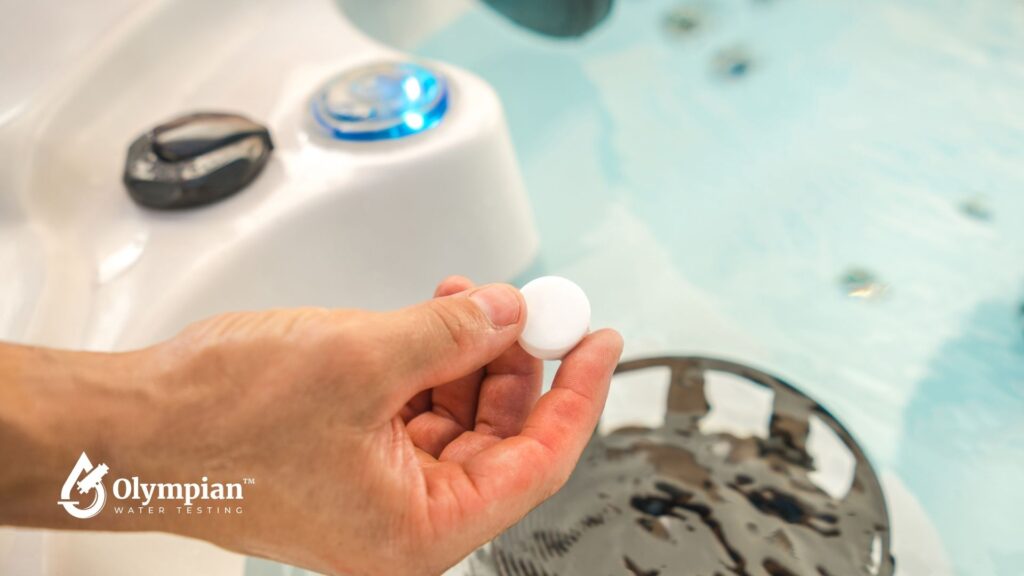
Authorities recommend complete retesting of water to ensure residual chlorine levels are within acceptable thresholds. Too high a level can leave an unpleasant taste, while too low may allow bacterial regrowth. Achieving a balanced dose is key to keeping families confident in their water supply.
Key Regulations and Local Guidelines
Private well owners often seek guidance from various agencies for testing schedules. Local well regulations can be stricter than general recommendations. These rules protect communities by setting clear construction standards and ongoing monitoring.
Experts say state guidelines influence well-drilling practices and reporting rules. They reflect each area’s water table conditions and environmental needs. Well owners can check official websites for details on permits.
EPA recommendations focus on public systems, but many find them useful for private wells too. Regular testing and quick action ensure water safety for families and guests.
"We advise frequent assessments of private wells, specially in areas with changing environmental factors." — Centers for Disease Control and Prevention (CDC)
The table below shows common authorities and their main areas of focus:
Authority | Focus | Typical Mandates |
EPA | Public Water Systems | Testing frequency and pollutant limits |
State Health Agency | Private Well Standards | Installation permits and safety protocols |
Local County Office | Regional Oversight | Drilling requirements and inspections |
Sustainable Practices to Protect Your Water Supply
Ensuring a reliable water source demands careful planning. Families that cut down on chemical use and prevent harmful runoff protect local wells and groundwater. This effort enhances community health and promotes responsible stewardship.
Well protection goes beyond just checking equipment. It’s about adopting habits that keep the water table pristine. Homeowners reduce chemical exposure by opting for natural fertilizers and disposing of waste properly. These actions protect the sustainable water supply for generations to come.
Implementing Rainwater Harvesting for Conservation
Collecting rainwater in secure containers reduces the load on wells and boosts resilience. This method supports irrigation needs, keeps costs low, and replenishes the aquifer. Many see these practices as key to a healthier environment and lasting well protection.
Moving Forward with Confidence in Your Water Safety
Regular checks and swift action are key to peace of mind for any home. If tests show contamination, it’s wise to use bottled water or an alternative until the well is fixed. This precaution keeps families safe and avoids health risks.
Being a responsible well owner goes beyond occasional tests. Continuous monitoring and timely upgrades are essential for a reliable system. Certified experts can identify new threats and recommend modern solutions for safe water use. Staying updated with local regulations and environmental changes helps avoid unexpected issues.
Ensuring a safe water supply for the future requires consistent effort. Monitor seasonal changes and adhere to Environmental Protection Agency guidelines. A well-planned strategy not only saves money but also protects health in the long run. Through diligent care, homeowners can rest assured their well will continue to provide clean water for years.
FAQ
Why is annual testing of a private well recommended even if the water appears clean?
Even if the water looks clear and tastes fine, contaminants like coliform bacteria or E. coli might be present. Annual testing is key to catch bacteria, viruses, nitrates, and pollutants early. This ensures they can be treated before posing health risks.
What are some common warning signs that my well water might be contaminated?
Unusual odors, like rotten eggs, could signal hydrogen sulfide. A metallic or bitter taste might indicate heavy metals such as iron or lead. Cloudiness, discoloration, and changes in smell are also indicators. If you notice any, test your water immediately.
How can additional contaminants like PFAS or volatile organic compounds affect my well water?
PFAS and VOCs come from industrial and agricultural sources. They can accumulate in groundwater, posing long-term health risks. Specialized testing by professional labs is often necessary to detect them accurately.
What are the most effective treatment methods for removing a range of contaminants?
Activated carbon filters help with odors and taste. Reverse osmosis systems remove bacteria, viruses, heavy metals, and chemicals. Whole-home filtration setups cover the entire water supply. Shock chlorination is useful for disinfecting wells after flood events or detected bacterial contamination.
When should a professional inspection be considered instead of a DIY test kit?
DIY kits can spot basic pollutants, but professional inspections are recommended for major contamination. Experts evaluate the well structure, pump, casing, and offer tailored solutions. They are essential for tests on arsenic, PFAS, pesticides, and VOCs.
How can seasonal changes impact the safety of my well water?
Winter weather can cause pipes or casings to crack. Spring thaws or summer rains may drive fertilizers, runoff, or bacteria into the aquifer. Monitoring weather patterns and scheduling tests during extreme conditions helps maintain consistent water quality year-round.
What role do local health departments or the EPA play in private well regulations?
Private wells are exempt from federal drinking water standards. Agencies like the Environmental Protection Agency (EPA) and local health departments provide guidelines. These guidelines cover testing frequency, safe contaminant levels, and infrastructure standards, ensuring best practices for water safety.
Are there eco-friendly steps to protect my well and reduce contamination risks?
Proper management of fertilizers, pesticides, and household chemicals lowers contamination risks. Rainwater harvesting helps preserve local aquifers by reducing demand on the well. These sustainable strategies maintain both household health and the environment.
What is shock chlorination, and how should it be done safely?
Shock chlorination involves introducing a higher concentration of chlorine into the well to disinfect it. It’s usually done after flood events or if bacterial contamination is found. After letting the chlorine solution stand, the well is flushed until residual chlorine levels are safe. Proper application ensures harmful microbes are eliminated without leaving chlorine tastes or odors behind.
How can regular maintenance protect well infrastructure and water quality?
Over time, components like the well cap, pump, or casing can degrade. This allows bacteria, sediment, or debris to seep in. Regular inspections, repairing cracks or leaks, and grading soil to divert surface runoff help preserve well integrity. Staying proactive about upkeep extends the system’s life and keeps the water supply clean.