Overview of Water Sources in Middlesex County
Maintaining a steady flow of clean water requires careful planning and diverse collection methods. Middlesex County relies on distinct water sources, including large reservoirs and deep wells. Each site contributes to a broad system designed to balance local demands while guarding environmental stability.
Primary Reservoirs and Groundwater Supplies
Several open-air reservoirs store rainwater and snowmelt, safeguarding it until treatment is needed. Beneath the surface, wells draw from aquifers that often replenish through natural filtration. This process plays a vital role in providing safe drinking water to local neighborhoods and business districts.
Infrastructure for Water Distribution
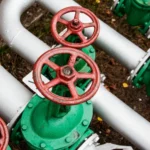
Pumping stations and treatment plants operate as essential links, ensuring that collected reserves travel efficiently through miles of piping. Filtration systems remove impurities before water reaches homes, schools, and healthcare facilities. A network of quality controls helps preserve reliability throughout each step of distribution.
"Clean water is everyone’s right," states the New Jersey Department of Environmental Protection.
Common Contaminants and Their Effects
Water contamination is a widespread issue, caused by industrial waste and aging infrastructure. PFAS, known as "forever chemicals," are of particular concern due to their persistence in the body. Lead and arsenic also pose risks, as they can leach into drinking water from pipes or soil. These substances can harm vital organs, posing a significant threat to local communities.
Public health risks from these contaminants may develop over time. Symptoms can range from gastrointestinal issues to skin irritations. Long-term exposure can lead to more severe problems, such as kidney damage or developmental issues in children. Regular testing is essential for residents to understand the risks from their tap water. Recognizing the presence and effects of these contaminants encourages proactive measures to mitigate these risks.
| Contaminant | Possible Effects | Likely Source |
| PFAS | Thyroid problems, kidney impact | Factory runoff, firefighting foam |
| Lead | Neurological delays, learning issues | Older plumbing materials |
| Arsenic | Skin lesions, heightened cancer risk | Natural mineral deposits |
State and Federal Water Quality Standards
Clear policies are essential for safeguarding communities and public health. Federal and state guidelines set strict contaminant levels, underscoring the need for safe drinking water. These standards focus on chemicals, bacteria, and other hazards in local water supplies.
The Environmental Protection Agency (EPA) sets the main quality thresholds. The New Jersey Department of Environmental Protection (NJDEP) then tailors these for local needs. Inspectors aim to minimize risks and support water testing to ensure compliance with legal limits. This ensures water quality meets standards throughout the year.
Regulatory Bodies Overseeing Water Safety
The EPA and NJDEP work together to update rules based on new research. They enforce best practices and recommend minimum treatment standards. This ensures consistent, reliable service.
Testing Frequency and Reporting Guidelines
Regular water testing is mandated to catch contaminants early. The results are shared in Consumer Confidence Reports, providing transparency. These reports highlight the effectiveness of safeguards in ensuring safe drinking water across neighborhoods.
Why Safety Is a Priority for Local Residents
Clean water is essential for daily life. Families depend on it for cooking and bathing. Grandparents need it to care for their loved ones. This shows how vital water quality is for personal well-being and the Middlesex County environment.
Water quality is a top concern for residents. Children and the elderly are more vulnerable to contaminants. This drives efforts to educate and take action, linking water quality to health. Resources and testing programs are key, protecting families from unseen dangers.
“Clean water is a collective responsibility that calls for vigilance in every neighborhood.”
Community voices emphasize the need to reduce pollutants. Debates highlight the importance of preventing long-term harm. Raising awareness can lead to policies that protect families and wildlife, ensuring a healthier future for Middlesex County residents.
Middlesex County water quality: Key Insights
The water supply in Middlesex County has become a topic of interest for many residents. They seek the truth behind quality reports. Researchers have pinpointed several metrics to better understand how local sources compare to broader benchmarks. This includes looking into PFAS levels and water system violations, which scientists are closely examining.
Recent Study Findings
Recent water studies have conducted multiple surveys. These highlight the differences between site-specific conditions and state averages. Some areas showed higher readings, while others met guidelines. The focus is often on microbial presence and synthetic compounds, guiding decisions on purification methods.
Community Health Impact
Local health data indicates that long-term exposure to trace contaminants can affect wellbeing, mainly in vulnerable groups. Some residents have undergone voluntary screenings to assess possible effects. This has sparked discussions on safe consumption practices. Ongoing testing aims to improve current standards and protect water sources for the future.
Sources of Pollution and Their Impact
This region faces numerous pollution sources that compromise its water quality. Industrial runoff from manufacturing sites introduces toxic substances into streams. Waste disposal facilities and landfills are also hotspots for leaching chemicals. Landfill seepage can persist in soil, raising concerns about water contamination in local communities.
“The Environmental Protection Agency encourages clean production methods that reduce chemical discharge and protect regional waterways.”
Initiatives like the Renewable Natural Gas Production Facility aim to balance economic growth with environmental responsibility. Industrial partners must adopt practices that protect groundwater. Stricter oversight and awareness of these issues lead to greater stewardship. This increases public demand for safer disposal solutions and tighter environmental protections.
Modern Treatments and Filtration Techniques
Municipal systems employ advanced water treatment to combat evolving contaminants. This effort ensures public health and adheres to EPA guidelines. Techniques include membrane-based solutions and targeted chemical processes.
Some facilities use water filtration solutions to protect homes from harmful pollutants. These systems handle sediments, heavy metals, and microscopic organisms. They ensure overall water quality.
Advanced Filtration Methods in Use
Utilities often combine several techniques for maximum safety. Each method targets specific hazards while ensuring efficient water flow.
- Reverse osmosis for tackling compounds like PFAS
- Carbon filtration for removing organic contaminants
- Ultrafiltration to trap bacteria and viruses
Role of Chlorination and Fluoridation
Chlorination controls microbial threats by neutralizing bacteria and viruses. Fluoridation supports dental health, endorsed by the Centers for Disease Control and Prevention. Both methods contribute to a balanced water supply, safeguarding communities.
Seasonal Variations and Climate Influence
Weather patterns can change local water conditions. During cold months, road crews spread deicing materials, causing extra salt runoff. This can increase sodium and chloride levels in waterways and reservoirs. People might notice changes in taste or residue on household items.
Drought conditions, caused by limited rainfall, reduce water volumes. Lower reservoir levels mean more dissolved particles, which can intensify contaminants. It’s wise to check public advisories for signs of worsening dryness or water usage restrictions.
Winter weather impacts are significant in both urban and suburban areas. The New Jersey Department of Environmental Protection advises cautious salt use on roads to protect aquatic systems. It’s important to monitor salt levels, use brine solutions when possible, and stay updated with local water authorities.
| Condition | Known Effects | Tips |
| Cold/Snowy Months | Higher salt runoff in water | Use salt alternatives, track sodium levels |
| Extended Dry Spells | Concentrated pollutants | Conserve water, follow local advisories |
How Public Education Supports Clean Water
Local water stewardship flourishes when neighbors understand the importance of their actions. Public education plays a key role by teaching the value of water conservation and the need for early contamination detection.
Through community outreach, hands-on projects, and shared resources, momentum builds. Stakeholders learn effective ways to conserve water, easing the pressure on vital water sources.
Awareness Campaigns and Workshops
Organizations like the Middlesex County Improvement Authority and Rutgers Extension host workshops on water responsibility. These sessions cover leak detection, chemical disposal, and home filtration.
| Initiative | Focus |
| Green Fair Series | Practical water-saving tips |
| Local Cleanup Drives | Reducing litter inside watersheds |
Involving Schools and Community Centers
Teachers use science labs to teach students about water purity testing. Community outreach in youth sports and libraries connects families with experts. They show cost-effective ways to ensure safe water use every day.
Tracking Water Quality Through Local Initiatives
Local water initiatives unite residents and public agencies to safeguard rivers, reservoirs, and groundwater. Volunteer sampling programs detect sudden changes in water clarity and contaminants. This alerts them to pollution threats early on. The data collected helps officials decide on facility upgrades or new testing methods.
Community actions gain strength with support from the United States Environmental Protection Agency (EPA) and the American Water Works Association. Public events teach people about basic sampling techniques and encourage reporting of water color or odor irregularities. This collaborative effort leads to quicker issue detection, boosting trust and transparency among all involved.
| Program or Initiative | Organizer | Key Impact |
| Middlesex County Water Department | County Officials | Regular testing and infrastructure upgrades |
| Volunteer Sampling Network | Local Residents | Frequent analysis of streams and lakes |
| Nature Conservancy Initiatives | Nonprofit Groups | Community education and habitat restoration |
How Data Transparency Helps Residents
Public access to water quality updates builds trust across Middlesex County. Neighborhoods feel secure when they review ongoing metrics. These metrics highlight safety standards and any emerging concerns. This openness promotes water transparency and encourages proactive planning in each household.
Access to Real-Time Quality Reports
Residents can stay informed by checking current data on local utility websites. Real-time charts show if guidelines are met, helping families decide on filtration upgrades. Quick updates reassure parents and offer clarity on maintenance schedules and testing results.
Online Platforms and Resources
Detailed consumer confidence reports and digital dashboards help people spot trends and patterns over time. Platforms hosted by the Middlesex Water Company or the Environmental Protection Agency present easy-to-read charts. These charts show chemical levels and integrity checks. This transparency encourages informed choices and reinforces trust in local water systems.
Collaborations With Environmental Agencies
Local authorities frequently form environmental partnerships with both public and private entities. The NJ Water Bank offers resources to help communities keep their water systems up to date. The NJDEP works with federal agencies, like the Environmental Protection Agency (EPA), to ensure health standards are met across the state.
By sharing knowledge, communities can respond more quickly to environmental changes. Engineers, scientists, and policymakers bring different viewpoints to the table, improving problem-solving. Public outreach efforts focus on clear communication, helping citizens see the importance of these partnerships.
Initiatives involving multiple sectors tackle critical issues, such as upgrading treatment plants and controlling pollution. Funding and technical support are directed towards projects that enhance water infrastructure and safeguard aquatic ecosystems. These partnerships also foster new research and promote sustainable practices.
The NJDEP and community nonprofits lead educational programs that encourage local participation. Every contribution, big or small, aids in creating a healthier environment. Below is a table that outlines the main roles of key agencies.
| Agency | Primary Role |
| EPA | Sets national standards |
| NJDEP | Implements state regulations |
| Local Nonprofits | Public engagement and outreach |
| NJ Water Bank | Financial assistance for water projects |
Tips for Personal Water Conservation
Residents play a key role in water conservation by adopting simple home practices. Checking faucets and being mindful of lawn care are just a few steps. Avoiding sodium-based deicers on walkways also helps keep runoff clean. These actions not only conserve water but also reduce household impact.
Reducing harsh pollutants is beneficial for both health and the environment. Many families control their consumption by changing daily habits. There are numerous tools and products available that reduce waste and toxins.
Efficient Home Water Use
Replacing old fixtures with low-flow models is a proven way to save gallons. Leaky pipes can significantly hinder water conservation efforts. Regular inspections can prevent major issues. Some households collect rainwater for gardening, reducing their reliance on treated water.
Choosing Eco-Friendly Household Products
Cleaning brands like Seventh Generation and Dr. Bronner’s offer eco-friendly alternatives that reduce chemical buildup in drains. Many opt for natural fertilizers or compost over synthetic products for their lawns. This choice minimizes chemical runoff and supports aquatic ecosystems.
| Action | Benefit | Estimated Cost | Tip |
| Install Low-Flow Fixtures | Save up to 30% on usage | $50 – $100 | Check for rebates from local utilities |
| Use Natural Cleaners | Reduce chemical discharge | $5 – $15 | Read labels for plant-based ingredients |
| Collect Rainwater | Lower strain on public supply | $20 – $80 | Ensure barrels have secure lids |
Moving Forward With Informed Decisions
Staying informed about water safety can significantly impact residents’ lives. By examining local reports and understanding possible contaminants, individuals can make better water choices. This knowledge often alleviates concerns about hidden risks in our daily water consumption.
Collaboration with the Environmental Protection Agency (EPA) and utilizing resources from the Middlesex County Health Department can enhance community trust. Simple actions, such as installing high-grade filters at home or participating in public workshops, contribute to community health. Those who prioritize informed water choices often feel more confident about their family’s safety.
As data transparency improves, local efforts will remain effective. Residents can access real-time results on official websites and monitor water quality. This focus on community health encourages neighborhoods to stay involved and share their findings. Such teamwork leads to a safer water supply for all.
FAQ
Why is water quality in Middlesex County so significant?
Water quality is critical for public health and well-being. Middlesex County focuses on municipal water standards. This ensures safe drinking water by monitoring for contaminants like PFAS, lead, arsenic, and harmful microorganisms.
What are the main water sources serving local communities?
The county uses both surface reservoirs and groundwater wells. A network of pipes, pump stations, and treatment facilities collects, treats, and distributes this water to households.
Which contaminants are commonly found and why are they concerning?
Common contaminants include PFAS, lead, arsenic, E. coli, and heavy metals. These can pose health risks if levels exceed recommended limits.
How do federal and state regulations safeguard drinking water?
Agencies like the EPA and the New Jersey Department of Environmental Protection set legal thresholds and test schedules. They also issue Consumer Confidence Reports. These guidelines help maintain water safety.
Why is water safety a top concern for local residents?
Safe water is vital for daily activities, from cooking to bathing. Children, seniors, and those with weakened immune systems face higher risks. This highlights the need for strict contamination control.
How do recent studies and community research shape water policy?
Local universities and health agencies publish findings on contaminants and their health effects. This data-driven approach ensures regulations and treatment methods stay current.
What are the main sources of pollution in the region?
Pollution comes from industrial runoff, agricultural practices, and landfill seepage. Large projects, like a Renewable Natural Gas Production Facility, can also pose risks and opportunities for better stewardship.
Which modern treatments effectively remove contaminants?
Reverse osmosis, carbon filtration, and other advanced methods target PFAS, organic chemicals, and heavy metals. Standard treatments, like chlorination, reduce bacteria. Fluoridation supports dental health.
Do seasonal changes affect water quality?
Yes. Winter salting can increase salt content in reservoirs, and droughts can concentrate contaminants. Water managers monitor these changes to address taste, odor, and safety issues.
How does public education foster cleaner water?
Workshops, community fairs, and school programs educate residents on water testing, conservation, and proper disposal. Educated communities make informed decisions to protect water resources.
Who tracks water quality trends in Middlesex County?
Local governments, volunteer groups, and environmental organizations track contamination spikes or emerging pollutants. Continuous monitoring ensures quick responses to water quality issues.
Why is data transparency important for residents?
Public access to real-time water quality reports builds trust. It allows households to make decisions about filtration or conservation. Transparency strengthens community involvement and accountability.
How do agencies and nonprofits work together to maintain safe water?
The NJDEP, EPA, and local groups collaborate on funding, expertise, and planning. Together, they address infrastructure, contamination, and community outreach.
Which steps can households take to protect water quality?
Simple actions include installing home filtration systems and choosing eco-friendly products. Minimizing fertilizer use and promptly fixing leaks also helps. These actions reduce pollution and conserve water.
What can residents do to stay informed and involved?
Reviewing local water reports and participating in events strengthens water quality initiatives. Advocating for stronger regulations through forums fosters responsible decision-making.