The Impact of Seasonal Changes on Water Contaminants
Weather shifts can quickly alter well water composition. Seasonal changes can create new pathways for debris and minerals, raising the odds of contamination. Temperature spikes or sudden storms can accelerate bacterial activity, impacting taste and smell.
Rainy periods may wash sediment or agricultural runoff into private wells. Regular water maintenance helps detect shifts in pH or bacteria before they become serious threats. Drier months, on the other hand, can concentrate minerals, leading to changes in color or odor.
Fluctuating temperatures and higher precipitation can lead to unexpected water contaminants, specially when wells draw from shallow sources. Consistent testing offers peace of mind and keeps families safeguarded against sudden spikes in pollutants. Experts at the National Ground Water Association advise homeowners to observe local weather patterns and plan tests correspondingly.
Why a Regular Well Water Test Matters
Many homeowners rely on private wells for their water supply. A routine well inspection helps them spot issues before they escalate. Small leaks or subtle shifts in groundwater can introduce unexpected contaminants.
Neglected tests leave households vulnerable to harmful substances that might not affect taste or smell. Corroded pipes sometimes allow heavy metals to infiltrate the water, while surface runoff may carry bacteria and viruses into the well. Early detection reduces the risk to health.
Understanding the Hidden Risks in Well Water
Regular monitoring is essential because underground conditions change throughout the year. Different seasons can affect bacterial growth or release toxic elements from deeper layers. Testing reveals whether water remains safe, ensuring it’s safe to drink, even when storms or seismic activity shift the water table.
Addressing Possible Contaminant Fluctuations
When test results show abnormal levels of pollutants, swift action is necessary to prevent long-term problems. Water filtration upgrades or well repairs often solve these issues and save money on future treatment. Families who maintain frequent checks gain peace of mind with reliable, high-quality water.
Common Risk | Reason for Regular Testing |
Toxic metals | Can breach worn pipes or compromised casing |
Harmful microorganisms | May infiltrate through surface runoff or shifts in groundwater |
Guidelines from Health Authorities
Major organizations suggest a schedule to protect families from water contaminants. They advise annual check-ups for well systems. This helps detect bacteria, chemical residues, and other dangers that could harm health.
Some guidelines stress the need for professional water testing. Certified labs can analyze samples for nitrates, arsenic, and volatile organic compounds. These tests are more accurate than at-home methods, providing a clear view of water quality.
Experts recommend yearly reviews to ensure compliance with local laws and maintain peace of mind. Inspectors look for chemical changes in private wells and suggest preventive measures. Public agencies agree, highlighting the importance of regular evaluations for health and property value protection.
- Certified labs deliver detailed results on contaminants
- Annual check-ups verify changing conditions in groundwater
Common Contaminants Found in Private Wells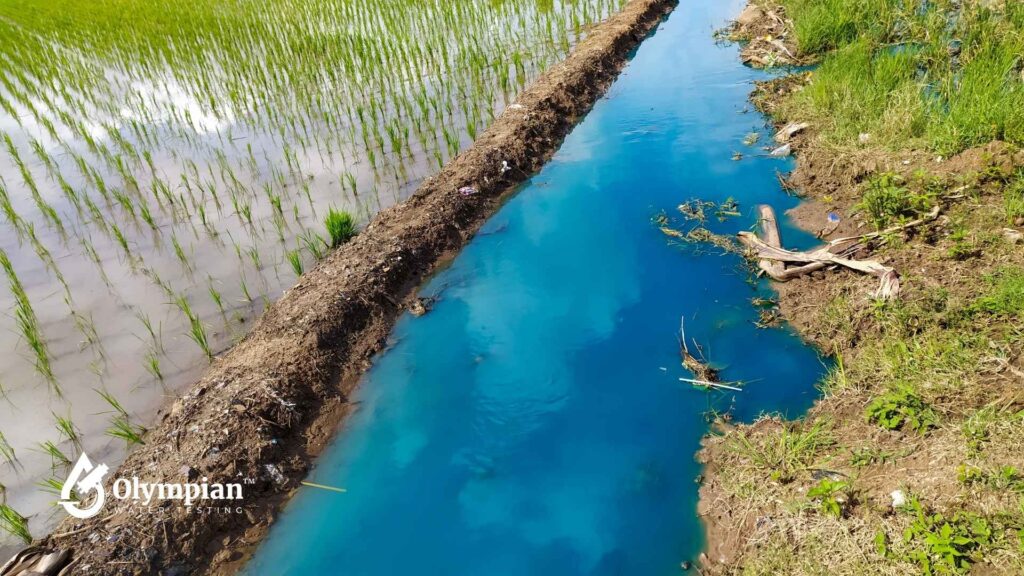
Many homeowners rely on private well testing to identify water contaminants that could affect their health. The Environmental Protection Agency recommends frequent checks to ensure each system meets safety standards. Some impurities only alter taste or color, yet others may trigger serious ailments when left unchecked.
Bacteria and Viruses
Microbes such as coliform bacteria can cause digestive troubles, while certain viruses linger in groundwater after contact with animal waste. Regular analysis of well water helps pinpoint harmful organisms more effectively. Small levels may remain harmless, but larger colonies often demand deeper disinfection or treatment interventions.
Heavy Metals and Chemical Residues
Metals like iron or copper leave rust stains and unpleasant tastes if allowed to build up. Chemical residues from pesticides and industrial runoff are also common along farming regions. A balanced approach tends to be the most cost-effective strategies for reducing these hazards and keeping water clean.
Contaminant Type | Possible Effect | Recommended Testing Interval |
Bacteria & Viruses | Odor, illness, stomach issues | Every 6-12 months |
Metals & Chemical Residues | Staining, strange taste, long-term health risks | At least once per year |
Signs It’s Time for Another Water Test
Unusual odors or tastes in tap water often signal emerging issues. A rotten egg scent can suggest sulfur-related imbalances that let bacteria and viruses develop. A chlorine-like smell might point to lingering chemicals or improper treatment. An odd aftertaste occasionally outlines corroded pipes or minerals leaching into the supply.
Visible particles or stains are another warning that testing is overdue. Yellowish hues or brownish sediment sometimes show rust and sediment buildup. Cloudy water may affect everyday activities, posing a risk of waterborne illnesses if left unchecked. Noticing these signs promptly helps prevent more serious concerns.
Consulting local community resources or certified laboratories ensures accurate assessments. Timely tests preserve health and maintain pleasant water quality at home.
Indicator | Possible Cause | Next Step |
Rotten Egg Smell | Sulfur Buildup | Check for Bacterial Contamination |
Metallic Taste | Pipe Corrosion | Perform Corrosion Testing |
Brownish Water | Rust or Sediment | Flush System or Seek Professional Help |
Protecting Children and Sensitive Groups
Infants, pregnant women, and those with weakened immune systems face higher risks from contaminants like nitrates, lead, and harmful microorganisms. Babies consume more water relative to their body weight. This increases their exposure to pollutants in private wells.
Regular testing of residential wells is key to ensuring a safe water supply for these vulnerable groups. It minimizes the risk of acute stomach illnesses, rashes, and other health issues. This proactive measure supports overall well-being and reduces the chance of chronic complications.
Regular water maintenance is vital to mitigate risks. It may involve professional evaluations, updates to filtration systems, or corrective treatments based on test results.
“CDC recommends testing private wells at least once a year for total coliform bacteria and nitrates.”
Cost-Effective Strategies for Regular Testing
Ensuring well water safety doesn’t have to break the bank. Simple, budget-friendly steps can keep you informed. Look for local programs and explore affordable testing methods.
Local Community Resources
State health departments and county extension offices may offer low-cost or free testing events. These clinics help identify changes and warn homeowners of possible problems. Some groups also collaborate with universities, providing educational materials and expert advice.
DIY Test Kits Versus Professional Services
A water testing kit can provide basic information like pH or hardness levels. It offers a quick overview of your water quality. For more detailed analyses, such as bacteria or chemical residue checks, professional assistance is often necessary. A combination of DIY kits and professional services ensures a thorough and safe testing regimen.
Proactive Measures to Prevent Waterborne Illnesses
Wells that receive regular maintenance are less prone to harboring harmful microorganisms. Shock chlorination, a common practice, effectively combats bacterial growth. It also extends the lifespan of the well system. Annual inspections are critical in identifying cracks or faults early, preventing contamination.
The Environmental Protection Agency advises immediate action upon noticing any signs of deterioration. This proactive approach is essential for maintaining water quality.
A well water test at regular intervals provides reassurance. Many issues remain undetected until they affect health. By keeping chemicals and animal waste away from the wellhead, homeowners significantly reduce the risk of contamination. This simple measure helps prevent direct infiltration into pipes or the aquifer.
- Schedule routine chlorination to target lurking pathogens
- Fix damaged casings to stop possible leaks
- Check surroundings for spills or runoff near the system
Each of these steps enhances the well’s defenses against contaminants. They collectively reduce the risk of future complications.
How Weather Events Can Affect Well Water Safety
Environmental shifts can compromise private wells. Storms and strong winds disrupt soil and surface runoff near wells. Staying informed about these changes is key to proactive planning and protection.
Flooding and Contamination Risks
Increased water levels heighten the risk of sewage or chemicals entering wells. Cracks in the casing allow debris to contaminate the water. Well maintenance involves inspecting for structural damage that could allow pollutants to enter. After a major flood, using test kits is advised to detect pathogens in turbid water.
Drought Conditions and Concentrated Pollutants
Long dry spells decrease water volume, concentrating contaminants. Seasonal changes necessitate ongoing monitoring, as reduced flow can intensify heavy metals or mineral deposits. A professional inspection may be required for accurate readings.
Regular inspections tied to weather events and local forecasts are essential for safe water use. This proactive approach supports both health and peace of mind.
Event | Main Risk | Action Items |
Flood | Pathogens, Sewage, Chemical Runoff | Emergency Testing, Well Maintenance, Shock Chlorination |
Drought | Higher Pollutant Concentration | Periodic Sampling, Filtration Updates, Monitor Seasonal Changes |
Indicators of a Compromised Water Source
For households on private wells, vigilance is key. Unusual smells or tastes can indicate serious problems. These signs are a call to action, urging families to take immediate steps.
Unexpected Changes in pH Levels
Changes in pH levels often signal water chemistry issues. A drop in pH can lead to pipe corrosion, releasing harmful metals. On the other hand, a sudden increase in alkalinity can cause scaling on fixtures. Professional water testing is essential to catch these changes early.
This proactive approach helps prevent major plumbing damage. It ensures the water remains safe for household use.
Unusual Staining or Corrosion
Greenish stains on sinks or tubs can indicate high copper levels. Rusty spots suggest iron buildup, both signs of compromised plumbing. Installing devices from trusted brands like Culligan or Brita can help mitigate these issues.
Early intervention is critical to avoid costly repairs and protect health. Regular maintenance and monitoring are essential.
- Schedule professional water testing every few months to confirm safety levels.
- Inspect point-of-use devices regularly to ensure contaminants stay under control.
When to Seek Professional Assistance
When unexpected odors linger or illnesses continue among household members, swift action is vital. If these problems go unchecked, a licensed well professional or water testing lab should be contacted at once. This step helps rule out deeper issues that basic treatments cannot fix.
Skilled experts assess pumps, seals, and filtration systems to ensure thorough remediation. They offer insights on advanced equipment so families can protect themselves from well water myths that often lead to overlooked hazards. Professionals test for methane or chronic contamination that might pose serious risks.
Residents rely on professional assistance for regular checkups, which is essential for older wells that have never been serviced. Specialists pinpoint the root cause of low pressure or sudden discoloration and design customized solutions that fit each home’s needs. Early intervention safeguards health and preserves water quality far beyond short-term fixes.
Warning Sign | Possible Cause | Solution |
Lingering Odors | Microbial Growth | Disinfection & Lab Testing |
Persistent Illness | Unsafe Bacteria | Comprehensive Treatment |
Low Pressure | Damaged Pump | Professional Repair |
Long-Term Health Implications of Contaminated Water
Using impure well water for extended periods can affect overall health in subtle ways. Factors like arsenic or nitrates, though hidden, can harm the body over time. This is due to prolonged exposure.
Children and those with sensitive health are at greater risk from pollutants. Unseen contamination can lead to waterborne illnesses. These conditions can worsen with repeated exposure.
Chronic Exposure Concerns
Regularly drinking contaminated water can lead to health issues that develop slowly. Symptoms like digestive problems or nerve damage might not appear until months or years later. Taking preventive measures, like regular testing, can greatly reduce these risks.
Importance of Regular Check-Ups
Maintaining safe drinking habits goes beyond just the well. Annual health check-ups can help detect early signs of health problems linked to contaminants. Regular exams and screenings provide families with peace of mind, ensuring any hidden threats are quickly identified and addressed.
Contaminant | Possible Complication | Suggested Action |
Arsenic | Nerve or organ damage | Regular medical visits, filtration |
Nitrates | Gastrointestinal distress | Routine testing, awareness |
Bacteria | Infections, digestive upset | Prompt disinfection, consistent monitoring |
Comparing Testing Methods and Technologies
There are various methods to assess water quality. Some opt for a basic water testing kit for quick results, while others prefer more advanced processes. Each approach emphasizes the need for continuous monitoring.
At-Home Kits with Instant Feedback
Test strips and digital meters provide immediate readings of pH or hardness. A basic kit can identify common minerals, giving a quick overview of a well’s condition. Mail-to-lab services extend this by detecting a broader range of contaminants. They offer rapid feedback but might miss subtle chemicals or bacteria.
Laboratory Analysis for Detailed Insights
Large-scale labs offer deeper insights. Professional water testing includes tests for bacteria, metals, and harmful substances. This method requires precise sampling and shipping costs. It provides detailed results, ensuring safer drinking water. Often, combining methods offers the best of both worlds: speed and accuracy. Many certified facilities back these results, giving homeowners confidence.
Maintaining a Testing Schedule for Peace of Mind
Experts and state authorities recommend testing well water annually or biannually. This helps identify sudden changes in mineral or microbial levels. A regular schedule allows for early detection of issues, ensuring water quality remains reliable. Keeping a record of each test provides a long-term perspective on any evolving changes.
Every three to five years, additional tests are advised to detect deeper contaminants. These could be linked to industrial or agricultural activities. Regular maintenance routines benefit from these tests, which help identify health risks. For detailed information, refer to well water standards from reputable sources.
- Examine quality once or twice each year
- Schedule specialized analysis at longer intervals
Frequency | Main Focus | Typical Checks |
Annual/Biannual | General Water Safety | Bacteria, Nitrates, Basic Minerals |
Every 3-5 Years | Extended Contaminant Screening | Pesticides, Industrial Chemicals |
Addressing Misconceptions About Well Water Quality
Many homeowners cling to outdated beliefs about well water, ignoring the presence of pollutants beneath the surface. While soil layers can filter out some toxins, they are not a foolproof barrier against all contaminants. It’s essential to consider private well testing as a safeguard against unexpected hazards, including pH level changes.
Myth of ‘Pure’ Groundwater
Groundwater is often perceived as completely pure. Yet, subterranean layers may not always block contaminants from farm runoff or industrial zones. Homeowners should remain vigilant, watching for unusual smells or discoloration in their water.
Misunderstood Testing Intervals
One test is insufficient to address new hazards or seasonal changes. Weather patterns can alter water chemistry in just a few months. Regular testing is key to detecting subtle signs, ensuring every drink remains safe for families.
Misconception | Reality |
Groundwater is automatically clean | Contaminants from farms and industries can pass through soil layers |
One test is sufficient | Testing more often helps detect unknown factors and changing water chemistry |
Staying Vigilant for a Healthier Future
Private well owners can rest easy with regular maintenance and timely inspections. The Environmental Protection Agency notes that modern filtration methods effectively remove harmful microorganisms and chemical residues. This ensures water remains free from sudden taste or color changes.
Many opt for point-of-use devices to fit their daily needs. These systems filter water right before use, providing extra protection against unexpected contaminants. It’s important to stay vigilant about changes in well water quality, as seasonal shifts or severe weather can introduce new pollutants.
Being proactive means scheduling regular check-ups and addressing issues promptly. This proactive stance ensures a healthier future for all household members. By adopting safe practices and leveraging modern solutions, homes can maintain a reliable water supply for years ahead.
FAQ