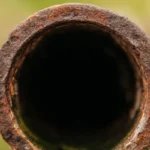
Importance of a Thorough Water Analysis
Every water source harbors hidden elements that might remain undetected without a detailed assessment. A single test could miss metals, bacteria, or rising Nitrate Levels. pH readings and total dissolved solids are key indicators of corrosion risks, pointing out issues from plumbing or underground layers. By including a wide range of checks, households gain a clear understanding of their water quality.
Experts at the EPA advise tracking contaminants that pose health risks, focusing on those that affect expectant individuals and infants. Fertilizers or septic systems often increase Nitrate Levels, which can spread through groundwater. Regular screenings help homeowners detect early changes and prevent larger issues. Key parameters to include in a full analysis are:
- Total dissolved solids for signs of mineral buildup
- pH balance to gauge acidity or alkalinity
- Microbial presence that reveals bacterial activity
This approach ensures families are well-informed and prepared for any necessary water treatments or filtration upgrades.
Common Sources of Contamination
Wells are vulnerable to threats from below ground, affecting water quality. Fertilizers, industrial byproducts, and Heavy Metals can infiltrate aquifers undetected. Landscape features, frequent floods, and regular farm activities also play a role in risk levels.
For a deeper look into well water safety, visit this resource. Preventing harmful substances requires awareness and regular testing.
Agricultural Runoff
Farm activities often result in chemical and microbial contamination. Chemicals used to enhance crops or control pests can migrate through soil and reach private wells.
- Pesticides and herbicides can remain in groundwater.
- Nutrient levels increase, posing health risks.
- Bacterial contamination rises with livestock waste infiltration.
Natural Mineral Deposits
Soil and rock layers release minerals into water. Heavy Metals like iron, arsenic, or manganese are more prevalent where geological deposits are abundant. Early detection of these contaminants is critical to protect families from unexpected exposure.
Source | Key Contaminants |
Agricultural Fields | Pesticides, Nitrates, Bacteria |
Mineral-Rich Strata | Iron, Arsenic, Manganese |
Typical Tests Found in a Full Panel
These evaluations help homeowners identify hidden dangers in their private wells. A full analysis covers both microbial and chemical aspects. It provides a detailed look at water quality and safety.
Bacteria and Microbial Testing
Coliform Bacteria are a key focus because their presence can indicate harmful organisms. Tests measure total counts and specific strains like E. coli. If contamination is found, it’s a clear sign that immediate action is needed.
Chemical and Mineral Analysis
Experts test for toxic metals and other harmful elements. Metals like lead, arsenic, and manganese can build up in well water. Without lab-grade screening, they remain undetected. Knowing the exact levels helps in finding effective solutions to protect health.
Test Category | Key Target | Potential Impact |
Microbial Panel | Coliform Bacteria | Gastrointestinal illness |
Heavy Metal Screen | Lead | Nervous system issues |
Mineral Check | Arsenic | Long-term toxicity |
Ideal Frequency for Testing
Annual checks are essential for maintaining consistent safety and detecting subtle shifts in water quality. A regular schedule helps monitor evolving factors that could threaten household health. Deep wells tend to have stable results, but shallow wells are more susceptible to contamination.
Signs of recent flooding or land disturbances require extra attention. Sudden changes in taste or smell also signal the need for immediate sampling. Regular Well Water Testing on a set timeline reduces uncertainty and offers peace of mind.
Basic tests once a year lay a solid foundation for ongoing evaluation. More detailed exams, such as deep chemical panels, can be done every three to five years. Areas with frequent storms or agricultural sites may need more frequent testing. Well Water Testing at these intervals ensures a safe supply for daily use.
Well Water Testing
Private wells require diligent care to maintain a steady flow of safe water. Maintenance includes regular inspections and precise Water Quality Analysis. These tests detect chemical and microbial threats early, safeguarding family health.
"Regular well tests help reveal contaminants before they become a hazard," explains the U.S. Environmental Protection Agency.
Tailoring Tests to Local Conditions
Tests differ by region. In agricultural areas, nitrates and pesticides are common concerns. Regions with natural mineral deposits may face arsenic or excessive iron issues. Understanding these local characteristics is key to a tailored testing strategy.
Consulting Certified Labs
Experts at certified labs handle every aspect with precision. Their equipment meets strict standards, ensuring accurate results. A useful guide on recommended screening helps residents plan thorough testing. This approach enhances confidence in each Water Quality Analysis.
Interpreting Water Quality Reports
Lab results often come in parts per million (ppm) or parts per billion (ppb). Understanding these units helps us see how close results are to EPA guidelines. Test summaries might use abbreviations like MCL, showing safe consumption thresholds.
Experts advise checking for Coliform Bacteria indicators, as they signal microbial risks. Samples without these organisms suggest a lower risk of illness. Yet, follow-up monitoring is wise when taste or odor changes occur. Unfamiliar terms in the report can lead to further testing or professional advice.
Reports may also show Heavy Metals data, like lead or arsenic levels. If levels approach or exceed limits, careful evaluation and treatment are needed. Discussing options, choosing suitable solutions, and verifying safety through regular testing are essential.
Strategies for Maintaining Potable Water
Regular care is essential for keeping wells clean and reliable. Testing helps identify problems related to bacteria and Nitrate Levels. These issues can harm water quality and erode household confidence. By focusing on treatment solutions, we protect our health and preserve the taste of our water.
Shock Chlorination
Shock chlorination targets bacterial buildup by introducing a high concentration of chlorine into the well. It effectively disinfects the surroundings and forces harmful microbes out of the water. Regular shock treatments are necessary if ongoing testing shows persistent bacterial concerns.
Filtration Systems and Softening
Combining filters and softeners addresses mineral concentration and Nitrate Levels effectively. Reverse osmosis units remove many contaminants at the tap. Whole-house softeners, on the other hand, reduce calcium and magnesium, preventing scale buildup. Major brands like Pentair and Culligan offer tailored solutions for homes.
These strategies complement thorough testing, ensuring any issue is caught and treated promptly. By taking preventive measures, we ensure safe drinking water for the long term.
Why Bacterial Tests Are Crucial
Coliform Bacteria often indicate the presence of contaminants that can pose health challenges. A thorough Well Water Testing approach helps identify these organisms before they spread. Pregnant women, older adults, and infants rely on consistent checks to lower the chances of waterborne illness.
Researchers note that coliform itself may not always cause direct harm, yet it can point to pathways that allow harmful microbes to enter the water supply. Early detection helps households avoid digestive issues and other severe complications. Prompt remedies include disinfecting wells and scheduling follow-up tests.
- Identify risks in shared groundwater areas
- Ensure water meets local health guidelines
- Reduce the threat of vulnerable family members falling ill
Bacteria Type | Concern | Recommended Action |
Total Coliform | Signals water pathways for germs | Immediate disinfection and repeated testing |
E. coli | Suggests fecal pollution | Seek professional treatment and lab verification |
Chemical and Heavy Metal Testing Insights
Regular screening often uncovers hidden issues in wells. Heavy Metals can remain undetected for years, making targeted testing critical.
Arsenic and Lead Concerns
Arsenic poses significant health risks if levels remain elevated. Lead can enter water through corroded pipes, affecting both children and adults. The Environmental Protection Agency provides guidance on reducing these contaminants. They recommend certified filtration units and regular pipe inspections.
Nitrates and pH Levels
Elevated Nitrate Levels can harm infants, leading to oxygen deficiencies in the bloodstream. Maintaining a balanced pH is essential to prevent corrosion and further contamination. Families follow the Centers for Disease Control and Prevention‘s advice. They install reputable filters and schedule regular checks to ensure water safety.
How Seasonal Changes Affect Wells
Wells react to changing weather patterns, impacting their stability and purity. Heavy storms can push surface materials deeper into aquifers, increasing contamination risks. Dry periods concentrate pollutants in lower water tables, making regular testing critical. This cycle is key in Water Quality Analysis, as small changes in weather can affect water safety.
Rainfall intensity and frequency dictate how much runoff enters a well. Owners should monitor these changes to schedule timely checks. Proper sealing protects wells from debris, but aging structures or cracked caps can let pollutants in. Regular Water Quality Analysis helps anticipate seasonal changes and address any emerging issues.
Working with Accredited Laboratories
Accredited labs adhere to strict guidelines to safeguard sample integrity. This meticulous approach ensures thorough testing, instilling confidence in water quality data. Experts, trained in recognized protocols, deliver in-depth findings. These findings highlight any possible issues, benefiting property owners seeking reliable insights through Well Water Testing.
Sample Collection Procedures
Proper sample handling starts with clean containers and a suitable faucet. Timing your draw is key to gather representative water for accurate results. Some labs suggest using a chain-of-custody form to track each step from collection to delivery. This documentation maintains the validity of every test.
- Rinse containers with the target water
- Seal each sample promptly
- Mail or drop off materials without delay
Turnaround Times and Accuracy
Many accredited facilities aim for quick results, though complex panels may require more time. Their resources enable advanced methods to uncover microscopic or chemical threats. Well Water Testing uncovers conditions that may necessitate action. Reports often come as detailed charts, aiding in clear decisions about safety measures.
Proactive Measures for Long-Term Safety
Regular inspections and prompt repairs are key to avoiding hidden dangers. A sealed well cap prevents debris, insects, and other threats from entering. Consistent water sampling is vital, focusing on Coliform Bacteria to uphold health standards.
Annual water testing is advised by the Environmental Protection Agency. Simple, consistent actions can prevent costly repairs. A pre-filtration system offers an initial defense against pollutants. Disinfecting with chlorine after any structural changes removes harmful organisms.
- Inspect the well structure to avoid hidden leaks
- Keep a secure cap to block undesirable materials
- Schedule microbial analysis that targets Coliform Bacteria
- Apply routine filtration for emerging contaminants
- Perform chlorine shock treatments when needed
These steps enhance peace of mind and safeguard homes long-term. Regular maintenance keeps water clean and free from harmful microbes. This ensures a reliable water supply for all.
Ensuring Confidence in Your Water Supply
By taking proactive steps, families can feel secure about their tap water. Regular Water Quality Analysis uncovers hidden dangers early on. This proactive approach helps identify contaminants and ensures safety for all.
Well Water Testing reveals how local geology and rain patterns impact water quality. Regular tests ensure that water meets EPA cleanliness standards.
Expert laboratories provide detailed information on bacteria, minerals, and chemicals. Quick action allows households to address issues promptly, safeguarding health.
This method builds lasting confidence in a vital resource. It enables households to plan for upgrades or new equipment when necessary. This strengthens protection and promotes long-term well-being.
FAQ