

Understanding How Well Water Differs from City Water
Many homeowners rely on private wells for their drinking supply. Unlike municipal systems, wells draw water directly from underground formations. The local geology can introduce minerals and elements that affect flavor, clarity, and safety. State health departments recommend testing for hardness, iron, and nitrates to catch imbalances early.
Mineral Content of Well Water
Calcium, magnesium, and other dissolved solids often accumulate in wells. This buildup can cause limescale, damaging fixtures and appliances. A well water filtration system can reduce these minerals, keeping dishes clean and plumbing efficient.
Potential Contaminants
Bacteria, pesticides, and trace metals can enter groundwater supplies. Agricultural runoff can increase nitrates, while older piping or industrial sites can affect purity. Routine checks help identify problem areas before they become hazards.
Overall Water Chemistry
pH and alkalinity are also critical. Acidic water can corrode pipes, while highly alkaline water may leave residue. A customized well water filtration system addresses these variables. It creates a safer, more pleasant supply that meets each household’s unique needs.
How Reverse Osmosis Works to Treat Drinking Water
Water often carries impurities that can affect taste and safety. The Environmental Protection Agency identifies reverse osmosis as a point-of-use system with multiple filtration stages. Many states offer household units for homeowners whose water needs extra help. This process relies on forcing water through specialized materials that catch contaminants and leave cleaner water behind.
Key Components of an RO System
Most systems feature sediment filters, carbon filters, and a semi-permeable membrane. Each part targets particles, odors, or chemicals. The sediment filter blocks larger debris. The carbon filter tackles chlorine and organic compounds. The membrane is the core that traps dissolved solids and harmful elements.
Stages of Filtration
RO water treatment typically moves through several steps. A sediment stage protects downstream parts from grit. A carbon stage absorbs chemicals. The membrane stage rejects invisible pollutants, and a final filter may improve taste before reaching the tap. This layered design provides a reliable path to clearer, fresher water.
Confusion About Over-Purification
Homeowners often think that stronger water filtration means better protection. But, excessive purification can remove beneficial minerals from well water. In areas like Minnesota, wells may contain nitrates, as reported by the Minnesota Star Tribune. Yet, focusing solely on removing these is not enough.
Using filters too much wastes resources and increases maintenance costs. A private well contamination issue might involve bacteria or high iron levels. These require treatments beyond just reverse osmosis. Over-purification can make water taste flat and fail to address all hazards.
Effective solutions involve testing and matching water chemistry to filtration goals. This method prevents wasted time and protects against contamination. It ensures water retains essential nutrients and flavor.
Signs That Reverse Osmosis May Be the Wrong Choice
Not every well setup is compatible with a reverse osmosis system. Certain warning signs indicate the need for specialized treatments or additional steps before installing an RO unit. Routine testing is essential to determine if pretreatment systems are necessary.
High Iron Content
Orange stains on fixtures are a clear sign of excessive iron in the water. Removing iron from well water usually requires filters or oxidizing units. These solutions protect the membrane from rapid fouling and ensure the RO system’s efficiency.
Excessive Hardness
Scaling on appliances indicates high levels of calcium and magnesium. This buildup can significantly shorten an RO membrane’s lifespan. Many opt for softeners or conditioners to lower hardness and safeguard the system.
Low Water Pressure
Slow tap flow or weak pressure hampers filtration performance. Booster pumps or pressure tanks often resolve this issue. Understanding common issues with RO systems helps identify when adjustments are necessary.
In some instances, removing iron from well water is just the beginning. Neglecting other contaminants can result in continuous repairs or poor water quality.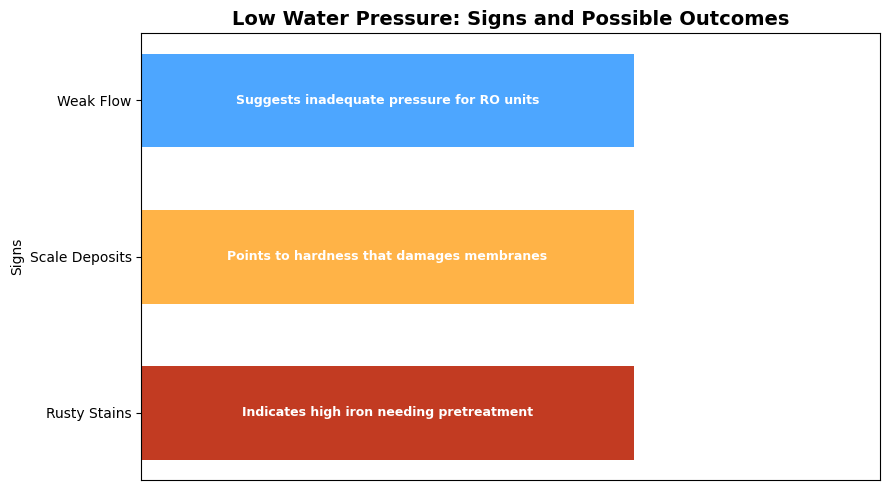
Sign | Possible Outcome |
Rusty Stains | Indicates high iron needing pretreatment |
Scale Deposits | Points to hardness that damages membranes |
Weak Flow | Suggests inadequate pressure for RO units |
When Pre-Treatment Is Required
Many domestic wells contain hardness minerals, iron, or manganese. These elements can clog reverse osmosis membranes and reduce their effectiveness. A tailored approach often involves a water softener or iron-removal filter. Both remedies target excessive particle buildup.
A short analysis of a home’s water supply pinpoints whether pre-treatment for well water is vital. State health departments highlight the need to tackle scale-forming minerals before installing any RO device. This step protects membranes and maintains flow rates.
Brands like Culligan and Kinetico produce systems designed to safeguard RO units. Some households benefit from a sediment filter. These precautions extend the life of an RO setup and ensure reliable water quality for daily use. A thorough pre-treatment for well water often leads to fewer repairs and lower costs over time.
Common Myths Surrounding Reverse Osmosis for Well Water
Some property owners believe a single device can solve all well water issues. The reality is that conditions vary widely, influenced by minerals and possible contamination. Reverse osmosis for well water can be effective, but misconceptions often obscure realistic outcomes and maintenance needs.
One-Size-Fits-All Solution
A single filter rarely addresses every possible problem. Issues like iron, bacteria, or sediment often require specialized steps beyond the usual system. While reverse osmosis for well water helps reduce dissolved solids, it may necessitate pre-treatment or additional filtration.
Removes Everything
Many believe that RO eliminates every impurity. It does reduce common contaminants, yet some organisms or chemicals might survive without additional stages. Testing is essential to identify hidden risks and confirm if extra measures are necessary.
Maintenance-Free Operation
Systems require periodic filter changes and consistent monitoring. Neglecting these needs can lead to reduced efficiency. Adopting a clear schedule and prompt repairs ensures water quality remains safe.
Problems Linked to Improper Installation
Many homeowners rely on reverse osmosis units to ensure their drinking water is safe. Yet, installation errors can lead to costly problems. Loose connections in pipes can cause water to drip into walls or cabinets, creating ideal conditions for mold and structural damage.
An incorrectly set up system can also strain the membranes and misdirect water flow. This setup may skip essential filtration steps, leaving your water vulnerable to contamination. Regular checks of pressure settings and seals are critical to maintain your system’s efficiency.
Leaks and Water Damage
Leaks often stem from connections that are not tightened properly or seals that wear out. These issues allow water to seep under floorboards or behind walls. Initially, small drips may seem insignificant, but they can cause extensive damage if left unchecked. This results in costly repairs and health risks due to excess moisture.
Reduced Filter Efficiency
Systems that are not installed correctly allow unfiltered water to bypass critical stages. This excessive stress on the RO membrane shortens its lifespan. Ensuring proper installation by a skilled professional minimizes the risk of contamination and ensures a steady supply of clean water.
Importance of Water Testing Before Installation
Water analysis is a critical first step in planning any filtration strategy. Different wells can harbor unexpected pollutants. It’s essential to identify contaminants before selecting a suitable approach. This ensures each home invests in the right tools, such as RO water treatment, without overspending or missing a critical threat.
In areas like southeastern Minnesota, test data is prioritized to offer homeowners free or discounted devices. Proper testing helps pinpoint nitrates and other impurities. This boosts public health in places where water safety may fluctuate.
Experts recommend retesting once RO water treatment is installed. This confirms that filtration components are functioning properly. This extra step provides peace of mind and makes it possible to detect any small issues early. It preserves water quality for the entire household.
Alternatives to Reverse Osmosis for Specific Well Conditions
Various methods can tackle unique well water challenges. Each method targets different contaminants without removing essential minerals. These alternatives enhance the well’s defense against common threats. They also make subsequent treatment processes more effective.
Water Softeners
Water softeners use ion-exchange resins to combat hardness. Brands like Culligan or Kinetico tackle minerals such as calcium, magnesium, and iron. This method extends the life of appliances and keeps plumbing systems running smoothly.
Ultraviolet Purification
UV systems kill harmful organisms by disrupting their genetic makeup. Bacteria and viruses are common threats in private wells. Yet, UV light stops their reproduction, providing disinfection without chemicals or altering taste.
Specialized Filters
Some filters target specific contaminants like arsenic or radium, providing targeted protection. These units address elements that traditional methods might miss. Precision filtration enhances water quality while preserving beneficial minerals.
Method | Key Strength | Primary Target |
Water Softeners | Reduces scale buildup | Hardness, Iron |
Ultraviolet Purification | Controls microbes | Bacteria, Viruses |
Specialized Filters | Removes specific contaminants | Arsenic, Radium |
Costs and Long-Term Maintenance Considerations
Initial costs are just the beginning. Replacing filter components regularly is essential to maintain efficiency. For those dealing with iron in their well water, the expenses can be higher. It’s important to consider these ongoing costs alongside the initial investment.
Some households need multiple systems to address different water issues. For example, hard water might require a softener, while high sediment levels necessitate a pre-filter. Each system has its own maintenance schedule and replacement parts.
- Budget for filter media changes at regular intervals
- Plan for possible plumbing modifications
- Schedule professional checks for consistent performance
Iron removal from well water often involves changing filter media or using specialized tanks. These steps help keep water quality high but increase long-term costs. A well-planned budget ensures all equipment is well-maintained without causing financial stress.
Reducing Wastewater and Environmental Impact
High-volume discharge from reverse osmosis can strain local resources. The Minnesota Star Tribune reports that this method removes nitrates from household water but does not eradicate them from the environment. Those with private well contamination aim to protect natural water sources. They seek ways to limit waste.
Modern RO systems feature membranes that filter out harmful elements and flush them away. Wastewater carrying these contaminants often re-enters the ecosystem. There is a growing effort to design new units that lower discharge and save money on utility bills. Maintenance proves vital for reducing long-term impact.
Minimizing RO Discharge
Some homeowners switch to more efficient valves and pumps. Others install recirculation technology that channels leftover water for non-drinking tasks. These small steps help preserve supply and lower the volume sent down the drain. This is essential where private well contamination remains a concern.
Optimizing System Efficiency
Regular filter replacement keeps membranes working at top performance. Checking for leaks saves water. Even slight losses add up over time, driving up bills and wasting resources.
Strategy | Key Advantage |
Recirculation Kits | Reuses water and cuts discharge |
Routine Maintenance | Prevents constant draining and maximizes output |
Choosing the Right Filter for Your Home’s Well
Choosing the right filter for your well water is a critical step. It’s about protecting your home from harmful pollutants and ensuring clean taste. Every home is different, so a tailored approach is essential.
Experts rely on water quality tests to uncover hidden issues. They examine flow rate and pressure to determine the best filter type.
Professional Assessment
Water treatment specialists and local health departments conduct tests to identify contaminants. They recommend either a point-of-entry or point-of-use system, depending on the severity of the issues. A thorough assessment prevents unnecessary costs and ensures safety.
Some homes need a point-of-entry system, while others benefit from smaller filters at key taps.
Matching Filter Type to Contaminants
Different contaminants require specific filters, like activated carbon for organics or UV units for bacteria. A well water filtration system that matches the contaminants ensures clean water every day. This approach prevents under-treatment and maintains consistent water quality for your home.
Key Takeaways for Making Informed Decisions
Ensuring clean well water requires meticulous planning and ongoing monitoring. Tests for nitrates, iron, and other contaminants are essential to determine the most suitable treatment. In areas like Minnesota, public health organizations may offer free or discounted systems to address nitrate issues.
Reverse osmosis can significantly reduce Total Dissolved Solids (TDS) and remove some pollutants. Yet, it might not be the ideal choice for high iron or hardness levels. Regular filter replacements are also critical for optimal performance. Established brands like Culligan provide reliable products and tailored advice based on your home’s water chemistry.
Long-term safety hinges on regular re-testing and vigilant monitoring. Homeowners who consider costs, maintenance, and environmental impact are more likely to choose the best water treatment system. Adopting a holistic approach ensures safer drinking water and enhances overall well-being.
FAQ
Is reverse osmosis for well water always necessary?
Not always. While RO filtration excels at removing diverse contaminants, it may be excessive if a homeowner’s primary problem is limited to issues like high iron or hardness. In those cases, specialized iron filters or water softeners can directly tackle specific concerns.
Does one filtration system solve all private well contamination issues?
No. A single filter typically cannot address every contaminant. Reverse osmosis for well water can reduce nitrates, arsenic, and total dissolved solids, but other pollutants like bacteria or high iron may demand different methods—often as pre-treatment for well water before the water reaches the RO membrane.
Why is pre-treatment important for reverse osmosis systems on private wells?
A: Pretreatment for well water prevents problems like membrane clogging and reduced performance. For instance, iron filters, sediment filtration, or a water softener can reduce deposits that would foul or block the RO membrane. This step ensures more efficient filtration and extends the system’s lifespan.
What is the difference between point-of-entry and point-of-use filtration?
A: Point-of-entry systems treat all water entering the home, ensuring showers, washing machines, and faucets receive pre-filtered water. In contrast, point-of-use units focus on specific spots—like a kitchen faucet—for drinking and cooking. Each approach should match the contaminant levels and pressure conditions identified in the homeowner’s water test.
Do reverse osmosis systems remove beneficial minerals?
Yes, they can. An RO water treatment system does a thorough job of stripping out both harmful substances and trace minerals like calcium and magnesium. If those minerals are a concern, some homeowners opt for a remineralization stage or limit over-purification by combining RO with other filters instead.
How can a homeowner reduce wastewater from an RO system?
Modern systems from reputable manufacturers such as Pentair or A. O. Smith often include water-saving technologies. They boost system efficiency by lowering the reject flow, ensuring less water waste. Regular maintenance and proper sizing based on water chemistry also help curb discharge volumes.
Can poor installation cause extra problems?
Definitely. Leaks, structural damage, and performance losses are common when the system is not set up correctly. A qualified professional will verify pressure parameters, line connections, and sealing to prevent bypassing critical filtration stages, which is essential in areas with notable private well contamination.
Is regular maintenance required for reverse osmosis systems?
Yes. Every unit has a maintenance schedule that includes periodic filter changes, monitoring pressure gauges, and checking membrane performance. Regular attention ensures total dissolved solids remain at safe levels and helps the system continue delivering high-quality water over the long term.
What if well water tests show high bacteria levels?
Reverse osmosis alone won’t handle bacterial contamination. A UV purification system or a chlorine-based treatment can neutralize microbes before they ever reach the RO membrane. If bacteria or other pathogens are present, these specialized methods should be a priority solution.
Should homeowners retest their well after installing an RO system?
Yes. According to guidelines from organizations like the Environmental Protection Agency (EPA) and certain state health departments, retesting confirms that the system is operating effectively for the specific contaminants found on the initial water test. It also helps identify any changes in pH or emerging issues over time.