Overview of Historical Water Sources in Queens
Early settlers in Queens relied on small springs and shallow wells for water. As the population grew, these sources became strained. The need for safer water led to the exploration of new methods.
Gravel deposits offered some filtration, but waste disposal issues threatened water quality. Authorities warned residents about these dangers. They sought solutions to protect against contamination and meet growing demand.
Natural Springs and Early Wells
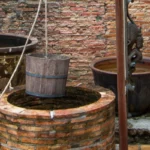
Households drew water from wells and springs, like those in Elmhurst or Hollis. These sources were vital for daily tasks. Records from the 1700s show frequent well repairs due to pollution concerns.
By the early 1800s, the need for more reliable water sources became clear. This led to the development of more robust water systems.
Era | Dominant Source | Key Issue |
1600s | Small Wells | Overuse |
1700s | Natural Springs | Salt Intrusion |
Early 1800s | Deeper Wells | Contamination Risks |
Early Public Health Initiatives
Historic outbreaks of cholera in Queens prompted leaders to scrutinize water usage and management. Wells near garbage dumps were pinpointed as major contamination sources. Municipal officials then worked to diminish waste accumulation by relocating refuse sites and implementing safer disposal methods. Their primary aim was to safeguard public health and curb disease spread.
These reforms marked a significant shift for Queens water quality. Wells were tested for harmful bacteria, and debris around residential areas was monitored. Local boards expanded their oversight, leading to regular inspections of drainage systems. New habits emerged, promoting better hygiene and a cleaner environment. A detailed look at these milestones is available in this resource on water safety.
The changes paved the way for enhanced water supplies in the area. Early action set the stage for future strategies that emphasize consistent monitoring and transparent reporting. These efforts underscore the importance of vigilance against pollutants, saving lives and establishing a basis for modern practices.
- Regular testing of wells and nearby soil
- Improved refuse disposal regulations
- Heightened awareness of community health risks
Water Infrastructure Development Over the Decades
Engineers faced significant hurdles to connect upstate water sources to urban Queens. They invested heavily in water infrastructure. This was necessary to create a reliable system for both residents and businesses.
Creating aqueducts was a major undertaking. These structures carried water over long distances to various districts. Crews also built local reservoirs and enhanced distribution networks. They employed cutting-edge techniques in modern water engineering.
The Impact of Reservoir Projects
These installations were a game-changer when older wells couldn’t meet the needs of a growing population. Officials dedicated resources to land acquisition, excavation, and advanced filtration. This led to a more stable water supply, reducing contamination risks.
Planners collaborated with the NYC Department of Environmental Protection to ensure water quality. This partnership required continuous monitoring, structural enhancements, and regular inspections.
Reservoir | Year Completed | Main Role |
Jamaica Reservoir | 1906 | Supported expanding demand in Queens |
Hillview Reservoir | 1915 | Balanced flow between aqueduct segments |
Kensico Reservoir | 1915 | Ensured filtration and safe distribution |
Regulatory Milestones and Enforcement
Rising awareness of water quality led to significant regulations in New York City. Federal legislation set the stage for stringent safety standards. This, in turn, influenced local policies and ongoing oversight in Queens.
New regulations boosted public confidence in Queens’ drinking water. The Safe Drinking Water Act, among other federal benchmarks, prompted thorough testing for harmful contaminants. This led to more vigilant management.
Proactive Policies for Safe Drinking Water
The Safe Drinking Water Act empowered the New York City Department of Environmental Protection to refine treatment protocols. This shift led to quicker responses to hazards, increasing trust in community resources.
In Queens, local governance introduced stricter disposal guidelines to safeguard waterways. Regular checks on reservoirs and channels reduced health risks and preserved habitats.
Ensuring Compliance at All Levels
Industries must handle waste carefully, and property owners must address maintenance issues to prevent contamination. Scheduled inspections help minimize pollutants in the municipal water supply.
- Federal oversight by the Environmental Protection Agency (EPA)
- Local water quality ordinances in Queens
- Frequent sampling and infrastructure reviews
Regulation | Year | Impact |
Safe Drinking Water Act | 1974 | Stricter testing standards |
Clean Water Act | 1972 | Greater pollution control |
New York City Local Law | 1980 | Enhanced oversight in Queens |
Challenges in Urban Expansion and Aging Pipes
Queens is grappling with the effects of rapid population growth and aging pipeline systems. Many of these conduits date back to earlier construction eras.
Lead components in these older systems pose significant health risks, mainly in older neighborhoods. Corrosion can lead to the release of trace metals into tap water, endangering public health. Heavy storms further strain sewer systems, increasing the likelihood of combined overflows. These overflows can disrupt water flow and harm local waterways.
Investment in targeted upgrades is essential for a safer future. Local planners advocate for the use of modern materials and thorough inspections to mitigate widespread damage.
- Corroded pipes can elevate lead levels
- Excess rain challenges sewer capacity
- Frequent testing catches early contaminants
Key Issue | Possible Impact | Recommended Action |
Aging Pipelines | Higher risk of metal leaching | Material replacement |
Population Rise | Greater demand on networks | Increased infrastructure funding |
Water Testing in Queens: Modern Methods and Practices
Water assessments in Queens employ advanced techniques to ensure public health safety. Laboratories under the New York City Department of Environmental Protection utilize spectrophotometry and mass spectrometry. These methods help detect chemical traces accurately. Experts monitor chlorine byproducts, heavy metals, and pollutants, ensuring each sample meets safety standards.
Regular sampling at residential faucets allows for early detection of emerging issues. Queens’ modern water testing includes real-time sensors that measure flow levels in key areas. These sensors flag unusual shifts, indicating possible compromised water lines or contaminants. The team collects data around the clock to inform consumers about any hazards.
“The Environmental Protection Agency sets strict standards, and Queens continues to refine its approach to meet these thresholds,” said a local water quality specialist.
Public awareness campaigns focus on tap maintenance best practices. They promote regular filter checks and responsible disposal of harmful substances. These efforts enhance community confidence and ensure reliable access to clean drinking water.
Addressing Emerging Contaminants
Queens is grappling with the rise of unconventional pollutants in its water. Studies reveal pharmaceutical residues, industrial waste, and PFAS chemicals are infiltrating local water sources. This raises serious concerns about their long-term health effects.
Pharmaceutical Residues and Chemicals
Experts and community groups stress the importance of proper medication disposal. They point out that traces of common drugs have been found in waterways. This calls for stricter waste management practices.
The Environmental Protection Agency urges caution to prevent harmful substances from entering our water. Their efforts aim to safeguard our most vital resources.
Steps Toward Improved Removal Techniques
Advanced filtration methods are key in combating these pollutants. Technologies like solid activated carbon block filters and reverse osmosis systems show great promise. They effectively capture harmful particles.
Collaborations with the New York State Department of Health are driving innovation. These partnerships lead to enhanced testing and more effective solutions. Together, they strive to maintain Queens’ water quality and safety.
Community Involvement and Awareness Programs
Community involvement is key to shaping the future of water stewardship in Queens. Neighborhood groups collaborate with the NYC Department of Environmental Protection to protect local water quality. This partnership fosters a sense of shared responsibility, motivating individuals to stay informed.
Efforts go beyond single events. Grassroots coalitions appoint volunteers to share vital information on home water testing and safe disposal. Social media pages showcase success stories, encouraging ongoing improvement.
Workshops, Outreach, and Education
Workshops help residents identify warning signs, such as murky water or taste changes. Outreach teams visit schools and libraries, providing hands-on demonstrations. These empower people to adopt best practices at home. Education is a top priority, with sessions on reducing household waste and protecting natural habitats.
“Community-led projects spark lasting change,” said a spokesperson from the NYC Department of Environmental Protection.
- Regular neighborhood clean-ups
- Informational flyers in multiple languages
- Seasonal water awareness drives
Collaboration with State and Federal Agencies
Working together with state and federal agencies significantly boosts Queens’ water quality efforts. Local leaders team up with the Environmental Protection Agency and the New York State Department of Health. This partnership strengthens existing programs and brings in specialized knowledge and tools.
This collaboration helps local officials tackle complex challenges and build public trust. By examining past research and refining training methods, leaders gain valuable insights. These alliances add layers of expertise to city-driven initiatives, broadening protection strategies.
Shared funding opportunities also make large-scale improvements more feasible. Queens can upgrade infrastructure, refine purification systems, and maintain vigilant monitoring. The aim is a coordinated framework for safe drinking water, increased transparency, and future growth.
Importance of Ongoing Water Monitoring
Constant vigilance over local resources promotes trust and protects public health. City agencies rely on round-the-clock tracking to spot subtle shifts in quality. Real-time data guides quick interventions, ensuring a reliable drinking supply.
Comprehensive water monitoring reveals changes in chemistry, from bacterial levels to unexpected compounds. Swift response helps avert complications, keeping the daily supply steady for households and businesses in Queens.
Leveraging Advanced Testing Technologies
Digital sensors gauge temperature, pH, and pollutant concentrations with pinpoint accuracy. Remote alerts allow experts to address anomalies before they escalate. Smart tools complement traditional labs, elevating the overall rigor of examinations.
A structured approach boosts confidence across communities. Proactive measures foster a healthier environment and safeguard the future of Queens residents.
Securing a Sustainable Future for Queens
Queens is set to thrive thanks to long-term plans for its water supply. Local data shows that timely repairs and upgrades can mitigate risks from aging pipes. Community groups also dream of more green infrastructure, which can ease the burden on traditional systems and enhance natural filtration.
Forward-thinking initiatives include digital monitoring tools for real-time quality tracking. This ensures that Queens’ water remains healthy and safe for future generations.
Collaboration is key across neighborhoods, industries, and government agencies. The Environmental Protection Agency and local councils work together to update standards and support innovation in water management. This joint effort ensures that Queens’ resources remain healthy for years to come.
Every resident plays a role in shaping these initiatives. By adopting mindful water use and advocating for pipeline improvements, we collectively strengthen our water distribution. Strong policies and modern techniques pave the way for Queens’ sustainable future and safe water for all.
FAQ
Why is water testing essential in Queens despite modern advancements?
Water testing remains critical due to industrial pollution, aging infrastructure, and new contaminants. Modern reservoir systems and the Safe Drinking Water Act have improved things. Yet, issues like corroded lead pipes and stressed sewer networks continue to pose risks.
What were the earliest sources of fresh water for Queens residents?
In the 1600s to 1800s, Queens’ early residents used natural springs and shallow wells. Overpopulation and poor waste management soon compromised these sources. This led to the need for the robust systems we have today.
How did 19th-century outbreaks shape public health policies in Queens?
Cholera and other diseases prompted leaders to address well contamination and waste disposal. These efforts laid the foundation for better sanitation and water testing, shaping public health strategies.
What role did reservoir projects play in improving water reliability?
The creation of reservoir systems and aqueducts from upstate New York to Queens improved water flow. This monumental project significantly reduced contamination risks by distancing the supply from local pollution.
How do current regulations ensure safe drinking water in Queens?
The Safe Drinking Water Act sets strict contaminant standards. Local governance and agencies like the New York State Department of Health enforce these rules. They conduct regular inspections to ensure compliance.
Why is Queens’ aging infrastructure a concern for water quality?
Many of Queens’ pipes and conduits are decades old, prone to corrosion and lead leaching. Urban growth increases pressure on these systems, sometimes causing overflows during heavy rain.
What modern methods are used to detect contaminants in Queens?
Water officials use spectrophotometry and mass spectrometry to find pollutants like trihalomethanes and heavy metals. Real-time monitoring systems allow for continuous sampling and quick responses to contamination.
Are emerging contaminants like PFAS and pharmaceutical residues a threat?
Yes. Improper disposal of medication and industrial substances introduces PFAS and other chemicals into the supply. Specialized filtration methods, such as solid activated carbon block and reverse osmosis, are used to capture these pollutants.
How do local communities in Queens contribute to maintaining water quality?
Grassroots organizations conduct educational workshops, creek clean-ups, and social media campaigns. These efforts promote proper waste disposal, water conservation, and awareness about unusual water coloration, ensuring neighborhoods protect public health.
Who supports Queens in managing its water quality initiatives?
Collaboration with agencies like the Environmental Protection Agency (EPA) and the New York State Department of Health provides financial support, training, and research. This partnership helps Queens uphold best practices in urban water management.
Why is ongoing water monitoring critical for nearly 2.4 million residents?
Continuous monitoring allows for quick detection of bacterial spikes or elevated pollutant levels. Queens uses remote sensor technologies alongside laboratory testing for prompt interventions, ensuring reliable, safe water daily.
What measures ensure the long-term sustainability of Queens’ water supply?
Continuous infrastructure upgrades, pipe replacements, and green solutions are essential. Collaborative efforts among communities, industries, and government drive innovation. This ensures Queens meets evolving standards and secures a dependable water future.