Discovery of Hidden Chemical Drums in a Long Island Park
While clearing an overgrown trail, workers uncovered 22 sealed industrial barrels buried beneath layers of soil. Despite being sealed, signs of rust suggested possible leaks. Tests revealed the presence of TCE and related solvents, sparking concerns about contamination risks to the aquifer. The discovery has heightened fears of a Long Island water crisis, given the reliance on local water sources.
The unexpected find has prompted extensive investigations by the United States Geological Survey. Teams are mapping the underground spread of chemicals to keep the public updated. An official noted,
“Protecting our water supply from TCE infiltration is essential for sustaining healthy communities.”
Efforts are underway to remove the buried waste, safeguard the groundwater, and rebuild public trust.
Experts caution that neglecting these warning signs could worsen the Long Island water crisis. The cleanup involves precise excavation and the use of protective barriers. These measures aim to prevent pollutants from reaching vital groundwater reserves.
Potential Hazards Linked to Chemical Waste
Industrial toxins hidden in decaying drums pose a threat when they seep into soil, potentially leading to groundwater contamination. Authorities on Long Island have grown concerned about the damaging effects of these leaking barrels. They urge faster intervention to protect the public.
A wide range of chemicals can release harmful fumes or migrate through porous earth, challenging cleanup teams. Families living near the site worry the threat has persisted for years. It remained undetected until recent findings.
Hazardous Substances Found in the Barrels

Tests reveal solvents and heavy metals such as TCE, PCE, and hexavalent chromium. These elements often damage organs or disturb immune function, posing risks to populations with prolonged exposure. Researchers alert communities to watch for contaminated well systems or unusual odors around natural springs.
Implications for Human Health and the Environment
The health risks extend beyond physical illness. A damaged ecosystem can disrupt food chains and prompt further groundwater contamination. Vigilant monitoring is essential. Toxic runoff jeopardizes wetlands and local habitats.
Chemical | Potential Effects |
TCE | Organ toxicity, possible autoimmune disorders |
PCE | Neurological complications, liver damage |
Hexavalent Chromium | Cell damage, raised cancer risk |
Why Drinking Water Contaminants Demand Immediate Attention
Communities are alarmed when even small amounts of harmful chemicals enter their water. In Bethpage, for example, residents fear TCE pollution could harm public health. Water districts invest heavily in advanced filtration systems to block these toxins from reaching homes.
Acting quickly is essential to prevent these contaminants from spreading through the aquifer. This could affect more people. Officials emphasize the importance of immediate action to avoid costly treatments later. Regular testing also gives families peace of mind, reducing fears of illnesses caused by TCE.
Local leaders collaborate with state agencies to fund ongoing maintenance. They also push for better waste disposal practices. This proactive approach not only protects human health but also saves money in the long run for water management.
Environmental Investigations and Public Warnings
Government agencies collect data through field surveys and lab tests to pinpoint areas with possible chemical contamination. Their research leads to thorough assessments to pinpoint pollution sources, measure toxicity, and develop response plans. This effort protects residents from harmful exposure and kickstarts the environmental cleanup process.
Role of Environmental Protection Agencies

The New York State Department of Environmental Conservation (DEC) and the Environmental Protection Agency (EPA) work together. They set guidelines and oversee environmental cleanup efforts. Their work ensures quick action when contaminants threaten water sources, safeguarding public health. This highlights the need for collective responsibility.
Community Outreach and Education Efforts
Local boards organize open forums, distribute safety guides, and maintain open communication about water risks. Many residents seek advice from this government resource on testing and protection methods. Workshops, neighborhood newsletters, and public alerts emphasize the importance of staying updated on local water conditions.
The Process of Safe Drum Extraction and Disposal
Teams trained in environmental safety start by examining soil composition and air quality around each drum. They wear protective suits and use specialized tools to limit exposure to invisible toxins. Workers then enclose barrels in secure containment units to guard local residents from hazardous vapors.
Each container undergoes a strict chain of custody. Only licensed facilities authorized by the U.S. Environmental Protection Agency conduct safe hazardous waste disposal. This prevents leaks during transit. Multiple tests confirm that all protocols are met before further action proceeds.
- Initial inspection identifies chemical contents
- Drums are placed in sealed enclosures
- Licensed transporters follow hazardous waste disposal guidelines
- Soil samples receive laboratory analysis for lingering pollutants
Thorough testing of nearby grounds helps preserve water sources and protect delicate habitats across Long Island. This measured approach aims to keep communities free from dangerous chemical runoff.
Assessing the Potential Risks to Local Ecosystems
Chemicals leaking into underground structures pose a threat to local habitats. The Bethpage contamination is altering water quality and reducing biodiversity in wetlands and ponds. This has significant implications for the health of these ecosystems.
Many species depend on balanced soil and freshwater to thrive. Toxic elements can weaken plant resilience and disrupt wildlife breeding patterns. This undermines the stability of the ecosystem.
Impact on Groundwater Recharge Areas

Groundwater recharge areas are vital for replenishing streams and lakes. Pollutants from Bethpage contamination can accumulate in these areas. Changes in pH or oxygen levels may harm fish populations.
- Possible reduction in aquatic plant growth
- Increased susceptibility to algae blooms
- Long-term damage to water-loving birds
Effects on Native Plant and Wildlife Populations
Plants facing corrosive soil conditions may exhibit stunted growth or genetic shifts. Insects and amphibians that feed on tainted vegetation face reproductive and developmental challenges. A drop in pollinator presence can weaken entire food webs.
Historical Context and Previous Incidents
Decades of aerospace activity have left a lasting impact on this region, raising public health concerns. Chemical leaks from large-scale manufacturing sites have contaminated local aquifers, creating the Grumman plume. Nearby neighborhoods have grown uneasy, realizing these operations have led to unknown contamination in parks, playgrounds, and sports fields.
The TCE scandal highlighted weak regulation and misinformed communities. Residents expressed frustration over poor communication and rising anxiety about exposure. This concern was heightened by the discovery of long-forgotten industrial containers near residential areas. Companies with historic ties to aircraft production faced scrutiny for outdated waste-handling processes from decades ago.
Significant Incident | Impact |
Aerospace Expansion (1960s) | Increased chemical use and spillage risks |
Discovery of TCE Leak | Heightened municipal concern, calls for stricter oversight |
Grumman Plume Awareness | Enhanced testing of water supplies, focus on lasting cleanup |
Local Government Measures to Safeguard Water
Across Long Island, officials are taking proactive steps to protect our water sources. They emphasize the importance of regular monitoring and strict policies. This approach reminds communities of the value of conserving our resources through every decision.
Implementation of Regular Water Testing
Agencies conduct chemical evaluations on a set schedule. These tests help identify sudden increases in pollutants. This allows teams to initiate emergency actions before more serious harm occurs. Neighborhoods benefit from public alerts that guide families on responsible water use during high-risk periods.
- Routine lab checks for heavy metals and other toxins
- Clear communication of testing outcomes
- Swift response protocols when contamination levels spike
Suffolk County Water Authority states, “We stand by our commitment: each resident deserves clean and secure water sources.”
Plans for Better Waste Management Practices

Regulations now demand stricter control over hazardous materials disposal. Cities have restricted industrial activities around key recharge zones. This limits the damage to the aquifer. Teams also promote recycling programs, reducing landfill demands and preventing soil infiltration.
Strategy | Goal |
Upgraded Waste Sites | Prevent leaks entering groundwater |
Improved Zoning Rules | Limit risky operations near sensitive areas |
Community Engagement and Grassroots Advocacy
Local organizations unite neighbors for a cleaner environment. They focus on spreading knowledge about groundwater contamination and its risks. Their outreach programs boost public confidence in collective efforts, reminding everyone that shared responsibility creates lasting change.
Neighborhood Cleanup Initiatives
Volunteer teams unite in parks and residential areas to dispose of litter, abandoned chemicals, and stray debris. Participants learn practical methods for safe disposal, strengthening the community’s resolve to guard against groundwater contamination. Every plan starts with simple steps, such as public trash drives and recycling campaigns, reinforcing a culture of conservation.
Citizen Involvement in Monitoring Efforts
Residents gather data through test kits and workshops, then collaborate with groups like the Environmental Working Group to address urgent concerns. Some share readings of wells and local streams, acting as frontline observers. These actions help officials recognize looming threats, prompting swift moves to protect drinking water for all.
Ongoing Studies and Future Projections
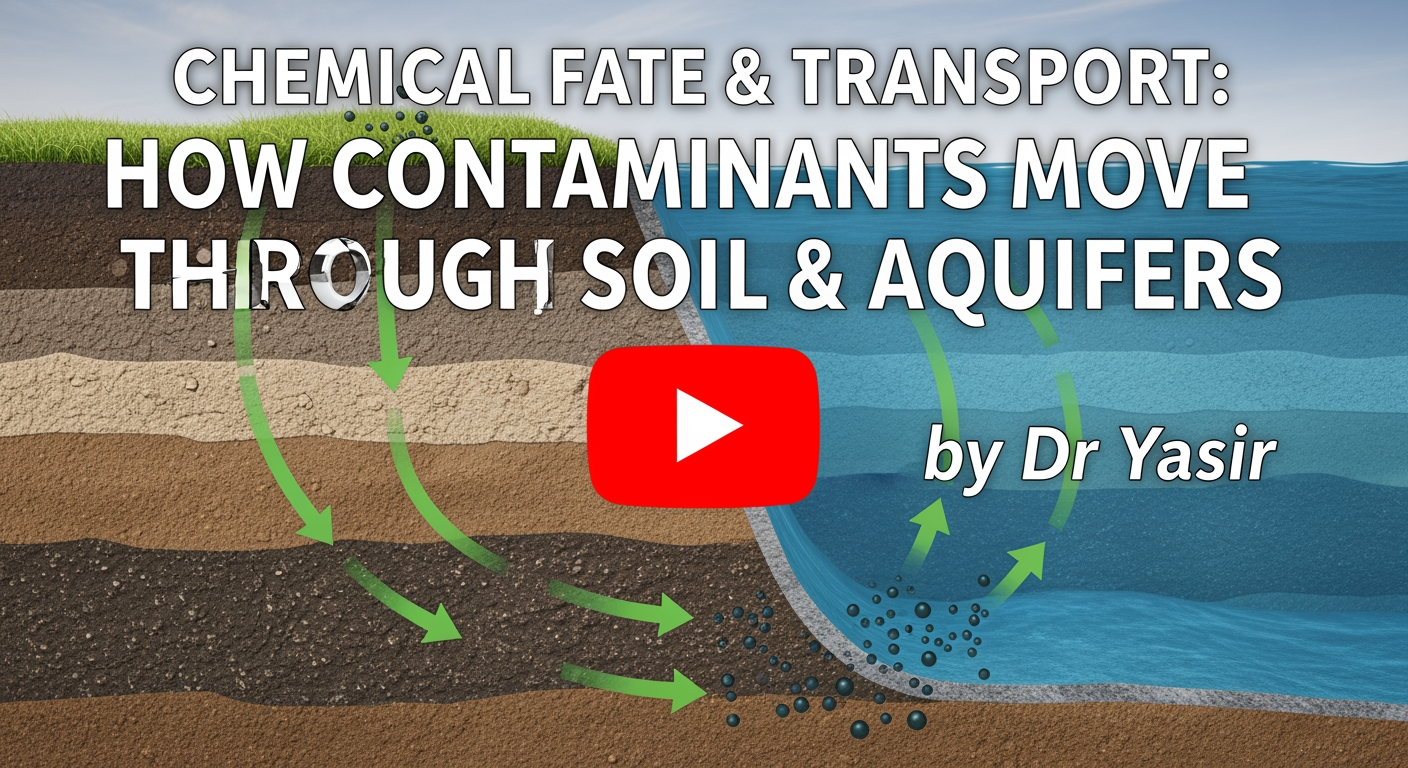
Groundwater experts closely monitor changes in aquifer conditions using real-time observation wells. These wells collect data on contamination hotspots, aiding local water districts in predicting TCE pollution movement. Advanced imaging tools further enhance understanding by mapping subsurface pathways. This raises hopes for more effective remediation strategies.
Experts foresee a multi-decade effort to fully reverse TCE pollution. Progress milestones along the way will guide resource allocation and reassure communities. By refining plume behavior models, scientists can identify filtering methods with high success rates.
- Enhanced chemical filtration is set to reduce toxins at critical well sites.
- Continuous oversight keeps public health alerts current and relevant.
- Expanded data sets help specialists pinpoint effective cleanup goals.
Ensuring a Safer Future for the Island’s Water
Protecting the region’s aquifers requires continuous collaboration among local leaders, health experts, and community members. Modernizing water treatment plants and enforcing strict regulations are key. These actions help reduce chemical threats and prevent dangerous substances from entering public water sources.
Innovative remediation programs tackle polluted areas caused by the Long Island water crisis. Researchers explore new methods to remove toxins. Policymakers monitor emerging risks to the aquifer. Citizens stay updated through local forums on eco-friendly initiatives and safe disposal practices.
Stronger safeguards are essential to safeguard the next generation from lingering hazards. Encouraging responsible industrial practices and embracing scientific insights are vital. This commitment to public health emphasizes the importance of a clear and protected water supply for the Island’s prosperity.