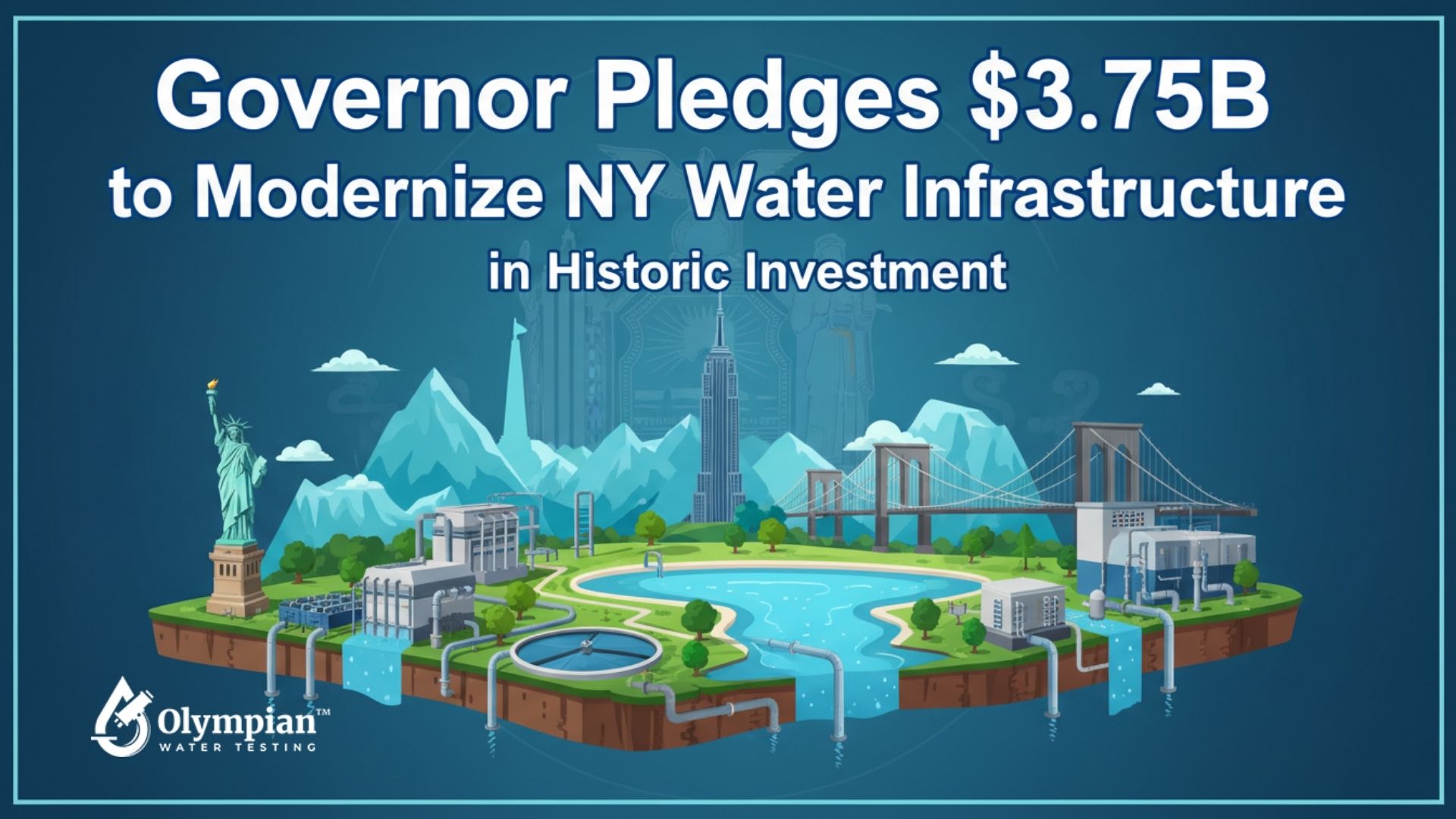
Understanding the Scope of New York’s Water Infrastructure Overhaul
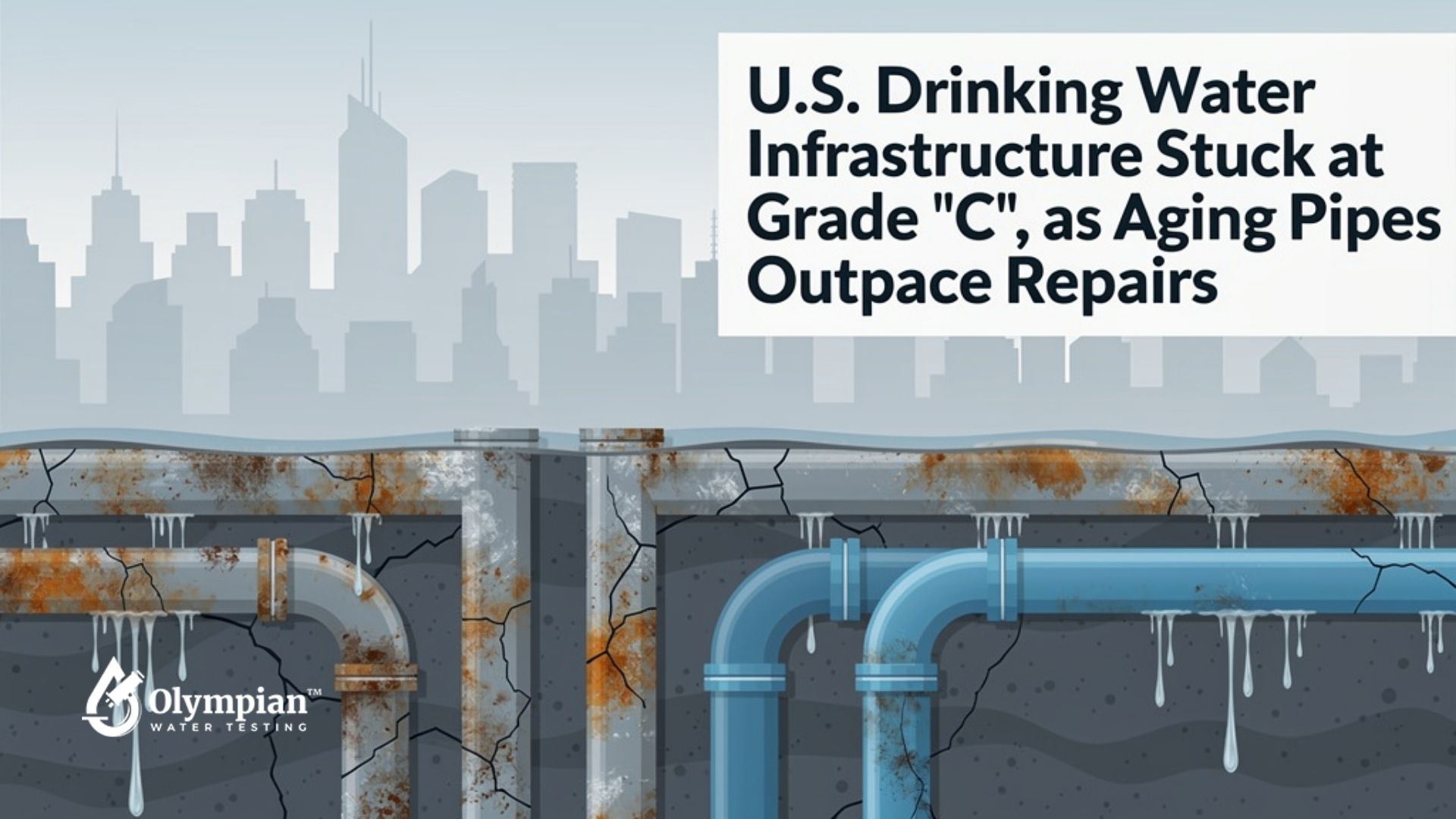
New York’s plan highlights the complexity of maintaining a vast network for safe water. It includes modern filtration facilities, increased reservoir capacity, and thorough inspections. These efforts aim to enhance quality control and address the challenges of terrain and aging pipelines.
By upgrading, the system becomes more resilient, capable of meeting current demands. This focus on public health reduces exposure to pollutants. It ensures enough water for households and businesses.
The modernization of water infrastructure extends to facilities for cleaning and distributing water. Treatment centers are adopting advanced technology to monitor daily flow and alert specialists to any unexpected changes. This improvement strengthens collaboration among municipal agencies, ensuring the safety of New York’s critical resource.
Residents now enjoy cleaner water supplies. Future generations will benefit from a solid foundation for growth and sustainability.
Why the Governor’s Funding Is Crucial for NYC Water Upgrades
This significant investment aims to bring immediate relief by upgrading outdated facilities. It ensures that residents have access to reliable water services. The plan includes targeted improvements to reverse years of neglected repairs, backed by dedicated state funding. It is expected to reduce the risk of sudden service disruptions in areas most prone to them.
Addressing Aging Pipelines

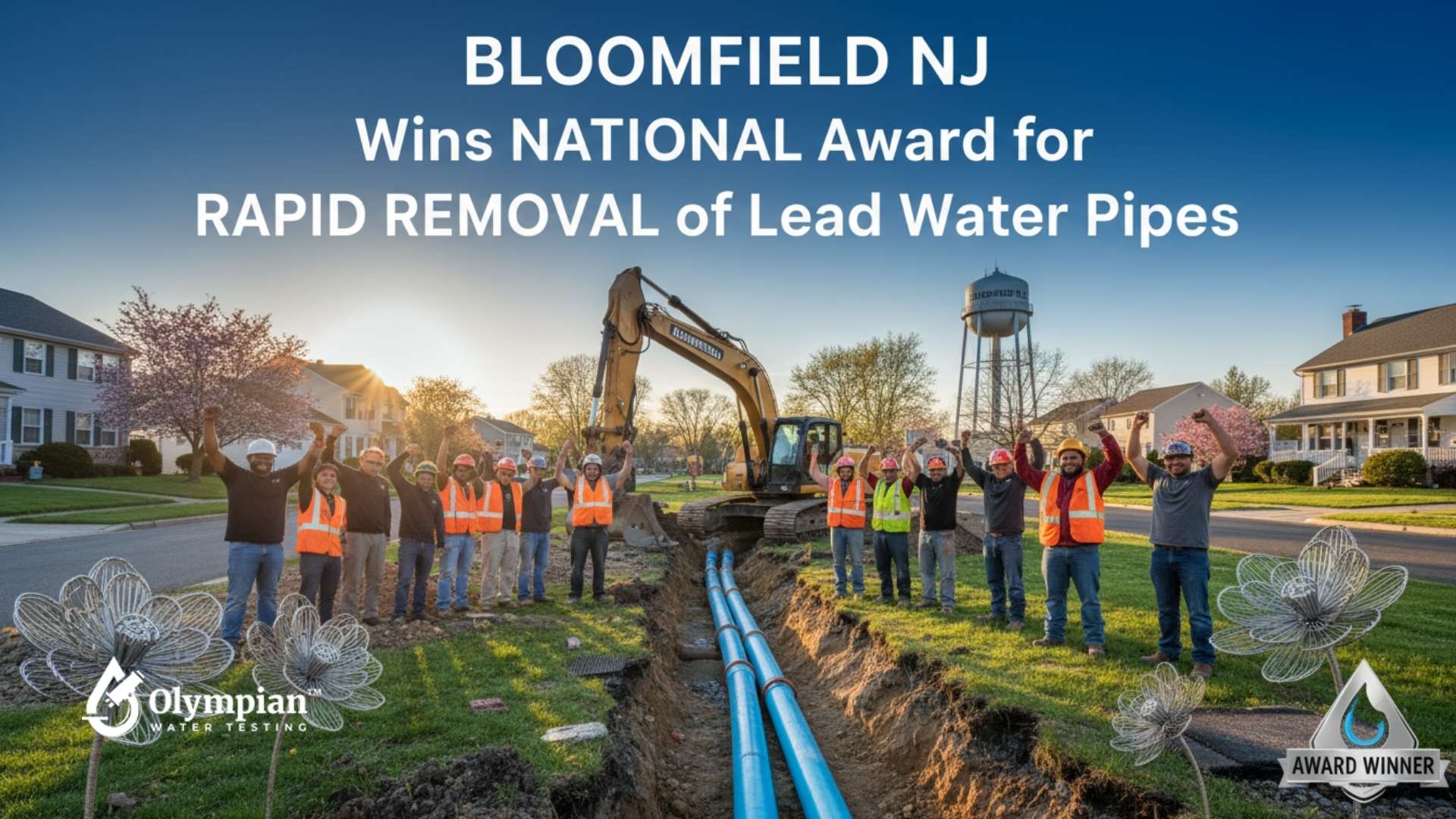
Pipelines carry vast volumes of water daily, yet many are plagued by corroded joints or damaged linings. These issues can lead to leaks or contamination, causing distress for families. A free program to replace private lead water lines in low-income neighborhoods has shown the impact of swift action on community health. Officials believe that continued state funding will sustain these efforts, protecting businesses from future disruptions.
Ensuring Safe Drinking Water
Modern filtration systems and rigorous testing are key to clean drinking water. Improved treatment plants aim to block harmful pollutants at their source. Early detection programs alert maintenance teams when water quality drops. This commitment ensures the health and safety of every neighborhood.
Concern | Impact on Residents |
Leaky Joints | Risk of Contamination |
Outdated Treatment | Health Hazards |
Key Challenges Facing the Current Systems
New York’s water infrastructure is burdened by outdated equipment and changing population patterns. Facilities struggle with rising demand, using decades-old components. Shifting demographics in certain boroughs complicate resource allocation.
Public officials express concerns about frequent maintenance disrupting daily life and posing health risks. Flooding and pipe ruptures raise worries about water quality and increase operational costs. These issues could lead to community impact through temporary shortages and higher fees.
Local businesses must adjust their schedules during repairs, affecting service lines. Homeowners face unexpected shutoffs, sparking concerns about contamination or structural damage. Solutions to funding hold promise for reducing risks and positively impacting community impact.
Challenge | Potential Consequence |
Obsolete Technology | Increased failure rates and higher repair costs |
Shifting Densities | Uneven supply and service interruptions |
Frequent Construction | Extended delays and possible water contamination |
Proposed Project Timeline and Milestones
Planners have outlined a clear schedule for New York’s water system upgrades. The main objective is to ensure every community benefits from these enhancements. This will lead to more sustainable water solutions for the region. Coordinators intend to begin construction soon after final permits are in place, minimizing delays and keeping investments on track.
Projected Phases

Each phase focuses on critical tasks that align with community needs. Early steps involve reviewing priority areas and allocating resources effectively. Later stages center on construction, testing, and inspection to confirm water safety. The end goal is to deliver an infrastructure that improves efficiency while providing sustainable water solutions in the long run.
Ensuring Timely Completion
Dedicated teams monitor task progress at each milestone. This practice helps engineers address any setbacks without wasting time. Staffing needs are balanced to cover varied skill sets, and contingency plans are ready for any unforeseen obstacles. Support from local experts increases the likelihood of on-time results.
Phase | Estimated Duration | Primary Goal |
Planning & Permitting | 6-8 Months | Detail Project Scope |
Construction & Upgrades | 12-18 Months | Modernize Infrastructure |
Final Inspections | 2-3 Months | Ensure Water Quality |
Environmental Impact and Sustainability Factors
Modern strategies are essential for preserving natural resources, keeping up with growing population needs. Upgrades to NYC’s water infrastructure lead to lower energy use and pollution reduction in key waterways. The goal is to minimize waste, save energy, and extend the life of essential systems through green technology.
Efficient filtration and pumping systems across NYC’s water infrastructure boost community health. They eliminate harmful byproducts. The use of clean energy in equipment aims to decrease carbon emissions and preserve vital reserves for the long term.
Reducing Carbon Footprint

Plant improvements, such as solar arrays or hydropower, reduce fossil fuel reliance. Treatment facilities are designed for optimal flow and leak prevention, lowering energy needs and maintenance costs. This strategy ensures a reliable water supply for the future.
Protecting Aquatic Ecosystems
Improved wastewater treatment reduces chemical runoff into rivers and bays. Enhanced filtration systems combat microplastic pollution, safeguarding marine habitats. This effort supports a clean water cycle, meeting state standards for pristine streams and diverse ecosystems.
Technology Innovations Driving Modern Water Solutions
Digital monitoring systems are now essential for proactive maintenance. Facilities use sensor technology to detect changes in pressure or flow. This approach reduces downtime and prevents costly repairs. It also enables engineers to identify issues early, ensuring efficient maintenance.
Cloud-based platforms utilize real-time data to optimize resource distribution. Companies like IBM and Honeywell have developed advanced analytics software. This software identifies irregular water quality indicators, improving efficiency and reducing costs. It ensures faster response times and reliable service.
Water infrastructure modernization involves predictive modeling to forecast system health. Machine learning tools analyze usage patterns and recommend targeted upgrades. These investments lead to a steady water supply and lower operational costs. They reflect a broader vision of adaptability. By combining smart controls with practical engineering, urban areas gain safer systems that withstand rising challenges.
Potential Economic Benefits for Local Communities

Renovating vital water systems brings broad advantages to every borough. This approach bolsters families, supports small enterprises, and boosts overall well-being. The community impact extends from busy commercial districts to quieter residential areas, creating a stable base for future development.
Job Creation and Economic Growth
Expanded infrastructure work draws engineers, laborers, and support teams. This surge in job listings energizes local economies and spurs financial growth. A robust water supply entices other investors who see promise in the region, paving the way for expanded business ventures.
Strengthening Small Businesses
Reliable water services allow restaurants, breweries, and manufacturing plants to operate without interruptions. This stability encourages entrepreneurs to open new establishments and refine existing ones. This effort sparks fresh ideas, keeps local spending in circulation, and nurtures financial stability across neighborhoods.
Public Reception and Stakeholder Perspectives
Local officials, environmental advocates, and private organizations are watching closely as New York Governor Kathy Hochul commits $3.75B to modernizing water infrastructure. Many in City Council see this as a significant step forward. They believe it will greatly enhance the state’s water systems.
Some groups commend the administration for focusing on clean water. Others express concerns about the tax impact. Community leaders are calling for more open forums to discuss construction plans. This ensures that trust remains high, even in areas with a history of pipeline issues.
“This investment stands to reshape public utilities for decades,” said a representative from the Sierra Club. “We believe families will see improvements in water safety and reliability.”
Local business owners share this optimism. They foresee a boost in the economy if these upgrades are completed on time. These diverse views underscore the importance of clear communication. They highlight Governor Hochul’s commitment to ensuring fair infrastructure in all neighborhoods.
Charting the Path Forward for Generations to Come

The $3.75B pledge marks a significant step towards a future where modern water systems flourish. Engineers, civic leaders, and the public unite in a shared vision. This vision aims to safeguard health and support the growth of populations. It showcases the critical role of robust infrastructure and long-term planning.
Consistent backing for sustainable water solutions ensures New York’s water services remain reliable. The city’s commitment to keeping technology current is unwavering. This approach minimizes environmental risks and promotes healthier lives for both urban and rural communities.
With increased resources, the groundwork is laid for safer water systems in the coming decades. Collaborations between government, research, and private sectors reflect a unified mission. The public’s commitment to sustainable water solutions keeps this ambitious project on course. It ensures the preservation of essential water resources for generations to come.