
Background of 3M’s Legal Challenges
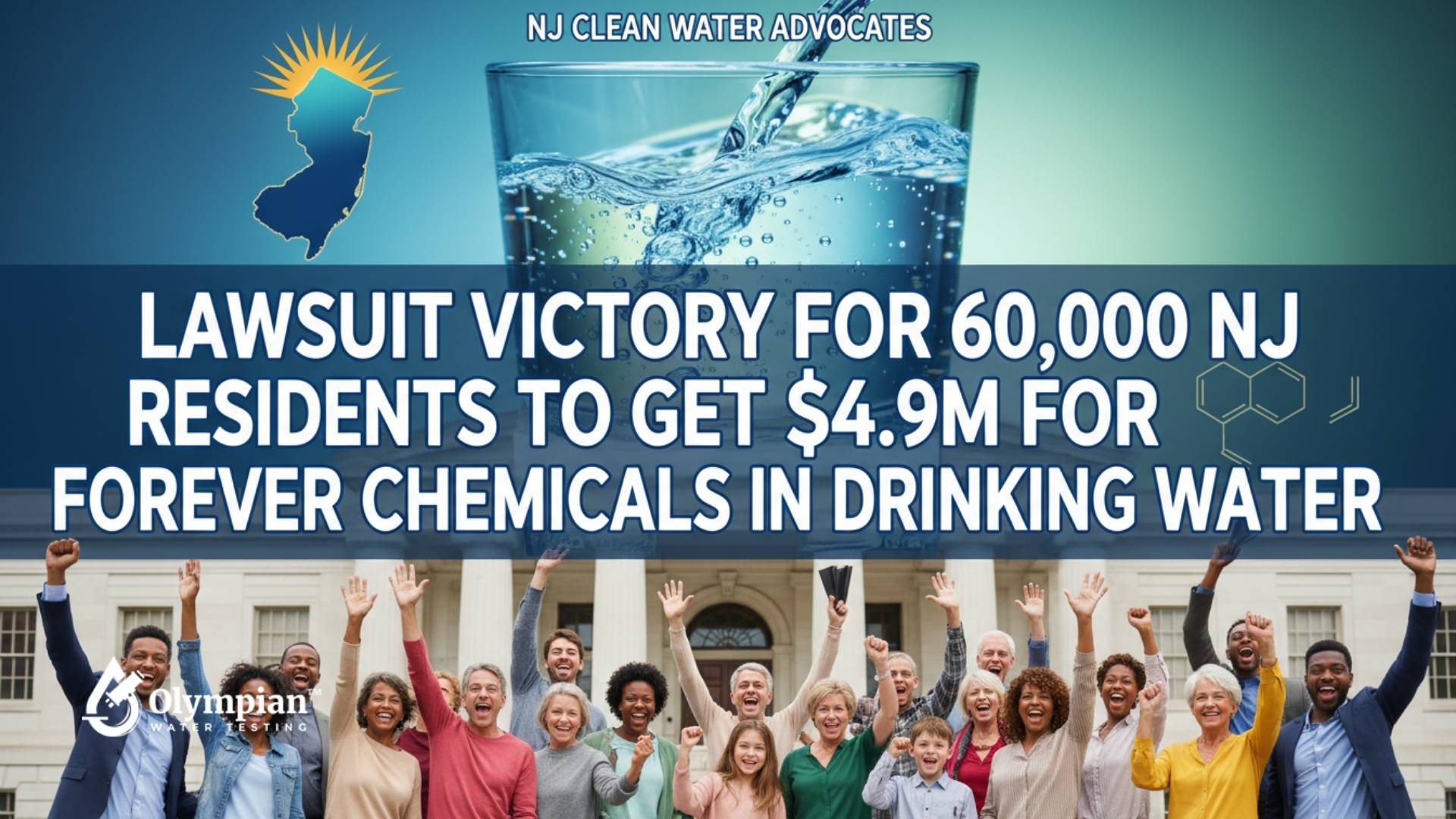
3M has faced increasing legal challenges due to alleged contamination from forever chemicals. The web_sourse reports lawsuits in various states, including significant cases in New Jersey. These cases have raised questions about the extent of damage and 3M’s corporate responsibility.
Early Reports of Contamination
Initial findings indicated a rise in toxic compounds, sparking concerns about water pollution. Environmental advocates warned of the dangers these chemicals pose when they contaminate local reservoirs and soil. This led to PFAS litigation, with health experts demanding stronger protections against public health risks.
Escalating Regulatory Pressures
As evidence mounted, state and federal agencies intensified their regulatory actions. They analyzed sampling data, reviewed corporate records, and assessed the effects on communities near 3M facilities. The call for more stringent oversight reflects the growing concern over environmental hazards from these industrial sites.
Key Points of the Landmark Settlement

The agreement outlines 3M settlement provisions to tackle widespread PFAS contamination in New Jersey. It allocates hundreds of millions of dollars over several decades for natural resource damages, water treatment, and clean-up efforts. It also offers credits for future municipal claims, showing a flexible financial stance.
The deal grants a liability release for certain PFAS-related duties, yet continuous site monitoring is required. This highlights a commitment to environmental remediation. Long-term oversight is essential for protecting water supplies and restoring ecosystems harmed by industrial activities.
Payment schedules are based on the extent of damage and infrastructure needs. Regional officials foresee major upgrades to filtration technology and systems for tracking PFAS levels. The goal is to rebuild trust in local water sources, highlighting the need for ongoing collaboration between state agencies and corporate partners.
| Provision | Focus | Timeline |
| Funding Allocation | Water Treatment & Resource Cleanup | Multi-Decade Payout |
| Liability Release | Resolution of Certain PFAS Claims | Upon Completion of Obligations |
| Environmental Remediation | Site Monitoring & Pollution Abatement | Ongoing |
Financial Implications of the $450M Agreement
This deal marks a significant financial burden for 3M due to long-standing industrial residue. State authorities aim to invest heavily in PFAS abatement and safer water systems. Their goal is to create healthier communities across New Jersey.
The funds will be allocated from 2026 to 2034, with additional payments by 2050. The initial funds will cover drinking water treatment, site remediation, and legal fees. Projects include upgrading filtration systems, restoring soil, and implementing protective measures to reduce cleanup costs over time.
Funding Allocation Strategies

State officials plan to distribute the funds in stages. They will have planning committees monitor project expenses and suggest adjustments as needed. This approach ensures the cleanup’s momentum is sustained through careful oversight and targeted investments in water infrastructure.
Projected Cleanup Costs vs. Settlement
Experts believe restoring all affected areas might exceed the settlement’s budget. Long-term investigations and advanced treatments can drive up costs. Leaders are exploring additional support to ensure total environmental spending keeps up with demands and protects public health during the cleanup.
The Impact of Water Pollution in New Jersey
New Jersey has a long history of dealing with chemical pollutants. PFAS, in particular, poses a significant threat, linked to birth defects and immune disorders. This has put a strain on water quality and led to costly upgrades for water treatment plants. Many residents are now questioning the safety of their tap water.
PFAS contamination enters soil and reservoirs through industrial waste, affecting groundwater. This can harm agricultural land and aquatic ecosystems. The fear for public health has increased, leading to more people buying bottled water. Wildlife and fish populations are also at risk due to these pollutants.
Some towns are considering expensive water treatment options like ion exchange or membrane filtration. Others focus on public education to promote safer water practices. The aim is to create a future where communities, farmland, and natural habitats can flourish without environmental harm.
| Potential Consequence | Affected Group | Possible Impact |
| Chemical Accumulation | Local Ecosystems | Reduced Biodiversity |
| PFAS Exposure | Residents | Heightened Health Concerns |
| Increased Treatment Costs | Water Utilities | Financial Strain |
Role of Government Agencies in the Cleanup
Government agencies play a critical role in addressing contamination in local waterways. Federal laws guide large-scale efforts to identify health risks from industrial discharge. These efforts aim to safeguard residents who depend on safe drinking water daily.
Involvement of Federal Environmental Authorities

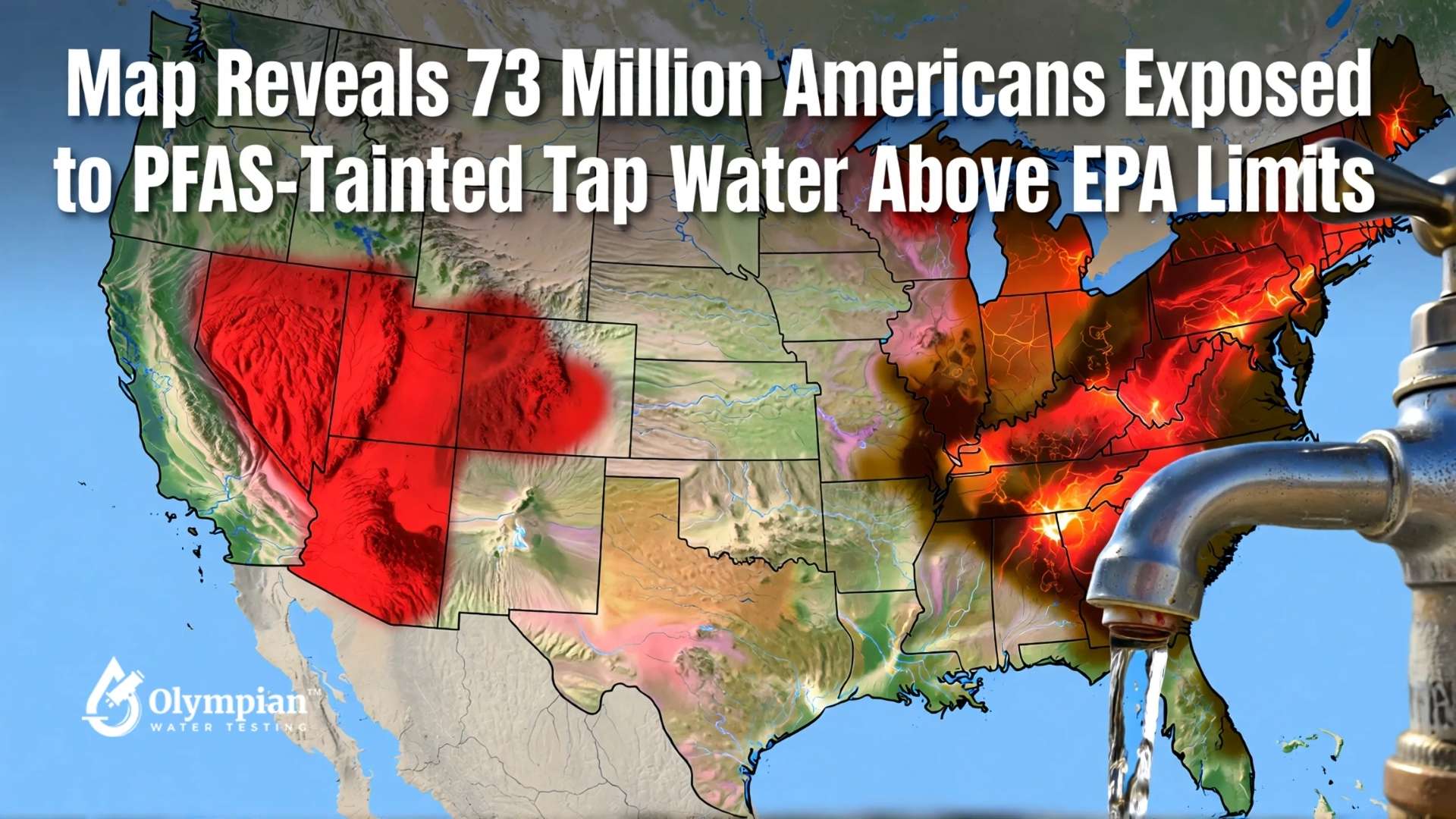
A key focus is on setting limits for emerging contaminants. EPA regulations establish national standards, pushing polluters to cut toxins threatening communities. This federal oversight promotes stricter monitoring of facilities handling hazardous substances and fosters data exchange across regions.
State-Level Regulatory Initiatives
At the local level, the New Jersey DEP conducts sampling, tracks cleanup progress, and enforces cleanup actions. These tasks reflect a commitment to environmental oversight, ensuring industrial operators are held accountable. Local teams work with experts to protect vulnerable neighborhoods facing polluted water sources.
| Agency | Key Roles |
| EPA | Sets contaminant limits, develops national policies |
| New Jersey DEP | Implements cleanup plans, inspects sites, enforces legal mandates |
Community Concerns and Public Health Effects
PFAS exposure in drinking water has sparked widespread anxiety. Households are questioning the safety of their tap water. Public officials are flooded with concerns from residents about the risks of high chemical levels.
Local communities are seeking solutions to protect their health. This includes regular medical screenings and expanded testing programs. Health experts link these chemicals to reproductive issues, fueling fears among families.
Nonprofit groups highlight the environmental inequalities that put some neighborhoods at greater risk. The demand for transparent information has grown, leading to discussions on corporate accountability. Advocates push for stricter regulations to protect vulnerable groups and prevent further contamination.
Experts from the Environmental Protection Agency emphasize the need for ongoing monitoring of PFAS in water systems. Parents are urging local clinics to offer more testing options. Some are considering at-home filtration units to protect their families. Scientific bodies emphasize the importance of thorough research for effective prevention.
Community leaders believe in the power of stronger policies to improve health outcomes and reduce financial burdens. Studies on unequal resource distribution are underway, showing the need for collaboration between industry, government, and residents. By tackling these challenges, towns aim to regain trust and ensure safe living conditions for all.
The Centers for Disease Control and Prevention recommend closely monitoring emerging data to address ongoing uncertainties. Residents near former industrial sites are seeking updates on cleanup efforts. Many are optimistic about the future, hoping for advancements in filtration technology, policy changes, and community involvement.
Technological Approaches to Water Decontamination

Scientists and engineers are continually refining methods to safeguard local water sources. New advancements in environmental technology go beyond basic treatments. They aim to tackle persistent chemicals and protect public health.
Advanced Filtration Methods
At the core of PFAS removal are robust filtration systems. Granular activated carbon captures harmful particles. Specialized resin treatments add an extra layer of protection. Yet, ion-exchange resins, while efficient, generate concentrated waste that must be handled with care.
Bioremediation Techniques
Some researchers are looking into microbial solutions for PFAS remediation. Engineered organisms are designed to break down contaminants in controlled settings. This method is under ongoing research but shows promise for lasting results.
| Method | Key Mechanism | Potential Benefit |
| Granular Activated Carbon | Adsorption of pollutants | Broad effectiveness for PFAS |
| Specialized Resin | Ion-exchange capture | Enhanced removal rates |
| Microbial Solutions | Targeted degradation | Reduced chemical residue |
Timeline for Pollution Cleanup Efforts
Authorities have set out a detailed cleanup timeline to tackle polluted areas systematically. The initial steps focus on water treatment facilities, aiming to provide safer drinking water to local communities.
Short-Term Targets
Improving filtration systems is a priority in the early stages of remediation milestones. Plans include installing cutting-edge equipment and closely monitoring high-risk areas over the next few years. This phase lays the groundwork for enhanced water quality and identifies areas needing the most support.
Decades of Ongoing Restoration

Experts predict that eradicating industrial residues will take until 2050 and possibly longer. The process of purifying soil and groundwater relies on continuous testing, adherence to proven protocols, and constant monitoring. Each phase brings us closer to achieving long-term restoration goals, ensuring the health of ecosystems for generations to come.
| Milestone | Expected Outcome | Estimated Timeframe |
| Immediate Filtration Upgrades | Improved potable water | 1–2 Years |
| High-Risk Area Surveys | Targeted cleanup strategies | Ongoing |
| Comprehensive Soil Treatment | Reduced contaminant levels | By 2030 |
| Broad Restoration Initiatives | Healthy ecosystems | 2050 and Beyond |
Statewide Economic Growth and Environmental Preservation
New Jersey is undergoing a significant transformation, blending economic development with ecological balance. The state’s industrial past once drove prosperity. Today, leaders aim for a future where businesses flourish without depleting natural resources. An official announcement highlights that environmental protection can actually boost regional growth, not hinder it.
“We must invest in greener solutions that protect our water supply and advance local opportunities,” said Shawn LaTourette, Commissioner of the Department of Environmental Protection.
Across various sectors, companies dedicated to sustainable industries are rising. These include clean manufacturing, wind energy, and renewable research. Such jobs promise skilled employment while safeguarding habitats. New strategies include:
- Encouraging private-public partnerships for green technology
- Supporting workforce development tailored to conservation roles
- Offering incentives for energy-efficient infrastructure
| Focus Area | Projected Benefit |
| Renewable Power | Lower Carbon Footprint |
| Clean Manufacturing | Expanded Job Market |
Long-Term Monitoring and Policy Changes
The Environmental Protection Agency (EPA) and New Jersey regulators are pushing forward with new strategies to tackle water quality threats. They’ve set stricter PFAS limits and updated guidelines, marking a significant step in regulatory evolution. This move aims to safeguard communities from emerging contaminants. Real-time monitoring of chemical levels guides science-based plans, ensuring they adapt as conditions evolve.
Experts point out that ongoing studies and research are essential for strengthening environmental legislation. They reveal gaps in current frameworks. Clean water advocates urge public officials to adopt forward-thinking measures. These include limiting high-risk discharges and refining testing methods. Such actions promise fewer health hazards and better ecological balance in affected regions.
Stricter Standards for Industrial Discharge

Manufacturers now face stricter rules to prevent harmful substances from entering local waterways. The introduction of tech-focused upgrades promotes sustainable production. Enforcement teams ensure full compliance, keeping pollution in check and fostering accountability.
Citizen Involvement in Oversight
Local advocates work closely with state agencies through hearings and data-sharing programs. This collaboration leads to direct input in policymaking and transparent review processes. Grassroots efforts drive lasting improvements, nurturing healthier environments in every district.
Looking Toward a Greener Outlook
3M’s decision to stop using forever chemicals by 2025 marks a significant shift towards safer production. This move highlights a growing focus on public health and sets a precedent for other industries. New Jersey’s settlement with 3M is a catalyst for other states to tackle PFAS issues, sparking conversations about corporate responsibility.
Communities may soon benefit from improved water treatment and research initiatives. These efforts aim to build long-term resilience. Green chemistry and cleaner manufacturing not only protect the environment but also offer economic advantages. Many see this as a chance to rebuild trust and safeguard local ecosystems.
The public’s interest in stricter regulations and ethical business practices is increasing. Companies that emulate 3M’s approach can enhance their reputation by adopting innovative solutions. A dedication to clean rivers and aquifers benefits everyone. The region is poised to support initiatives that honor nature and future generations.