Why Sewage Sludge Matters to Water Quality
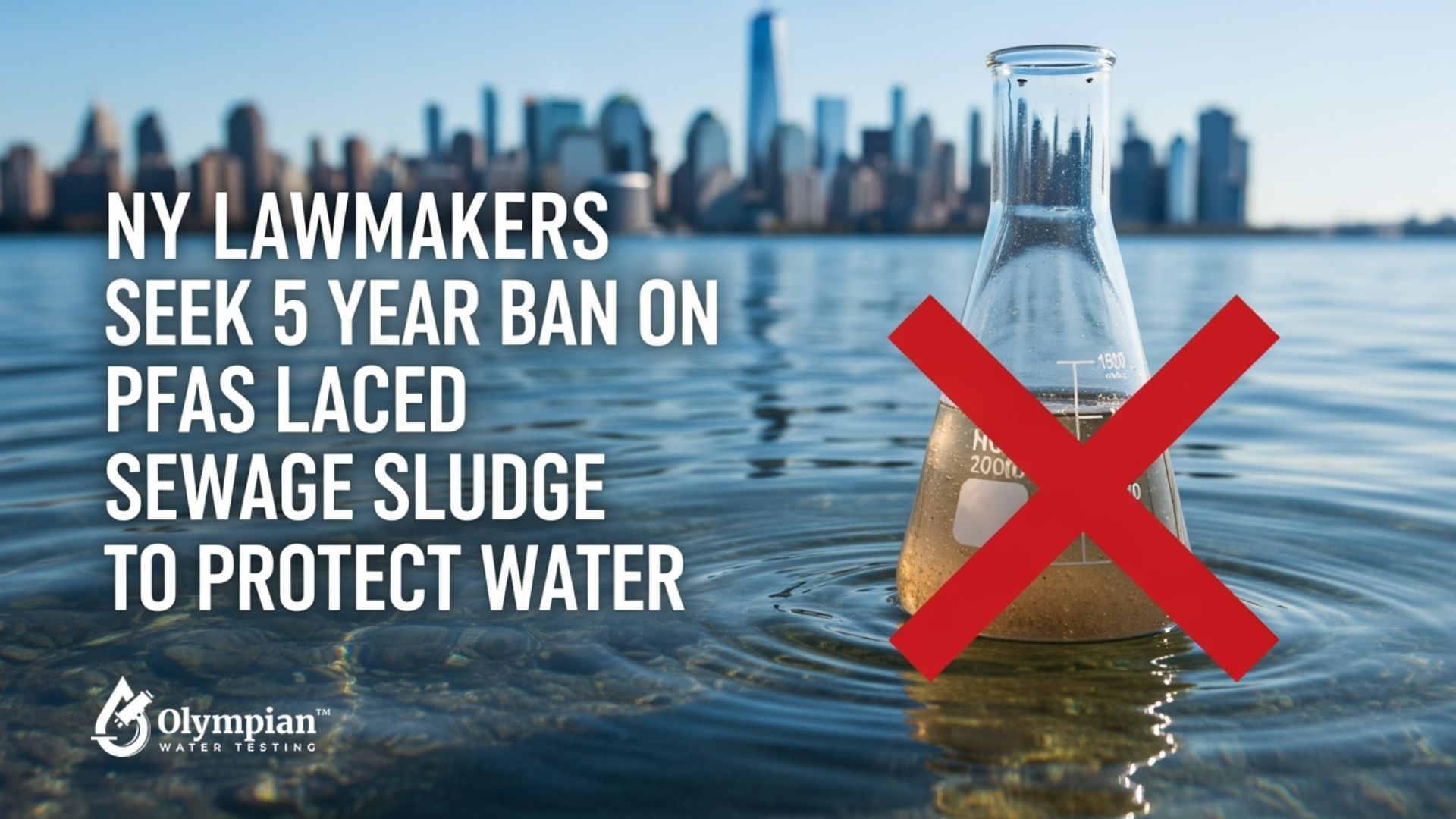
Wastewater sludge is a byproduct of municipal and industrial treatment plants. Studies show it often contains chemical residues, including per- and polyfluoroalkyl substances (PFAS). These persistent compounds are a major concern, as they can withstand standard processing.
The EPA’s PFAS Strategic Roadmap highlights the risk of PFAS entering soil and groundwater. This happens when sludge is spread on farmland or placed in landfills. Over time, these chemicals can reach public water supplies, posing risks to drinking water quality. This shows the critical connection between sludge handling and water safety.
Experts advocate for more research into treatments that lower PFAS levels in sludge. They push for stricter oversight of disposal methods to protect water resources. This effort aims to prevent drinking water contamination and protect communities from harmful impacts. Understanding sewage sludge’s impact on water quality is the first step in safeguarding our taps.
PFAS in Sewage Sludge: A Growing Concern
Scientists are now examining how industrial activities release these substances into wastewater treatment plants. The CDC and EPA reveal that PFAS are widespread in factories, refineries, and commercial products. Known as forever chemicals, they persist in the environment due to their durability.
Understanding the Origin of PFAS in Wastewater
Wastewater from households, military bases, and manufacturing sites all end up in public treatment systems. News reports underscore the contamination risks when sludge, developed during treatment, accumulates these substances. This process gradually increases PFAS levels in local facilities, prompting concerns about disposal and safety.
Potential Threats to Drinking Water Supplies

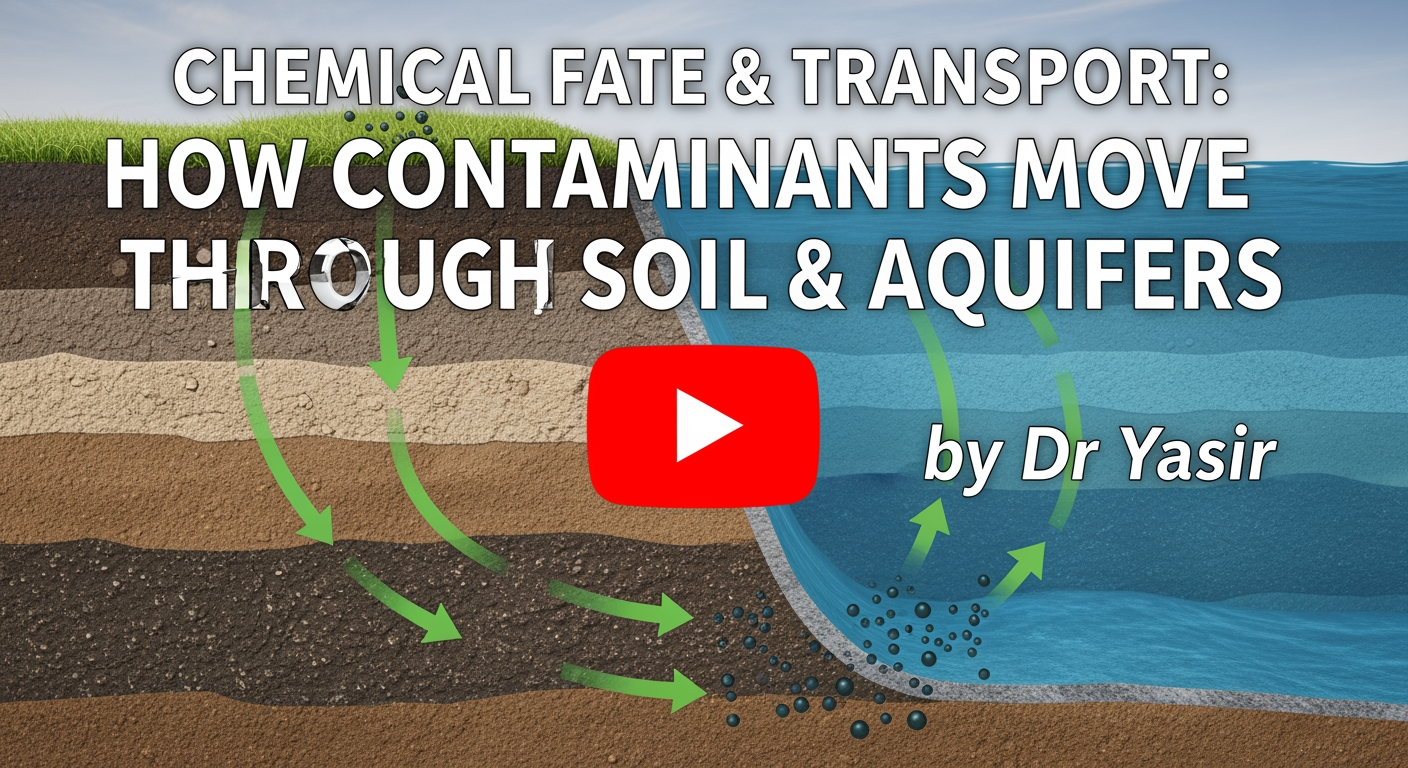
Forever chemicals can migrate into aquifers once they enter the soil. Recent studies indicate contamination in private wells and public water sources, threatening communities reliant on groundwater. Implementing measures to limit exposure at the sewage level could protect drinking water for families across the country.
PFAS Source | Potential Impact |
Industrial Discharges | High sludge contamination risk |
Household Products | Increased system load in treatment plants |
Military Sites | Elevated groundwater pollution |
What’s Driving the Push for a 5-Year Ban
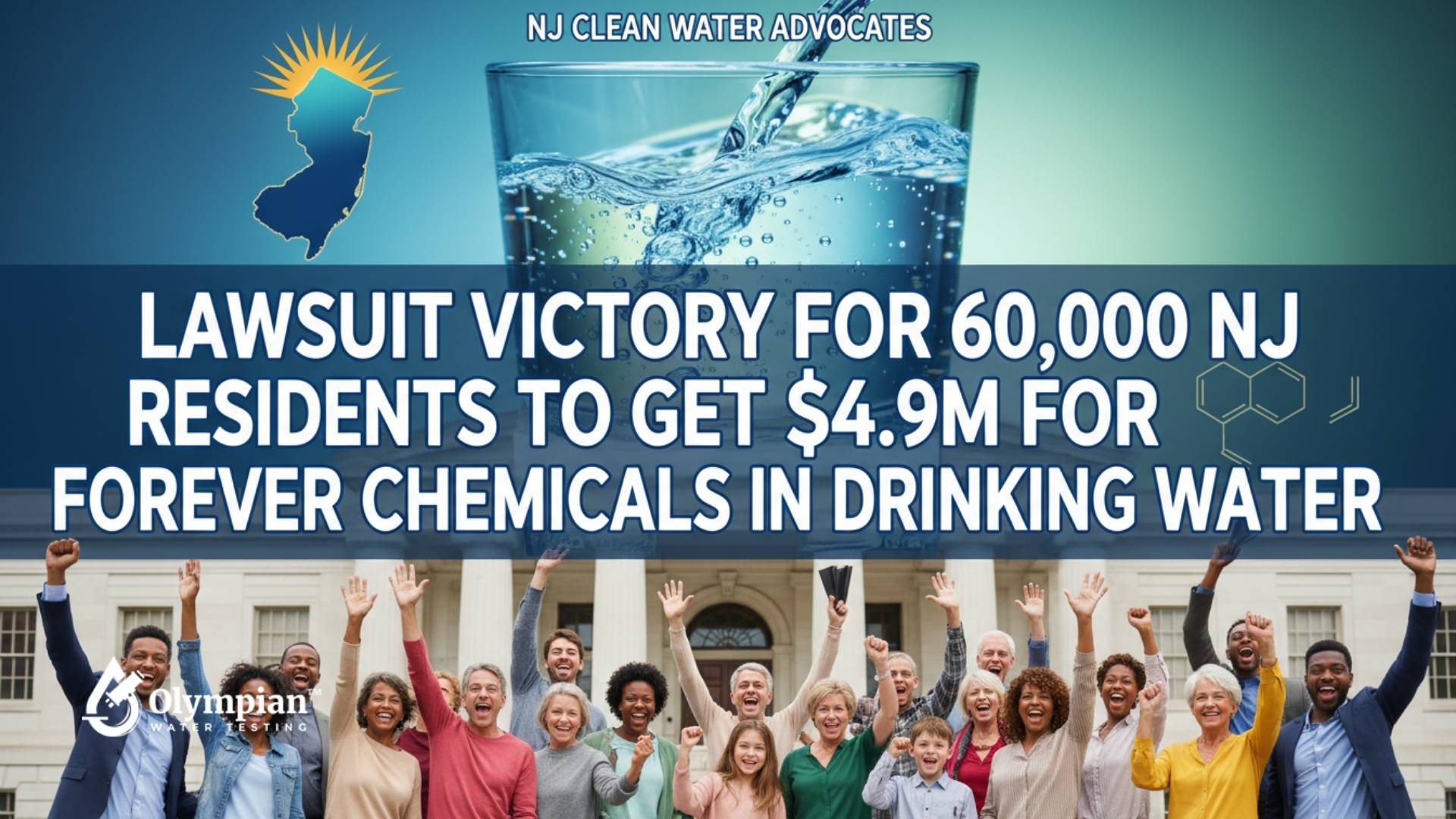
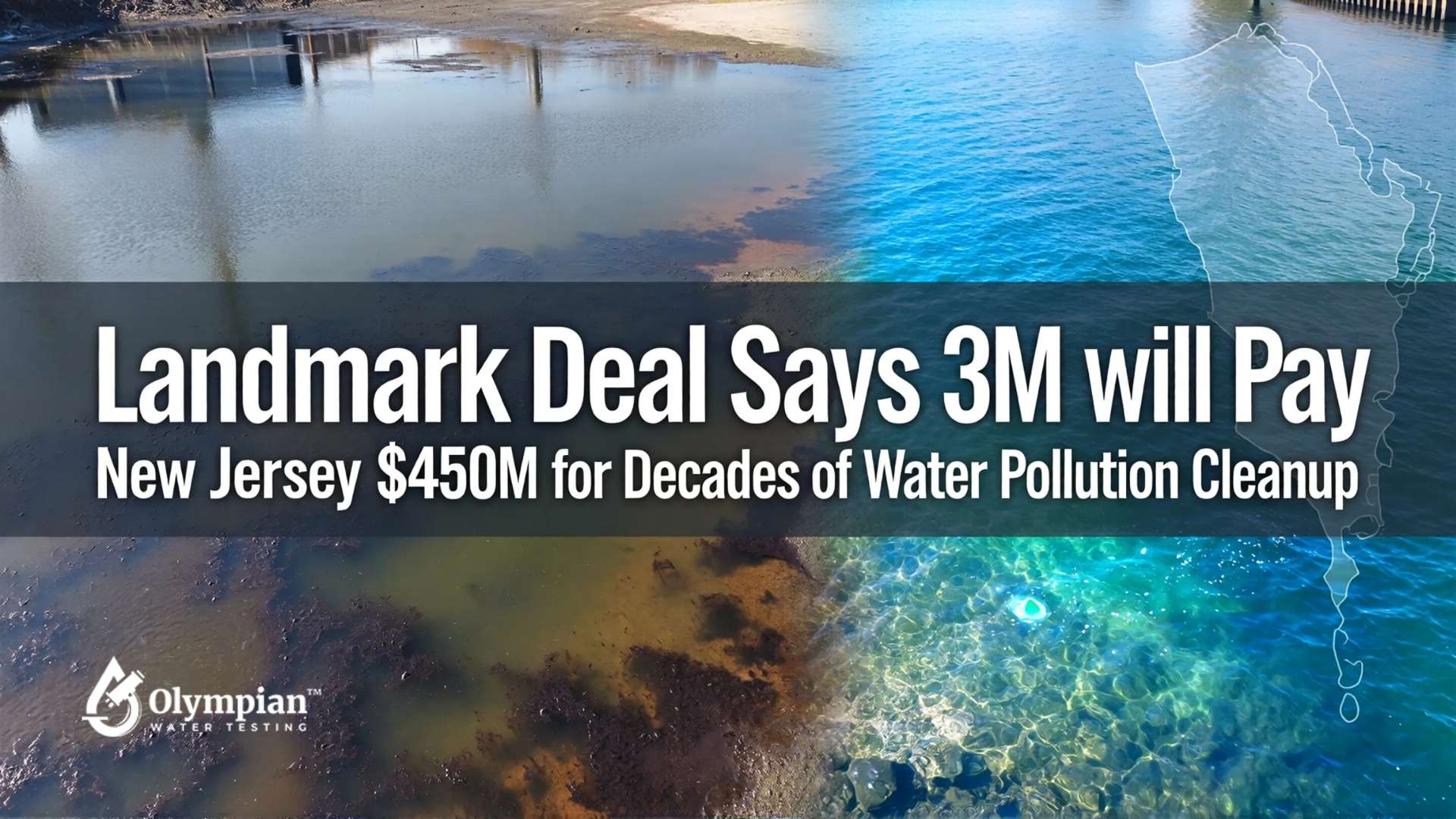
Concerns over toxic pollution have led to a push for stricter controls on industrial byproducts. Companies like 3M and DuPont have faced legal challenges, highlighting the dangers of chemicals. Advocates argue that strong measures are necessary to protect public health and the environment.
A significant PFAS lawsuit has heightened awareness of the risks these substances pose. Policymakers aim to prevent long-term damage by setting deadlines and targets. This gives industries time to improve disposal methods and find safer alternatives.
Legislative Momentum in New York
State leaders are pushing for laws to reduce exposure and promote responsible manufacturing. They aim to prevent future contamination by holding polluters accountable. Grassroots efforts and scientific research are driving policy changes.
Historical Precedents for Chemical Regulations

Previous bans on substances like PCBs and certain pesticides have shown the impact of decisive action. These bans have led to cleaner processes and innovation. They motivate efforts to safeguard water quality and community health today.
Public Health Concerns Linked to PFAS Exposure
Research indicates that many Americans may have PFAS in their drinking water. The Environmental Protection Agency warns that these substances can linger in the bloodstream, posing a public health risk. Studies show links to certain cancers, thyroid disorders, and weakened immune responses from prolonged exposure.
Communities are concerned about the impact on children, who may face developmental challenges from early exposure. High PFAS levels can reduce vaccine effectiveness and increase the risk of organ damage. To reduce exposure, it’s essential to monitor water sources and implement consistent policies across diverse regions.
- Elevated cancer rates
- Endocrine disruption
- Thyroid complications
- Compromised immune function
Scientists stress the need for regular sewage sludge management assessments to mitigate long-term health threats. This emphasizes the urgent need to address PFAS as a critical public health issue. It calls for stronger regulations and active engagement from local agencies.
How the Proposed Ban Could Protect Water Resources
This measure aims to reduce hazardous runoff by limiting sludge materials that pose a threat to drinking water. The Bipartisan Infrastructure Law has already set aside funding to address harmful compounds. Many advocates see a temporary ban as a logical path toward cleaner waterways.
Anticipated Impact on Local Communities
Rural towns have faced significant challenges from PFAS in sewage sludge, leading to elevated contamination levels near farms and public wells. A ban on distributing or applying this material could lessen the odds of environmental damage. Residents stand to gain protections that spare them from health scares and resource-intensive cleanups.
Cost-Benefit Analysis of Regulation
Compliance might include investing in upgraded treatment equipment and employing safer handling methods. Facilities that adopt these standards could avoid more expensive remedies down the line. Experts predict that lowering exposure to PFAS in sewage sludge will result in fewer public health expenses. This creates long-term economic benefits while safeguarding essential water supplies.
Challenges Facing Waste Management Facilities

Waste management facilities face significant costs and logistical hurdles in addressing PFAS removal. Many facilities operate with outdated equipment, necessitating costly retrofits. These upgrades can be a financial strain, yet they are essential for meeting stricter environmental standards.
Industry experts note the difficulty in training staff to handle hazardous materials. The introduction of new disposal methods, reliant on advanced technologies, poses challenges. These methods aim to minimize the risk of contaminating drinking water. The process requires meticulous monitoring and collaboration with regulatory bodies.
- Upgrading incineration or filtration systems
- Managing toxic residuals safely
- Balancing operational and training costs
Investments in protective measures by facilities benefit communities. Implementing stronger filtration and immediate detection tools is key. These actions not only protect public health but also foster a culture of environmental stewardship in the region.
Alternative Solutions to PFAS-Contaminated Sludge
Communities are looking for new ways to tackle the problem of forever chemicals in waste. Research points to effective strategies that can reduce these pollutants. This approach aims to protect public health while minimizing environmental impact.
Innovative Treatment Technologies
Scientists are diving into plasma-based filtration, a method that breaks down PFAS at a molecular level. Advanced oxidation processes employ strong oxidizers to degrade harmful substances before they contaminate local water. New adsorbent materials are designed to capture and hold onto pollutants, preventing them from entering the environment.
Some cities in Michigan and Massachusetts are testing these technologies. They aim to assess their long-term effectiveness in managing PFAS contamination.
Potential for Safer Sludge Disposal
Engineered landfills with strong liners can significantly reduce leakage by blocking water infiltration. Onsite incineration could further decrease the volume of contaminated sludge. By controlling the temperature, this method can neutralize toxic residues, providing communities with a sense of security.
These methods represent a shift towards more responsible management of resources. The challenge lies in balancing the cost and practicality of these advanced solutions. Each approach is designed to protect drinking water sources and pave the way for a more sustainable future.
Treatment Method | Main Advantage | Considerations |
Plasma-based Filtration | Destroys PFAS at the molecular level | Requires specialized equipment |
Advanced Oxidation | Breaks down contaminants chemically | Ongoing research on efficacy |
Adsorbent Materials | Catches PFAS in sorbent media | Needs proper disposal after use |
The Role of Public Awareness and Advocacy

Civic action is the catalyst for change when residents demand cleaner water and support effective policies. Groups share scientific data on contamination risks to build urgency among neighbors and local leaders.
Individuals in many regions have filed a PFAS lawsuit to seek financial restitution for damaged waterways. They use community bulletins and social media to highlight health concerns and rally broader support.
Local advocacy encourages greater transparency, which helps communities understand their water quality. A second PFAS lawsuit often follows, targeting polluters who fail to disclose toxic releases or provide mitigation solutions.
Community Engagement Strategies
Town halls, online forums, and grassroots events offer a platform for shared experiences. These efforts unite voices and encourage representatives to champion reforms that curb hazardous chemicals in sludge.
Statewide Environmental Initiatives
New York’s proposed ban sets an example for other states, inspiring targeted investments in research and remediation. This momentum paves the way for policy updates, pushing industries to adopt safer practices.
Advocacy Approach | Primary Benefit |
Legal Actions | Securing funds for cleanup and pressuring responsible parties |
Public Outreach | Educating communities and boosting policy support |
Looking Ahead to a Cleaner Future
Environmental agencies and scientific panels urge for stricter national standards on harmful chemicals. Research into safer alternatives and advanced cleanup technologies is underway. This effort aims to reduce PFAS in wastewater, minimizing risks to sewage sludge and drinking water.
Industry leaders are exploring PFAS substitutes for products, aiming to lower health risks for communities. Modern treatment plants can remove dangerous residues before they contaminate farmland or waterways. This strategy suggests a future where sludge use is regulated, and manufacturers are held accountable for their actions.
Collaboration between local governments, environmental groups, and regulators is key. This partnership fosters stronger policies, enhanced oversight, and innovative waste management solutions. With dedication and creative approaches, communities across the nation can look forward to cleaner resources and a healthier future.