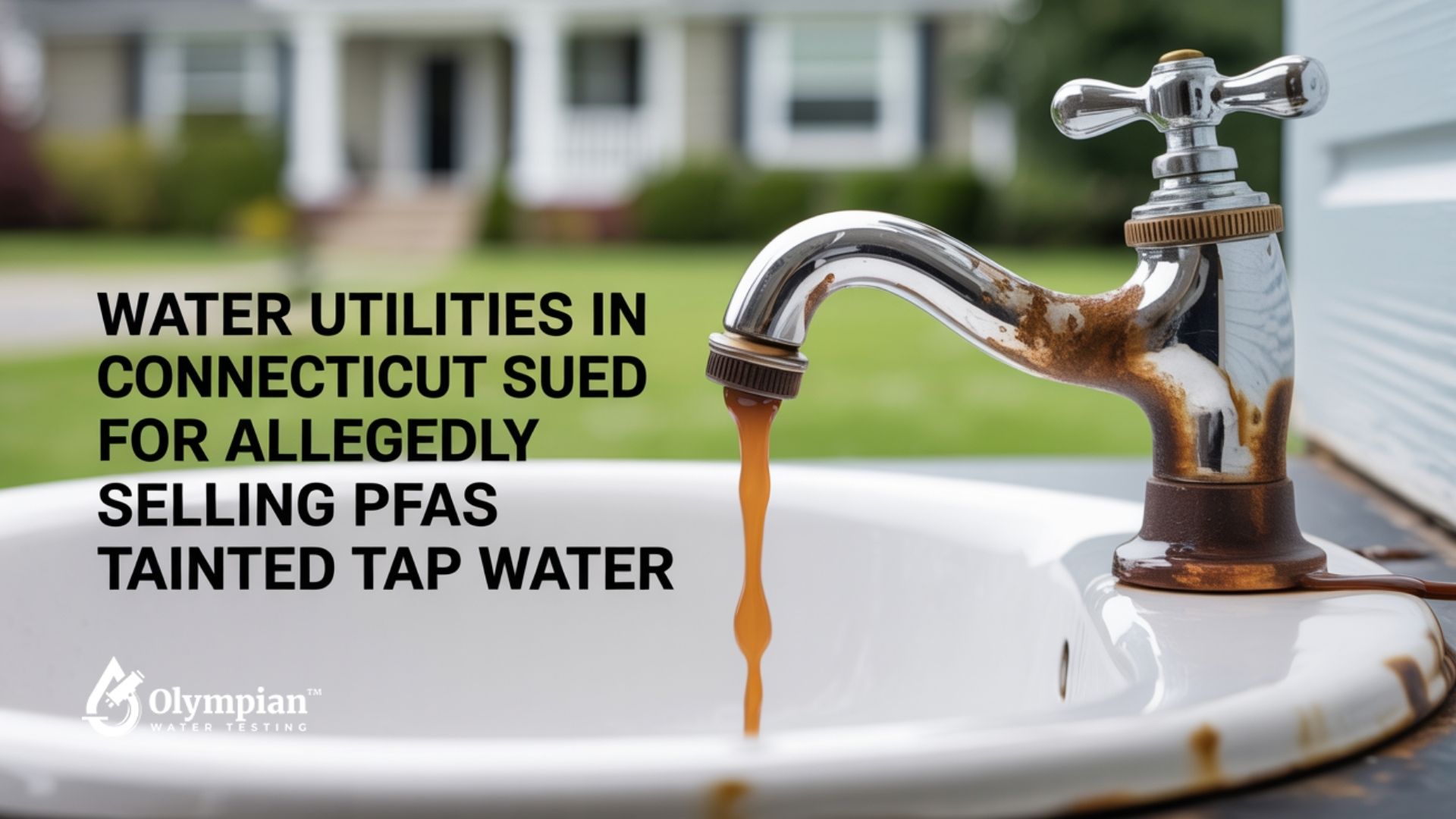
Overview of the Lawsuit Against Connecticut Water Utilities
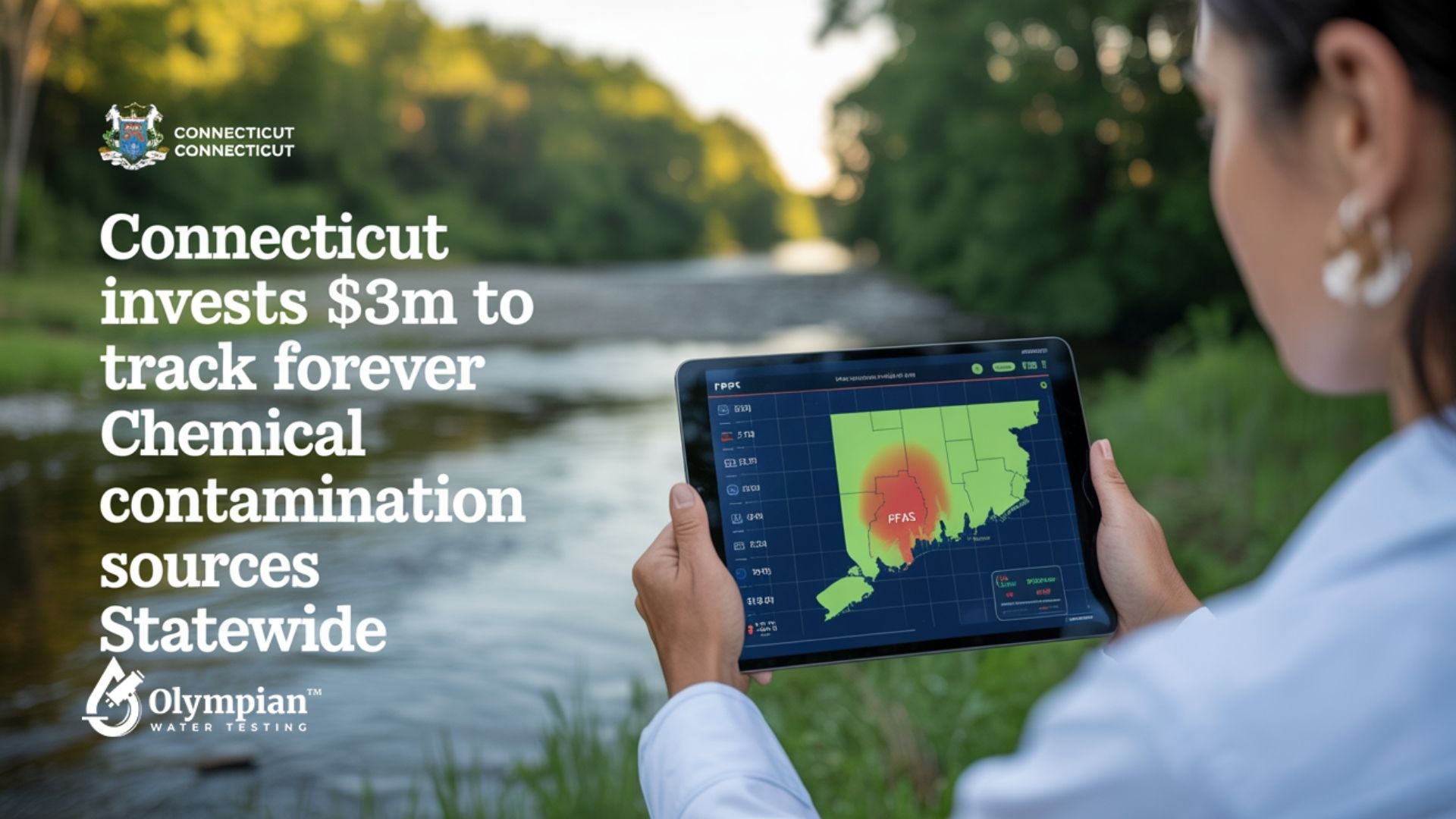
Connecticut Water Company and other providers are under increasing scrutiny. They are accused of distributing tap water that is not safe for public use. The lawsuit, Hoffnagle et al. v. Connecticut Water Company, claims the utilities supplied water with hidden dangers. It alleges PFAS contamination at levels that could harm residents’ health.
State residents are expressing their discontent over harmful chemicals in their water. They point to regulatory gaps as a major reason for poor monitoring. As more information emerges about the dangers of these substances, public outrage intensifies.
Legal Grounds Cited
Court documents highlight strict product liability as a key issue. The plaintiffs’ attorneys argue that water authorities failed to test for PFAS contamination. They claim this failure to test and warn consumers led to avoidable risks.
Potential Consequences for Affected Towns
Liability could result in costly infrastructure updates to reduce exposure. Such expensive remediation efforts might strain local budgets. Residents are left questioning their water providers. To regain trust, clear communication and enhanced safety measures will be essential.
What PFAS Are and Why They Matter

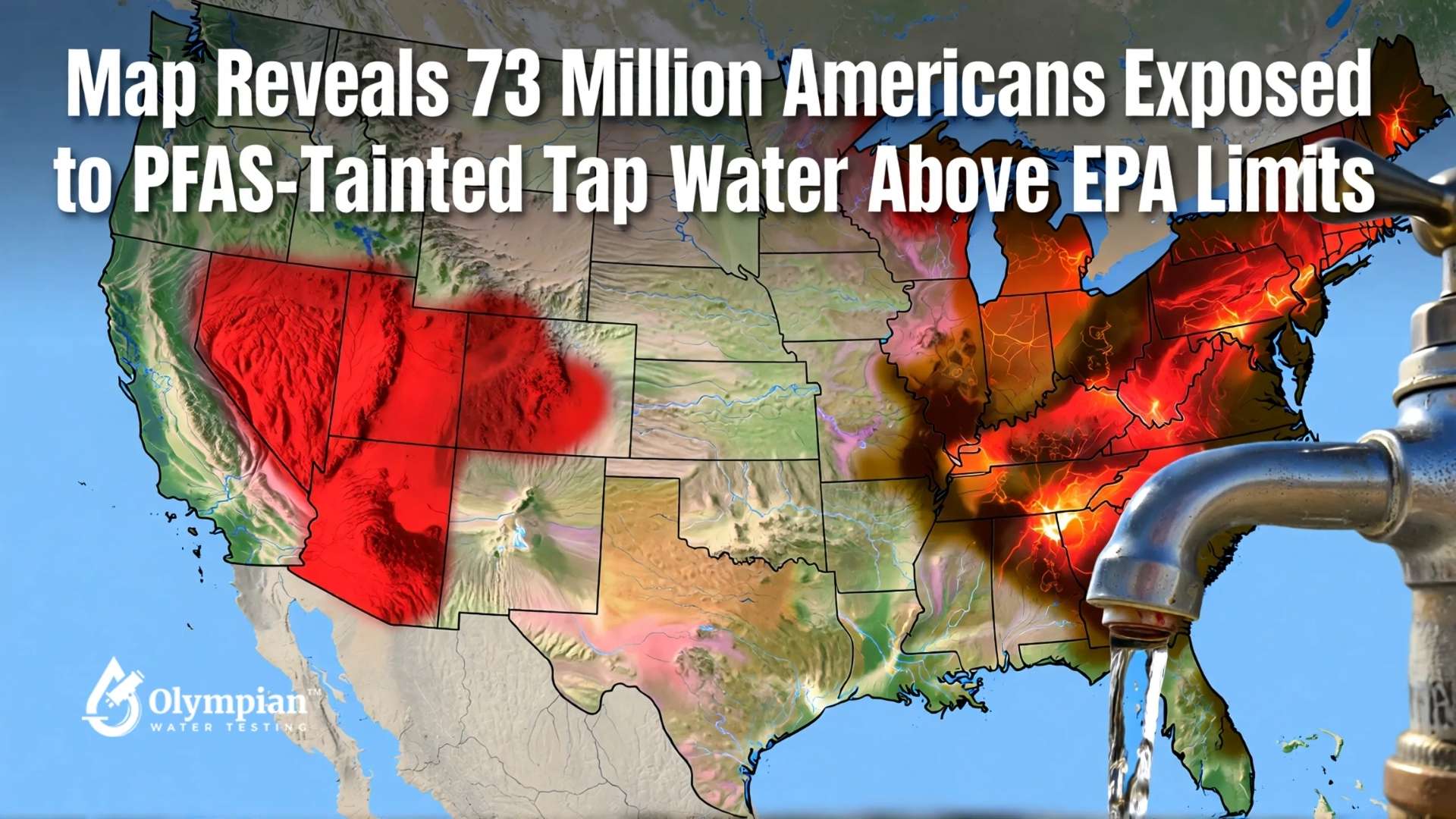
PFAS have been key in non-stick pans, stain-resistant surfaces, and firefighting foams. Their chemical structure resists breakdown, leading to harmful accumulation in soil and water. This has caused PFAS water contamination in various areas, sparking discussions on corporate responsibility.
These synthetic compounds, including PFOA and PFOS, emerged in the 1940s. Companies like DuPont and 3M initially celebrated PFAS as manufacturing breakthroughs. Their durability offers convenience but raises health concerns. Communities are demanding answers, pointing to links between PFAS and chronic health problems.
Scientists are studying how PFAS contamination persists, despite advanced treatment methods. Some guidelines exist, and many government agencies advocate for ongoing testing. Reports suggest that reducing exposure requires filtration systems and stricter industry oversight. Many people are waiting for meaningful progress in tackling this complex chemical issue, which could impact future generations.
Health Risks Linked to PFAS Exposure
PFAS health risks are increasingly recognized as studies uncover a range of medical issues associated with these compounds. Their persistence in the body heightens concerns about both immediate and long-term health problems.
Short-Term Hazards
Exposure can cause elevated cholesterol and mild stomach issues. Some people experience changes in their immune function, which may reduce vaccine effectiveness. Rarely, flu-like symptoms might occur, but more research is needed to confirm this.
Long-Term Effects
Studies indicate that prolonged exposure may lead to kidney, prostate, and testicular cancers. Thyroid dysfunction and hormonal imbalances also pose significant risks, affecting specific populations. Pregnant individuals are at particular risk, facing complications such as low birth weight. Ongoing research aims to better understand these risks and develop effective protective measures.
Importance of Water Testing and Quality Assurance

Thorough inspections of both municipal and private water supplies protect communities from hidden contaminants. This proactive approach ensures drinking water safety by catching threats early. Advanced labs can now detect PFAS at extremely low levels, alerting residents to possible dangers.
The Environmental Protection Agency (EPA) has set stricter standards for PFAS in water sources. These standards are as low as four parts per trillion, posing significant challenges for local utilities. Failure to comply can lead to legal action and heavy penalties, straining municipal budgets.
Recommended Testing Methods
Routine sampling is a key method, with clear protocols for collecting and analyzing water. Labs use advanced techniques like liquid chromatography and mass spectrometry to detect tiny PFAS amounts. These methods ensure drinking water safety by identifying contamination patterns and confirming the success of remediation efforts.
Role of Government Guidelines
Federal and state agencies establish benchmark limits for public water systems. Their guidelines dictate testing schedules, result recording, and prompt action upon contamination detection. This framework keeps communities informed, reduces health risks, and boosts confidence in local water quality.
Forever Chemicals
Forever chemicals, also known as PFAS, are complex compounds that resist degradation under typical environmental or biological conditions. Their persistence has raised global concerns, leading to their accumulation in water sources. This poses long-lasting effects on living organisms. Experts have linked these substances to ongoing challenges in Connecticut water contamination, prompting health advocates to demand more transparency from public utilities.
Citizens face increasing exposure risks due to the prolonged presence of these chemicals. Researchers have found that PFAS can migrate across communities, affecting regional ecosystems and public services. A stronger focus on filtration methods has emerged, encouraging local leaders to confront Connecticut water contamination more proactively.
PFAS | Key Application | Ecological Impact |
PFOA | Cookware Manufacturing | Resistant to water treatment |
PFOS | Protective Textiles | Builds up in aquatic habitats |
Potential Impact on Connecticut Residents

Communities are increasingly concerned as PFAS lawsuits highlight water safety and public trust issues. Town leaders might reallocate funds from routine projects to tackle contamination, affecting local budgets. Homeowners worry about the impact on property values.
Some families consider relocating due to tainted water reports. This decision raises questions about financial and emotional costs. Clear communication from local authorities is critical, as they navigate legal duties and community needs.
Economic Ramifications
Legal costs and filtration upgrades can strain public finances. Town officials must consider tax implications versus the need for infrastructure fixes. Small businesses, reliant on clean water, may reassess their development plans in affected areas.
Social Concerns
As trust in local water utilities declines, voices grow louder. Scrutiny of public agencies leads to debates on accountability and transparency. Residents expect safe water and open dialogue on infrastructure decisions, fostering unease.
Expense Category | Purpose | Possible Outcome |
Water Treatment | Upgraded Filtration | Improved Public Health |
Litigation Costs | Court and Legal Fees | Risk of Budget Reductions |
Health Screenings | Medical Tests and Monitoring | Increased Community Awareness |
Legal Precedents in Contaminated Water Cases
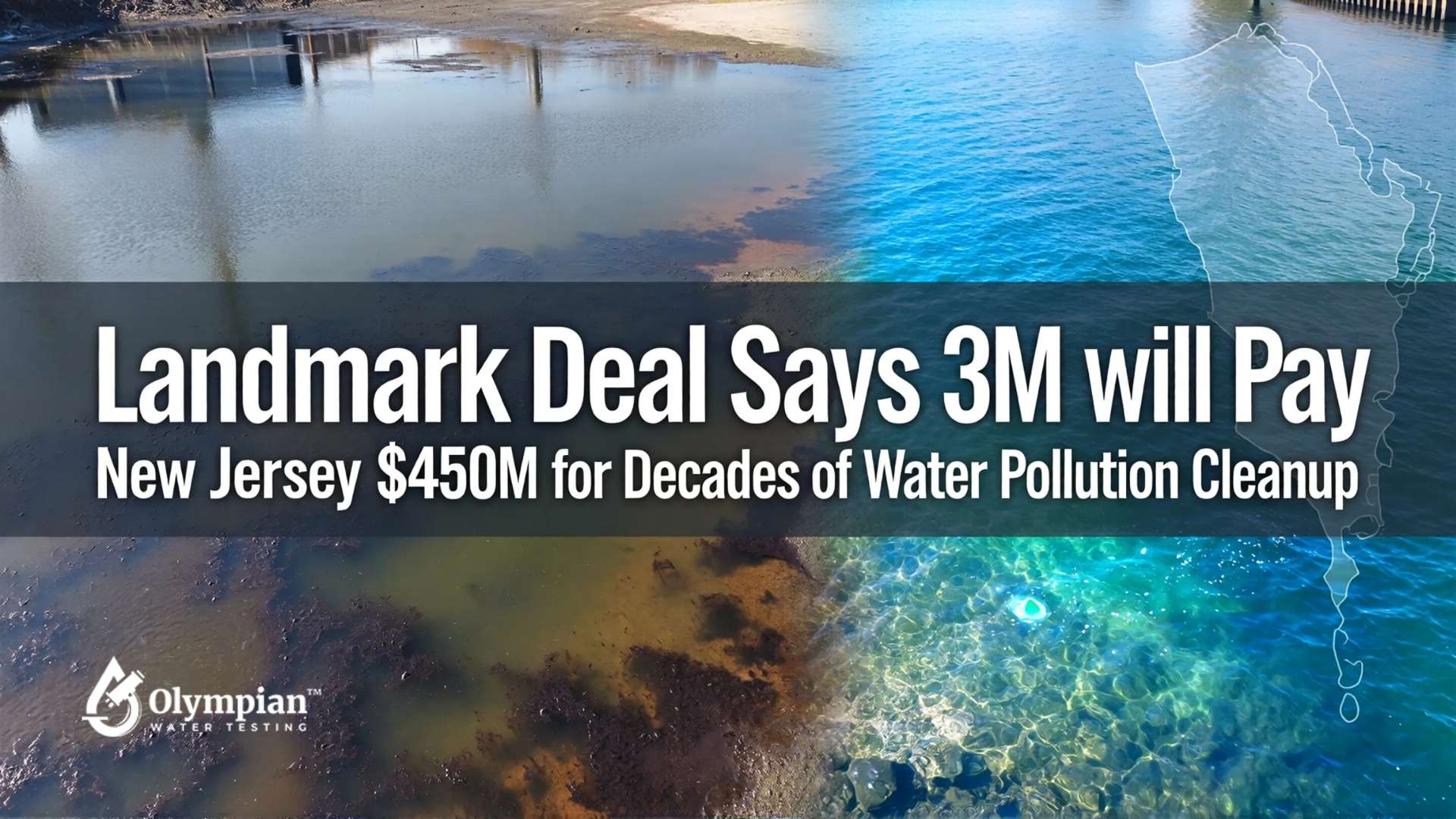
For decades, court decisions and settlements have defined how PFAS litigation is handled. Lawsuits against 3M, DuPont, and Tyco have shown that companies face significant liabilities when public health concerns are raised. The largest MDL linked to AFFF firefighting foam is a key example, highlighting the impact of collective legal actions on industry-wide changes.
Defendants often settle these claims for large sums to avoid lengthy trials. This strategy aims to rebuild trust and address citizen grievances. The billions of dollars in total payouts highlight the growing number of PFAS litigation cases and the risks companies face when environmental hazards are exposed.
“Courts have become a powerful forum for community members seeking accountability in water contamination disputes.”
Settlements enable affected areas to fund cleanup efforts and rigorous testing. They also drive ongoing reforms in regulatory policies to prevent future damage.
Corporation | Notable Case | Reported Settlement |
3M | PFAS Water Contamination | Over $850 Million |
DuPont | C8 Lawsuit | $670 Million |
Tyco | PFAS Firefighting Foam | Confidential Amount |
Chemours | Multiple Claims | Ongoing Negotiations |
How Consumers Can Protect Themselves
Families can protect themselves from chemical threats by opting for trusted water treatment solutions and keeping up with local advisories. The PFAS settlement provides vital information on compensation. Yet, personal actions also play a significant role in safeguarding health.
Exploring Home Filtration

Granular activated carbon and reverse osmosis units can effectively reduce PFAS contamination at the faucet. Environmental agencies and water suppliers offer free testing programs to help residents determine if filtration is needed. Government initiatives also fund household systems in high-risk areas, making it easier for individuals to access effective equipment without financial burden.
Having reliable filtration in place is essential during ongoing PFAS settlement discussions. It helps maintain household health and well-being.
Staying Informed About Water Issues
Regularly reviewing official bulletins and local water reports is key to staying informed about emerging concerns and suggested actions. Public notices typically outline important deadlines and findings. Community forums, attended by neighbors and advocacy groups, provide a platform for sharing insights on best practices.
By staying updated on water issues, individuals contribute to broader awareness. This collective effort shapes stronger advocacy for safe tap water across Connecticut.
Looking Ahead to Safer Water Solutions
State funding has paved the way for more effective cleanup methods. Scientists are delving into advanced techniques to break down PFAS at the molecular level. High-pressure membranes and targeted chemical destruction are moving from pilot stages to broader application. Public agencies are advocating for stricter oversight to manage contaminated drinking water risks.
Major legal settlements are directing resources toward upgrading municipal systems. Oversight focuses on setting new standards, though large-scale treatment projects may take time. Experts emphasize the importance of community engagement, stating it accelerates progress and educates communities on health hazards reduction. Initial research supports advanced filtration as a viable solution for many regions.
Collaboration among lawmakers, engineers, and industry leaders is key to building stronger safeguards. Environmental advocates push for transparent monitoring and ongoing research. Achieving safer water solutions is within reach when regulation and innovation work together.