Introduction to the Rise of Forever Chemicals
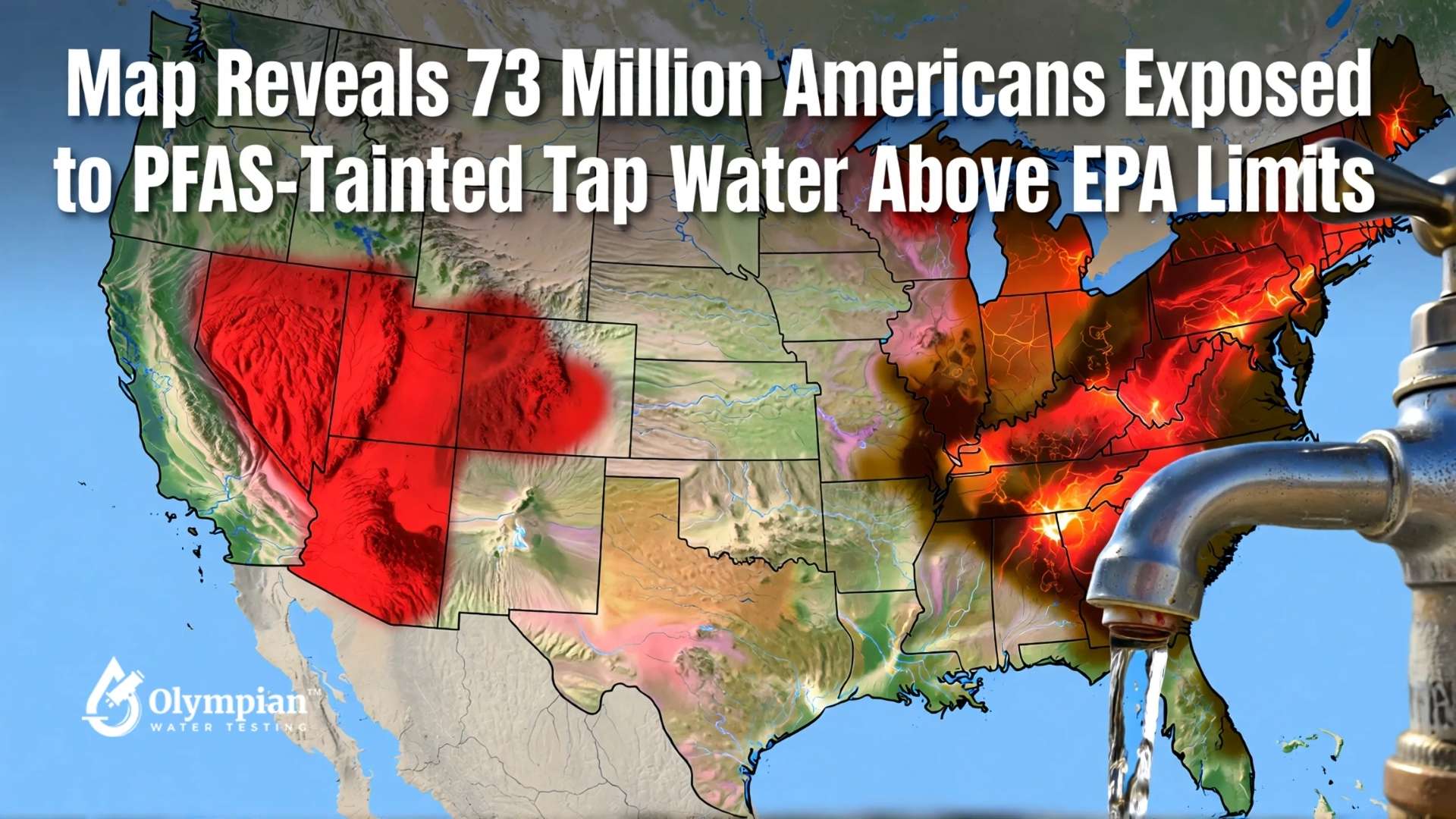
PFAS, known as forever chemicals, are found in soil and groundwater, lasting for decades. This persistence makes them a significant public health risk, as they can move through ecosystems. Industries once used PFAS for waterproofing, stain resistance, and nonstick surfaces.
The growing awareness of PFAS as toxic chemicals has led to increased scrutiny. As people learn about exposure through contaminated water, food packaging, and household items, the need for better monitoring methods becomes clear. This highlights the urgency of addressing these chemicals.
The Proven Dangers to Human and Environmental Health
Research has shown that some PFAS can harm the immune system and organs. This has sparked a global call for more data on their accumulation in water. Experts warn that long-term exposure could harm wildlife and strain communities.
Developing early detection tools is critical. They help in crafting strategies to protect public health. This is essential for safeguarding communities from the dangers of PFAS.
PFAS Source | Common Products | Possible Impact |
Industrial Processes | Electronic Components | Potential factory runoff threatening drinking water |
Household Items | Stain-Resistant Carpets | Increased health watch for families |
Food Packaging | Greaseproof Wrappers | Gradual human exposure raising health questions |
How the Tiny Sensor Technology Works

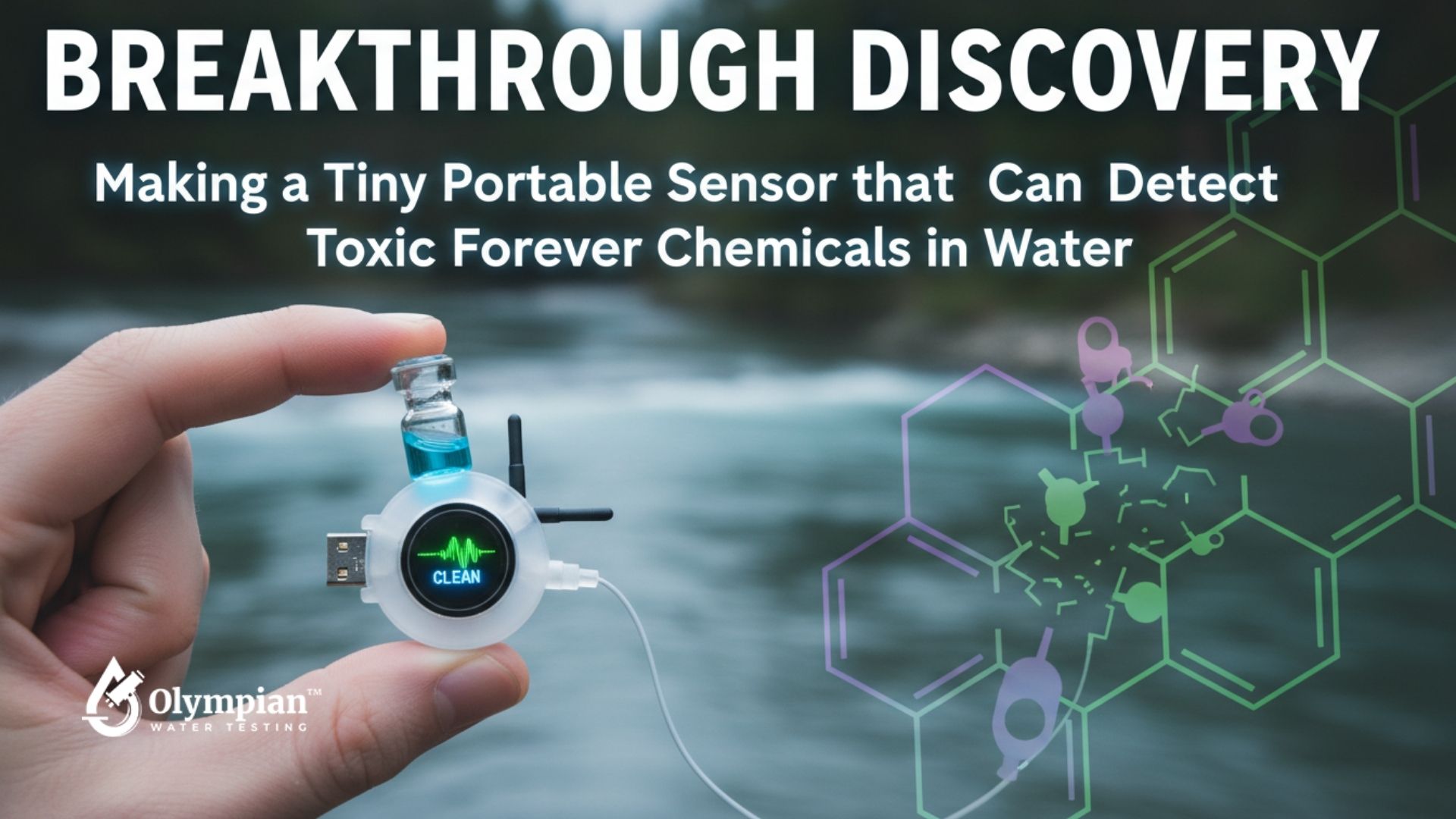
This new generation of nano-sensor is designed to detect harmful chemicals at the molecular level. Scientists, as featured in J. Mater. Chem. A, have developed advanced materials. These materials boost the device’s ability to bind to specific contaminants. Its small size incorporates specialized components, making scanning tasks simpler.
The detection method involves molecular binding sites that capture PFAS molecules, providing a quick readout. Its miniaturized devices are made for on-site use, reducing the time needed for traditional lab tests. This allows technicians to quickly address hazards, safeguarding public health.
Portability is essential for communities with limited resources. The lightweight sensor unit is easy to transport, bringing hope for safer water supplies across the U.S. It delivers rapid results in remote areas, enabling quicker interventions to protect public health.
Innovative Approaches to Water Testing
New sensor breakthroughs are revolutionizing how we detect harmful substances in water. These advancements combine portability with rapid analysis, leading to swift results. This transformation is significant for public agencies and industries dealing with PFAS monitoring. Small, backpack-sized instruments collect data on-site, ensuring flexibility and precision.
Speed and Precision in PFAS Detection
The EPA emphasizes the need for accurate contamination location. Innovative testing methods are now making this possible in real-time. A 2025 review article highlighted the importance of quick detection, as traditional methods like chromatography can be slow. These new devices streamline the process, saving time and resources.
Overcoming Traditional Testing Limitations
Traditional lab setups often delay field-to-lab results, impacting efforts to contain pollutants. Small sensors offer immediate on-site results, improving PFAS monitoring, even in remote areas. This allows cities to act swiftly, protecting communities from harmful exposure.
For more on these innovative approaches, visit this resource.
Testing Method | Primary Benefit | Time Requirements |
Portable Sensor | Field-Based PFAS Monitoring | Quick |
Lab-Based Chromatography | Detailed Chemical Analysis | Longer |
Key Benefits of Compact Detection Devices

According to the Environmental Protection Agency, compact sensor devices can be set up at city facilities or remote sites. Field assessments cut down the time needed for lab reviews, leading to faster responses to possible exposure. This hands-on method simplifies checks and keeps communities informed about evolving concerns.
- Portable detection delivers real-time feedback, guiding quicker interventions
- Onsite testing broadens local insights, cutting guesswork and possible delays
- Cost-effective monitoring lowers expenses for municipal programs and households
Many compact units feature intuitive controls and require minimal upkeep. They offer practical solutions that need fewer resources. An NIEHS report shows how direct readings enhance transparency in water health, building trust in neighborhoods. This adaptable technology supports safer conditions nationwide, reinforcing health-centered efforts in diverse environments.
Impact on Public Health in the United States
A 2025 study revealed significant PFAS amounts in various municipalities across the country. The introduction of a new portable sensor offers critical insights into water contamination. It allows for on-the-spot analysis, enabling officials to act swiftly. This technology builds trust by providing clear information on local water quality.
How Communities May Benefit from Real-Time Data
Local organizations leverage real-time analytics to raise community awareness of emerging hazards. They use a user-friendly interface to reduce testing delays. Volunteers and health departments share findings, alerting those most at risk.
This approach strengthens US water safety by addressing industrial pollution previously overlooked. It empowers residents to demand accountability and prompts decision-makers to develop targeted strategies for safer drinking water. Data-driven actions protect families, foster coalitions, and drive new research in water quality.
This efficiency saves time and resources, enabling proactive measures. Researchers are exploring additional uses for these sensors.
Driving Environmental Change with Advanced Tools

PFAS-based pollution contaminates water, soil, and air, as a recent review reveals. Addressing this issue demands a multi-disciplinary strategy, driving environmental protection in tangible ways. Modern sensor tools are essential, enabling the sharing of local data with decision-makers. This fosters a stronger commitment to cleaner resources.
These portable devices catalyze change among policy-makers, non-profits, and community groups. They embody advanced research aimed at reducing harmful exposure in daily life. Citizens gain confidence in science-backed findings, demanding stronger safeguards. The growing interest in new methods drives investments in sustainable solutions, encouraging innovative ways to filter or eliminate PFAS from various environments.
Environmental advocates view these tools as drivers of progress.
"Rigorous testing helps communities track pollution trends before harm becomes irreversible," stated the Environmental Protection Agency.
Enhanced data leads to practical programs supporting environmental protection at all levels. The quest for advanced research continues, driving innovations beyond detection. Local leaders team up with labs to explore sustainable solutions for safer waterways. This marks a forward-thinking approach to pollution management and ecosystem protection.
PFAS as a Pivotal Focus in Modern Water Safety
PFAS are causing widespread concern across the nation. This heightened awareness marks a shift in water safety standards. It also highlights the urgent need for accurate, up-to-date data.
Regulatory Efforts to Address Contamination
The US Environmental Protection Agency is reassessing the acceptable levels of PFAS. This review is set for 2025. Once the data is in, local agencies will update their contaminant guidelines. This will lead to more stringent regulations in both public and private sectors.
Collaborations Bridging Science and Policy
Scientists and policymakers are working closely together. They use portable detection tools to gather vital information. This ensures that policies reflect the true conditions on the ground, where PFAS exposure is most prevalent. Their collaboration fosters effective strategies that protect health while promoting economic stability.
Challenges and Solutions in Sensor Development
Researchers aim to overcome PFAS complexities by creating devices that can handle various molecular structures and extreme chemical stability. The J. Mater. Chem. A review points out that each PFAS variant may need its own calibration, raising the technical hurdles. A recent study in this study emphasizes the need for effective methods to manage emerging contaminants in different environments.
Reliability hinges on precision engineering and consistent sensor maintenance. Devices must operate without signal drift, even when environmental conditions change. Challenges include power supply limitations, external interference, and contamination. Advanced materials are being explored to address these issues. Portable designs that use minimal energy and coatings that prevent fouling are also being developed. These advancements aim to enhance consistency and facilitate wider adoption.
- Choose sturdy sensor components built for long-term function.
- Apply flexible calibration procedures that adapt to diverse PFAS signatures.
- Incorporate data logs for efficient device assessment and upkeep schedules.
Challenge | Potential Solution |
PFAS complexities | Nanocoatings designed for higher sensitivity |
Technical hurdles | Streamlined power systems and optimized circuitry |
Sensor maintenance | Routine checks with automated alerts |
Precision engineering | Enhanced microfabrication for peak accuracy |
Future Outlook for Portable Chemical Detection

New advancements in sensor design are opening up new avenues. Some prototypes are already showing great promise in detecting hazardous chemicals, as reported by industry experts and J. Mater. Chem. A references. Engineers and researchers view this as a starting point for future developments, aiming to tackle more than one contaminant.
Advanced frameworks are being developed to withstand harsh conditions while maintaining precision. Portable testing technology is set to become a versatile tool for communities to assess various toxins. This will enhance awareness and prompt quicker responses to health threats.
Expanding Beyond PFAS Testing
Efforts to enhance multi-contaminant monitoring are underway, focusing on heavy metals, pesticides, and pollutant byproducts. These advancements could provide real-time insights, protecting households and ecosystems nationwide.
- Adaptable designs scale to different molecular markers.
- Flexible platforms assess diverse chemical profiles.
- Fast alerts permit targeted remediation steps.
Category | Potential Focus |
Heavy Metals | Lead, Mercury |
Pesticides | Common agricultural runoff |
Emerging Pollutants | Pharmaceutical residues and new compounds |
Looking Ahead to a Cleaner, Safer Water Supply
New sensor technologies are revolutionizing clean water initiatives. They provide detailed data, enabling local governments and the United States Environmental Protection Agency to detect contaminants early. This proactive approach helps prevent harm to communities.
Industry leaders can leverage these advancements to enhance safety standards in production and waste management. This leads to residents enjoying healthier drinking water, reducing long-term health risks. Such improvements also boost public support for environmental protection.
These innovations foster a sense of shared responsibility for environmental stewardship. Researchers, policymakers, and community groups unite to safeguard future generations. Sensors, driven by the latest scientific knowledge, are poised to detect not just PFAS but other emerging threats. The vision of a safer water supply becomes attainable through collaborative efforts and continuous innovation.