Understanding the Purpose of the Warning
Trenton’s water system is at a critical point, signaling a systemic failure warning. New Jersey state officials have identified several factors that could lead to a drinking water crisis. These include aging pipelines, repeated treatment shutdowns, and unhealthy contamination levels, posing a serious environmental risk to residents.
The alert process is not taken lightly. It starts with thorough inspections and data collection by local and federal agencies. Public advisories are issued when plant closures become common or when toxic substances threaten health. Legislative actions follow, based on findings from the New Jersey Department of Environmental Protection.

Warning protocols aim to highlight structural flaws. Issues like broken record-keeping, inadequate funding, and a fragile distribution network highlight the urgency. State-issued mandates guide the next steps, as teams work together to protect public health. Community engagement plays a role in speeding up change by highlighting urgent needs and confirming timely repairs.
Local leaders and advocacy groups emphasize the importance of transparent communication for swift fixes. Testing records must remain open, and any proposed system overhaul should invite public input. These efforts bridge the gap between policy and real-world needs, building trust among those most affected. Continued oversight is essential to ensure water supplies remain safe even after the initial warning has passed.
Why State Officials Warn About Possible ‘Systemic Failure’
State leaders point to underperforming contractors, tampered data, and outdated methods as threats to essential water services. Reports of aging infrastructure paint a dire picture for both local communities and government agencies.

Observations from Recent Inspections
Recent inspections have uncovered unreliable monitoring and questionable billing by some providers. NJDEP experts stress the need for enhanced security measures in public water systems to shield consumers from unseen dangers.
Shifts in State Policy
There’s a push for quicker lead line replacement to adhere to new safety standards. With increased federal oversight, stricter rules and deadlines are being set to safeguard residents from ongoing risks.
Key Issue Sector Impacted Recommended Mandate | ||
Data manipulation | Municipal Water Suppliers | Transparency protocols |
Lead pipelines | Residential Areas | Accelerated replacement |
A Brief History of Trenton’s Water Infrastructure
Trenton’s public water service history spans over two centuries. This legacy is marked by rapid growth during industrial booms and urgent expansions due to urban demands. The historical water infrastructure has evolved in stages, reflecting technological advancements and modernization efforts.
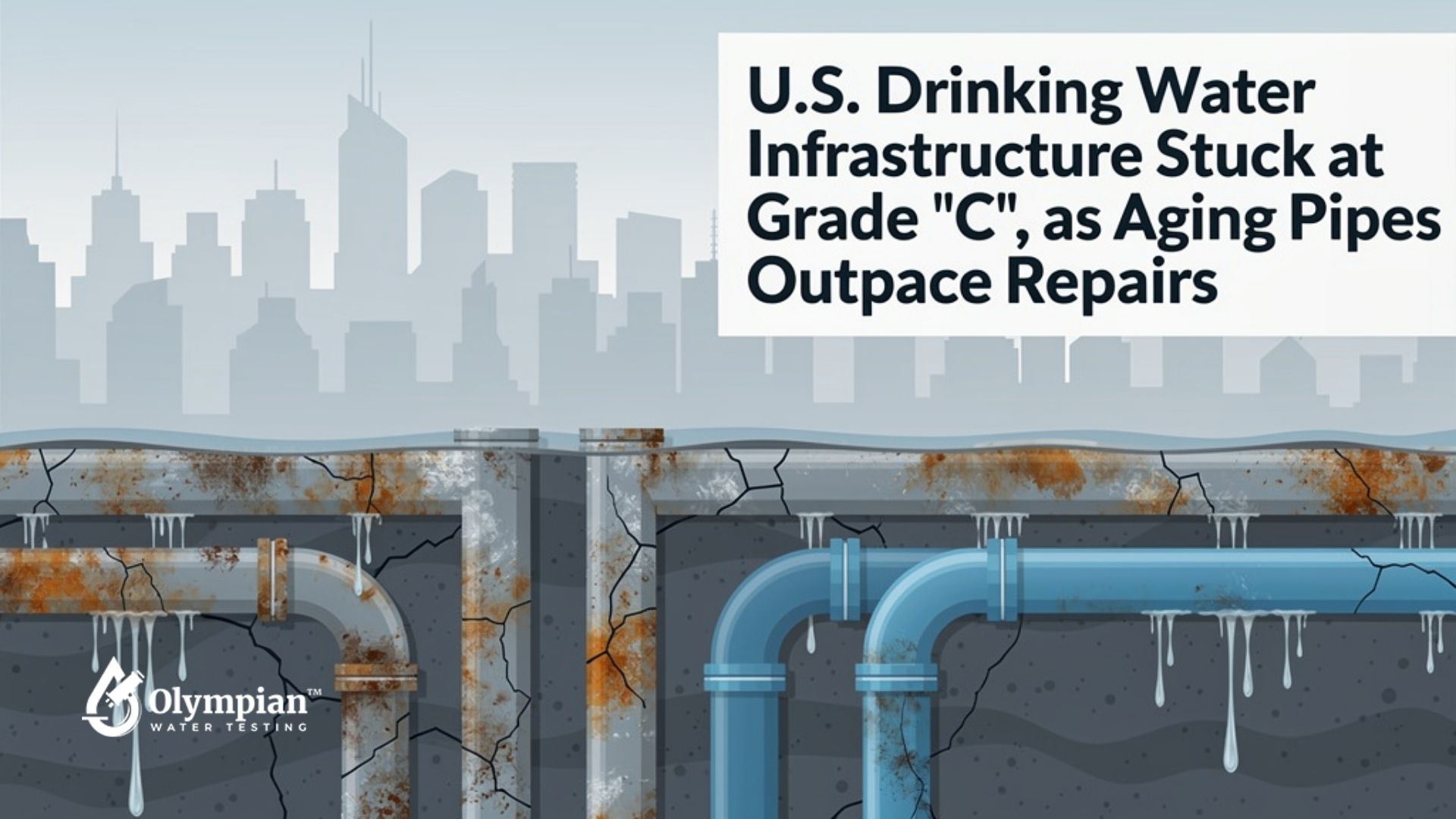
Maintenance hurdles have arisen as the Trenton Water Works timeline progressed. Older lines face frequent leaks and upkeep setbacks. Many aging pipelines suffer from corrosion, highlighting ongoing infrastructure challenges. A closer look at local coverage shows how past underinvestment has led to current stress.
Efforts to address these issues have taken shape through partial upgrades. Water officials have launched retrofit projects for treatment facilities and distribution networks. These steps, while significant, have often fallen short of fully reversing decades of wear and tear.
- 19th-century foundations linked to early industrialization
- 20th-century expansions spurred by urban population growth
- Modern interventions aimed at safety and compliance
Period | Key Development |
1800s | Creation of basic water channels |
1900s | Major pipeline extensions to support factories |
1970s-Present | Retrofits addressing new regulations and site upgrades |
Key Factors Contributing to the Current Crisis
Trenton is facing a severe water infrastructure crisis, caused by outdated systems and insufficient maintenance. Local authorities are struggling to address urgent repairs and outdated technology. The increasing cost of repairs and logistical challenges have heightened public anxiety.
Aging Pipelines and Equipment

Corroded lines indicate widespread pipeline deterioration in the city. Some parts are nearing the end of their lifespan, necessitating expensive lead line replacements. Experts estimate a $1 billion investment over 15 years to update critical infrastructure and reduce disruptions. This lack of maintenance erodes trust among residents, who demand reliable service.
Funding and Budget Constraints

Finding funding solutions is a significant challenge. Ongoing budget constraints force officials to make tough decisions on which projects to prioritize. They are exploring federal assistance to help cover the rising costs, including possible extensions of the 2031 deadline for lead pipe replacements. Many hope these measures will alleviate financial burdens and safeguard the community from future problems.
Project | Estimated Cost | Timeline |
Lead Line Replacement | $1 Billion | 15 Years |
Treatment Plant Upgrades | Varies by Facility | Ongoing |
Health and Environmental Implications
Public water systems with frequent disruptions pose significant contamination risks. These risks lead to infections and compromised hygiene. Residents, often reliant on aging facilities, face the danger of lead exposure. This can severely impact children’s development.
The public health impact goes beyond immediate illnesses. Chronic pollutants and failing infrastructure disproportionately affect low-income communities. Experts caution that even small amounts of toxins can build up, posing environmental risks to local watersheds. This affects wildlife and plants that rely on clean streams.

“Safe water is vital for disease prevention and community well-being,” says a noted specialist from the Environmental Protection Agency.
Health advocates push for regular testing and transparent reporting to safeguard families from hidden dangers. They emphasize the need for modern filtration systems and consistent funding. Without timely upgrades, the region faces recurring issues that threaten diverse ecosystems and public health. Residents are calling for swift action to prevent severe consequences.
Local clinics see a steady increase in water-related complaints, including stomach illnesses and persistent fatigue among young individuals. This trend highlights the urgency of addressing structural faults that allow harmful agents into household taps. Timely policy decisions and strong community engagement are critical to overcoming these health challenges.
The Role of Local Governance in Trenton’s Water Utility
Local governance is key in shaping water services in Trenton. Municipal management policies dictate how resources are maintained and protected. The Trenton City Council reviews contracts, funding, and transparency, ensuring public interests are met.
Leadership changes have introduced oversight gaps. Mayor W. Reed Gusciora emphasizes the need for consistent guidance. Yet, conflicting priorities sometimes hinder timely actions. The JAS Group contract controversy highlights debates over quality standards when work is awarded to the lowest bidder. Frequent leadership changes complicate maintaining stable operations.
Management Challenges

Complex administrative layers slow down decision-making. Budget constraints and competing projects lead to deferred maintenance. Officials aim to balance long-term improvements with immediate repairs, striving to maintain public trust and manage resources wisely.
Coordination with State Authorities
City stakeholders work with the New Jersey Department of Environmental Protection to address urgent needs. Joint planning sessions ensure regulatory compliance and strategic improvements. This cooperation protects drinking water and fosters structured oversight for ongoing progress.
Regulatory Oversight and State Intervention
The state employs a strong regulatory framework to ensure public water meets quality standards. Every action, from lead pipe checks to fixing contamination, must follow legal guidelines. These rules are designed to protect public health.
NJDEP oversight empowers experts to impose fines, conduct investigations, and order corrective actions when utilities fall short. A 15-page unilateral administrative order from 2022 showcases this power, setting out specific deadlines for upgrades.

Some state admin orders require lead service replacements and equipment upgrades. This process can be challenging, but BPU decisions often provide clarity. State laws demanding lead pipe replacements underscore the need for infrastructure updates.
Collaboration with federal agencies occurs under the safe drinking water act. This partnership offers technical support and grants for significant repairs. The goal is to minimize risks and prevent system failures that could harm residents.
Document | Year | Purpose |
Unilateral Order | 2022 | Enforce compliance deadlines |
Lead Pipe Law | Ongoing | Mandate safe replacements |
BPU Decisions | Various | Guide rate and policy changes |
Shared Responsibilities of Consumers and Officials
As Trenton faces public advisories about lead lines, the need for accountability grows. Open forums and detailed bulletins aim to guide community engagement. Yet, concerns linger about the speed of updates.
Residents push for consumer responsibility by reporting leaks or water quality changes promptly. Local leaders are urged to provide official transparency when issuing health warnings or service schedules.
Transparency in Communication
Clear communication from state agencies and local offices builds public trust. Regular updates on contaminants or disruptions keep families informed. In-person meetings and online dashboards encourage real dialogue on shared challenges.
Infrastructure Maintenance Efforts
Maintaining pipelines and treatment facilities requires teamwork. Utilities track damaged lines, while families support upgrades by monitoring their systems. Cooperative planning aims to reduce long-term costs and prevent future disruptions.
“Clean water is fundamental to public health,” stated the American Water Works Association.
Action | Expected Impact |
Regular Public Bulletins | Greater official transparency |
Lead Line Surveys | Stronger consumer responsibility |
Community Monitoring Groups | Enhanced community engagement |
Potential Funding Solutions and Federal Assistance
Local officials are exploring various financing options. Municipal bonds could provide immediate funds for pipeline upgrades and system improvements. Investors view bonds as a reliable choice, potentially speeding up project timelines.

The bipartisan infrastructure law includes a $15 billion earmark, a significant funding source. This federal support could enhance lead service line removals, focusing on older city areas. Water utility grants are also being considered to ease financial burdens on historically underinvested neighborhoods.
Reaching the 2031 goal for complete lead line removal is a complex challenge. State agency support is vital for oversight, but careful budget and timeline management is critical. Gradual ratepayer adjustments are expected, yet broader collaboration is key to securing a reliable water supply for the future.
Funding Mechanism | Key Benefit | Focus Area |
Municipal Bonds | Immediate Liquidity | Upgrading Pipelines |
Federal Infrastructure Funds | Significant Allocation | Lead Line Removal |
Bipartisan Infrastructure Law | $15 Billion Earmark | Modernization Efforts |
Water Utility Grants | Reduced Local Costs | System Rehabilitation |
Community Reactions and Ongoing Public Concerns
Concerns over drinking water safety have escalated in urban areas. Families are questioning the integrity of aging pipes, demanding transparency from authorities. Organizations like Isles Inc. have highlighted lead exposure in children, pushing for enhanced regulation.
The discontent among locals is palpable, with many calling for immediate action. Public protests have become common outside city halls, demanding swift resolutions. Elected officials are under pressure to address these concerns, partly due to allegations against JAS Group.
Grassroots Advocacy
Community advocacy is growing, fueled by letter-writing campaigns and community gatherings. Organizers use social media to disseminate information and mobilize support across the city.
Residents say, "We deserve clean water that meets modern standards. Our children’s health should not be left in limbo."
A broad coalition of voices is calling for safer water infrastructure. Volunteers, churches, neighborhood groups, and nonprofits are working together to push for policy changes. Their efforts highlight the need for upgraded facilities and equitable funding. This collective action empowers local stakeholders to shape policies, safeguarding future generations from water-related hazards.
Looking Ahead to Immediate Action Plans
Trenton Water Works is shifting its focus to enhance system stability and alleviate community worries. This shift includes a more robust emergency response to at-risk pipelines and quicker inspection schedules. The goal is to maintain consistent service and safeguard neighborhoods from health or safety risks.
Short-term repairs are planned to fortify critical connection points. A detailed water safety timeline outlines regular pressure and chemical balance tests. Residents can follow key milestones and stay updated on inspection outcomes through official bulletins and online alerts.
Local leaders emphasize the importance of open communication. They urge residents to check official websites for immediate action updates. Fire stations and public health centers are ready to provide assistance and answer questions for those in need.
Initiative | Timeline | Oversight |
Short-Term Repairs | 30 Days | Trenton Water Works |
Pressure Testing | Bi-Weekly | New Jersey Department of Environmental Protection |
Public Alerts | Real-Time | Local Government |
Prospects for Long-Term Water Security in Trenton
Trenton’s journey towards long-term water security is paved with multi-decade reforms and modern practices. Leaders suggest introducing advanced water treatment systems and enhanced oversight. This strategy aims to mitigate health risks and pave the way for enduring enhancements.
Modernizing the infrastructure could involve replacing outdated pipelines and upgrading pumping stations. Sustainable water management hinges on balanced regulations and public education. State officials and local stakeholders recognize the importance of collaborative investments, potentially through regional partnerships.
Effective future planning necessitates consistent funding and legislative backing. Trenton can gain from partnerships that bring expertise and innovative solutions. A revamped water utility would foster stronger protective measures for future generations.
The success of long-term outcomes depends on open dialogue and proven strategies. This effort has the capability to build public trust and protect resources.