What Are “Forever Chemicals” and Their Relevance to Connecticut?
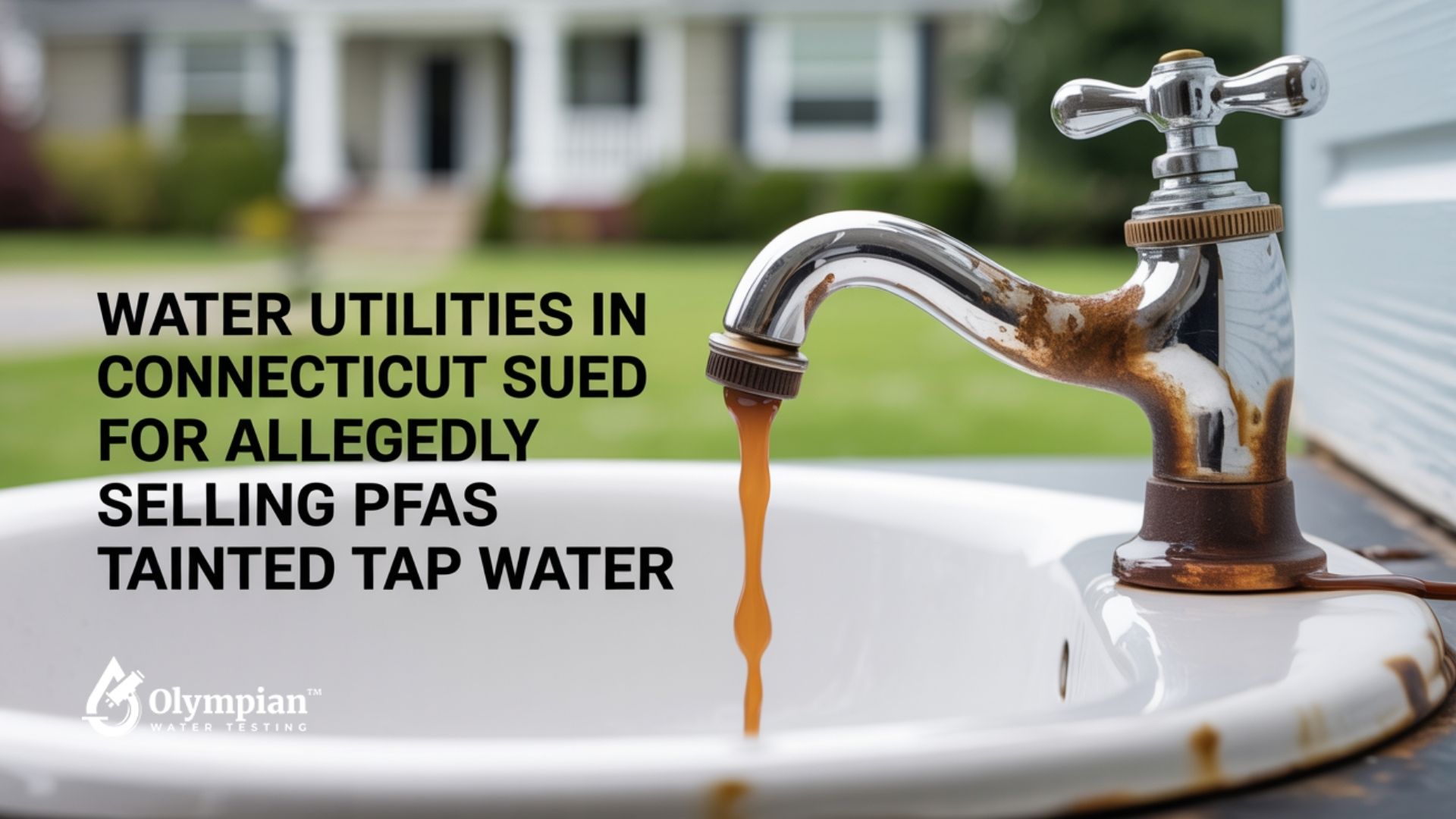
In Connecticut, per- and polyfluoroalkyl substances are known for their resistance to degradation. These "forever chemicals" pose a persistent threat to both water and soil. Their connection to PFAS pollution highlights the importance of understanding community health risks. The state’s environmental agency provides insights in this Introduction to PFAS guide. These substances persist in the environment, sparking ongoing public debate.
Origins of PFAS in Consumer Products
Companies found that per- and polyfluoroalkyl substances were essential for nonstick cookware, stain-resistant carpets, and water-repellent fabrics. These products were introduced to the market to enhance their durability. Concerns about PFAS pollution in local communities soon followed. Food packaging also became a concern, as manufacturers sought materials that could handle liquids without degrading.
Health Implications for Community Residents

Studies suggest that even minimal exposure to these substances may lead to thyroid disorders and immune system problems. People living near waste sites or industrial areas face higher risks. These findings have prompted further research into chronic health conditions. Many residents are now focused on education and action, aiming for a safer environment for everyone.
Statewide Initiative: An Overview of the $3M Investment
The Connecticut Department of Energy and Environmental Protection has secured $3 million in government funding. This investment aims to tackle persistent concerns related to perfluoroalkyl substances. The goal is to enhance testing programs and assemble expert teams to identify risks across the state. This PFAS initiative marks a significant step towards reducing chemical hazards.
Leaders intend to bolster local oversight and establish a timeline for sampling water sources. They plan to collaborate with experts to develop remediation strategies that safeguard community health. This environmental investment reflects a deeper commitment to preserving natural resources and ensuring safer living conditions.
“Environment first means safeguarding our water and wildlife,” said Governor Ned Lamont, highlighting the drive behind this statewide program.
Project organizers have outlined several tasks for immediate action:
- Expand lab facilities for accurate contamination detection
- Recruit scientists and engineers for remediation efforts
- Coordinate outreach programs that educate residents about risk reduction
These initiatives underscore Connecticut’s pledge to create a cleaner future for all.
PFAS: Understanding the Impact in Connecticut
Public concerns about toxic substances have led to renewed attention on PFAS detection. These chemicals linger in the environment and accumulate in human tissues. Connecticut residents are learning how industrial facilities and special applications change everyday life. Lawmakers and health experts maintain that safer manufacturing practices are necessary. Research indicates small traces can affect natural habitats and possibly impact wildlife health.
Industrial Sources and Firefighting Foams

Factories that produce plastics or metals often release harmful byproducts. This can amplify firefighting foam hazards at training sites when large concentrations of foam run into soil and water. Certain airports and industrial centers have replaced older formulas with safer ones, yet historic spills remain a threat. Biosampling projects track pollutants in local sediment to understand long-term risks for surrounding communities.
Impact on Drinking Water Supplies
Higher concentrations are found in rivers and aquifers. Untreated presence of these contaminants poses challenges for safe water supplies. State agencies have increased testing at municipal wells and reservoir sites. This strategy supports public health by identifying risk zones, then working to eliminate exposure pathways. Local stakeholders encourage individuals to stay informed about possible contamination events. In some regions, advanced treatments such as granular activated carbon may reduce chemical levels in tap water, reinforcing community confidence.
Mapping Pollution Hotspots Across Connecticut
Identifying severe contamination hotspots demands a mix of scientific knowledge and hands-on fieldwork. Experts analyze water, soil, and air samples from various areas to pinpoint vulnerable spots. This meticulous method allows for the allocation of resources for targeted cleanups and future prevention efforts.
Technology Tools for Accurate Detection

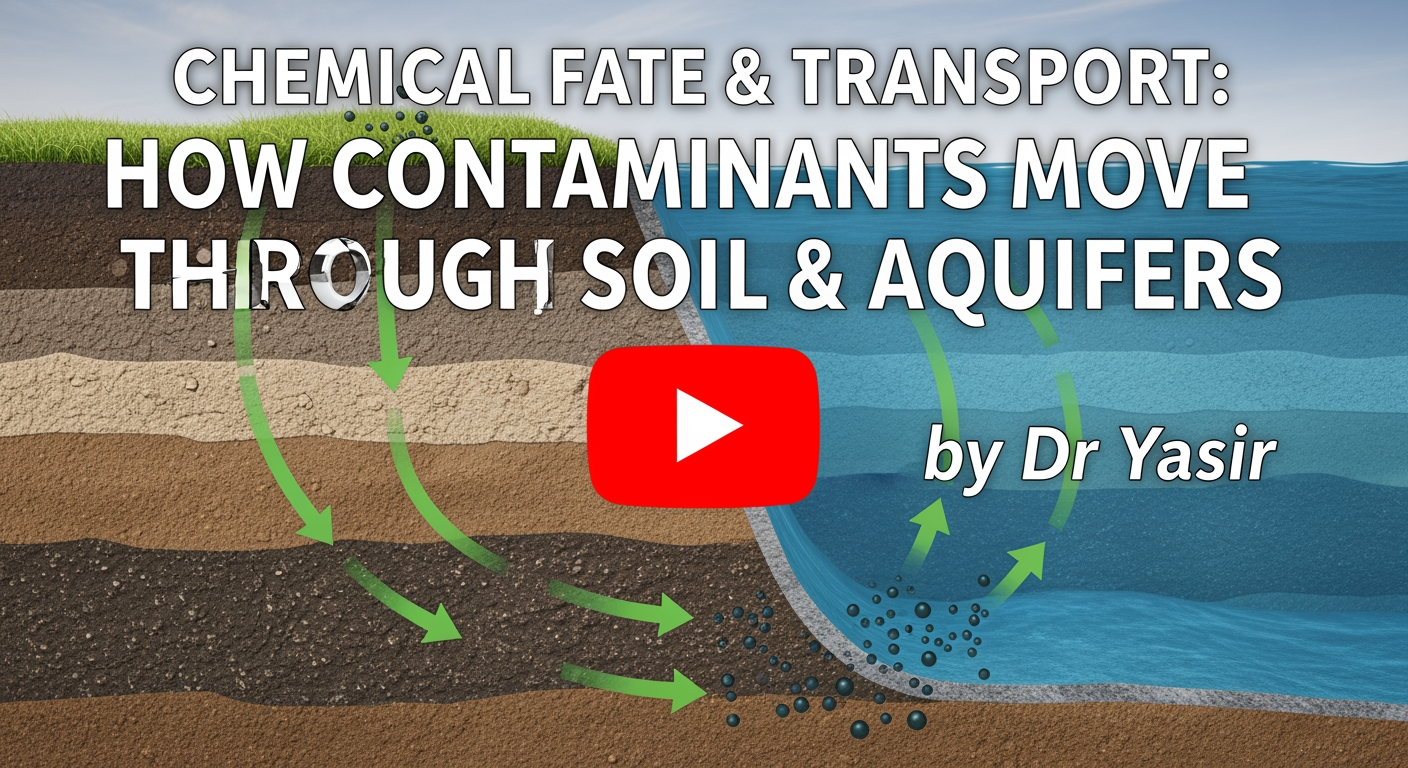
Technicians employ advanced techniques, such as GIS mapping and mass spectrometry, to dissect PFAS mapping data. They collect precise data and input it into central databases. This approach aids in predicting pollutant movement and tailoring solutions for each affected area.
Collaboration with Local Communities for Sampling
Residents, nonprofits, and educational bodies launch community environmental monitoring initiatives. They focus on water quality and soil conditions. By sharing their findings with state agencies, they foster transparency and build trust. This grassroots effort highlights the collective duty to restore and safeguard these vital ecosystems.
Protecting Public Health Through Rigorous Testing Protocols
Connecticut’s focus on water safety has led to the development of advanced laboratory methods. These methods are designed to detect hidden threats. Scientists use cutting-edge instruments to analyze samples, searching for even the faintest presence of harmful compounds.
These procedures confirm that contamination standards are met. This gives residents a clearer understanding of local water quality. It’s a critical step in ensuring the safety of the water we drink.
PFAS testing is at the heart of this effort. Technicians collect samples from wells, reservoirs, and public distribution lines. They cross-verify data with recommended guidelines. Each sample undergoes multiple checks, reducing any chance of oversight or error.
Results guide authorities in tracing possible pollution sources. They also set strategic priorities for cleanup. This ensures that public health is protected.
Protecting public health depends on consistent monitoring and swift intervention. Rigorous protocols allow experts to act with confidence when issues arise. This ensures a safer environment for every community.
Municipal agencies and private stakeholders continue to strengthen these approaches. They build trust through transparency and thorough data sharing. They often refine methods as science evolves.
Regulatory Steps to Mitigate PFAS Exposure

The push for stricter PFAS regulations is driven by a focus on public health. Connecticut’s leaders are committed to ongoing monitoring and detailed assessments. They aim to establish clear chemical exposure limits. This effort sparks discussions on balancing economic growth with the need for safer communities.
A national framework is guiding the evolution of federal vs. state policies. Some see federal guidelines as a starting point, while local agencies are filling in the gaps for quicker action. Research from reputable institutions emphasizes the need for clear thresholds.
"Ensuring greater consistency in standards is essential for proactive risk reduction," said Michael S. Regan, Administrator of the U.S. Environmental Protection Agency.
Federal Guidelines vs. State-Level Action
Federal directives outline broad goals, but Connecticut’s state-level initiatives often exceed these standards. A recent recommendation from this risk management approach suggests increased collaboration among environmental agencies.
- Greater data sharing across jurisdictional lines
- Stricter oversight of industrial discharges
- Expansion of testing frameworks
Potential Policy Changes Ahead
Officials predict more stringent chemical exposure limits in future legislation. Local policy adjustments could bridge regulatory gaps, providing communities with enhanced protection. The debate continues on new labeling requirements and increased transparency.
Agency | Current Role | Future Steps |
EPA | Publishes PFAS guidelines | Revised national limits |
Connecticut DEP | Implements state programs | Stricter site-specific rules |
Balancing Economic Growth with Environmental Safeguards

Connecticut strives to safeguard vital resources while fostering economic growth across various sectors. It collaborates with businesses to implement practices that minimize harmful discharges. This focus on environmental sustainability ensures water quality and soil health for future generations. Cleaner technologies attract investors, reducing PFAS response measures and long-term costs.
Companies like Pratt & Whitney are adopting greener production methods. This move enhances local manufacturers’ competitiveness and protects ecosystems essential for agriculture. Smaller businesses employ specialized tools to detect contamination early, preventing damage to waterways. These actions build public confidence in the state’s commitment to sustainable development.
The table below showcases effective strategies for growth that minimize environmental harm:
Area | Approach | Outcome |
Agriculture | Biodegradable materials | Reduced chemical runoff |
Manufacturing | Closed-loop systems | Lower PFAS infiltration |
Energy Production | Cleaner power generation | Healthier local communities |
Responsible planning, including PFAS response, lays the groundwork for ongoing progress and a vibrant environment.
Resource Allocation Strategies for Effective Cleanup
Connecticut’s plan balances urgency with practicality. It employs various strategies to tackle contamination at its source. Teams collaborate with specialized engineers for PFAS remediation in water systems. Dedicated funds are allocated for municipal upgrades, aiming to reduce health risks for those reliant on local water supplies.
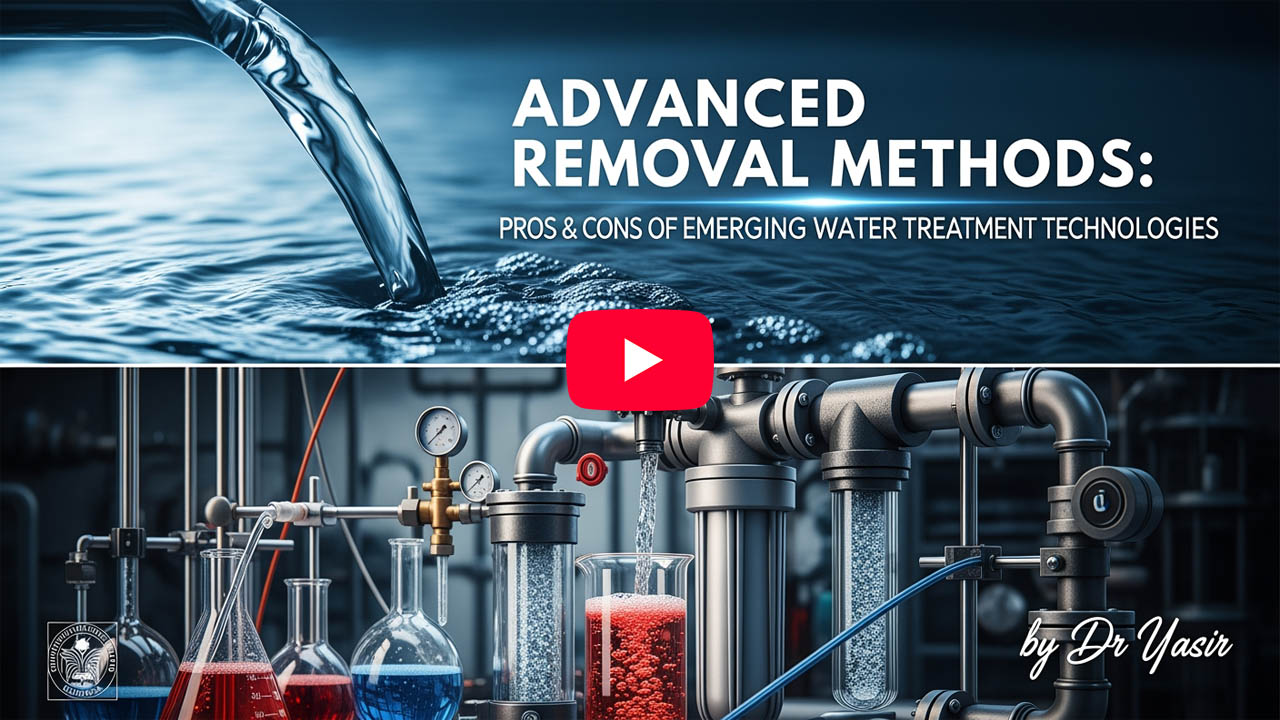
Innovative Removal Methods
Many communities choose large-scale wastewater treatment upgrades to cut down chemical discharge. Utility managers consider carbon adsorption and reverse osmosis to filter out harmful particles. The Environmental Protection Agency‘s research guides these projects, ensuring each step adheres to safety standards.
Funding Priorities and Timelines
Leaders prioritize governmental cleanup funding based on immediate threats and long-term benefits. Smaller pilot programs receive a portion of the budget to test new solutions. Successful prototypes are then expanded statewide, with clear milestones for each phase. This approach ensures accountability and promotes rapid progress.
Method | Estimated Cost | Time Frame |
Carbon Adsorption | $2–$5M | 6–12 Months |
Reverse Osmosis | $4–$7M | 12–18 Months |
Ion Exchange | $3–$6M | 9–15 Months |
Community Engagement and Public Awareness

State agencies and neighborhood groups foster local outreach to unite residents and build trust. Public forums serve as a platform for families to learn about PFAS education and gain health tips for everyday life. These forums encourage open discussions, allowing everyone to express concerns and share personal stories.
Community advocates collaborate with brands and research institutions to create user-friendly tools. They aim to help people understand official data. This open dialogue sparks curiosity and empowers more individuals to work with Connecticut environmental programs.
- Interactive dashboards for real-time contamination tracking
- Workshops focused on home testing methods
- Safe water initiatives driven by residents
These strategies keep families informed and encourage wider participation in critical decisions. Many volunteer in cleanups or join support networks that disseminate new information to friends and neighbors. This collective effort ensures the protection of public health and the environment.
"Communities holding hands in progress create lasting impact and preserve a healthier tomorrow," said a Connecticut Department of Energy and Environmental Protection spokesperson.
The Role of Scientific Research in Shaping Future Policies
PFAS research fuels debates on contamination limits and cleanup strategies. Researchers at the University of Connecticut analyze water samples to spot emerging trends. Governments closely monitor these findings, using them to craft new environmental protection plans.
Science-based policy is born from data-driven legislation. Collaborations between state agencies and academia speed up advancements in water treatment and waste management. Experts continually update toxicity thresholds to protect human health. These updates guide policymakers in addressing community fears while preserving ecosystems.
Key Studies and Findings
Recent studies reveal PFAS compounds’ lasting presence in soil and water. Peer-reviewed journals document their harmful effects on wildlife and human health risks. These findings underscore the need for robust policies backed by PFAS research.
Bridging Science and Legislation
Citizen advocacy groups push local concerns to lawmakers. Research institutions guide them in crafting science-based policies to address contamination effectively. Outreach efforts enhance collaboration between academia and agencies, leading to more effective long-term solutions.
Looking Ahead for a Healthier Connecticut
State agencies are investing $3 million to enhance testing and safety measures, aiming to reduce toxic hazards. This move is part of a larger plan focused on PFAS risk reduction. It emphasizes the balance between public health and environmental cleanliness.
Legislators and environmental experts are working together to create policies that protect families from hidden chemical dangers. Their long-term goals include conducting more research, ongoing monitoring, and pushing for safer industries. Citizens are also key players, staying informed and supporting local efforts to preserve the environment.
These efforts are seen as essential steps toward a sustainable future. Officials believe in the power of collective action to tackle emerging contaminants. They aim to create a blueprint for healthier generations, ensuring Connecticut’s well-being for years to come.