Do Lead Pipes Deliver Water to Your NYC Building? Here’s How to Find Out
Reading Time: 3 minutes
An estimated 30% of water service lines in New York City may still be made of lead, raising concerns for residents about the safety of their drinking water. To help address this, the New York League of Conservation Voters has developed an interactive map based on Department of Environmental Protection (DEP) data. The map identifies over 124,000 lead pipes and highlights areas most at risk, such as Jamaica, Queens, and Pelham-Throgs Neck in the Bronx, where roughly 25% of service lines contain lead.
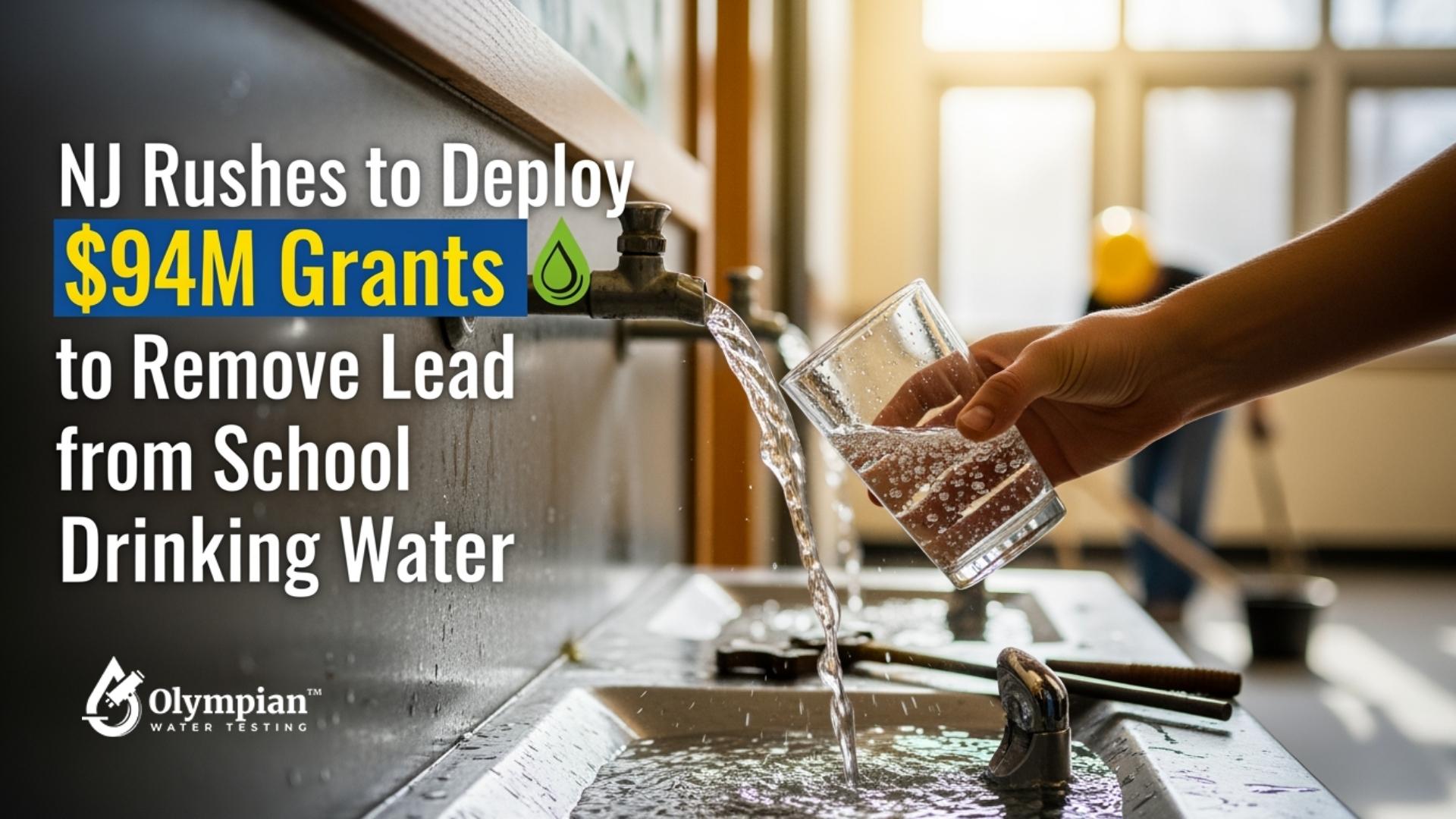
Lead pipes were banned in NYC in 1961, but many older homes and multi-family buildings still rely on them. Disadvantaged communities, defined by low income and high pollution exposure, are disproportionately affected, with over 40% of the city’s lead lines concentrated in these neighborhoods. Replacing all lead pipes across the city is expected to cost $2 billion, with homeowners and landlords responsible for the $10,000 to $15,000 per line cost.
Lead exposure poses serious health risks, including impaired brain function and decreased fertility. While proper water treatment can reduce the risk of lead leaching into the water, residents are encouraged to take precautions. The DEP offers free water testing kits, and low-income residents may qualify for grants to help cover the cost of replacing lead pipes. In addition to using the free water testing kits provided by the DEP, residents can also seek support from local community organizations that prioritize public health. These organizations often collaborate with Olympian water testing services to ensure comprehensive assessments of household water quality. By being proactive and addressing lead exposure, families can protect their health and well-being for generations to come.
The 2014 Flint, Michigan water crisis underscored the dangers of lead pipes, as residents reported unusual water tastes, odors, and symptoms like hair loss. However, experts caution against panic. Simple steps like cooking with cold water and using lead-filtering devices can help reduce exposure immediately.
New York City’s water supply travels lead-free for 125 miles from its upstate reservoirs. While the city has some of the world’s highest-quality water, lead pipes in individual homes and buildings can compromise this.
“If you have a home built before the 1980s, it’s worth checking your plumbing,” advised Joshua Klainberg of the New York League of Conservation Voters. “The presence of lead pipes shouldn’t cause alarm, but it’s an issue that should be addressed to protect your family and make the most of NYC’s incredible water supply. ” Neglecting to inspect the plumbing can lead to serious consequences, especially in older homes where lead pipes are more common. Homeowners should be aware of the potential lead pipes and health risks associated with consuming contaminated water. Taking proactive measures, such as testing your water quality and replacing outdated plumbing, can safeguard your family’s well-being and ensure that you are enjoying the clean, safe water that New York City is known for.
Share this on social media: