Understanding Chicago’s Historical Water Infrastructure
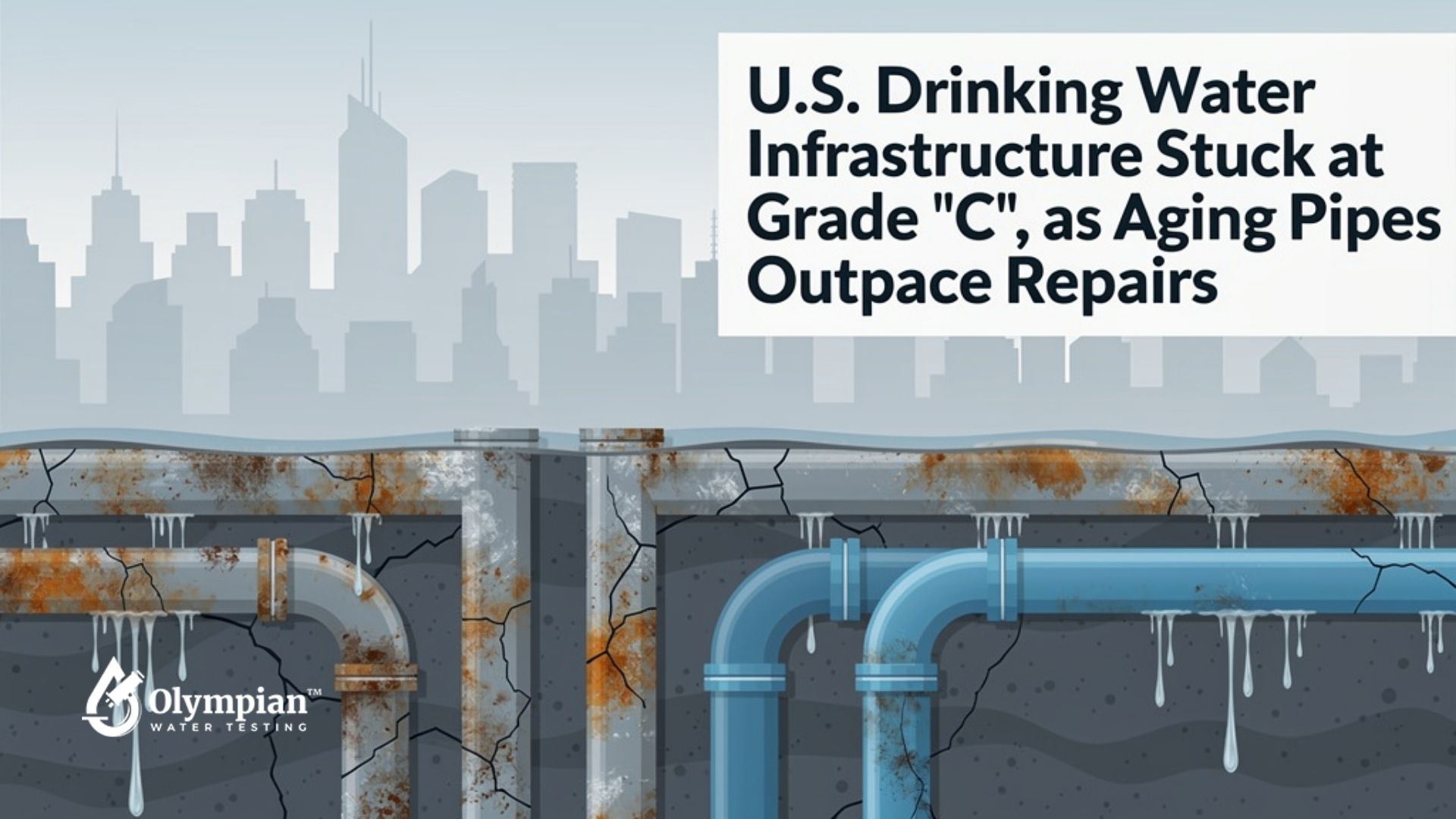
City ordinances allowed lead pipes long after safer alternatives were adopted elsewhere. Unions and builders supported these lines for years. This legacy has left many older neighborhoods with outdated connectors. Chicago’s past choices, not aligned with emerging health research, complicate today’s upgrades.
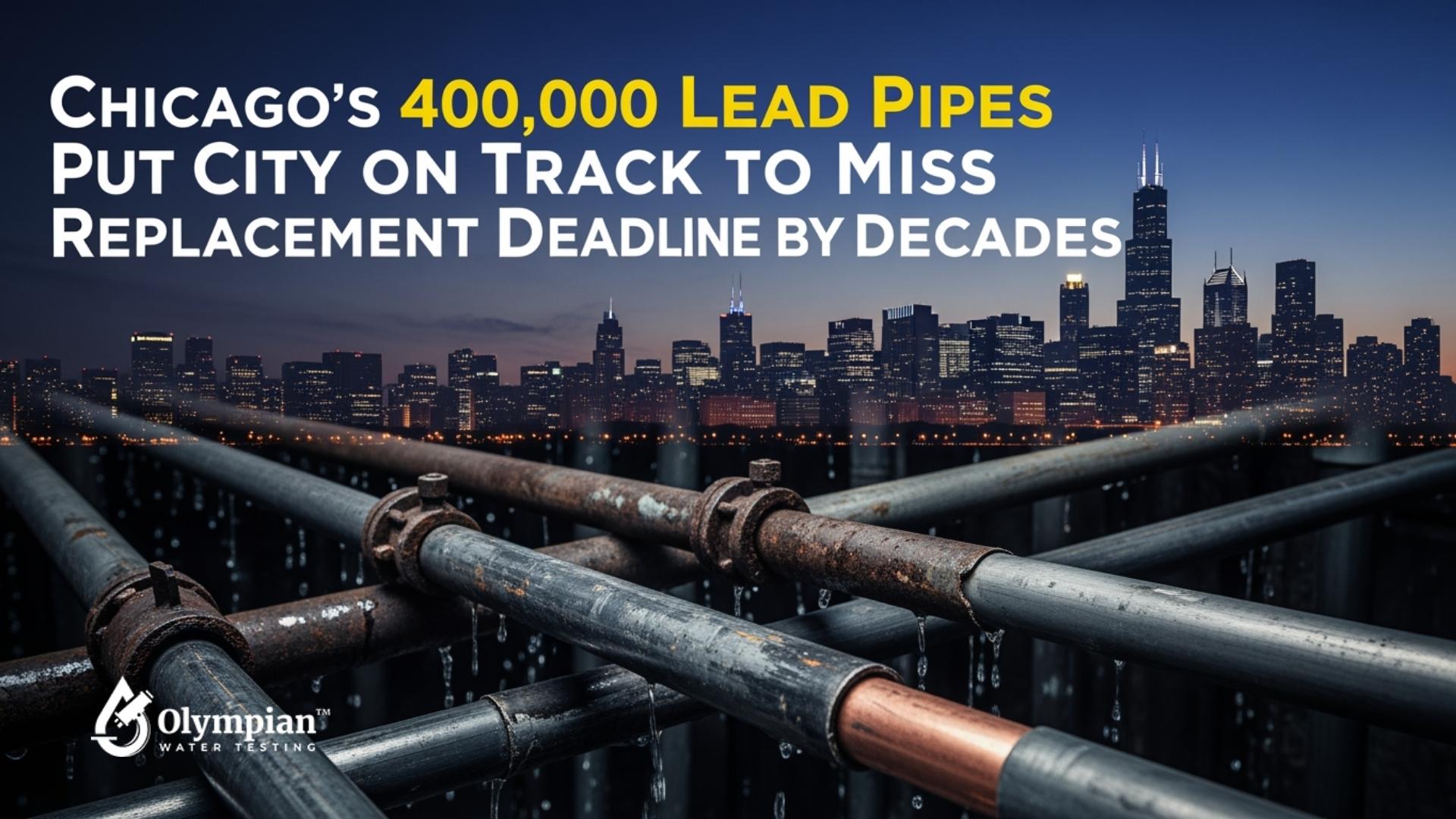
A public records review reveals lead’s widespread presence in the city. This underlines the urgent need for lead pipe replacement to safeguard families. Leaders foresee significant financial investments required for this effort. The risk of contaminants from corroded or deteriorated fixtures is a pressing concern. Addressing this infrastructure challenge requires a unified approach to ensure clean water for all.
Lead as a Public Health Hazard
Federal health bodies, including the Centers for Disease Control and Prevention, stress that exposure to lead can trigger serious complications. Research shows that Chicago’s proposed replacement plans exceed the current federal rule by nearly three decades. This raises concerns about timely compliance with stricter EPA lead regulations.
Effects on Vulnerable Populations

Children in neighborhoods with older piping face higher contamination risks. Pregnant individuals are at increased threats because lead can pass through the placenta, endangering infant development. Lower-income communities often struggle to offset these dangers due to limited resources.
Typical Exposure Levels and Risks
Water samples typically show varying lead concentrations, but any detectible amount can be harmful. Ongoing testing encourages early detection, yet environmental activists believe more aggressive steps are needed. Many call for updated EPA lead regulations to prioritize faster replacements.
Group | Potential Impact | Key Protection Steps |
Infants and Children | Neurological Damage | Frequent Water Testing |
Pregnant Individuals | Long-Term Developmental Issues | Filtered Drinking Sources |
Older Adults | Elevated Blood Pressure | Regular Health Screenings |
Why the Replacement Program Faces Delays
City planners have set a 50-year plan starting in 2027, aiming to replace 8,300 lines annually. This rate is slower than the federal guidelines, which suggest nearly 20,000 replacements yearly. The goal is to complete the task in just two decades.
Several obstacles complicate these efforts. Institutional barriers, complex logistics, and a lack of resources hinder progress. Stakeholders highlight the red tape that hampers large-scale upgrades. Despite ambitious plans, the city’s pace falls short, leaving Chicago’s lead pipes at risk for longer than expected.
These delays have serious health implications for local communities, increasing calls for transparency. Water management experts warn that neglected infrastructure poses long-term threats to families. A stronger commitment is needed to protect residents and meet national standards, ensuring public health is prioritized.
Proposal | Federal Guideline |
50-year timeline starting in 2027 (8,300 lines/year) | 20-year goal with ~20,000 lines/year |
Funding and Regulatory Hurdles

Chicago’s effort to remove lead lines is hindered by significant financial challenges. The cost to replace each line is approximately $35,000, highlighting the project’s scale. Over four years, the city has only replaced fewer than 8,000 lines. This reveals a critical public health hazard due to aging infrastructure.
Federal Guidelines and Local Policies
National agencies enforce strict standards for safe water delivery. Yet, local ordinances sometimes conflict with these federal rules. This confusion hinders the adoption of consistent replacement strategies. The complexity of compliance is further exacerbated by overlapping jurisdictions.
Budget Constraints in Chicago
Chicago faces financial limitations, with federal grants nearing expiration. These constraints threaten the long-term viability of the project. Community advocates urge for increased investment to expedite the process and address this public health hazard.
Slow Approval Processes
Obtaining permits and undergoing reviews is a time-consuming process. Departments need to conduct multiple checks, prolonging each stage. The struggle to coordinate resources and meet urgent demands leaves many households at risk.
Community Awareness and Advocacy Initiatives
In the Chicago area, organizations like the Natural Resources Defense Council have launched grassroots campaigns. These efforts aim to educate residents about available resources for safe drinking water. They focus on testing for contaminants and use various methods, including door-to-door visits, social media, and virtual seminars.
At the core of these initiatives is education. Households learn about identifying lead risks and safer alternatives. Many families use filtration systems or buy bottled water as temporary solutions. Advocates push for long-term fixes, arguing that collective action can lead to policy changes more quickly than individual efforts.
“We’ve had to use bottled water for cooking and drinking,” shared a concerned resident. “It’s a short-term fix, but we need bigger changes.”
- Encourage neighbors to share their stories
- Distribute in-home test kits
- Host workshops on filtration practices
Advocacy Group | Main Action | Impact |
Natural Resources Defense Council | Education & Mobilization | Raised public curiosity about safe drinking water efforts |
Local Community Centers | Neighborhood Outreach | Boosted awareness in underserved areas |
Comparisons with Other Major US Cities

Many urban centers have swiftly upgraded their old pipelines. Among the five cities with the most lead pipes—Chicago, Cleveland, New York, Detroit, and Milwaukee—Chicago lags behind federal deadlines. Other cities completed their projects within a decade, thanks to clear timelines and active community engagement.
Successful Models to Emulate
Cleveland adopted a block-by-block approach, focusing on areas with frequent service issues. New York invested in modern materials to protect public health. Detroit targeted at-risk communities, streamlining alerts and outreach efforts. These strategies effectively reduced lead contamination in drinking water across these regions.
Each program relied on strong communication, consistent updates, and cooperation among local agencies. This ensured the success of their initiatives.
Lessons Learned from Early Adopters
Public meetings and transparent budgeting built trust in cities facing funding challenges. Residents felt more involved when they understood the goals and timelines. Shared accountability among departments kept crews on track.
These strategies offer a blueprint for Chicago. With deeper collaboration and strict deadlines, Chicago can also alleviate lead contamination in drinking water.
Impact on Real Estate and Property Owners
Public records reveal the average cost of a complete lead pipe replacement in Chicago can hit $35,000. This figure is a significant burden for many household budgets across various neighborhoods. It hinders property owners’ efforts to ensure safe water infrastructure.
Mortgage lenders and insurance companies often view outdated plumbing with skepticism. This can negatively impact home values and deter prospective buyers. The high cost of replacement becomes a major concern for anyone looking to maintain property value while safeguarding the health of residents.
Some property owners turn to city programs for financial relief. Unfortunately, long waitlists in certain areas leave families uncertain about when assistance will arrive. This uncertainty prolongs the exposure to older, potentially hazardous systems.
Those who cannot rely on city aid must bear the expense themselves. This can deplete personal savings or lead to financing plans with unfavorable terms. The urgency of lead pipe replacement is clear for anyone aiming to preserve property value and protect the health of Chicago’s residents.
Emerging Technologies for Pipe Replacement

New solutions are transforming how communities handle outdated lead lines. Modern engineering focuses on speed and cost savings. Advanced tools are being used to address lead issues without extensive digging.
This method reduces noise, traffic concerns, and property damage. It’s a significant improvement over traditional methods.
Trenchless Repair Methods
Trenchless processes involve inserting liners or pipes inside older conduits. This creates a reinforced pathway. It helps cities meet EPA lead regulations by reducing direct contact with hazardous materials.
A pilot program in some areas has shown these methods’ effectiveness. They cut project times and lower service disruptions for residents.
Innovative Pipe Materials
Modern replacements use safer materials like plastic polymers or copper alternatives. Large municipal projects report fewer failures and faster completion. This is thanks to modern manufacturing standards.
By following EPA lead regulations, planners can quickly adopt new materials. This boosts public health and offers incentives.
Technology | Key Benefit | Typical Time Savings |
Cured-in-place liner | Minimizes excavation | 20–30% |
HDPE piping | Long-term durability | 10–15% |
These breakthroughs can speed up lead pipe removal and lower costs for local governments. Experts predict further innovations will emerge. This will make the transition to safer infrastructure smoother.
Potential Health Consequences of Delayed Removal
Communities reliant on Chicago lead pipes face heightened health risks due to prolonged exposure to lead-tainted water. This exposure can lead to slowed mental development in children, kidney damage, and reproductive issues in adults. The long-term effects are alarming.
Long-Term Neurological Effects
Lead accumulation poses a significant threat to the nervous system, with developing brains being the most vulnerable. Families in areas awaiting replacement programs are left with heightened anxiety. The prolonged wait can have devastating consequences on their children’s health.
Persistent Water Quality Issues
Intermittent testing offers temporary reassurance, but the presence of contaminants in aging lines remains a concern. While filters and flushing methods can reduce exposure, they do not guarantee complete safety. The anxiety about water purity persists as long as Chicago lead pipes remain in use.
Mitigating Ongoing Risks

Health advocates stress the importance of frequent monitoring, the use of certified filtration devices, and transparent communication about water safety. Each delay in replacement increases the risk of harm, underscoring the necessity of prompt service line replacement for community well-being.
Lead: An Ongoing Challenge for Chicago’s Infrastructure
Lead pipes pose a significant threat to many neighborhoods. The city’s efforts to address this issue span decades. Yet, growing public sentiment demands more immediate action. Federal guidelines suggest a 20-year timeline for compliance, but the city’s plans outline a 50-year schedule.
This discrepancy highlights a critical public health risk. It cannot be ignored.
The Need for Urgent Action
Failure to meet shorter deadlines could lead to political and legal repercussions. Community groups urge quicker action, citing the risks to families and businesses. They advocate for safer water, aligning with federal recommendations for robust infrastructure.
- State agencies grow concerned about outdated completion targets.
- Activists stress immediate improvements for cleaner systems.
- Residents expect transparency and stronger leadership.
Timeframe | City’s Proposed Schedule | Potential Outcome |
20 Years | New Federal Guideline | Reduced legal risks and improved public trust |
50 Years | Current Local Plan | Heightened disputes and possible federal intervention |
Moving Toward a Safer Future for Chicago’s Water
City officials, environmental groups, and property owners all aim to eliminate lead from Chicago’s water. Quick cooperation can lead to faster pipe replacements and lower long-term health risks. This collaboration requires budgeting, adopting new technologies, and launching public education campaigns.
Federal infrastructure funds can finance large-scale replacements. State grants support urgent projects, while local efforts boost momentum with shared resources. In some areas, stronger community engagement can prompt immediate action and speed up repairs. Advocates believe seizing these chances will improve health conditions for everyone.
Ensuring safe drinking water is the primary goal. A renewed focus on this effort can unite the city in protecting public health. With a unified effort from government, community leaders, and private organizations, this vision can become a reality for all Chicago residents.