Overview of PFAS and Public Health
Across the United States, communities are grappling with the presence of synthetic chemicals in their water. Scientists are closely monitoring how PFAS contamination affects drinking water near industrial sites and former military bases. They are also studying the long-term health risks and reviewing efforts to establish PFAS regulations that protect families nationwide.
Defining Per- and Polyfluoroalkyl Substances (PFAS)
PFAS includes well-known compounds like PFOA and PFOS. These chemicals were prized for their nonstick and water-resistant properties. They are found in food packaging and firefighting foams, making them ubiquitous in our lives. Their chemical bonds are so strong that they are often referred to as forever chemicals.
Why PFAS Are a Growing Concern
Health experts are concerned about the hormonal disruptions and possible cancer links associated with PFAS. Research also suggests issues with liver function and immune responses. The EPA has recently updated its guidelines, but there are ongoing debates about enforcement. Citizens are demanding clear PFAS regulations to limit exposure and mitigate contamination.
| PFAS Compound | Major Use | Potential Risk |
| PFOA | Nonstick Cookware | Possible link to certain cancers |
| PFOS | Firefighting Foams | Hormonal Disruption |
Examining the Extent of Forever Chemicals in Drinking Water

Investigations reveal that synthetic compounds can travel through both municipal lines and private wells. Urban areas near manufacturing sites frequently receive alerts. Groundwater testing shows higher contamination levels in certain counties. This highlights the concern over PFAS exposure in our daily water intake.
Finding the Hotspots
Regions near industrial plants, former military bases, and farmlands are often identified as high-risk areas. Studies link firefighting foams and the use of treated biosolids to persistent pollutants. It’s noted that PFAS health risks increase when outdated water systems fail to filter out these chemicals.
Identifying At-Risk Populations
Low-income neighborhoods face challenges due to aging pipes that offer less protection. Children and pregnant individuals are more susceptible due to their bodies’ heightened sensitivity to contaminants. Those with chronic illnesses need close monitoring when chemical levels exceed safety thresholds.
| Location Type | Potential PFAS Sources |
| Industrial Zones | Manufacturing and chemical processing |
| Military Bases | Firefighting foam usage |
| Agricultural Areas | Application of treated biosolids |
How the EPA Determines Safety Levels for Tap Water

The Environmental Protection Agency uses scientific assessments to set numeric targets for drinking water. Communities closely monitor PFAS hotspots due to the dangers these compounds pose, even at low concentrations. The EPA’s safety limits aim to protect public health by guiding water utilities and policymakers.
Regulatory Thresholds and Guidelines
Numeric goals as low as four parts per trillion reflect the agency’s commitment to reducing harmful exposures. Some states advocate for stricter thresholds based on localized contamination studies. Others raise concerns about the flexibility of enforcement, given the possibility of legal disputes altering official guidelines.
Recent Updates to PFAS Standards
Recent adjustments to federal policy stem from thorough reviews of toxicity data and consultations with public committees. These steps aim to align with emerging research on PFAS hotspots while ensuring safe drinking water standards. The EPA’s safety limits may evolve as the science behind health advisories improves, promoting compliance at all levels.
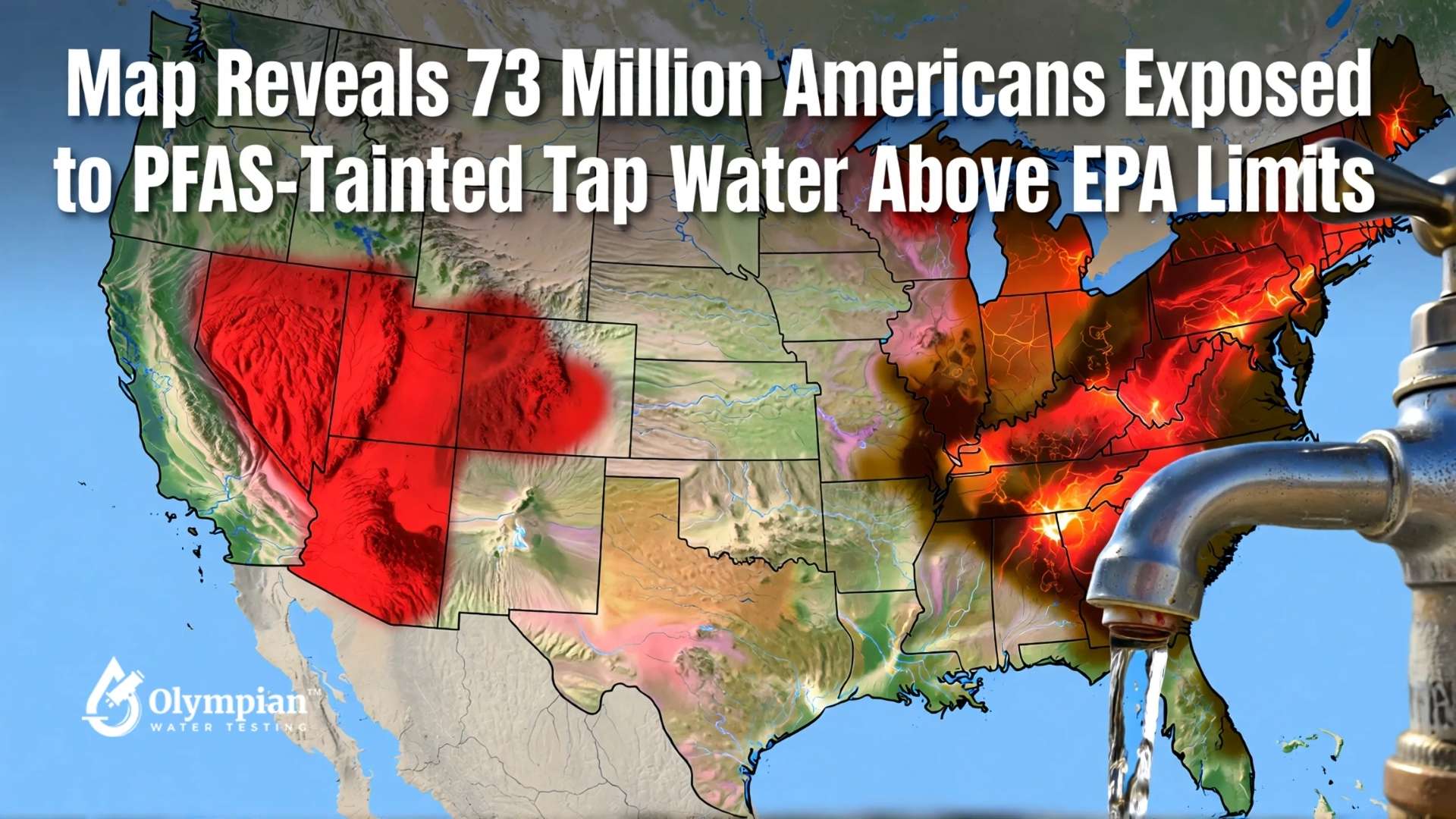
Understanding the Map: Areas with the Highest PFAS Concentrations
Scientific journals and media reports are increasingly highlighting regional hot spots. Industrial belts are often at the center due to their historical ties to PFAS contamination.
Michigan, New York, and parts of the Midwest frequently appear on these maps. The rise in PFAS in drinking water has led to more investigations and regulatory scrutiny. Communities are using these maps to identify high-risk areas, pushing for better filtration and prevention efforts.
The drive for detailed maps is fueled by public demand. These maps combine data from federal agencies, universities, and environmental groups. The goal is to empower people to demand safer water systems.
PFAS Levels in Industrial Hubs (ppt)
Visual comparison of latest reported PFAS levels (normalized to 21 ppt max) plus a detailed table with industrial hubs.
Latest Reported PFAS Level (visual)
Michigan
18 ppt
New York
21 ppt
Ohio
16 ppt
PFAS Levels Summary
| State | Industrial Hub | Latest Reported PFAS Level (ppt) |
|---|---|---|
| Michigan | Greater Detroit | 18 |
| New York | Upstate Manufacturing | 21 |
| Ohio | Northern Region | 16 |
Common Sources of PFAS Contamination

Factories, like DuPont, that produce Teflon-like materials often have large discharge points. These compounds, known as Forever Chemicals, resist natural breakdown. This has led to ongoing releases into waterways due to inadequate waste management.
Industrial practices, such as using firefighting foam or stain-resistant coatings, also pose risks. PFAS regulations aim to mitigate these effects. Yet, long-standing production sites can leak remnants into local water systems.
Industrial Discharges
Each manufacturing site has its own set of risks. Byproducts and accidental spills can significantly pollute rivers and groundwater. The repeated use of these substances in refining processes increases the risk of pollution nearby.
Household and Municipal Waste
Items like water-repellent clothing and non-stick cookware end up in landfills, where they slowly leach. Municipal wastewater facilities face challenges in removing all traces, leading to their return to surface water. This cycle underlines the importance of proper disposal methods.
Known Health Implications Linked to PFAS Exposure

Researchers from the National Cancer Institute have found a link between PFAS and testicular and kidney cancers. They also suggest a possible connection to breast, thyroid, and prostate tumors. The ongoing research highlights the necessity for enhanced monitoring of PFAS in public water systems.
Short-term exposure might cause minor changes in cholesterol levels or affect liver function mildly. Yet, scientists caution that prolonged exposure in PFAS hotspots can lead to more severe issues over time.
“PFAS remain a concern for public health due to their enduring presence in water supplies,” said the Centers for Disease Control and Prevention in a recent advisory.
Short-Term vs. Long-Term Effects
Short-term symptoms are often mild but can indicate deeper problems. Long-term risks include weakened immunity, developmental issues in children, and an elevated risk of certain cancers. These findings emphasize the need for ongoing vigilance.
Studies on Chronic Diseases
Journal articles suggest thousands of cancer cases annually could be linked to PFAS exposure. In areas known as PFAS hotspots, there’s a rise in cancer diagnoses related to these pollutants. For more details, the National Institute of Environmental Health Sciences provides insights on testing and possible solutions.
The Role of State and Federal Legislation in Addressing Exposure
Federal proposals to tighten standards have sparked debates in legal arenas. Some lawmakers question the feasibility of these measures. Yet, many states have responded with their own guidelines. Consumer groups seek robust enforcement to tackle PFAS health risks through clear policies.
EPA safety limits shape nationwide goals, yet local officials often push for stricter measures. Advocates see collaborative approaches as a path to meaningful action. Many regulations outline specific timelines for testing and release buffer levels, revealing a drive toward uniform public oversight.
Key legislative priorities include:
- Clear maximum contaminant levels in drinking water
- Consistent supervision and funding for cleanup projects
- Public alerts when contamination surpasses safe ranges
Some states lead the way by setting progressive benchmarks. Others monitor emerging research and allocate budgets for remediation. Differences in policy highlight the influence of local data and feedback.
Proactive Steps Local Water Utilities Are Taking

Municipal agencies are taking a proactive stance against PFAS in drinking water. They are reevaluating older systems and rethinking their everyday operations. Water departments, such as Denver Water, are leading the charge with strategic upgrades and frequent water quality tests. Their goal is to ensure safer distribution and reduce pollutant levels for homes nearby.
Many officials consider Forever Chemicals a top priority, necessitating the adoption of new technologies. Cities are investing in granular activated carbon, reverse osmosis, or specialized membranes to filter out hazards. Some departments are also adopting pilot programs to measure long-term results, tracking changes in contamination over time.
Upgrading Treatment Facilities
Advanced methods are being implemented to improve drinking water treatment. High-pressure units, combined with chemical tracking tools, help identify traces before they spread further. This shift requires funding and expert training, but it often boosts public trust when filtration is transparent.
Public Education Campaigns
Local agencies are organizing open forums and distributing clear guidelines on product disposal. Communities are learning which items may contribute to PFAS in drinking water. They are also discovering how simple lifestyle changes can ease the strain on systems.
| Action | Benefit |
| Filtration Upgrades | Removes trace toxins and boosts consumer confidence |
| Community Workshops | Raises awareness of Forever Chemicals and reduces improper waste |
Testing and Filtering Methods for Households
Regular assessments can give families clarity about their tap water quality. The NRDC and CDC urge people in regions with possible PFAS contamination to monitor their water at set intervals. Tests often detect traces before anyone notices unwanted changes in taste or smell.
Accredited labs offer precision, though at-home sampling kits make testing more accessible. These kits shield samples from common errors, then forward them to certified centers for detailed analysis. Written guidance helps individuals collect water in a manner that preserves accuracy, which is vital for detecting minute levels.
At-Home Sampling Kits
Each kit includes instructions, sterile containers, and shipping materials. Users collect water from key fixtures, then send the samples for screening. Results may confirm the degree of PFAS contamination and hint at effective next steps.
Choosing the Right Filtration System

Some families invest in an activated-carbon unit, while others turn to a more robust reverse osmosis PFAS water filter. Budgets, personal habits, and local regulations play a part in this decision. One resource is the PFAS water filter guide from the Environmental Working Group, which highlights certified products. A trustworthy system can ease worries and help reduce unwanted exposure over the long haul.
Tips for Minimizing Personal Exposure
Everyday choices play a significant role in reducing PFAS exposure. Consumer groups stress the importance of avoiding fast-food wrappers treated with these chemicals. A simple step is to check product labels for ingredients linked to PFAS compounds.
When PFAS regulations are unclear, individuals seek safer options. Some choose stainless steel or cast iron cookware over nonstick pans. Others prefer personal care products without fluorinated additives.
Using a PFAS water filter at home can further protect you. Combining this with a reduction in single-use packaging creates a strong defense against harmful substances. Even small changes in daily habits can lead to healthier living environments.
| Action | Reason | Benefit |
| Avoid coated wrappers | Reduce contact with persistent chemicals | Lower risk of PFAS buildup |
| Install PFAS water filter | Screen out contaminants | Enhance drinking water safety |
| Switch cookware | Limit nonstick surfaces | Decrease possible chemical migration |
Collaborative Efforts between Researchers and Communities
Scientists and local advocates are joining forces to address ongoing contamination worries. Institutions like the University of Michigan are leading the way with real-time detection methods and interactive data tools. These partnerships are driving new approaches to track chemical threats in public water systems. They also boost awareness of PFAS hotspots.
Funding for Environmental Studies
The National Science Foundation backs research to identify areas with high PFAS levels. They fund field tests, lab analyses, and educational programs to uncover hidden contamination sources. This support enables universities to improve risk assessments and suggest effective solutions.
Citizen Science Initiatives
Community involvement grows as residents collect water samples and share updates. Organizations provide sampling tools to volunteers. Armed with accurate data, participants can highlight PFAS health risks. They can also push for stronger safeguards in their neighborhoods.
Moving Forward with Greater Awareness and Collective Action
As PFAS research deepens, communities better understand the dangers these chemicals pose. Proposed court decisions and local campaigns push for rigorous cleanup efforts. Water utilities might opt for incremental fixes that meet EPA standards. Yet, many residents advocate for complete PFAS removal to protect public health.
Collaborative efforts between state agencies, universities, and community groups empower residents to test and manage their water. Using a PFAS water filter is a proactive step for those seeking immediate protection at home. Achieving cleaner water requires ongoing advocacy, research, and policies that tackle contamination at its source. By combining scientific knowledge with community action, the nation inches closer to ensuring safe tap water for all.