Understanding the Urgency Behind Polluted Drinking Water
Public awareness has surged regarding the danger of chemicals in local water supplies. Compounds like 1,4-dioxane and PFAS are more hazardous than previously thought. Thanks to stricter testing, previously unseen issues have come to light, underscoring the need for immediate action. If contaminated treatment systems are not promptly addressed, residents face a significant public health risk. Communities are turning to local efforts to push for improvements that safeguard every home.
Health Implications of Contaminated Water
Contaminated tap water introduces toxic substances into our daily lives, threatening long-term health. Research links these pollutants to severe issues, including organ damage and developmental problems. The reliance on outdated treatment facilities puts families at risk, prompting questions about effective measures and solutions. These health impacts strain medical resources and disrupt vulnerable households in high-risk areas.
Regulatory Bodies and Their Role in Water Safety
Federal and state agencies are responsible for ensuring North Carolina’s water safety. Failures in oversight allow harmful residues from municipal wastewater to enter drinking water sources. The slow pace of new guidelines has led to demands for stronger laws and enforcement. Progress hinges on stringent standards that reflect today’s realities. Advocates suggest regular reviews and transparent reporting to restore trust among residents seeking reliable protection and solutions.
Legal Grounds for Challenging Hazardous Discharges

Municipalities are legally bound by the Clean Water Act to protect public drinking water from harmful pollutants. Failure to adhere to EPA guidelines can lead to environmental litigation. Advocates contend that unregulated industrial discharges breach federal law, posing significant risks when chemical levels exceed safety thresholds.
The detection of 1,4-dioxane in water samples has prompted health warnings. Repeated contamination incidents underscore the need for enhanced regulatory oversight. Lawsuits seek stricter controls, immediate cessation of hazardous releases, and compensation for affected areas.
Courts scrutinize evidence of negligence, incomplete cleanup efforts, and public safety threats. Successful cases often result in immediate cleanup orders and measures to prevent future contamination. Demonstrated disregard for legal standards strengthens plaintiffs’ cases, potentially leading to harsher penalties. This judicial intervention is critical in safeguarding water resources.
Legal Provision | Main Objective | Potential Outcome |
Clean Water Act | Protects surface waters from harmful pollutants | Enforcement actions, fines, and cleanup mandates |
Safe Drinking Water Act | Establishes health-based standards for drinking water | Stricter contaminant levels and regulatory oversight |
Resource Conservation and Recovery Act | Governs treatment and disposal of hazardous waste | Reduced leakages and improved waste management |
Community Engagement and Public Awareness
Residents in affected areas are coming together to boost community activism. They aim to secure better protections by shedding light on local water pollution risks and the threats from toxic chemicals. The growing discontent has prompted many to back a formal lawsuit, showing their determination for cleaner water resources.
Volunteers and community leaders are organizing town meetings, sharing personal stories, and planning relief events. Their work creates a sense of urgency, driving policy discussions. Together, they show that quick action can prevent more damage.
Grassroots Organizations and Their Impact

Local groups are driving change through email campaigns, distributing flyers, and direct outreach. They encourage communities to demand regular water testing and safer industrial practices.
- Door-to-door education drives
- Petitions calling for stricter discharge permits
- Training sessions for informed monitoring
Effective Communication Through Traditional and Social Media
Radio interviews and newspaper articles highlight environmental concerns. Social media platforms like Facebook and Twitter connect supporters. Personal videos of families dealing with polluted waterways evoke empathy. Influential partners, including regional nonprofits, amplify the message, pushing for change on a larger scale.
Industry Responsibilities in Managing Toxins
Environmental safety starts with strict control over industrial discharge. Companies must eliminate or neutralize toxins, like 1,4-Dioxane, to protect water sources. Failure to do so puts entire communities at risk.
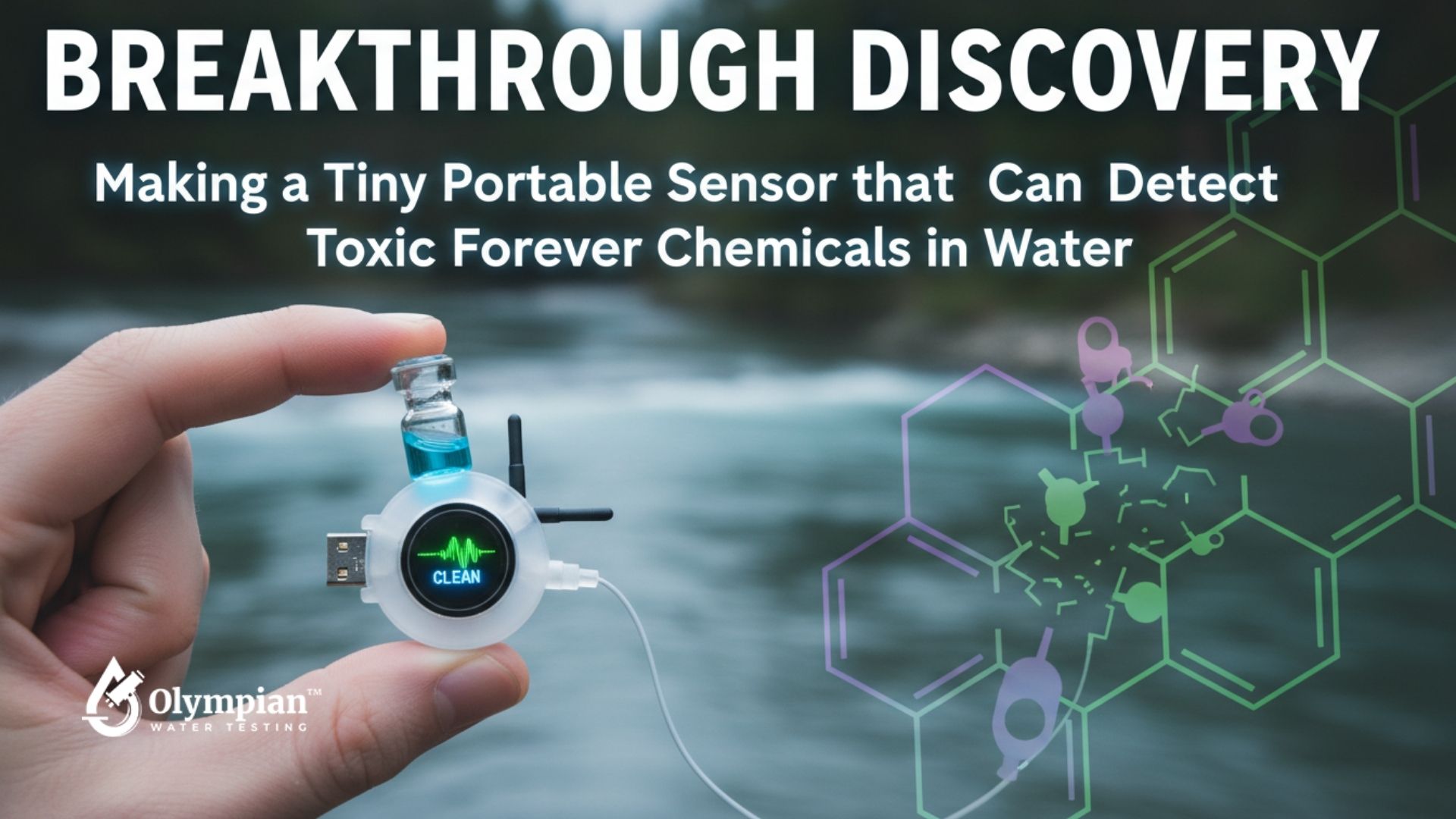
New sensors monitor chemical levels in real time, allowing for quicker responses to contamination. Public demand fuels research and development in protective measures. These efforts aim to safeguard local ecosystems.
Technological Advancements for Safer Waste Disposal
Some companies use specialized filters and advanced oxidation methods for waste disposal. StarPet’s upgraded processes showcase the importance of modern technology. Despite these efforts, malfunctions happen, driving the need for continuous innovation.
Automation and digital monitoring help detect mechanical issues early. Quick fixes minimize prolonged releases and protect water resources.
Holding Corporations Accountable

Public scrutiny and legal actions push for corporate accountability. Increased fines and stricter permits motivate companies to upgrade. Transparent reporting helps prevent oversight of unresolved contamination, safeguarding the environment and public health.
Government agencies and environmental advocates monitor compliance through on-site evaluations. Repeat violations lead to heavier penalties, encouraging executives to invest in consistent maintenance and training.
Independent labs provide additional oversight by analyzing sludge and sediment samples. These analyses guide consistent improvements in chemical management programs and promote transparent reporting.
Method | Key Advantage | Challenge |
Carbon Adsorption | Captures a wide array of pollutants | Requires frequent media replacement |
Advanced Oxidation | Destroys resistant chemicals | Higher operational costs |
Biological Treatment | Uses natural breakdown processes | Limited effectiveness with some toxins |
Examining Misconceptions Around Water Treatment
Many believe that filtration erases all hazards, but this is far from true. Misconceptions in water treatment hinder progress. Standard procedures in municipal wastewater facilities often miss certain toxins. This oversight poses a hidden public health risk, affecting homes and workplaces.
Persistent substances, like PFAS contamination, are not removed by chlorine or simple mechanical sieves. The myth that conventional plant operations eliminate all pollutants slows the adoption of stronger defenses. It’s the responsibility of educators and industry leaders to explain why advanced technology is essential for safe drinking water. By being transparent about current capabilities, we can make more informed decisions and move towards better solutions.
Advanced Method | Key Feature | Potential Outcome |
Granular Activated Carbon (GAC) | Adsorbs certain chemicals | Fewer harmful compounds in final supply |
Reverse Osmosis (RO) | Removes fine particles | Higher purity but added operational cost |
Advanced Oxidation | Targets resistant molecules | Greater protection against emerging threats |
How 1,4-Dioxane Threatens North Carolina’s Water

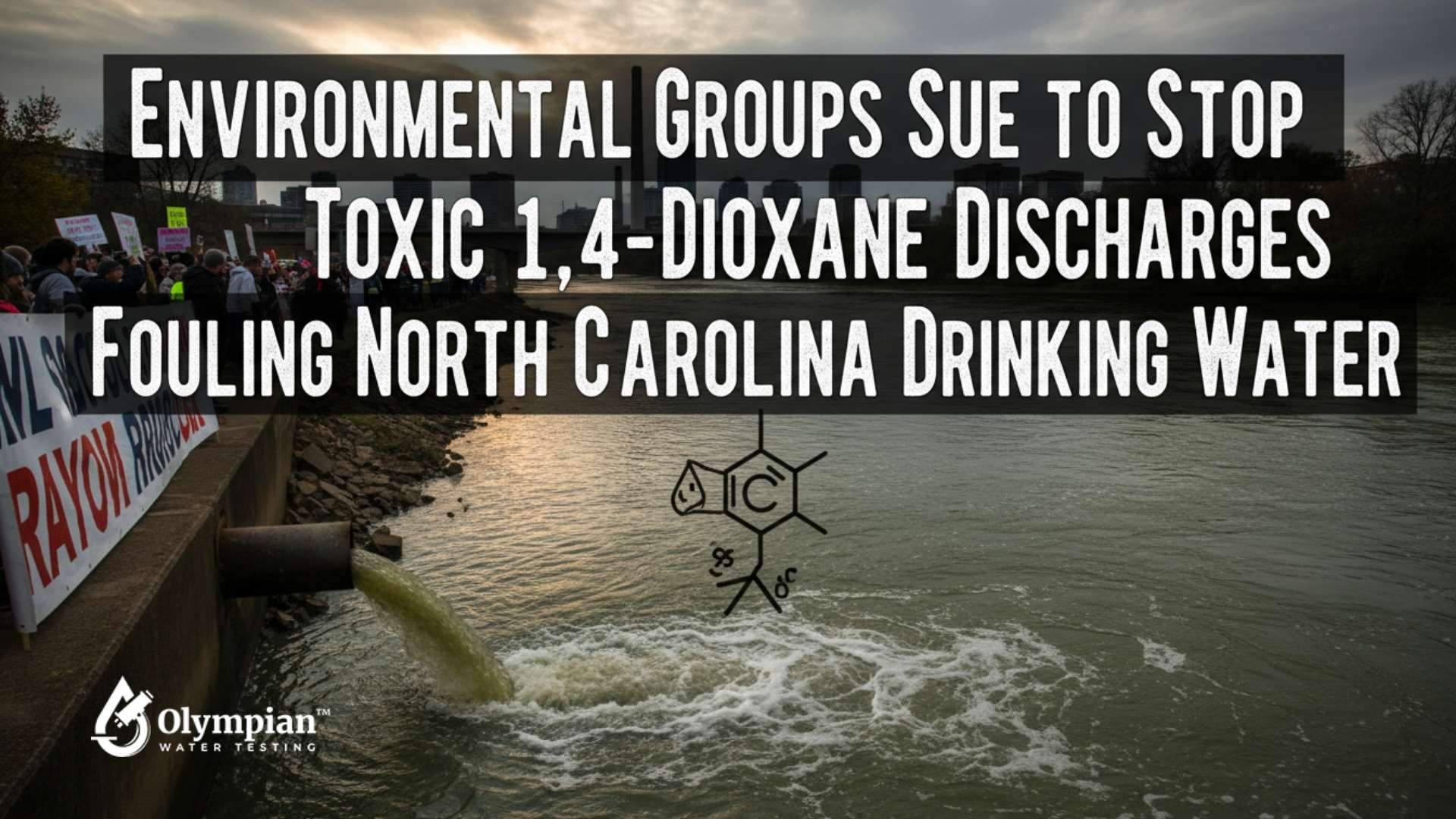
Local residents are increasingly worried about industrial byproducts affecting their water sources. The concern is fueled by the presence of 1,4-Dioxane, a substance known to pose significant risks. It is seen as a growing drinking water crisis, as these pollutants can travel far through rivers and creeks.
Manufacturing centers often release waste into nearby reservoirs, causing water quality concerns for distant communities. Without adequate safeguards, toxins can enter homes, endangering public health. Symptoms in some areas indicate the effects of repeated exposure, prompting local authorities to find solutions to protect families.
Affected Regions and Known Settlements
Industrial activities in areas like Asheboro impact water supplies downstream. These discharges reach nearby cities and towns, affecting thousands who rely on potentially unsafe water. Alerted by ongoing reports, affected counties are tracking contamination levels and working to reduce harmful waste flows.
Recent Studies Highlighting Exceedances
Recent research shows 1,4-Dioxane levels above safe limits, alarming water utilities and health agencies. State investigations confirm spikes in certain reservoirs. In response, there is a growing demand for stricter regulations and immediate cleanup efforts.
Changes in Environmental Policy Affecting Litigation
Revisions to federal mandates are reshaping the conversation on water contamination. The growing concern over inadequate oversight marks a significant shift in regulatory and judicial responses. This shift is evident in new court decisions and expanded litigation avenues for environmental protection, mainly in cases of industrial pollution threatening natural resources.
Proposed changes to environmental laws aim to reduce toxic releases that pose significant public health risks. Proponents of stricter regulations believe that clear guidelines, aligned with EPA standards, will enhance accountability for chemical dumping.
EPA Standards and Enforcement Actions
Regulators are focusing on updated testing methods to detect harmful levels of 1,4-dioxane. These efforts bolster legal actions by citizens and public bodies. New directives require polluters to adopt advanced treatment technologies to minimize harmful emissions.
State Regulations and Future Amendments

Legislators in Raleigh are pushing to update outdated laws with stricter compliance rules. Advocates foresee that these modern frameworks, in sync with environmental law changes, will lead to more effective enforcement. Some suggest increasing penalties for non-compliance with pollution-related state mandates.
- Timely inspections strengthen transparency
- Heightened reporting reveals possible threats
- Strategic planning ensures clean waterways
Policy Shift | Potential Impact | Timeline |
EPA guidelines | Reinforce federal oversight | Ongoing |
State revisions | Reduce public health risk | Next legislative session |
Greater liability | Boost litigation for environmental protection | Short-Term |
Mitigating Future Risks to Drinking Water Quality
Communities depend on careful monitoring and advanced treatment to fight off contaminants. Many utilities use granular activated carbon or ozone systems to cut down toxic chemical exposure. These methods help eliminate persistent threats from PFAS contamination, which are major concerns for long-term health. Local governments also enforce stricter guidelines to limit harmful discharges into municipal wastewater.
Prevention starts with ongoing testing and updated reporting. Strong partnerships among health agencies, non-profit watchdogs, and water authorities foster transparency about pollution levels. Sharing findings builds trust and showcases new strategies for water safety. It also aids in detecting emerging harmful agents early on.
“Adopting robust filtration and vigilant monitoring can keep our reservoirs cleaner,” stated a specialist at the American Water Works Association.
Experts highlight the importance of coordinated action. This includes investing in better monitoring equipment, precise tracking of industrial outflows, and quick alerts for any risky changes. Each step aims to prevent repeated toxin releases before they harm public supplies.
The Path Forward for Sustainable Water Protection
Introducing stricter guidelines is essential to protect communities from 1,4-Dioxane contamination. Regular testing is key to detecting early signs of contamination. This approach significantly reduces the public health risks associated with chemicals in our daily lives.
Litigation for environmental protection plays a critical role in increasing accountability among industries and agencies. Local activists can champion sustainable water methods. These methods combine modern technology with responsible oversight, ensuring safer water for all.
Advancements in detection tools and infrastructure are foundational for a future with pure resources. Coordinated efforts, including ongoing research and open communication, are necessary to keep harmful chemicals at bay. Public agencies must adapt to changing data and promote stronger oversight to unify responses.
Enhanced compliance measures and regular upgrades are vital to reinforce safety. These steps will build a future where every citizen has access to clean, dependable water.