Understanding the EPA’s New Regulation Timeline
The Environmental Protection Agency has set a new goal: to remove all lead pipes by 2037. This plan includes key milestones to address long-standing drinking water safety concerns. Utility providers must inform households if lead levels are high. This ensures ongoing monitoring of local infrastructure and helps property owners find better solutions.
The updated Lead and Copper Rule Revision emphasizes the need for swift action. It aims to raise public awareness and encourage communities to replace old pipes sooner. Local governments can now access grants and low-interest loans, thanks to the strengthened federal regulation. This funding supports the use of advanced materials, hiring skilled workers, and planning replacements with minimal disruption.
“All communities deserve dependable protection from lead in their water,” stated an official release from the EPA. “No family should worry about hidden risks in everyday life.”
This timeline marks a path towards a future with less lead contamination. The steady progress and careful oversight show a commitment to better health outcomes for everyone.
Historic Context of Lead Pipe Usage
In the 1800s, cities grew rapidly, and people needed affordable, durable plumbing. Metalworkers found lead pipes efficient, marking a significant shift in lead usage. This demand in urban areas fueled the rise of lead pipes.
Industrial Revolution and the Rise of Lead Pipes

The Industrial Revolution brought factories and new engineering needs. Engineers sought a material for water lines that could be shaped quickly. Lead was the answer, leading to widespread use and future health concerns.
Early Awareness of Health Hazards
Medical journals from the time highlighted health issues in workers exposed to metals. This early research raised awareness about lead hazards. Despite this, industry practices remained largely unchanged. It wasn’t until later research confirmed the dangers that stronger protections became necessary.
Why Lead in Drinking Water Demands Immediate Action
Across the United States, communities are grappling with a pressing water safety issue. Even small amounts of lead can harm early brain development and raise the risk of severe health problems. It’s imperative to enhance municipal water systems quickly to safeguard families’ health.
Public health experts stress the urgency of addressing the lead contamination crisis. Prompt action, including replacing old pipelines and updating treatment facilities, is essential. This requires adequate funding, clear oversight, and streamlined permitting to avoid delays.
- Work with environmental agencies to expedite inspections
- Implement simple blood testing protocols in schools
- Encourage property owners to replace private lead service lines
Consistent collaboration keeps resources flowing to the neighborhoods that need them most.
Key Initiative | Benefit |
Accelerated Pipe Replacement | Reduces lead exposure risks |
Expanded Grants | Improves funding access for vulnerable areas |
Community Education | Promotes safer household practices |
Health Implications of Lead Exposure

Lead poses risks at every stage of life. Young people and pregnant individuals are at higher risk from contaminated water or old pipes. This has led to cases of childhood lead poisoning, stressing the need for regular health checks.
Risks for Children and Vulnerable Populations
Children’s smaller bodies absorb lead faster, potentially harming brain development. Infants born to exposed parents may face health issues that persist into adolescence. Low-income areas with outdated infrastructure are most vulnerable, making early testing and action critical.
Long-Term Effects on Adults
Long-term exposure to lead can cause kidney problems and high blood pressure. These effects may not be immediate but regular medical checks can help. Tailored treatment plans and using safer materials in plumbing can mitigate these risks.
Challenges in Replacing Aging Water Infrastructure
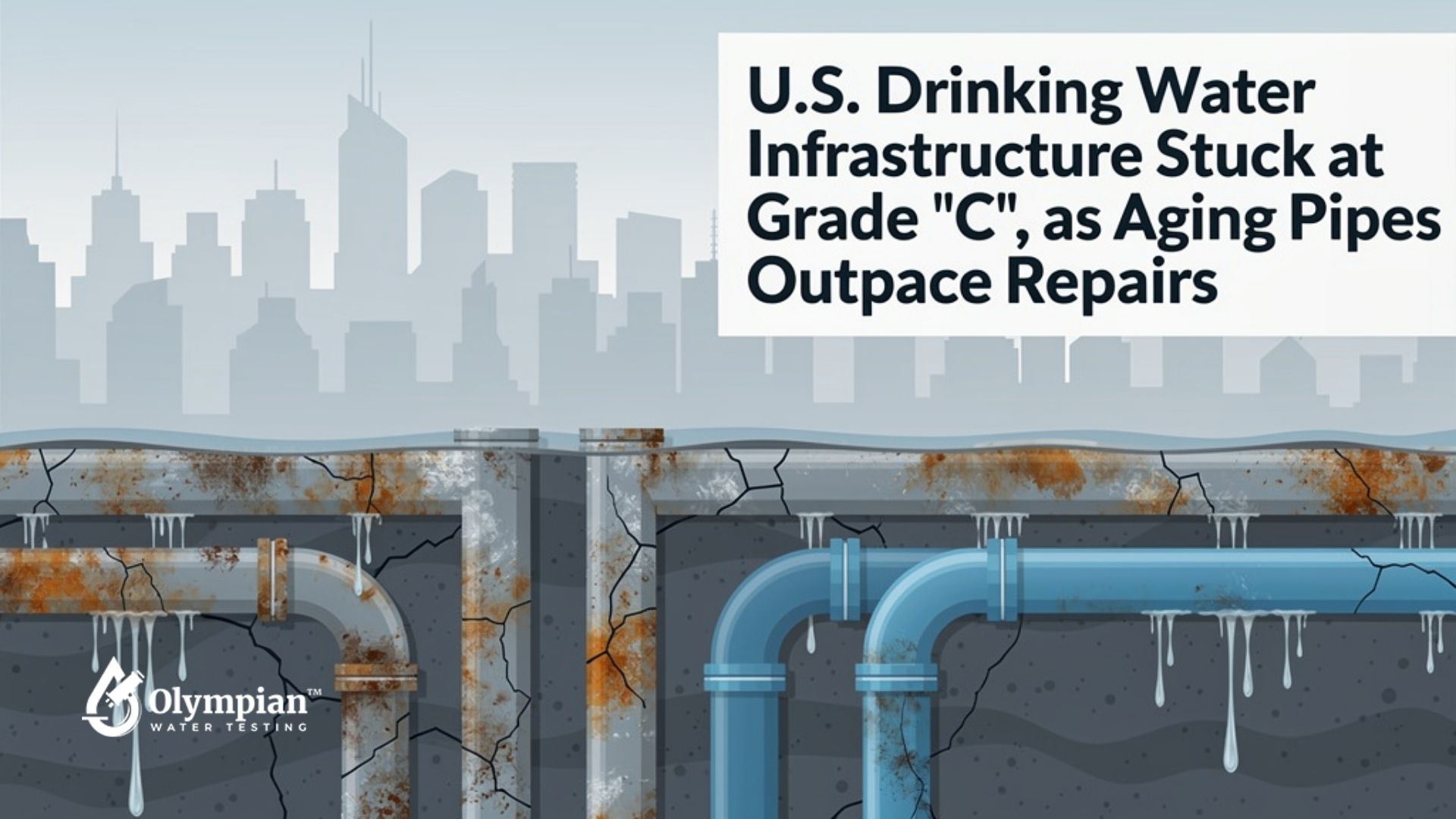
Renovating outdated pipelines is essential for safer drinking water. Yet, many regions face infrastructure challenges that hinder progress. Decades of wear have left city systems prone to leaks and contamination. This raises urgent questions about stabilizing water networks without disrupting daily life.
Funding and Resource Allocation
Public agencies struggle to find enough support for funding lead removal in both urban and rural areas. The high costs of materials and labor often force local leaders to prioritize other repairs. Federal grants are helpful, but some municipalities lack the capacity to access them. Strategic planning and transparent budgeting can streamline necessary improvements.
Coordinating Across Multiple Jurisdictions
Water systems rarely follow neat city boundaries. When pipelines cross county lines, conflicting regulations hinder efficient upgrades. Shared guidelines help unify efforts, though bureaucracy stalls progress when spending approvals differ. Close collaboration allows engineers, state officials, and community organizations to address infrastructure challenges together. This cooperation accelerates funding lead removal projects and bolsters public trust.
How Communities Can Prepare for the Nationwide Overhaul

Across the nation, local water systems are preparing for a massive overhaul. Success hinges on residents, leaders, and agencies working together. They must align on methods to track, finance, and complete upgrades. Community lead programs are becoming key, guiding efforts in older neighborhoods.
Engaging Local Stakeholders and Officials
Collaboration among families, health boards, and municipal leaders is essential. In-person meetings and forums boost stakeholder engagement. This builds trust, raises awareness, and streamlines planning.
Identifying High-Risk Areas
Older homes are often the focus, given their aging infrastructure. Inspections and outreach can identify high-risk areas. Mapping tools help officials target solutions effectively.
Accessing Public and Private Funding
Communities seek government grants and low-interest loans to cover costs. Reviewing EPA’s strategy is advised. Philanthropic efforts and water authorities also provide support, making upgrades more feasible. Strategic funding use is key to success.
- Set clear milestones for each replacement phase.
- Use transparent budgeting to assure accountability.
- Coordinate inspections with community events.
Funding Source | Description | Potential Benefit |
Federal Grants | Allocated funds for public health projects | Reduced capital strain on local budgets |
Private Foundations | Nonprofit support targeting infrastructure gaps | Expanded reach for community lead programs |
Low-Interest Loans | Lenient rates for pipe replacement expenses | Quick turnaround for stakeholder engagement |
Potential Economic and Public Health Benefits
Across the nation, local communities reap long-term benefits from upgrading their water systems. Initiatives aimed at reducing lead hazards lead to fewer medical expenses and improved school performance. This transformation results in significant economic gains, fostering job growth as new infrastructure projects kick off.
Statistics from this resource underscore the role of clean water in public health benefits. Lower toxic exposure boosts productivity and reduces healthcare costs. This, in turn, can increase property values, drawing families and businesses to safer neighborhoods.
- Fewer hospital visits and clinic expenses
- Improved childhood development and learning
- Enhanced local appeal for new companies
These outcomes enhance the well-being of residents and provide critical support to underserved communities. Collaboration between government, healthcare, and industry is key in funding these initiatives. This ensures the safety of the population for years to come.
Focus Area | Key Advantage |
Healthcare | Lower treatment costs and healthier families |
Education | Higher test scores and increased attendance |
Local Economy | Growth in jobs and stronger tax base |
Effective Strategies for Lead Removal and Compliance

Addressing lead contamination requires a variety of targeted strategies. Each method tackles specific challenges in water systems, aiming to create a healthier environment for communities across the United States.
Proactive Testing and Monitoring is essential. The Centers for Disease Control and Prevention (CDC) advises regular water checks to uncover hidden risks. Modern tools and digital platforms are needed to quickly detect changes in lead levels.
Innovative Pipe Replacement Methods
Modern upgrades are less invasive than ever before. Trenchless technology allows for infrastructure replacement without extensive roadwork. This approach reduces costs, minimizes disruptions, and boosts efficiency. Projects can adhere to structured timelines, ensuring safer water sooner.
Public Awareness Campaigns
Engagement is key to keeping everyone informed. Social media, local news, and town halls are effective for outreach. Collaborations with civic groups and government agencies enhance messaging and transparency.
These strategies form a sustainable process that builds community trust. Ongoing monitoring of lead levels helps leaders identify threats early. This approach combines technology, teamwork, and forward-thinking planning for long-term well-being.
Technique | Key Benefit | Expected Result |
Regular Testing | Early Detection | Reduced Exposure |
Advanced Replacement | Long-Term Fix | Lower Costs |
Community Outreach | Transparent Updates | Higher Trust |
A Generation Free from Toxic Lead Exposure
The EPA’s new mandate is a significant step towards protecting families from lead contamination. It aims to create a healthier future by removing outdated pipes. This move ensures neighborhoods have access to cleaner water, safeguarding children’s development.
Experts hail this as a critical milestone in the journey towards a lead-free generation. It reduces the risks faced by young minds. Communities that embrace advanced testing and upgrades are taking a significant step forward.
Investing in local projects can enhance efforts to ensure safe drinking water. Such initiatives have far-reaching benefits for public health, education, and overall well-being.
It’s essential to maintain vigilance at every level to sustain momentum. Regular monitoring and open public reporting are key to achieving a healthier future. These efforts benefit communities across the board.
Collaboration among policy leaders, residents, and health advocates is vital. It ensures America remains on course for a lead-free generation. This achievement will positively impact daily life and contribute to future economic growth.