Overview of the Nation’s Water Infrastructure Crisis
Access to safe water is a cornerstone of daily life in the United States. Yet, many decades-old pipelines and neglected facilities face increasing strain. U.S. water systems cover thousands of miles, connecting communities that demand reliable service as populations grow.
Historical Background and Development
In the late 19th century, major cities started building extensive pipe networks to support rapid growth. These efforts were considered cutting-edge at the time, despite being guided by basic standards. Later expansions kept pace with industrial growth, but maintenance fell behind evolving health standards.
The Shift in Infrastructure Demands
Modern technology has transformed treatment plant operations, creating new demands beyond simple repairs. Cybersecurity measures are now essential for remote monitoring. Emerging contaminants also strain filtration processes, testing the readiness of U.S. water systems.
Changing Public Perceptions
High-profile crises have highlighted contaminant risks, making citizens question their drinking water’s purity. Increased media coverage has raised awareness and advocacy, leading some cities to explore new solutions. This heightened concern encourages public involvement in decisions affecting water safety.
Time Period | Key Developments |
Late 1800s | Initial public water infrastructure emerges in major cities |
Mid-1900s | Federal initiatives expand funding for upgrades and distribution |
21st Century | Focus on advanced treatment and cyber readiness across facilities |
What Contributes to a “C” Grade?

Experts analyze how water systems adapt to changing demands. They review performance data, track repair timelines, and identify leaks that impact water quality nationwide. These efforts shape the overall grade, underscoring the importance of aging water pipes in modern infrastructure.
Assessment Criteria Explained
Organizations like the American Society of Civil Engineers evaluate critical factors. They assess pipe condition, reliability, funding, and readiness for future needs. Water treatment upgrades are also considered, as any missed contamination risk poses public health threats. This approach aims to measure each factor contributing to ongoing challenges.
Key considerations include:
- Frequency of pipe breaks
- Funding streams for critical improvements
- Capacity to handle demand surges
Role of Maintenance Backlogs
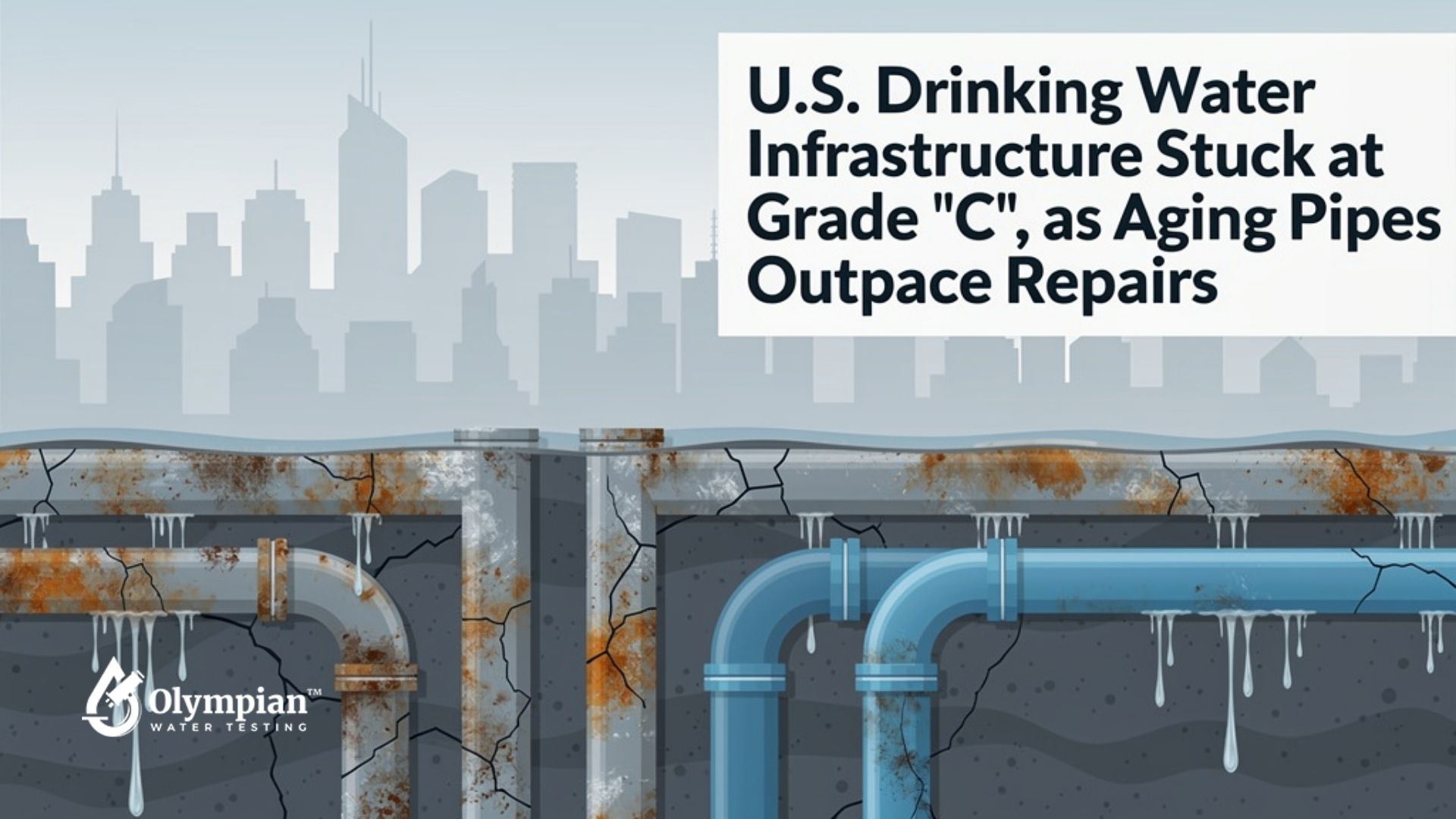
Delayed repairs strain communities that rely on consistent service. Crews focus on urgent leaks, neglecting regular maintenance. The ongoing use of aging pipes exacerbates these issues, increasing costs and eroding trust in local systems. This cycle keeps water infrastructure in a mid-range grade.
The Role of Aging Pipes and Funding Gaps
Drinking water systems across the United States depend on pipelines from decades past. Their aging state necessitates constant repairs, putting a strain on city budgets. With fewer federal dollars, local authorities face a daunting challenge to manage costs effectively. This leaves many communities at a critical juncture.
Retrofitting Challenges
Replacing these old lines requires meticulous planning. Crews encounter unexpected hurdles when digging under roads or near homes. Upgrades necessitate shutting off water service, disrupting families and businesses.
- Existing layouts complicate new pipe installation
- Securing stable funds takes time
Strong coordinationamong engineers, government, and contractors is essential for successful upgrades.
Consequences of Delayed Investment

Stalled upgrades lead to growing maintenance backlogs. Leaks and bursts become more common, draining public funds. Residents may face higher water bills despite decreased service quality.
The Environmental Protection Agency (EPA) warns that failing pipes can increase contamination risks. Delays in upgrades will only add to the cost of fixing issues later. This will burden cities with more complex projects and fewer relief options. Ignoring upgrades today will lead to increased maintenance backlogs tomorrow, stressing every system involved.
Current Repair and Replacement Strategies
Many municipalities focus on stopgap repairs, targeting the most urgent pipe failures. Crews patch damaged sections when leaks emerge, leaving long-term upgrades for another day. This reactive method dominates when daily operations overtake broader replacement plans, forcing workers to address crises.
Federal grants ease some challenges, but limited budgets persist. Data-driven tools help larger cities forecast issues before they escalate. Sensors and digital mapping reveal weak points, sparing communities unexpected service interruptions.
Smaller towns, on the other hand, depend on short-term fixes that raise expenses over time. Comprehensive oversight remains difficult without consistent water funding. This funding supports modern technology and skilled professionals who can streamline repairs.
Some local governments turn to bond initiatives for immediate upgrades. Yet, long-term viability hinges on more robust investments. These strategies must shift toward proactive approaches designed to reduce the likelihood of future breakdowns.
Drinking Water Safety Concerns
Many cities face hidden dangers in tap water due to corroded or infiltrated pipelines. The Environmental Protection Agency (EPA) warns that neglecting upgrades increases exposure to hazards. Safe water demands constant vigilance through modern testing and strategic measures.
Risks Associated with Lead and Other Contaminants
Lead contamination has become a major concern due to its presence in aging service lines and older fixtures. Young children and pregnant individuals are at higher risk of developmental harm. Other pollutants, like radium and industrial runoff, can also enter systems if modernization is delayed.
Importance of Regular Testing

Regular testing is essential for maintaining reliable water supplies. Testing protocols, though, can vary. Enhanced oversight helps identify contaminants early, enabling utilities to act swiftly. Public health groups advocate for consistent monitoring to address any signs of unsafe elements.
Mitigation Measures at the Municipal Level
Local authorities often implement advanced filtration, corrosion control, or targeted pipe replacements to prevent leaks. Infrastructure modernization aids in better detection through remote sensors and Internet of Things devices. Budget constraints can hinder progress, but strategic planning ensures safer outcomes.
Contaminant | Potential Health Effect | Key Mitigation |
Lead | Neurological Damage | Pipe Replacement, Corrosion Control |
Industrial Chemicals | Organ Toxicity | Advanced Filtration, Regular Testing |
Microbial Bacteria | Gastrointestinal Illness | Disinfection, Continuous Monitoring |
Impact on Communities and Public Health
Many families are concerned about the quality of their drinking water due to outdated systems. These systems often face long delays in repairs, putting entire neighborhoods at risk. Pregnant women, children, and those with weakened immune systems are most vulnerable to these health threats.
Vulnerable Populations
Low-income districts face unequal access to safe water, leading to severe health risks. Pediatricians warn that even small amounts of lead can cause developmental issues. Free tests and outreach programs aim to address this, but progress is slow in areas without modern infrastructure.
Healthcare Costs and Public Awareness
Poor water quality leads to increased patient visits at medical facilities. Symptoms like stomach ailments and skin irritations drive up healthcare costs. Parents and educators are raising awareness through community meetings and safety guides. Investing in infrastructure can protect the most vulnerable and ease the financial strain on clinics.
Experts emphasize the importance of consistent lead testing to identify early signs of unsafe water. This proactive approach can safeguard those most at risk.
Innovative Technologies and Infrastructure Upgrades

New ideas are transforming the modernization of water systems. Minor leaks can escalate into major failures without proper detection tools. Strategies that minimize disruptions and prevent waste are essential for sustainable water management.
Smart monitoring devices have become powerful tools for real-time analysis. They use sensors and cloud-based software to monitor water flow, alerting quickly to pressure drops or contamination risks. Automated data collection enables swift responses, potentially extending the life of aging networks. Expert engineering advice highlights how these advancements enhance public trust and environmental benefits.
Smart Monitoring Systems
Many plants are moving from reactive to proactive strategies. Remote controls collect immediate data, guiding maintenance efforts where they are most needed. This method can lead to safer outcomes at lower costs.
- Real-time flow tracking
- Cloud analytics for quick insights
- Automated alerts for sudden changes
Pipe-Lining Solutions
Repair options like slip-lining and cured-in-place piping breathe new life into damaged pipelines. These methods require minimal excavation, reduce service outages, and enhance structural integrity. Smart upgrades are driving significant progress in protecting critical infrastructure across the nation.
Policy and Regulation Updates Shaping the Future
Local, state, and federal guidelines have a significant impact on modern upgrades. They dictate standards, from budget allocations to construction materials. While some areas have seen progress, others lag behind due to outdated rules.
Communities often debate whether to invest in new installations or wait for clearer direction. Some focus on pipe-lining solutions to reduce leaks and enhance water quality. Yet, stricter permitting requirements can slow progress in other areas.
Regulatory agencies sometimes ease funding, boosting project confidence. There’s a growing focus on best practices that protect public health and are cost-effective. As laws and building codes evolve, more cities are likely to adopt pipe-lining solutions and modern techniques.
Region | Key Policy Action | Potential Impact |
California | Incentives for advanced materials | Faster pipeline upgrades |
Colorado | Aggressive oversight on new projects | Extended review timelines |
Collaborations Between Government and Private Sector

Public agencies and businesses are teaming up to boost water infrastructure. These partnerships speed up the use of advanced technologies, like smart monitoring systems.
Water utilities are looking for partners to bring in new ideas and funding options. This approach helps lower costs and spreads out the workload. It leads to more reliable results.
Public-Private Partnership Models
Some partnerships focus on service agreements. These cover design, construction, and operation in one deal. Engineers and tech firms work with cities, sharing costs and expertise.
This teamwork boosts accountability and speeds up improvements. It also builds trust with the public.
Emerging Funding Mechanisms
Local rate changes and EPA grants make modernization easier to fund. Long-term bonds provide a steady flow of capital for upgrades. Innovative incentives encourage the use of smart monitoring systems.
These systems detect leaks and monitor water quality in real time. They help communities manage resources better and reduce service issues.
Investment Priorities and Funding Opportunities
Securing America’s water systems demands a focus on restoring pipelines and protecting water quality. The process starts with a detailed evaluation of existing networks. This reveals the most critical areas needing repair or upgrade. Public-private partnerships bring in fresh capital and engineering know-how for these large-scale projects.
Local authorities aim to bridge infrastructure gaps by prioritizing risk assessments. They identify the most vulnerable regions. Intensive reviews ensure each phase enhances the reliability of municipal systems. This reduces concerns about contamination and costly breakdowns.
Federal and State Grants
Grants from federal and state programs kickstart essential initiatives in communities with limited budgets. These funds enable utility operators to tackle projects that might have been delayed indefinitely. Many grants foster new public-private partnerships in areas needing advanced solutions. Every awarded dollar bolsters local networks, safeguarding public health.
Focus Areas for Capital Allocation
Decision-makers scrutinize breakage rates and contamination risks to determine funding allocation. Investing in areas with higher safety concerns boosts public trust and promotes sustainable water quality. Targeted investments mitigate immediate hazards and pave the way for broader improvements.
- Upgrading lead service lines
- Reinforcing high-risk distribution mains
- Integrating modern testing equipment
Funding Source | Key Benefit | Common Projects |
Federal EPA Grants | Rapid Pipeline Rehabilitation | Pipe Replacement, Treatment Upgrades |
State Revolving Funds | Low-Interest Financing | Line Repairs, Monitoring Systems |
Private Investment | Additional Capital Infusions | Advanced Engineering, Scalable Solutions |
Moving Toward a Better Grade for America’s Water Systems
America’s drinking water is a cornerstone of public health and economic stability. Budget cuts put pressure on aging systems, leading to public concern over lead contamination and service outages. The need for effective solutions is urgent, driven by the necessity for data-driven strategies and cutting-edge construction techniques.
Innovation in water management offers a beacon of hope. Advanced sensors can identify cracks and contamination risks early on. Regulatory updates facilitate smoother collaboration between local and federal authorities. Enhanced monitoring systems further safeguard our pipelines, ensuring they continue to serve our communities effectively.
Policy makers and engineers are bridging the gap between research and practical application. Their work, informed by this report on America’s infrastructure, is aimed at bolstering maintenance and securing funding. This proactive approach could significantly improve the grade of our water systems, ensuring reliable access for all. Such efforts are critical for a future marked by fewer service interruptions and increased public trust in our essential services.