Background on the Lawsuit
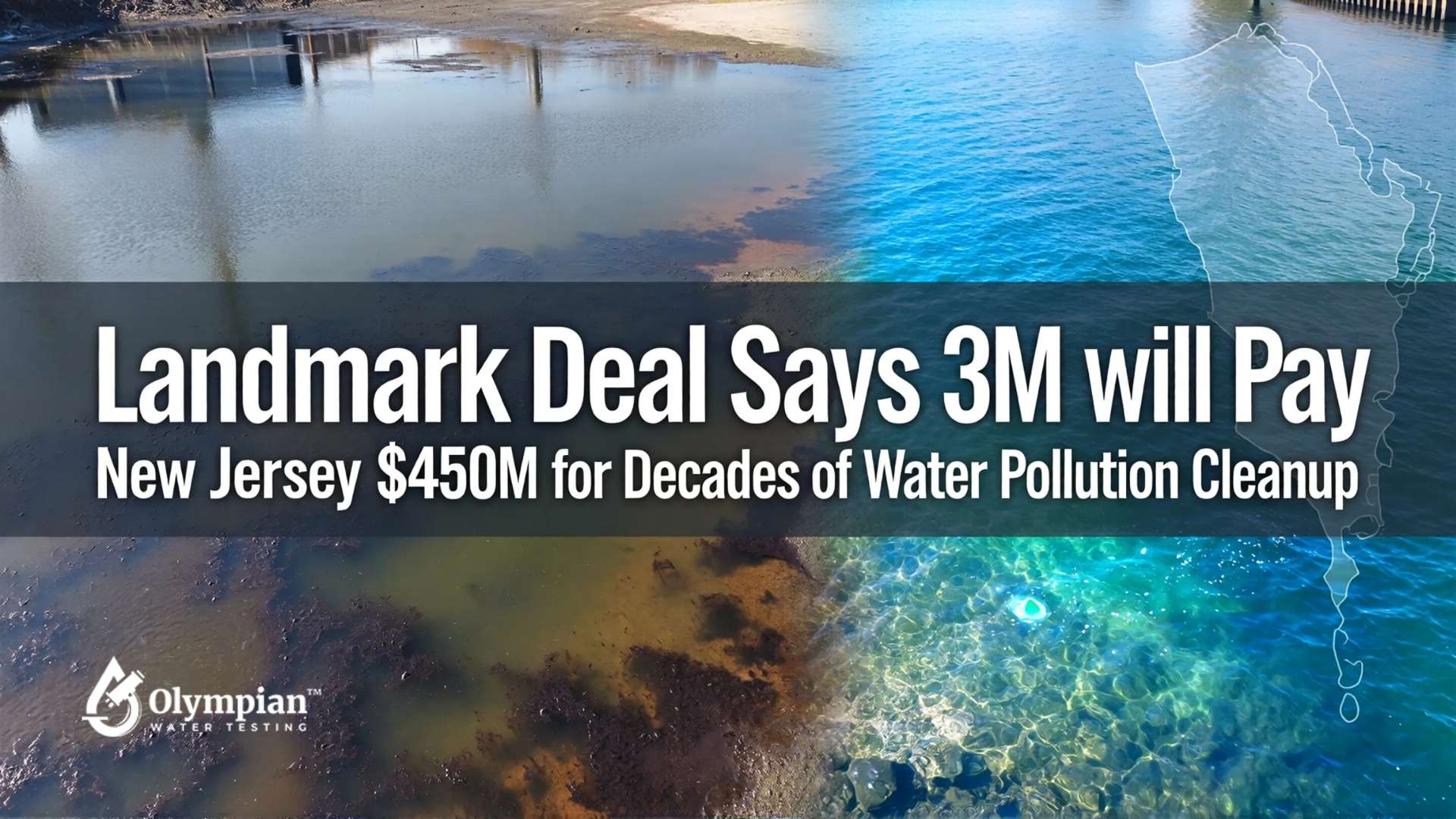
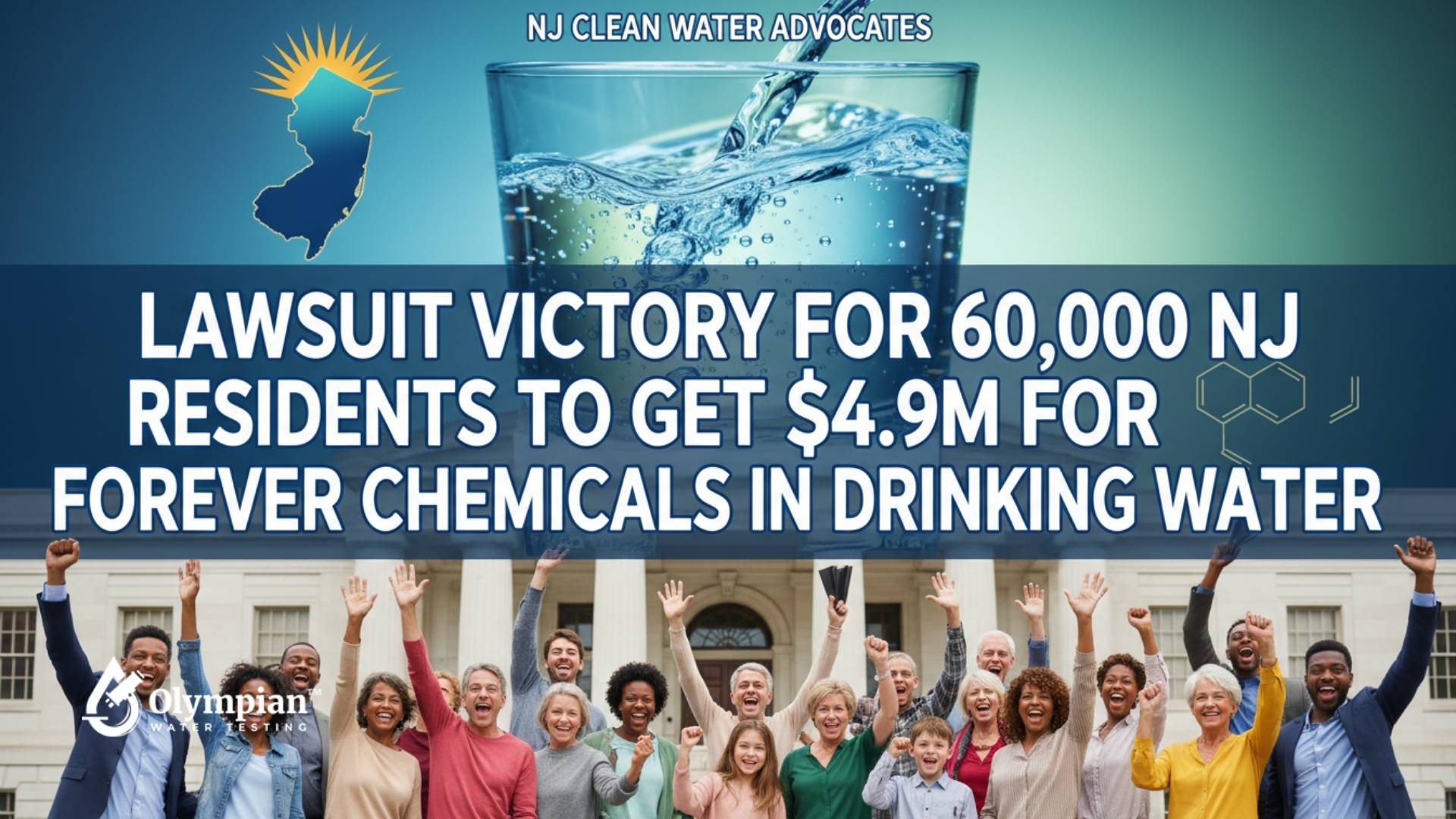
The journey to legal action started with water samples showing high levels of forever chemicals. Routine quality checks revealed PFAS, substances that don’t break down naturally. Inside Climate News reported that Middlesex Water Co. and 3M faced intense scrutiny after these findings were made public.
Initial Discovery of Contaminants
Analysts detected irregular readings of PFAS in municipal water sources. Health officials were alarmed, knowing these contaminants can persist in the environment and pose risks to families. Residents demanded answers, leading to investigations into the extent of forever chemicals in key areas.
- Elevated PFAS portions in routine water checks
- Public release of test data spurring further enquiries
- Pressure on local authorities to trace the contamination source
Community Outrage and Organizing
Neighborhood groups teamed up with advocates and journalists to highlight the issue. Public forums and grassroots rallies put Middlesex Water Co. and 3M under intense scrutiny. The community’s persistent calls for lasting solutions eventually led to a lawsuit, seeking deeper reforms and financial relief.
Key Factor | Details |
Contaminant | PFAS (forever chemicals) |
Main Parties | Middlesex Water Co. and 3M |
Reason for Lawsuit | Address contamination and secure compensation |
Community Response | Public protests, media coverage, and legal steps |
Impact on 60,000 Residents

More than 60,000 people depend on the NJ water supply managed by Middlesex Water Co. Families grew anxious about the health risks and sought answers. Some turned to bottled water or installed filters, trying to protect their homes.
Unexpected expenses piled up, causing financial stress. Neighbors shared their fears at community events. Parents worried about their children’s health, and retirees faced extra costs on fixed incomes. An international report shows these contaminants are a global concern, affecting both cities and rural areas.
- Heightened awareness spurred vigorous local discussions
- Property owners weighed future resale values
- Public trust hinged on visible safety measures
This settlement is a critical recognition of the daily anxiety and hardship endured by many in the affected area.
Breakdown of the $4.9M Settlement
The recent financial agreement outlines a clear path for bettering local water systems. Inside Climate News reports that the settlement allocates funds for enhanced treatment methods. These methods aim to tackle contamination at its source. This approach serves as a model for future cleanups related to the PFAS lawsuit, demonstrating a dedication to public health.
Allocation of Funds for Infrastructure
A significant portion of the settlement will fund modern filtration technology to reduce harmful chemicals. Local facilities intend to install cutting-edge equipment that adheres to stringent safety standards. The goal is to bolster existing infrastructure while keeping maintenance costs in check over the long term.
- Major upgrades in filtration for safer tap water
- Focused improvements on outdated treatment units
- Long-term strategies for cost-effective upkeep
Compensation for Affected Households
Residents facing medical expenses or reduced property values may receive financial support from the settlement. This aid alleviates the burden on families dealing with contaminated drinking water. It establishes a precedent for handling future PFAS lawsuit claims, ensuring accountability for polluters.
PFAS in Drinking Water

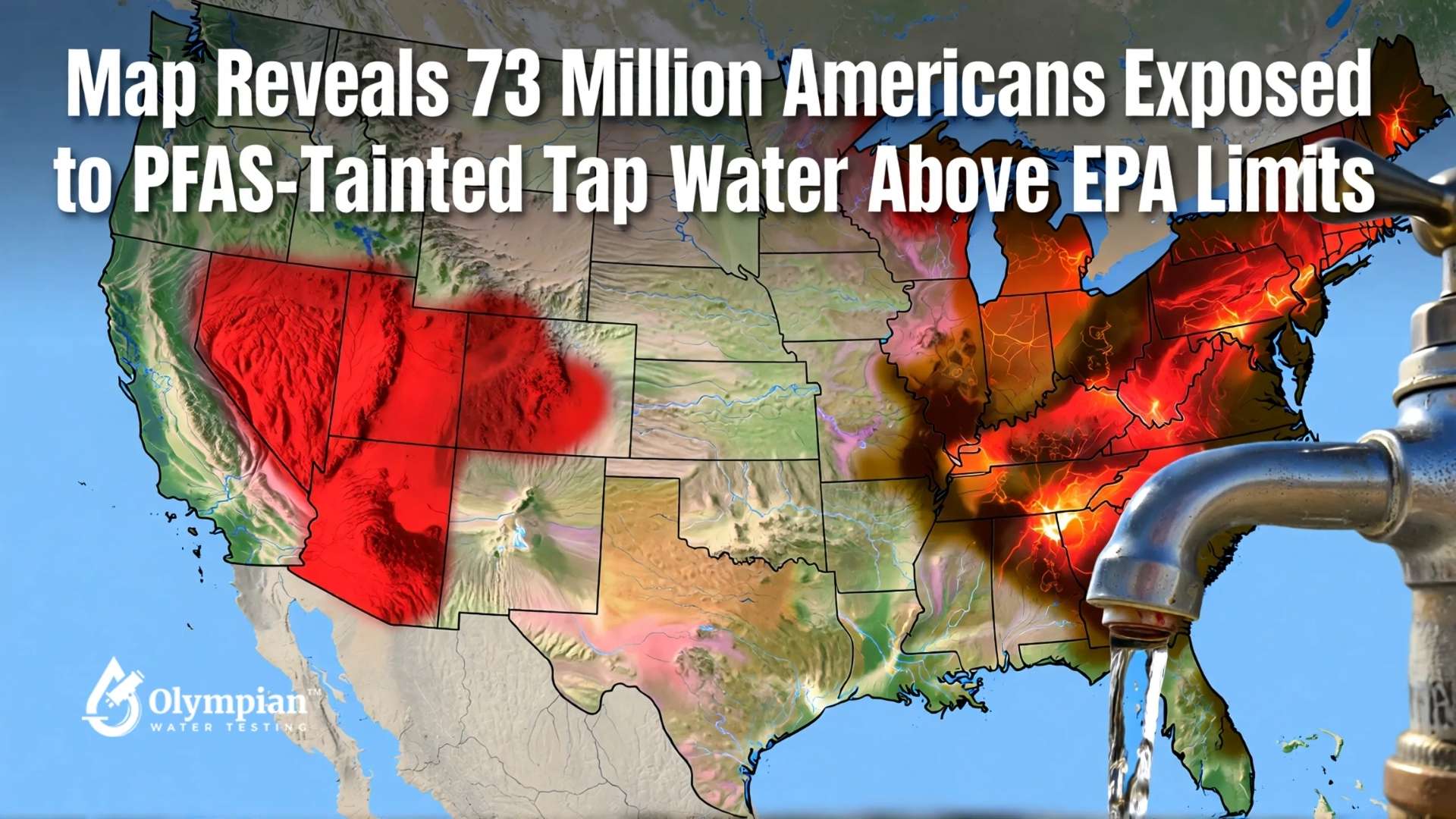
For decades, industries have relied on PFAS chemicals. They are known for their heat resistance, water repellency, and stability under harsh conditions. Research has identified toxic PFAS in municipal water sources, mainly due to industrial runoff and firefighting activities. Public health experts warn of the dangers associated with ongoing exposure.
Origins and Industrial Uses
PFAS, including PFOA, PFOS, and similar compounds, are found in nonstick cookware, protective fabrics, and firefighting foam. Their stable chemical structure makes them hard to break down. This quality has made them popular in manufacturing and everyday use.
Challenges in Filtration
Removing toxic PFAS requires specialized systems. Granular activated carbon can capture these substances, but filters need frequent replacement. Reverse osmosis adds an extra layer of protection. Municipalities invest in advanced technologies to safeguard communities from contamination. This effort demands ongoing monitoring and precise testing.
Health Risks Linked to Forever Chemicals
Public health agencies, including the Centers for Disease Control and Prevention, have found a link between prolonged exposure to PFAS and increased risks of immune dysfunction, certain cancers, and developmental problems. Studies have shown these risks in individuals who frequently come into contact with contaminated water or locally harvested foods.
Many communities are demanding environmental accountability from corporations that release harmful substances. They advocate for stricter oversight that focuses on early detection and protective measures. This stance emphasizes the necessity for continuous toxicity studies, shared data, and transparent reporting to protect families from gradual health issues.
- Routine water testing to find emerging threats
- Investment in robust filtration systems
- Educational outreach for vulnerable groups
Experts stress the importance of collective action. Government programs and private initiatives aim to reduce PFAS releases and support safe manufacturing practices. This cooperation minimizes long-term hazards and fosters innovative solutions that promote lasting well-being.
Health Concern | Possible Effects | Preventive Approach |
Immune Changes | Reduced vaccine response | Consistent exposure monitoring |
Cancers | Higher likelihood of certain tumors | Stringent industrial controls |
Developmental Issues | Delayed growth in children | Educational awareness programs |
Legal Precedents in Environmental Cases

The Middlesex Water Co. and 3M dispute showcases how courts handle forever chemicals in drinking water. Legal experts believe this case could shape future PFAS litigation in the U.S. It also emphasizes the growing need for corporate accountability when toxic substances contaminate local water sources.
Communities are now demanding more than just compensation. They want stronger oversight and more effective filtration systems. Environmental cases often hinge on documented contamination, public health studies, and industry data transparency. Each lawsuit teaches us about the court’s approach to negligence and evidence evaluation.
Comparisons to Similar Lawsuits
Past PFAS contamination cases share common themes: residents exposed to toxins, companies facing liability, and government intervention. Many lawsuits focus on industrial activities releasing toxins into water sources. These similarities underscore the widespread effects of similar chemicals on our daily lives.
Key Court Rulings
Court decisions are evolving in their approach to environmental damage. Judges have ordered substantial payouts, ongoing monitoring, and revised safety standards. These rulings often establish new benchmarks for corporate practices, promoting caution and bolstering community protection.
Case | Year | Outcome |
Minnesota v. 3M | 2018 | $850 million settlement |
West Virginia v. DuPont | 2001 | $70 million settlement |
Cape Fear River Watch v. Chemours | 2019 | Agreement to limit GenX discharges |
Steps Toward Safer Drinking Standards

In New Jersey, state agencies have been updating the limits for permissible PFAS levels. Water providers are now implementing stricter checks and keeping local residents informed about these changes. The goal is to reduce exposure through continuous monitoring.
Monitoring Strategies by Authorities
Officials use targeted sampling and open reporting to ensure water quality. Regular field tests check water sources for chemicals. Plant upgrades enhance equipment for detecting contaminants more accurately. This strategy boosts confidence in tap water.
According to the American Water Works Association, consistent sampling and open disclosures are key to preserving trust across communities.
Regulatory bodies push for regular assessments of filtration systems. Public databases show ongoing results, highlighting any changes in PFAS levels.
Emerging Water Treatment Technologies
Companies are testing new methods like reverse osmosis and ion exchange. These technologies aim to capture complex substances and particles before they reach faucets. Some are even exploring pilot programs that combine different techniques for enhanced protection.
Local operators focus on research trials to find cost-effective designs for large-scale systems. These forward-looking strategies aim to provide stronger defense against contamination in future supplies.
Protecting Communities from PFAS Contamination
Local organizers, legal teams, and public officials often unite to tackle PFAS contamination. This united effort sparks collective action and drives change. Public gatherings empower neighborhoods to share their experiences, learn from experts, and discuss effective solutions.
Communities facing chemical threats require ongoing support and must remain involved in decision-making. Grassroots movements amplify voices demanding stricter rules for clean water. Coalitions with environmental nonprofits advance scientific research and shape effective strategies. This leads to updates in drinking standards, ensuring families can trust their tap water.
- Town halls that strengthen public awareness
- Coalitions to broaden networks of advocates
- Collaborations with nonprofits for policy development
- Persistent calls for corporate responsibility
Collective efforts reinforce safety measures and expand resources for testing and filtration. This momentum promotes policies designed to protect every household.
Key Initiative | Positive Outcome |
Grassroots Advocacy | Wider community engagement |
Legal Involvement | Greater pressure on polluters |
Regulatory Push | Stricter limits on contaminants |
Looking Ahead for New Jersey Drinking Water
The $4.9 million lawsuit settlement is a significant step towards safer water for residents. Legal settlements and updates from New Jersey’s environmental authorities suggest a future with stricter water standards. Expect more infrastructure upgrades, thanks to new funding and PFAS level monitoring.
Polluters are now under pressure to switch to cleaner alternatives or face hefty fines. The focus on forever chemicals is driving research into safer substances. This could inspire other communities in the U.S. to push for better water protection.
Experts and leaders are keeping an eye out for new treatments to remove PFAS more efficiently. By combining new technologies with cooperation from state officials, community advocates, and industry, New Jersey’s water could become safer. These efforts aim to create lasting change and serve as a model for environmental responsibility.