Understanding Environmental Inequities
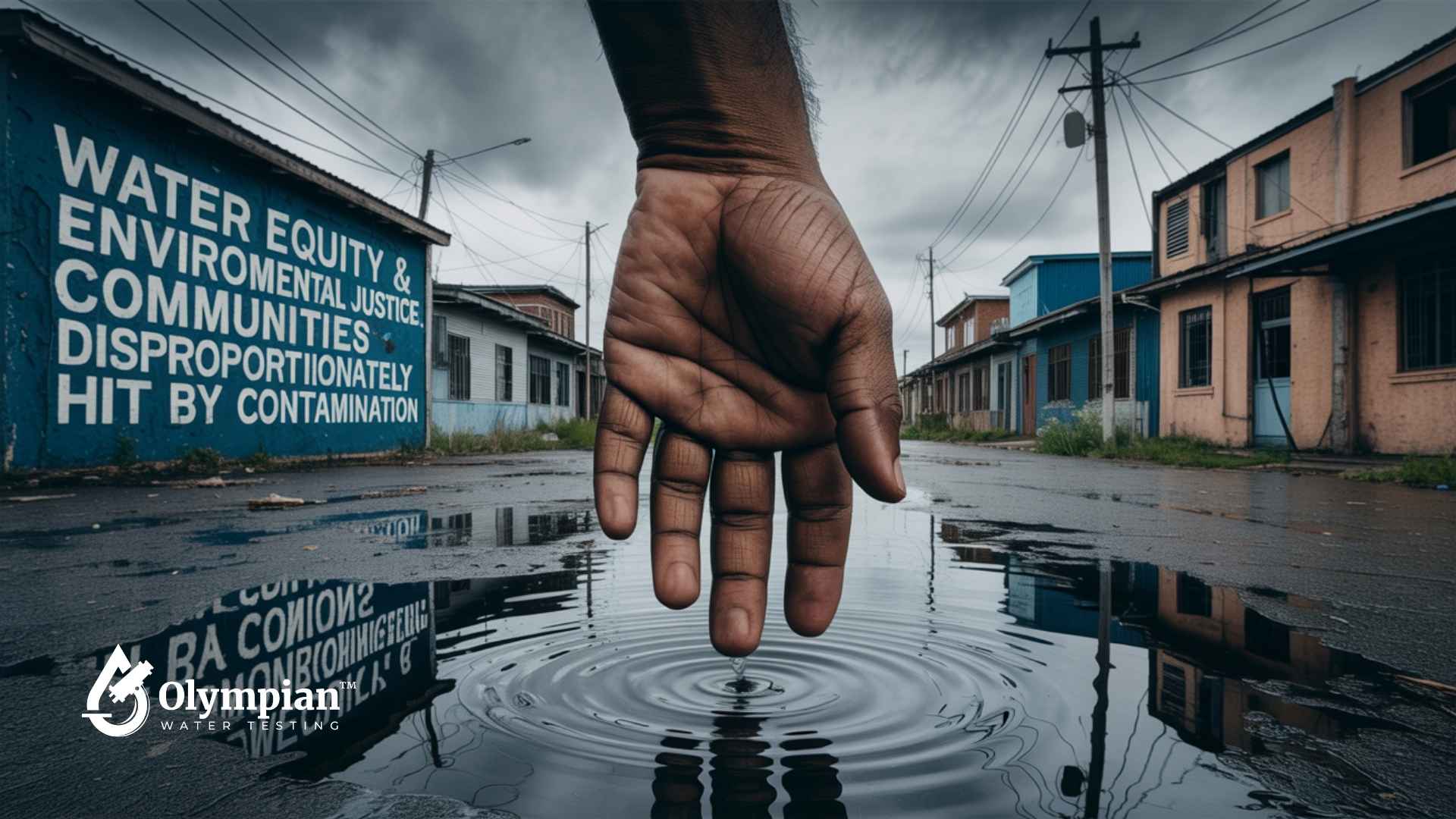
In many parts of the United States, longstanding policies contribute to environmental racism. Indigenous territories and communities of color frequently shoulder disproportionate harm when industrial facilities release harmful agents. These areas often have limited legal support to manage contamination, intensifying hazards for families who rely on nearby water sources.
Researchers at the Environmental Protection Agency affirm that structural neglect plays a critical role in distributing pollution unequally. Sparse oversight leaves neighborhoods with fewer resources to deal with tainted waterways, raising the risk of long-term health consequences. This situation highlights how contamination can linger unchecked, affecting local economies and public well-being.
“All residents deserve safe water and healthier surroundings, yet systemic barriers continue to place heavier burdens on marginalized populations.”
Calls for change center on exposing harmful practices, remedying water infrastructure problems, and amplifying the voices of communities facing environmental racism. Persistent advocacy seeks to push decision-makers toward fair and inclusive reform.

Effects of Contamination on Water-Dependent Communities
Many neighborhoods rely on local water sources for daily tasks and cultural events. When contamination strikes, public health and traditions often come under threat. Groundwater spills and intentional releases can lead to serious risks for people who depend on wells, rivers, or reservoirs in their communities.
Water shortages can arise when pollution spreads. This situation becomes more serious for those without backup options or funds to secure clean supplies. Families then struggle to safeguard their routines and livelihoods, with limited state or federal support.
Identifying Vulnerable Populations
Some groups face greater hazards because of proximity to industrial sites or limited land rights. Indigenous communities experience significant setbacks when their sacred water sources become unsafe. Areas with minimal infrastructure and outdated plumbing may also become hotspots for recurring health challenges.
Economic Impacts and Resource Allocation
Budgets often strain under the weight of emergency water purchasing and medical bills. Job losses can occur if contamination disrupts agriculture or other water-dependent work. As a result, residents find themselves caught in cycles of scarcity, which leaves them even more vulnerable in the future.
Historical Context of Water Pollution in the United States

Past decisions on land ownership and industrial growth have created hidden trouble spots across many regions. Regulatory gaps allowed unchecked discharges, fueling contamination. Certain neighborhoods faced elevated burdens, often due to a lack of strong legal resources.
The Grassy Narrows mercury crisis highlighted the long-term harm inflicted by toxic dumping. Decades passed before communities received attention for lingering damages. In many places, marginalized groups bore the worst outcomes, reflecting unfair policies that once shaped housing boundaries. Local advocates demanded accountability and launched investigations into environmental breaches.
Grassroots activism often rose from these hardships. Individuals and organizations pursued better protections through protests, petitions, and community-led research. Their combined voices forced industries and officials to confront the historic mistakes that continue to endanger water supplies. Uncovering these roots is essential for anyone aiming to understand today’s urgent push for safer, more equitable resources.
Regulatory Frameworks and Their Effectiveness
Government bodies create guidelines to prevent contamination from reaching water supplies. Yet, certain groups remain vulnerable due to inconsistent or underfunded oversight. EJScreen indicators highlight overburdened communities facing health risks.
Many programs aim to protect low-income neighborhoods but often fall short. This is due to local agencies lacking the necessary support. As a result, some areas remain under unsafe conditions for longer than necessary.

Federal Oversight and Local Enforcement
The Environmental Protection Agency (EPA) sets national standards for safe water practices. Federal mandates seem strong, but local bodies sometimes struggle to enforce them. Corporate interests can overshadow community needs, putting pressure on already stretched resources. Diverse regions need tailored strategies to strengthen protections against contamination where they are most needed.
Gaps in Policy Implementation
Underfunded programs and limited training can weaken established safeguards. Confusing reporting procedures hinder progress, allowing violations to go unchecked. In some cases, local ordinances offer minimal coverage, leaving low-income neighborhoods at higher risk. Clear goals and accountability frameworks are essential for driving stronger results.
“Clean water is a right, not a privilege.” — Michael S. Regan, EPA Administrator
Indicator | Importance |
Water Pollution Levels | Highlights areas at risk of contamination. |
Affected Populations | Identifies low-income neighborhoods needing focused assistance. |
Disproportionate Challenges in Low-Income Neighborhoods
Resource shortages, high costs, and limited political reach often burden underprivileged areas. Locations like Aamjiwnaang First Nation face toxic events without timely alerts, intensifying contamination’s impact. This pattern is widespread in poor or remote regions, where access to safe water is a luxury, not a right.
Limited Access to Safe Drinking Water

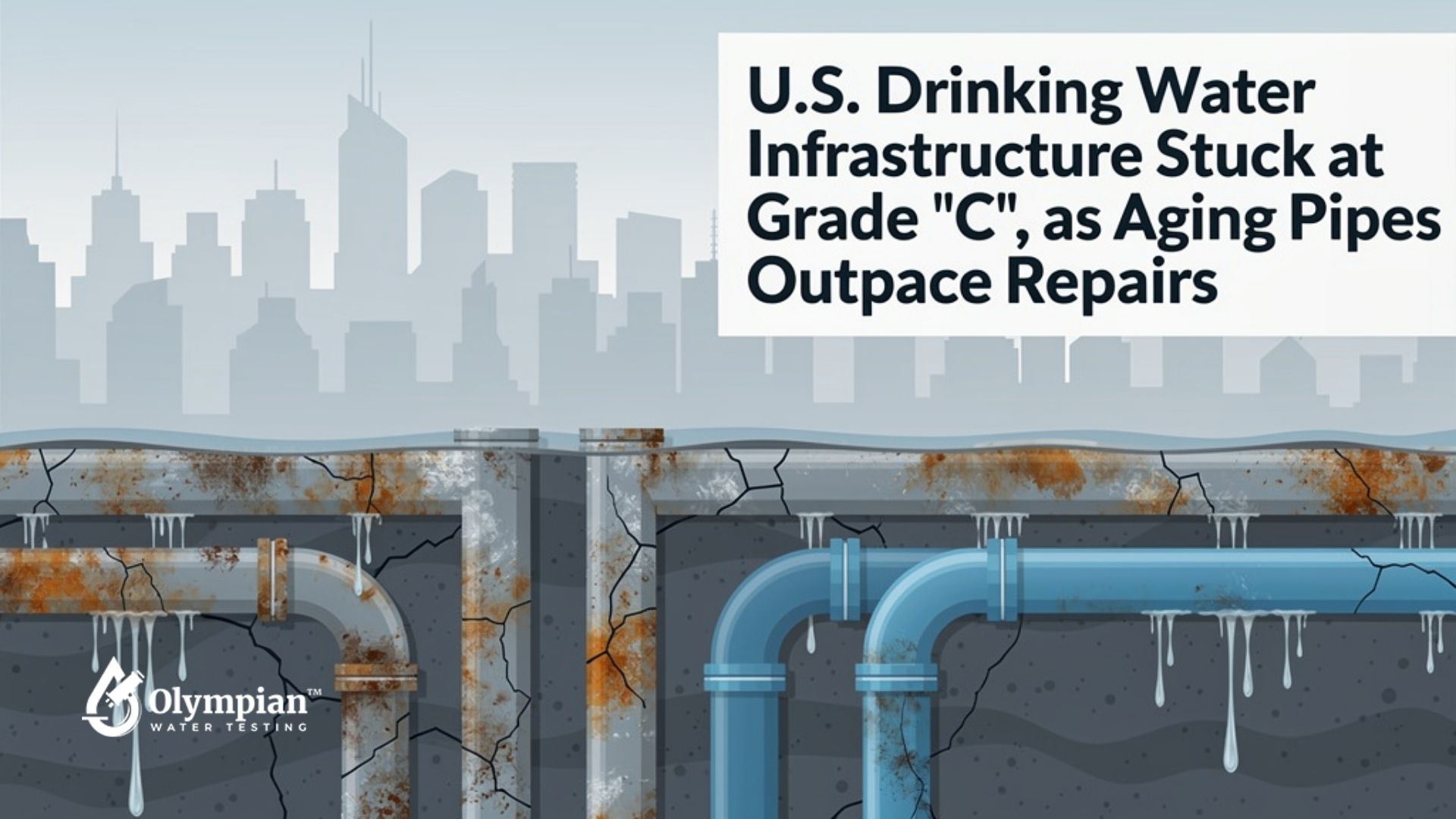
Neighborhoods often struggle with aging pipes and scarce repair funds. Testing and treatment face obstacles due to financial and equipment shortages. Geographic isolation exacerbates the issue, leaving families reliant on subpar water sources. Implementing solid infrastructure planning and ensuring fair resource allocation can help overcome these challenges.
Health Consequences and Public Awareness
Repeated exposure to pollutants leads to chronic illnesses, from respiratory issues to severe digestive problems. Residents often lack access to quality healthcare, making symptoms harder to recognize. Educational programs raise awareness about contamination risks, but real change hinges on robust regulatory frameworks. Laws must direct resources to these areas, paving the way for cleaner water and better health outcomes.
Role of Grassroots Movements in Advocacy
Local campaigns have transformed the way we talk about water safety. They bring neighbors together, facing common challenges as a united front. People who deal with contamination support each other, organizing community meetings and crafting action plans. They collect water quality data, share it with officials, and demand justice for their neighborhoods.

Grassroots organizers often say, “We cannot wait for distant agencies to fix what we live with every day.” Their efforts prove that collective determination can shift the balance of power.
Many groups collaborate with national organizations like the Sierra Club or Clean Water Action. They seek resources for in-depth investigations and to increase visibility. Their aim is not just to raise awareness. They also advocate for infrastructure improvements, such as better pipelines, treatment plants, and distribution systems. By forming alliances with universities and foundations, they fund research, bolstering their legal arguments and influencing lawmakers.
Grassroots mobilization has brought about lasting change in communities that were once ignored. These individuals demonstrate resilience, showing how everyday voices can shape policy and enhance water quality for everyone.
Intersection of Race, Environment, and Health
Research shows a strong link between racial identity, environmental stress, and health outcomes across the country. Areas with high diversity often bear the brunt of these issues. The case of Grassy Narrows exemplifies how policy neglect intersects with community struggles.
Statistical Evidence of Racial Disparities
Studies indicate a higher risk of contamination in areas with large Black, Latinx, or Indigenous populations. This disparity stems from historical exclusion and limited funding. It poses a significant threat to daily life, necessitating ongoing policy changes.
Community-Led Solutions
Grassroots movements are driving change with effective strategies. Some advocate for enhanced infrastructure to boost social equity and health. Others work with officials to secure fair funding, ensuring clean water for all.
- Water purification projects aimed at reducing toxins
- Partnerships with public offices to guide equitable investments
Media Coverage and Public Perception

Media outlets significantly influence how local crises are perceived. Some networks provide detailed coverage of contamination in rural areas. Despite this, underreporting remains a significant challenge. When major platforms focus on water pollution, public opinion shifts, prompting officials to act.
If coverage wanes, communities may find it hard to garner the necessary support. This highlights the importance of consistent media attention.
Discrepancies arise when environmental racism is overlooked or downplayed. National sources often focus on visible disasters, neglecting chronic issues in underserved areas. This neglect leaves many residents feeling overlooked. Regular updates from respected publications keep the issue alive, driving policy reforms and tangible improvements.
“One televised report can spark nationwide attention, yet countless neighborhoods remain silent in the headlines,” stated a recent PBS NewsHour segment.
Continued news coverage pushes officials to address overlooked cases. Greater transparency in storytelling can reshape perceptions. It ensures all voices receive fair attention and the resources needed for lasting change across diverse regions. This proactive approach fosters deeper public understanding.
Infrastructure Upgrades and Funding Initiatives
Modern water networks depend on strong pipelines and treatment plants to prevent contamination. Recent proposals, like Canada’s Bill C-226, show a growing focus on high-risk areas. Indigenous communities, historically marginalized, face disproportionate impacts from toxins. Grassroots efforts push for immediate upgrades to outdated systems.

State-Level Grants and Federal Support
The Clean Water State Revolving Fund offers new funding options for communities. Local groups advocate for targeted funds to tackle contamination and support thorough clean-ups. Federal support aims to reduce financial hurdles, encouraging quick upgrades to ensure safe water access everywhere.
Community-Based Water Projects
Indigenous-led projects showcase creative solutions, from small filters to well monitoring. Grassroots activism brings together volunteers and experts, securing vital resources. These efforts enhance community strength, highlighting the importance of long-term water safety for all.
Innovative Water Treatment Technologies
New breakthroughs are transforming how communities tackle water contamination. Modern solutions combine scientific research with local efforts, making systems both effective and affordable. Studies indicate that integrating technology with restored landscapes can lead to cleaner water and better health.
Filtration Advances and Implementation

Recent filtration techniques tackle various pollutants simultaneously, capturing heavy metals, industrial chemicals, and pathogens. Scientists continually improve membranes and media to minimize risks for families. Some systems use solar power, easing the load on public utilities.
Urban areas and low-income neighborhoods gain the most from these advancements. Implementing these technologies in schools and community centers is key.
Sustainable Approaches for Rural Areas
Small towns face unique challenges due to limited infrastructure. Soil regeneration and local water monitoring become critical. Grassroots efforts focus on reforestation near wells or riverbanks, filtering out pollutants.
Machinery that cleans itself or requires minimal energy is essential for remote areas. This approach ensures safety without constant maintenance. Combining local knowledge with widespread outreach fosters lasting change.
Legal Actions and Landmark Cases
Legal battles have long been a driving force for change, sparking important discussions on water contamination in the United States. Court decisions push industries, agencies, and local authorities to tackle public concerns. These landmark rulings shed light on the chronic hardships caused by toxins. They also challenge weak regulatory frameworks and strengthen protective measures.
Indigenous communities, such as Grassy Narrows, have used lawsuits to highlight corporate responsibility. These lawsuits expose violations and demand compensation. They reveal gaps in oversight and underscore the importance of judicial intervention. Many cases result in financial settlements or cleanup orders, providing some relief but also highlighting ongoing accountability issues.
“We seek legal recourse when standard avenues fail to provide swift or fair outcomes for peoples reliant on safe water sources.”
Case | Year | Key Impact |
Grassy Narrows Mercury Dispute | 1970s | Expanded corporate and governmental accountability |
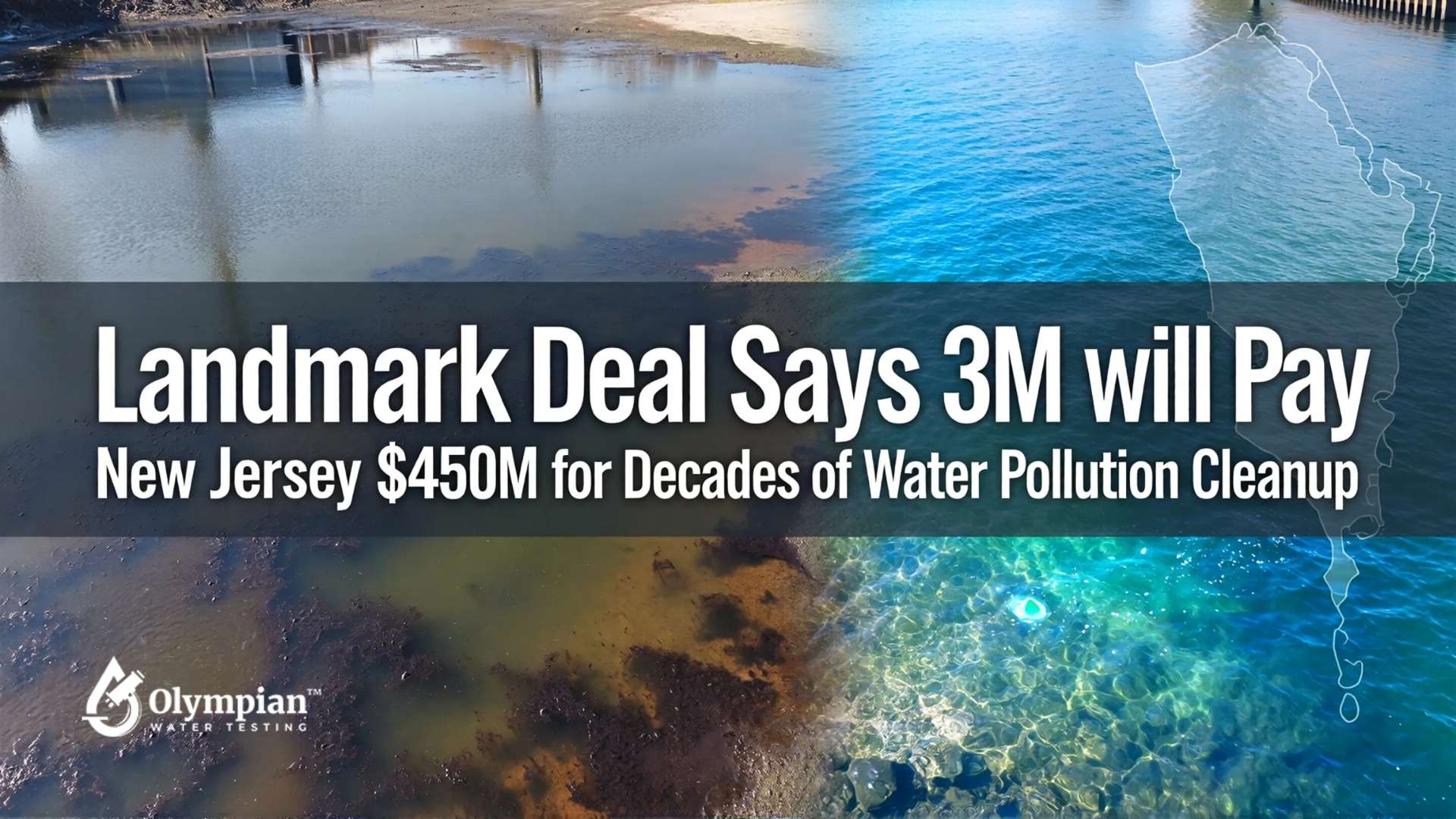
3M PFAS Settlement | 2018 | Increased scrutiny of regulatory frameworks nationwide |
Collaborative Efforts for Environmental Justice
Across sectors, a shared commitment can revolutionize how we tackle contamination. Public agencies, research institutions, and philanthropic groups come together. They offer targeted guidance and financial support. This collaborative effort increases awareness, enhances technical skills, and builds lasting community engagement.
Nonprofit Organizations and Government Partnerships
Entities like the Sierra Club and the Environmental Protection Agency join forces to tackle water crises. The Ford Foundation provides grants for training in facility maintenance and water monitoring. These efforts protect public health and ensure the wise use of infrastructure upgrades in resource-poor areas.
Empowering Local Voices Through Policy Changes
Residents push for stronger regulations and direct involvement in policy-making. Bill C-226 in Canada exemplifies the commitment to curb contamination and ensure fair resource distribution. When citizens and advocacy groups shape legislation, targeted funding emerges. This supports cultural priorities and drives meaningful decisions on infrastructure upgrades at all levels.
Envisioning a More Equitable Water Future
Inclusive governance and no net loss approaches can safeguard vital water supplies while reducing contamination risks. Communities flourish when diverse groups unite to ensure water quality meets all household needs.
S2G Investments showcases strategies to bridge infrastructure gaps and embed social equity in water policies. Exploring this resource uncovers methods for investing in sustainable water management that preserves ecosystems.
Effective partnerships between policymakers, local groups, and advocates are key to advancement. When everyone’s voice is heard, policies become equitable and culturally sensitive. This vision ensures no one is left without safe water due to income or location. Through collective action, we can safeguard resources for the future, preventing water contamination from hindering social equity.