Understanding the Policy Shift
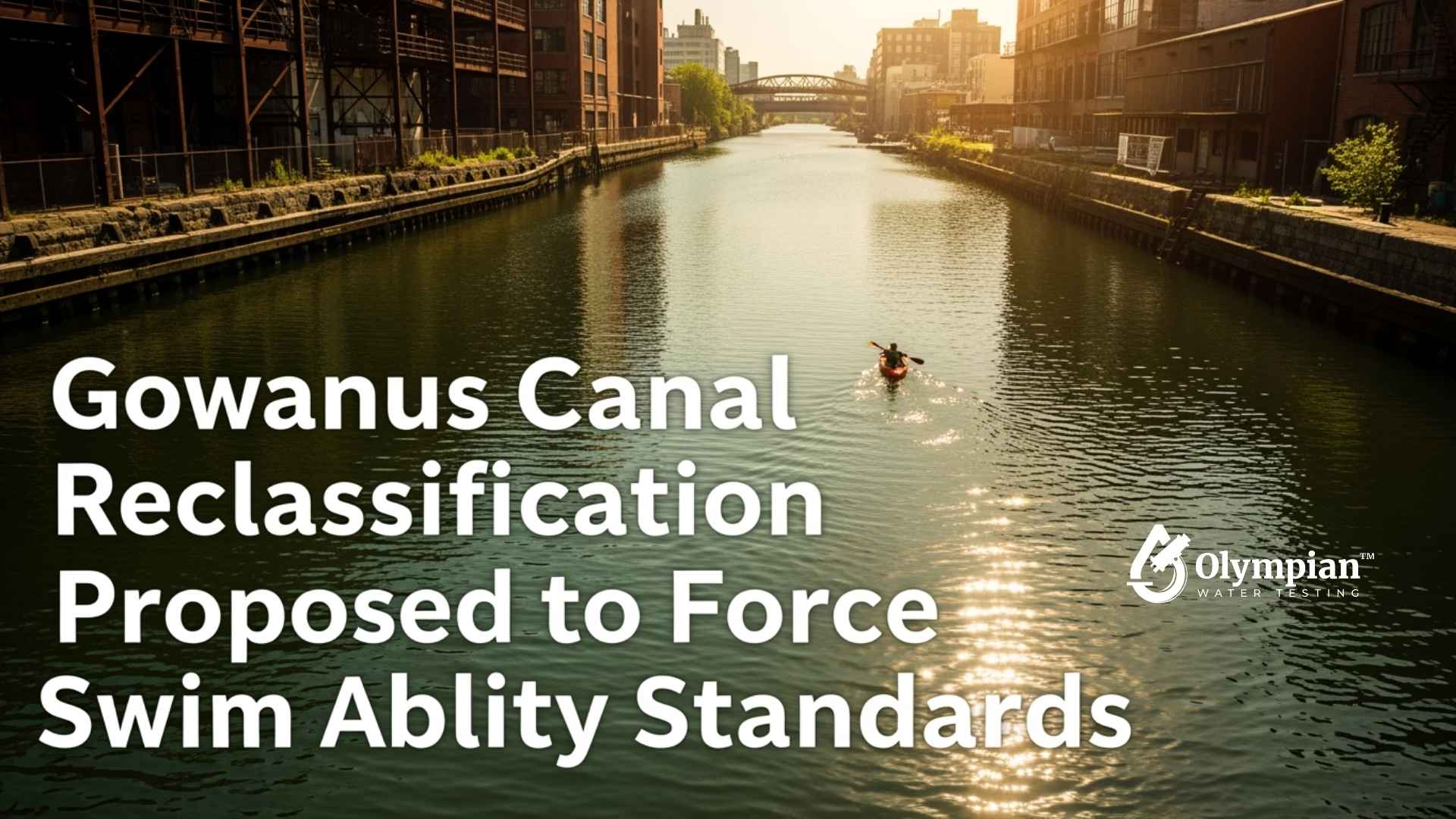
The Gowanus Canal, once a major cargo route, has become one of the most polluted waterways in the nation. Now, it’s under intense scrutiny as officials aim for stricter standards to protect public health. This shift in policy reflects a commitment to cleaner water and a safer environment for local residents.
Local leaders see the Gowanus Canal as a critical part of broader environmental reforms. They highlight the growing concern over water toxins, pushing for government action. The aim is to reclassify the canal, ensuring it meets swimmable standards and proving that neglected areas deserve care.
State and federal guidelines are driving these changes, envisioning the canal as a healthier recreational space. With stricter water quality laws on the horizon, there’s hope for a full restoration and a revitalized waterfront.
Key Players Behind the Initiative
Many voices unite to tackle persistent water pollution surrounding the Gowanus Canal. Local agencies, nonprofits, and everyday residents collaborate to promote cleaner waters and healthier neighborhoods. Pollution in the canal has included contaminants like PAHs, VOCs, PCBs, and heavy metals, partly caused by industrial discharges that left lasting effects.
Local Government Agencies
New York City Department of Environmental Protection and the New York State Department of Environmental Conservation shape policy to reduce the canal’s toxic load. They pinpoint risky chemicals, set mandates, and organize testing to track progress. Their plans address high levels of water pollution and seek practical approaches to protect public well-being.
Environmental Advocacy Groups

Organizations such as Riverkeeper and Gowanus Canal Conservancy are pushing for strict cleanup measures. They spotlight overlooked issues and rally community support. Grassroots efforts merge with large-scale campaigns, uniting supporters who demand tangible results and transparent reporting.
Community Contributors
Residents, volunteers, and local businesses inspire neighborhood-driven solutions. Their on-site observations and group cleanups foster a shared commitment to safe waterfront recreation. Street-level actions keep water pollution concerns visible and encourage wiser waste management throughout Brooklyn.
Contaminant | Primary Source | Potential Impact |
PAHs | Industrial Residue | Health Risks for Aquatic Life |
VOCs | Oil Spills and Chemical Plants | Air and Water Quality Concerns |
PCBs | Old Electrical Equipment | Long-Term Ecological Damage |
Heavy Metals | Manufacturing Discharges | Threat to Fish and Human Health |
Historical Perspective on Gowanus Canal
The canal’s origins date back to the mid-19th century, when it was a tidal creek. It was created by dredging marshes to facilitate trade expansion. Shipping routes flourished, and industries sprouted along its banks. This transformation turned a serene waterway into a vibrant thoroughfare. It faced the harsh effects of industrial waste, like many NYC waterways.
Industrial Legacy
For decades, steel mills, chemical plants, and cargo docks dumped pollutants into the canal. Activities included fuel storage and raw material processing. These left behind harmful sediments, posing health risks to nearby residents.
Previous Cleanup Efforts

Efforts to clean up the canal began early in its history. Projects aimed to flush out pollutants by introducing fresh water. These initiatives sought to diminish toxicity and unpleasant odors.
Superfund Designation
In 2010, the Gowanus Canal was designated as a Superfund site. This move marked a significant step towards its restoration. It underscored the federal government’s commitment to making the canal a cleaner, more sustainable environment.
How Brooklyn Residents Are Reacting to the Proposed Reclassification
The canal, one of the most polluted bodies of water in the United States, has long been a source of concern. Many community members view the proposed reclassification as a critical turning point for their neighborhoods. They are hopeful that it will enhance real estate values and provide a safer environment for families to enjoy waterside activities.
Despite the optimism, some residents remain skeptical. They recall past cleanup efforts that failed to eradicate contamination. These memories fuel ongoing discussions about whether this new plan will meet expectations. The area’s designation as a Superfund site has amplified public demands for effective strategies to address the canal’s deeper environmental hazards.
Resident Group | Common Reactions |
Longtime Homeowners | Hope for better property values and safer shorelines |
Newcomers | Seek thorough plans tied to the Superfund site for lasting improvements |
Local Environmentalists | Yearn for a cleanup process that reduces toxic sediment |
Proposed Water Quality Criteria

Officials are setting bold targets for the Gowanus Canal. The goal is to curb pathogens, heavy metals, and toxic materials that have lingered from a lengthy industrial heritage. Stricter thresholds for fecal coliforms and chemical pollutants reflect an effort to safeguard public health and marine life.
Specific Contaminants of Concern
These new criteria center on minimizing direct hazards to swimmers. Tests for lead, cadmium, and other metals are under closer scrutiny. Environmental advocacy coalitions seek uniform safety measures to protect local users. Past discharges of volatile compounds mean watchful eyes remain on possible runoff from nearby facilities.
Regulatory Benchmarks
Proposed guidelines aim to fit with federal expectations for swimmable waters. Local water agencies plan to coordinate with national offices on sampling methods and compliance reports. The inclusion of advanced filtration systems and diligent testing schedules may form the backbone of clean-up strategies.
Contaminant | Proposed Limit |
Fecal Coliforms | Less than 200 CFU/100ml |
Heavy Metals (Lead, Cadmium) | Below 15 ppb |
Volatile Compounds | Not Detectable |
Potential Environmental and Public Health Benefits
The canal’s revival is a key step towards restoring local ecosystems and reducing waterborne pathogen exposure. This initiative aims to protect families from infections caused by unsafe water contact. Cleaner shorelines foster a healthier environment, opening up new opportunities for wildlife to flourish in this urban waterway.
According to the New York City Department of Environmental Protection, “These upgrades strengthen public health measures by allowing residents to enjoy waterfront spaces without fear of contaminated water.”
This transformation marks a significant step towards sustainable development. With less pollution, habitats for fish and birds become more robust. A revitalized canal not only preserves biodiversity but also reflects a broader commitment to clean waterways in New York. Officials envision a future where public health and environmental stewardship are intertwined.
- Reduced bacterial exposure for local communities
- Improved conditions for aquatic species
- Greater opportunities for safe outdoor activities
Timeline for Implementation

Redevelopment efforts around the Gowanus Canal have intensified, prompting community members to ask when they can expect visible progress. This schedule targets improved water conditions while guiding planning for waterfront development. Project leaders plan strategic changes across multiple phases, ensuring minimal disruption to local neighborhoods.
Phases of Upgrades
Improvements happen in distinct steps. Initial actions focus on enhanced sewer systems. Mid-term upgrades control combined overflow events. Long-range plans address harbor defenses. Observers believe these tiers can shape practical progress and spark new possibilities for local residents.
- Phase One: Dredging and debris removal
- Phase Two: Infrastructure modernization
- Phase Three: Water quality monitoring
Key Milestones
Project milestones revolve around completed dredging, revised drainage policies, and final checks on restored shorelines. Teams plan frequent evaluations to keep the public informed.
Projected Completion Dates
Initial upgrades may conclude within three years, with larger-scale operations possibly finishing in the next decade. Advocates see alignment with waterfront development initiatives as a chance for synergy between economic interests and ecological concerns. Full completion dates depend on ongoing data analysis and sustained funding commitments.
Funding and Resource Allocation
Public and private investments are working together to make the waterfront safer and more inviting. Leaders believe this will not only benefit nearby neighborhoods but also attract more visitors. A variety of funding options are available, supporting both immediate improvements and long-term projects aimed at boosting tourism in Brooklyn.
Government Funding Channels
State grants and municipal bonds are providing the initial funding for water quality enhancements. Officials are carefully managing these investments, focusing on critical infrastructure upgrades. This process involves strict oversight to ensure compliance with health and safety standards.
Private Sector Partnerships

Local businesses are contributing resources and technical expertise to the effort. They see the benefits of cleaner water and the shift towards more recreational activities. Many anticipate the opening of new ventures related to leisure and nature.
Community Fundraisers
Residents are coming together for grassroots fundraisers, building unity and extending the project’s reach. These events raise awareness about environmental issues and support cleanup efforts and educational programs.
Method | Primary Source | Focus |
Governance Grants | State & Local | Infrastructure Overhauls |
Corporate Alliances | Private Firms | Technical Expertise |
Grassroots Drives | Civic Groups | Community Engagement |
Challenges and Controversies
Major cleanup plans often face significant obstacles, including cost and political debate. The Gowanus Canal, burdened by a industrial legacy spanning decades, encounters even more hurdles. Estimates suggest that the cost of large-scale projects may exceed available funds, sparking disagreements over who should bear the expense.
Local officials, led by the New York State Department of Environmental Conservation, face complex legal questions about liability. There is a stark disagreement between public and private sectors on responsibility for controlling contamination. The issue is further complicated by persistent sewage overflows.
The community is split on the canal’s future. Some advocacy groups advocate for strict standards, while others are skeptical about full restoration. The scale of the contamination highlights the lasting effects of the industrial legacy. The challenge lies in balancing public health concerns with budget constraints, raising questions about the feasibility of these ambitious plans.
Comparisons with Other Urban Waterways
Restoration efforts in the Chicago River and Newtown Creek have set new standards. These projects, despite facing pollutants and outdated infrastructure, achieved significant success. This was due to meticulous planning and active community involvement.
The Gowanus cleanup team is drawing inspiration from these examples. They aim to prevent setbacks by combining scientific research with community-driven initiatives. This approach addresses specific needs and fosters a sense of ownership among locals.
Lessons from Similar Projects
Experts are studying the Chicago River’s modernization and Newtown Creek’s battle against industrial runoff. Each project employed targeted solutions tailored to its unique pollution challenges. Key takeaways include the importance of rigorous testing and continuous feedback loops to refine plans.
Differing Regulations

Urban waterways must comply with regulations from various authorities. The differences in permit limits and enforcement timelines can significantly impact a project’s trajectory. Adapting policies to meet evolving needs is essential for the Gowanus cleanup’s success.
Waterway | Major Focus | Key Outcome |
Chicago River | Wastewater upgrades | Improved water quality |
Newtown Creek | Industrial discharge control | Reduced health risks |
Potential Impact on Local Businesses
Shops, restaurants, and service providers near Red Hook, Carroll Gardens, and Park Slope are preparing for a transformed Brooklyn canal. The cleaner waterway could attract new ventures focused on waterfront experiences. Investors are keenly observing the area’s growth, pondering the long-term advantages for smaller businesses.
Waterfront Development
Modern structures and revamped docks are on the horizon. These changes could spur real estate growth. Revitalized boardwalks will offer retail opportunities for entrepreneurs. Mixed-use buildings might combine commercial and residential spaces.
Tourism and Recreation
Visitors may be drawn to the Brooklyn canal for activities like kayaking tours and cultural events. Neighborhoods could experience economic growth through collaborations between local businesses. This could include hosting:
- Family-friendly festivals
- Pop-up art shows
- Eco-tour workshops
Industrial Operations
Existing factories and warehouses will face new regulations on runoff and waste disposal. Stricter standards could encourage firms to adopt cleaner technologies. Finding a balance between preserving industrial heritage and meeting environmental goals is essential for the region’s business future.
Recent Community Engagement Efforts
Local residents have come together in large numbers to express their concerns about water pollution and the canal’s health. Organizations like the Gowanus Canal Conservancy and advocates have organized cleanup events. During these events, volunteers worked together, removed debris, and learned about the effects of industrial discharge.
Petitions have been circulating, calling for deeper dredging and clear timelines for city interventions. This momentum has shaped discussions with the New York City Department of Environmental Protection. It has created an atmosphere of unity and shared purpose.
Groups such as Riverkeeper and the Gowanus Dredgers have organized forums to outline the most pressing ecological threats. These gatherings have highlighted the impact of water pollution on the neighborhood’s well-being. Residents continue to push for transparency during public sessions, underlining the need for robust oversight.
A sense of civic pride drives debates and inspires more collaboration among community members. This pride fuels discussions and encourages further cooperation.
Engagement Action | Organizers | Key Focus |
Cleanup Days | Gowanus Canal Conservancy | Volunteer Involvement |
Petitions | Local Activists | Stricter Dredging Plans |
Public Forums | Riverkeeper | Community Awareness |
Monitoring and Ongoing Research

Scientists and environmental watchdogs closely monitor water samples in this critical zone. Past studies showed high levels of sewage bacteria and chemicals, prompting new investigations by universities and government agencies. Their efforts link this canal to larger NYC waterways projects, necessitating continuous oversight.
Scientific Data Collection
The New York State Department of Environmental Conservation collaborates with Columbia University research teams. They collect precise measurements of water quality, focusing on microbial threats, industrial residues, and ecological shifts. These findings help officials make quick adjustments to their remediation strategies.
Long-Term Environmental Studies
Experts conduct multi-year assessments to measure progress and track pollutants. This confirms if cleanup efforts are effectively reducing harmful contaminants. Ongoing research also compares this canal with other NYC waterways, providing insights for future restoration projects.
Perspectives from Elected Officials
Local leaders emphasize the canal’s condition as a pressing issue. They aim to lessen contamination and see the Superfund site status as a catalyst for faster cleanup. The push for more funds and collaborative efforts is evident in policy-making.
Mayor Eric Adams advocates for focused investments to cut down toxic discharges. State officials also pledge to enhance wastewater management and conduct more thorough environmental assessments. They believe the canal’s reclassification could lead to significant public health improvements in the area.
Policy Statements
Legislators propose infrastructure enhancements and regular water quality checks. Some advocate for increased funding to speed up Superfund site-related tasks. They outline regulatory adjustments to keep the cleanup momentum going, ensuring the canal’s ecological future.
Community Meetings
Community forums provide a platform for residents to interact with policy ideas directly. City council members host both in-person and online sessions to address concerns and gather input on cleanup schedules and partnerships. These ongoing discussions aim to foster trust and promote open governance.
Reflecting on Opposing Viewpoints
Private companies involved in manufacturing and shipping see job growth tied to access along the Gowanus Canal. They worry that new guidelines could increase expenses and complicate daily operations. They stress the need for balanced regulations that won’t harm local commerce.
On the other hand, voices advocating for environmental advocacy envision a cleaner, safer waterway. They believe stricter rules could safeguard public health and revive a natural asset for nearby communities. This stance highlights the opportunity to revitalize waterside areas, supporting shared prosperity and preserving delicate habitats.
Stakeholder | Key Argument |
Private Industrial Firms | Rising operational costs and limits on expansion |
Groups Promoting environmental advocacy | Long-term sustainability and healthier communal spaces |
Looking Ahead to a Swimmable Gowanus Canal

City-led improvement projects are transforming Gowanus Canal into a safer spot for recreation. Upgrades to sewage and stormwater systems bring new hope to the area. Neighbors envision a future with more waterfront activities.
Better infrastructure and active volunteer programs are supporting the canal’s transformation. This evolution aims to create a clean urban space that prioritizes public health.
Pollution levels have dropped thanks to consistent monitoring by the NYC Department of Environmental Protection and the EPA. Officials stress the importance of shared responsibility and ongoing research. With supportive policies and engaged residents, the canal could soon become a symbol of urban renewal.
This vision aligns with local goals for a swimmable waterway. It will benefit public health and strengthen community pride.