Reading Time: 3 minutes
PFAS—short for Per- and polyfluoroalkyl substances—may not be a household name, but they’re part of everyone’s daily life. Developed in the 1930s, these manmade chemicals made nonstick cookware, waterproof clothing, firefighting foam, and stain-resistant fabrics possible. Their durability, however, has become their greatest danger. PFAS don’t break down, spreading from landfills and factories into soils, waterways, and even our bodies. Scientists estimate nearly all humans carry some level of PFAS in their systems.
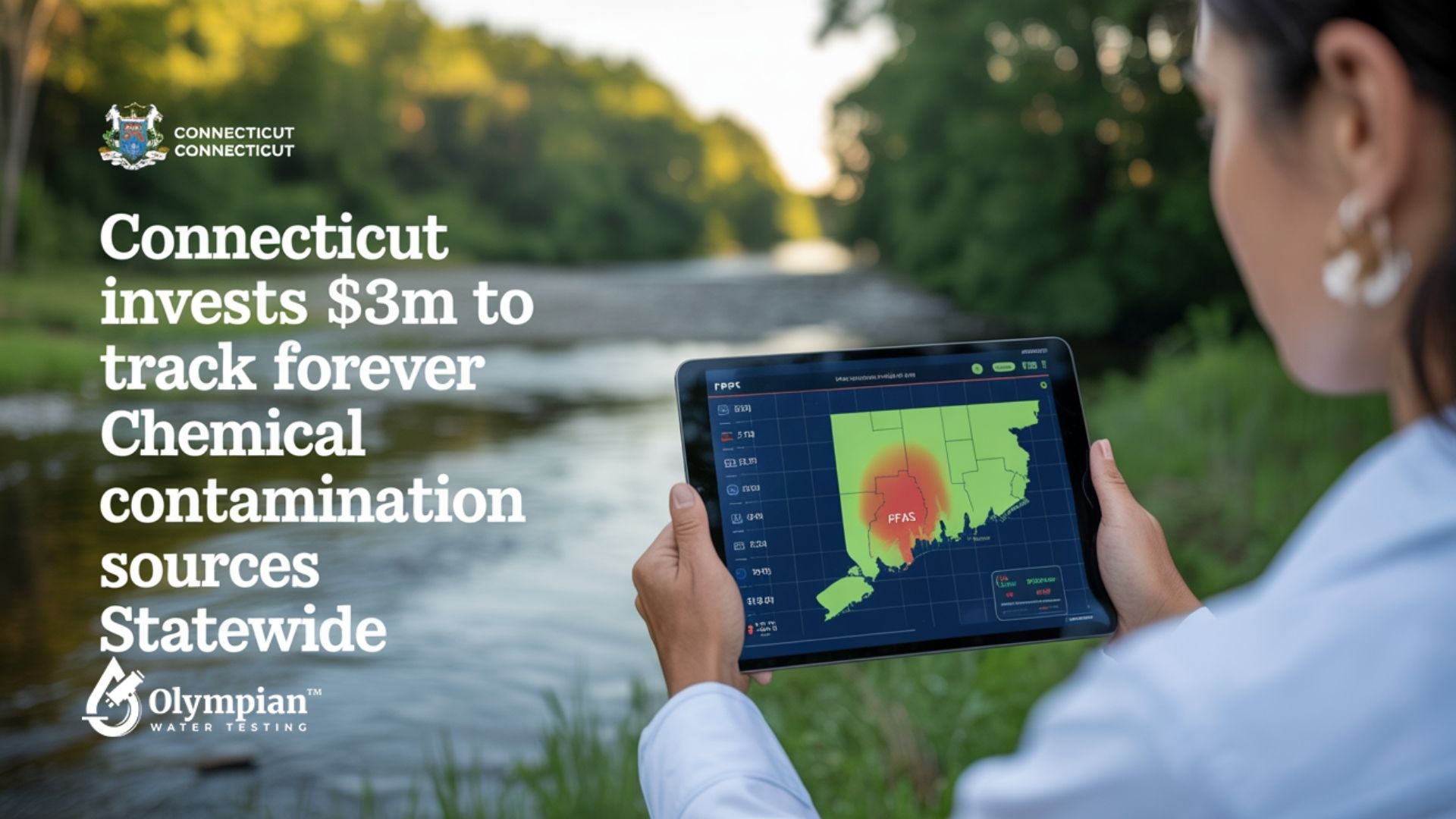
Now identified as carcinogenic, PFAS exposure is a growing public health concern. In response, both Connecticut and federal leaders have introduced regulatory measures. The state has banned PFAS-containing firefighting foams and fertilizers to prevent further contamination. Meanwhile, the Environmental Protection Agency (EPA) introduced strict new national standards for PFAS in drinking water, to be enforced by 2029. Under the regulation, certain PFAS compounds can’t exceed minuscule thresholds in water supplies—4 to 10 parts per trillion.
To put that into perspective, four parts per trillion is like measuring two feet across a 93-million-mile journey to the sun. While the scale may seem small, its significance is vast. Removing PFAS from drinking water will protect public health and also create an opportunity to permanently destroy these chemicals through high-heat treatment during the water purification process.
However, this effort demands immense resources. Thousands of water sources nationwide—including hundreds in Connecticut—will need advanced treatment systems to comply with the new regulations. Connecticut Water alone will require about $200 million in infrastructure investment. Nationwide, the challenge affects over 152,000 public water systems, many serving small communities. Even with federal and state aid, customers will inevitably face higher water bills. This isn’t a challenge that can be met with short-term budget fixes.
The water industry has faced similar hurdles before. In 1989, the Surface Water Treatment Rule mandated that water systems using lakes or reservoirs implement filtration and disinfection measures. Connecticut managed those costs through a mechanism known as Construction Work In Progress (CWIP), spreading expenses across customer bills over time to avoid sudden rate hikes.
A similar solution is now being proposed in the state legislature. The Water Quality & Treatment Adjustment would allow regulated utilities to smooth out the cost impacts of PFAS treatment by enabling pre-approved projects through the Public Utilities Regulatory Authority (PURA). This mechanism would create a gradual increase in rates, giving customers time to adjust.
I urge our lawmakers to support this approach. The task ahead is daunting, but ensuring access to safe, reliable drinking water is a necessity—not a luxury. We must make these investments, but in a way that protects both our health and our wallets. Connecticut’s future depends on it. Additionally, implementing a comprehensive Connecticut tap water safety assessment will provide transparency and foster public trust in our water systems. By identifying potential risks and addressing them proactively, we can safeguard our communities and promote long-term sustainability. It is crucial that we prioritize these measures to ensure every resident has access to the safe drinking water they deserve.
Share this on social media: