Understanding the Scope of Lead Pipe Issues in Underserved Communities
Public awareness about lead contamination is critical. Underserved areas face challenges from aging pipelines that can release toxic particles into household taps. Initiatives in water infrastructure improvements and community health programs are essential to tackle these issues.
Why Lead Pipes Persist in Low-Income Areas
Historically, some neighborhoods were overlooked when modernizing water systems. This left outdated components in place. Limited funding, old construction practices, and socioeconomic factors contribute to this problem. The persistence of these pipes is due to financial constraints and limited access to resources for swift replacements.
Early Warning Signs and Health Risks
Residents may notice odd tastes or see discolored water when lead levels increase. Children are at a higher risk of developmental issues, while adults may face kidney problems or elevated blood pressure. Working with experts and implementing timely upgrades can mitigate the long-term effects of lead exposure.

Key Indicators and Suggested Responses
Health Concern | Possible Approach |
Developmental Delays | Partner with clinics for early detection |
Kidney Complications | Schedule regular water quality tests |
Breaking Down the $66M Grant: Funding Sources and Allocation
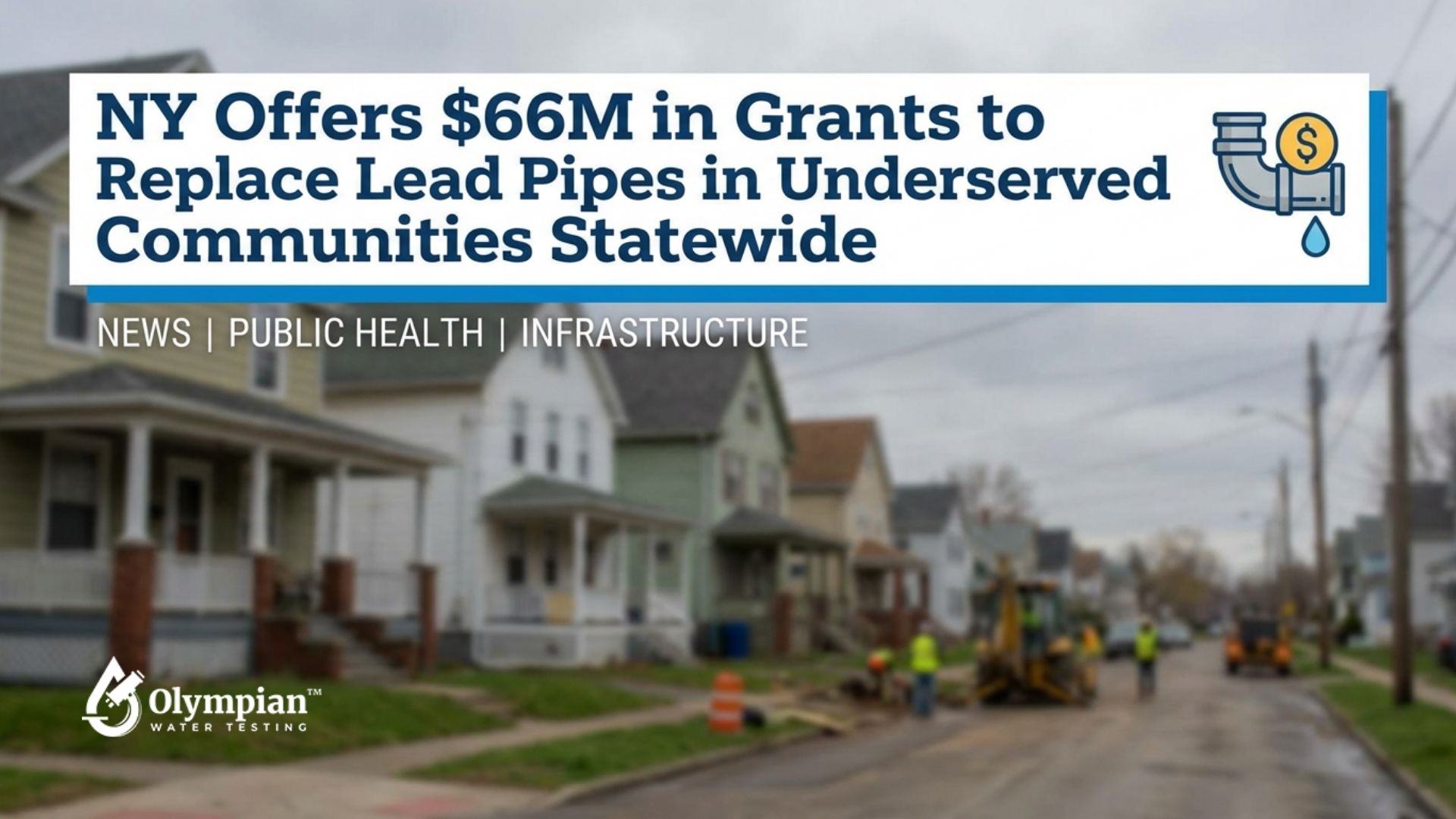
This initiative combines funds from state budgets, private investors, and municipal agencies. A significant portion of the grant is dedicated to removing lead pipes, focusing on public health. Each dollar targets underserved neighborhoods, where the risk of contamination is higher.
Planners set criteria for location, contamination severity, and local capacity to allocate funds. Underserved neighborhoods are a priority due to their increased exposure. The grant aims to remove hazards, improving safety and property values in the long run.
Funding Source | Main Contribution |
State Reserves | Core financing for rapid response in critical areas |
Private Partnerships | Coordinated investments to expand project reach |
Municipal Agencies | Local oversight and support for community education |
NYC’s Leading Role in the $66M Lead Pipe Replacement Effort
NYC plays a key role in addressing lead exposure through its involvement in the $66M grant program. It focuses on allocating resources to meet specific goals, ensuring each neighborhood gets access to safer water systems. This commitment supports broader water infrastructure enhancements in the region.
Collaborations with State and Local Agencies

Local leadership teams collaborate with the Department of Health to establish standards for swift pipe replacement. Each district office gathers data on high-risk areas, updates on testing, and tracks outcomes for continuous evaluation. Public service departments assign specialists to ensure compliance, facilitating smoother project progress.
Engagement with Community Organizations
Civic groups educate residents about lead pipe initiatives through forums. Tenant associations and nonprofit advocates assist in informing neighbors about project guidelines and sign-ups for no-cost replacements. These efforts enhance trust and foster progress in water infrastructure improvements across the city.
Agency or Group | Key Role | Expected Impact |
Department of Health | Sets standards & monitors compliance | Improved safety protocols |
Tenant Associations | Outreach & community guidance | Higher awareness & participation |
Nonprofit Advocates | Education & resource sharing | Faster lead pipe replacements |
What the Grant Means for Water Infrastructure Improvements

The $66M grant opens new possibilities for communities seeking safer water sources. It reflects a critical investment in modern piping, enhanced filtration, and improved delivery methods. These advancements protect families from harmful contaminants.
Upgrading Old Systems
Decades-old pipelines pose serious risks, including corrosion and residue buildup. A broad push toward technologically advanced materials aims to reduce these threats. NYC lead pipe replacement efforts stand among the most visible projects, with teams focusing on removing outdated connections.
Inspectors assess vulnerable joints, while construction plans feature non-toxic, durable components. These components require fewer repairs over time.
Ensuring Long-Term Sustainability
Funding involves routine upkeep, scheduled inspections, and strong oversight. Stakeholders are designing strategies to halt future lead infiltration in busy cities and remote towns. Long-range planning ties into community health programs that track water quality and encourage safe practices among residents.
This focus highlights a shared commitment to health equity and sustainable infrastructure for generations.
Identification and Prioritization of High-Risk Zones
Effective lead pipe replacement starts with identifying the most at-risk areas. State authorities conduct public surveys to pinpoint older circuits with outdated plumbing. Properties showing visible corrosion or a history of water discoloration are the first to be assessed.
Local housing agencies and health departments work together to document lead exposure cases. Homes with children and seniors are given top priority due to their increased vulnerability. Many urgent upgrades are needed in underserved neighborhoods, which have historically been neglected.
Mapping software helps identify clusters of high-risk homes, highlighting ongoing threats in underserved areas. Records of lead-related illnesses further justify the need for quick repairs. Once identified, these zones receive immediate inspections. This focused approach ensures resources are directed to the most vulnerable, leading to faster and safer water solutions.
How Applications for Replacement Projects Are Processed

Property owners and local agencies start by submitting proof of lead lines and outlining their plans for funding. They must verify details strictly to meet public health standards. Records must show financial need and confirm lead-related concerns.
This method improves communication among state offices and helps applicants track their requests. Submissions are open to those addressing infrastructure gaps. Participants prepare necessary forms and documents before proceeding.
Assessing Eligibility Criteria
Officials review documentation on pipe conditions and health priorities. Applications without enough evidence are sent back for more proof. Public health data, engineering reports, and budget projections guide funding decisions.
Timeline for Evaluation and Fund Disbursement
Once eligibility is confirmed, funds are released on schedule. Projects advance with contractor and government planning. Reporting milestones ensure accountability and on-time progress.
Role of Public Awareness and Community Engagement
Understanding the impact of water quality on health boosts confidence in local initiatives. Practical tips shared at workshops empower residents to spot and address issues promptly. Outreach teams, like those from the Environmental Protection Agency, provide guidance on simple actions. These include using filters and reporting any concerns. Such efforts foster unity, linking households with water infrastructure experts.
Community events foster open discussions. People exchange experiences, learn from each other, and develop a shared sense of responsibility. Through press releases and social media, awareness is heightened, reminding everyone of their role. This builds trust, encouraging more participation in improving water infrastructure.
- Attend local forums to address pressing concerns
- Request water testing for peace of mind
- Use filters as temporary safety measures
Initiative | Outcome |
Neighborhood Workshops | Empower residents with vital health information |
Public Info Campaigns | Maintain transparency and encourage collective action |
Collaboration with Health Officials to Monitor Progress
Public health agencies and medical experts work together to track lead exposure in local areas. They provide regular updates to keep the community informed. This ensures quick action when tests indicate possible risks. Their efforts reflect the latest research, ensuring water safety keeps pace.
Setting Benchmarks for Community Health
Teams from the New York State Department of Health set clear health goals using blood lead data. They schedule water assessments, share results openly, and report to a wide audience. For a deeper look, many refer to this collaborative planning guide to design strategies that fit real conditions. Each benchmark measures tangible gains, keeping NYC focused on continuous progress.
Tracking Improvements Over Time

Frequent sampling and ongoing surveillance highlight trends in children’s health, focusing on underserved parts of NYC. Officials issue yearly progress summaries to help residents track milestones. This open reporting system builds trust by showing when targets are met and where more work is needed.
Common Obstacles and Challenges Facing the $66M Initiative
The enthusiasm for safer utilities is widespread, yet this grant encounters numerous obstacles. Supply constraints, such as the scarcity of copper pipes, extend project timelines beyond initial estimates. The lack of skilled labor in communities eager for upgrades further slows progress. Rising expenses threaten to strain local budgets.
Supply Chain and Workforce Shortages
Global market shifts disrupt delivery schedules for critical goods. Tasks like NYC lead pipe replacement heavily rely on plumbers and technicians with the right credentials. A limited talent pool leads to waiting periods, delaying essential steps in the replacement process.
Budgeting and Economic Considerations
Inflation can drive up resource costs, forcing local agencies to reassess their budgets. If early projections are off, new plans must be devised to keep NYC lead pipe replacement on track. Officials aim for a balanced approach, protecting public health while managing expenses effectively.
Anticipated Impact on Public Health and Economic Growth
Removing lead from drinking water can significantly reduce contaminants, making homes safer for families nationwide. When lead-related illnesses decrease, medical expenses often drop. This allows families to spend more on healthier habits, supporting community health initiatives.
Implementing a large-scale replacement plan creates jobs in local markets, employing skilled tradespeople like plumbers and construction workers. This not only boosts local economies but also increases property values. Such growth enhances neighborhood confidence and attracts more businesses. Collaborations with agencies like the Environmental Protection Agency ensure effective strategies for public health protection.
Investments in resources benefit entire districts, encouraging more community involvement in health programs. As neighborhoods improve, more businesses move in, strengthening the tax base and supporting infrastructure growth. This cycle promotes healthier living, drives economic growth, and sets the stage for future development that benefits generations to come.
Looking to the Future: A Path Toward Lead-Free Communities
New York is committed to eliminating lead pipes, thanks to partnerships with public health officials, city agencies, and residents. The focus is on underserved neighborhoods, where access to safe water is a top priority. Grant funding for lead pipe removal is driving infrastructure updates, aiming to create a healthier environment for families and boost economic opportunities.
The state is gaining momentum in its quest for broader solutions. Local leaders, community groups, and scientific teams are working together to enhance collaboration and keep residents updated. Their efforts aim to build safer infrastructure and robust water systems, protecting against contamination. This vision goes beyond current projects, envisioning a future where clean water is abundant and everyone can trust the water from their tap.