...

Saltwater Intrusion Threatens Drinking Water Supply in Nassau County, Long Island, Federal Study Reveals

sea water with hands

Reading Time: 4 minutes

The drinking water supply for several communities in Nassau County, Long Island, is facing a serious threat due to saltwater intrusion, according to a recent federal report. This phenomenon, where saltwater from the ocean seeps into underground freshwater aquifers, is putting the region’s water quality at risk, particularly in coastal areas such as Long Beach, Great Neck, and Oyster Bay.

The report, conducted by the U.S. Geological Survey, highlights the growing issue of saltwater intrusion caused by decades of excessive freshwater pumping from wells for residential use and irrigation. As more fresh water is drawn out, it creates a vacuum that allows saltwater to move into the previously freshwater-filled aquifers. This shift is particularly concerning because it could take generations to reverse, even if all groundwater pumping were halted immediately.

Dr. Frederick Stumm, a research hydrologist and the report’s lead author, emphasized the vulnerability of these coastal communities, describing them as “at the point of the spear” in terms of exposure to saltwater intrusion. The report warns that these areas may soon need to seek alternative sources of drinking water, which could involve drilling wells further inland. However, this solution comes with its own challenges, as it could increase pressure on inland water supplies, potentially exacerbating the problem.

The findings from Long Island are part of a broader national groundwater crisis. A previous investigation revealed that nearly half of the groundwater wells across the United States have seen significant declines over the past 40 years. This depletion is driven by a combination of population growth and climate change. As temperatures rise, water demand increases, and more water evaporates before it can replenish underground aquifers, intensifying the stress on these critical water sources.
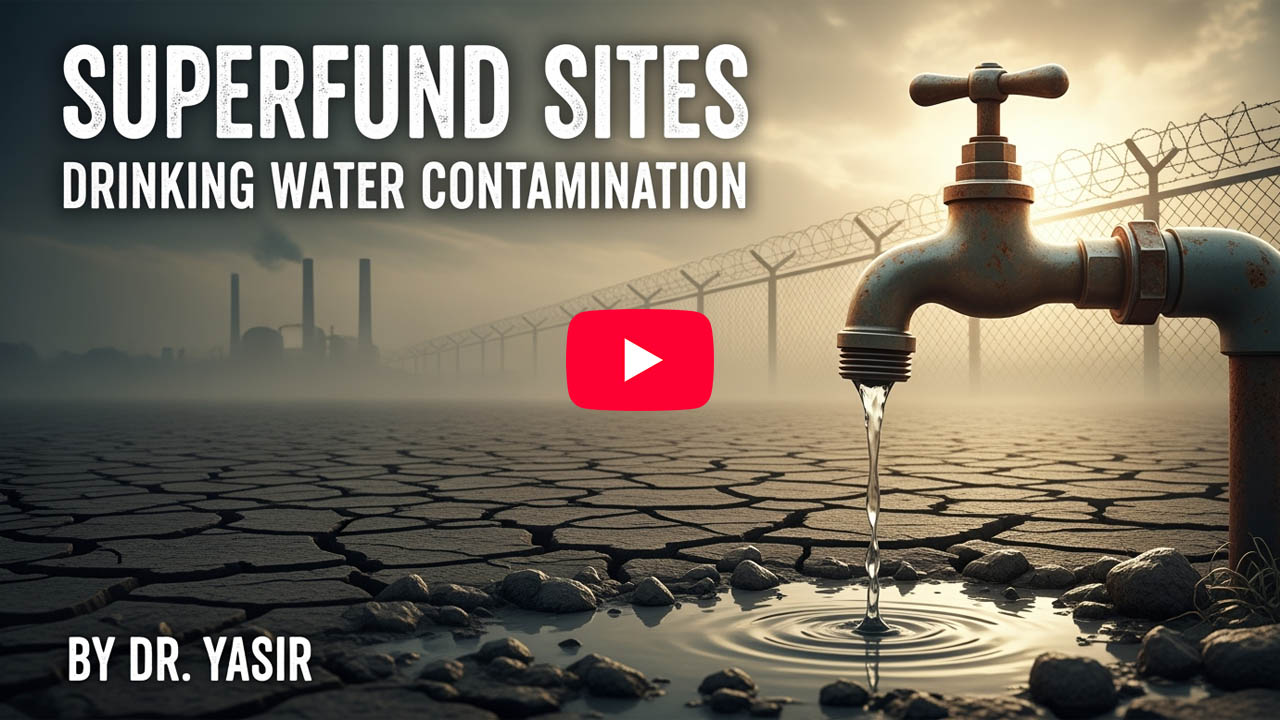
One of the most troubling consequences of groundwater overuse is saltwater intrusion. The process is governed by what scientists call the "saltwater interface," an underground boundary where saltwater and freshwater meet. As freshwater is pumped out, this boundary shifts inland, and once it reaches a drinking-water well, that well often becomes unusable.

The report points out that western Long Island was historically the first area in the United States to experience significant saltwater intrusion. In the late 19th and early 20th centuries, as Brooklyn and Queens rapidly developed, the lack of major rivers to supply water led to extensive well drilling. Over time, many of these wells turned salty and had to be abandoned, forcing the areas to connect to New York City’s upstate water supply. However, Nassau County, which has seen its population nearly quadruple since 1940, continues to rely heavily on local wells for its drinking water. As demands for water surged, long island city’s industrial history played a crucial role in shaping its current water supply challenges. The relentless expansion of industries and residential developments in the region placed immense pressure on its aquifers. Consequently, the ongoing reliance on local wells has raised concerns about sustainability and the potential for further saltwater intrusion, highlighting the urgent need for innovative solutions to manage water resources effectively.
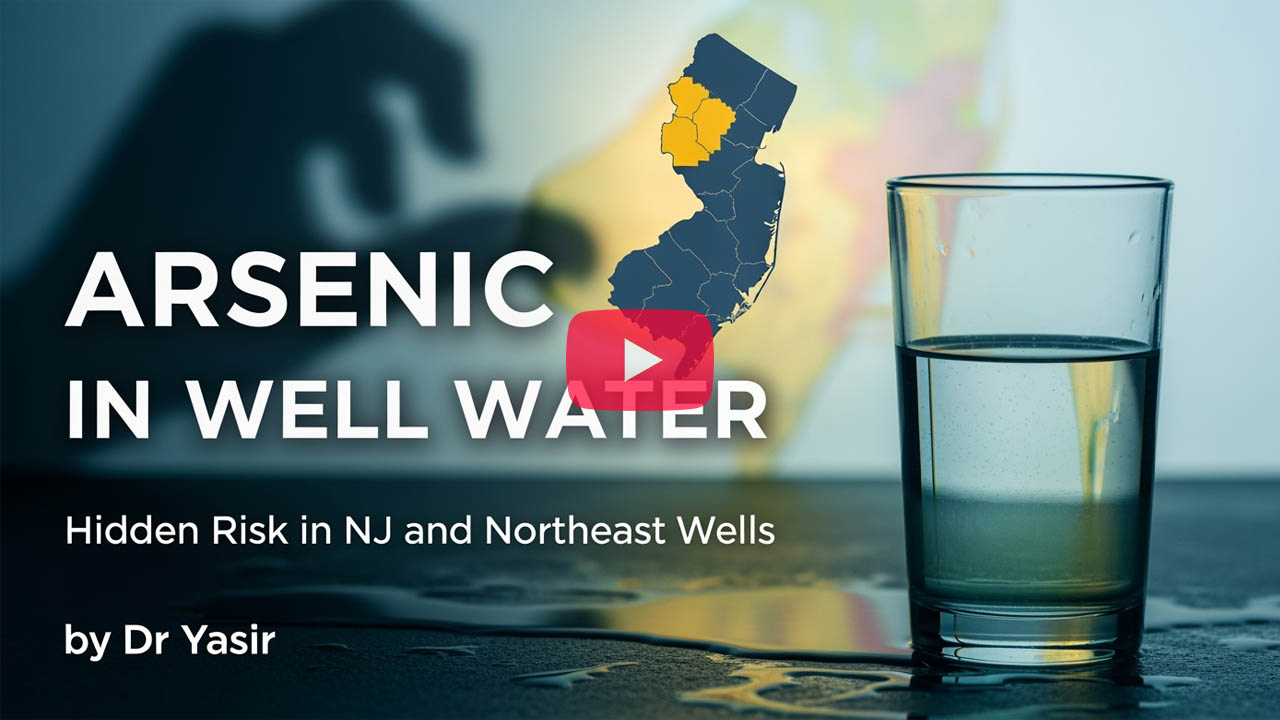
Despite the population growth, officials have struggled to monitor the advance of the saltwater interface. To address this, Dr. Stumm and his team drilled new monitoring wells equipped with sensors to detect the proximity of saltwater. Their research revealed that the saltwater interface is much closer to Nassau County’s drinking water wells than previously believed and is continuing to move inland at an alarming rate.

Great Neck, a wealthy peninsula on Long Island’s north shore, is particularly affected by this issue, with the situation worsening in nearby Manhasset Neck and Oyster Bay. On the south shore, Long Beach also faces significant risks as saltwater intrusion encroaches on its water supply.

scientists in laboratory testing water

In response to the report, the New York State Department of Environmental Conservation (DEC), which oversees groundwater regulation and funded the study, acknowledged the concerns raised. While the DEC stated that saltwater intrusion is not currently a widespread issue for Long Island’s overall water supply, it recognized the need for ongoing monitoring and collaboration with local water suppliers to develop mitigation strategies.

Dr. Stumm suggested that affected communities might consider drilling new wells further inland, though he cautioned that this is a costly and complex solution. Wells of significant depth and width require expensive infrastructure, including specialized pumps, making relocation a challenging option.

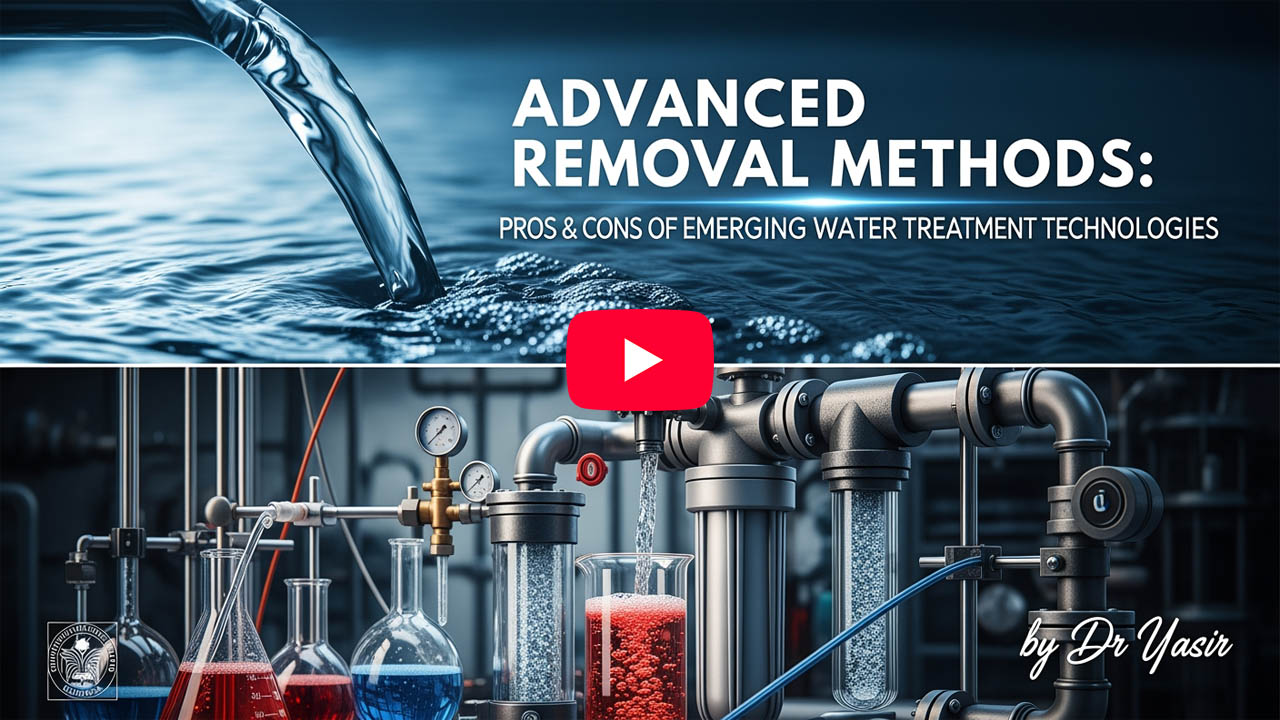
Experts, including Upmanu Lall, director of the Columbia Water Center at Columbia University, have proposed additional strategies to address the issue. These include water conservation, rainwater harvesting, wastewater treatment and reuse, and desalination. Dr. Lall warned that traditional approaches may no longer suffice, and that communities must be prepared for rising costs as they adapt to these new challenges.

The report serves as a critical reminder of the growing stress on Long Island’s groundwater resources and underscores the need for immediate action to protect the region’s drinking water supply. As climate change and population pressures continue to mount, the threat of saltwater intrusion highlights the importance of sustainable water management practices to ensure the long-term viability of Long Island’s water resources.

Share this on social media: