Overview of the EPA Mandate
The Environmental Protection Agency (EPA) has introduced a groundbreaking directive for water safety. A final rule, dated October 8, tightens oversight on pipelines nationwide. This move, backed by the Biden-Harris Administration, aims to enhance Public Health and safeguard future generations from toxic exposure.

This mandate emphasizes the importance of proactive measures for Lead Pipe Removal, focusing on older neighborhoods. It promotes a collaborative effort involving federal agencies, state governments, and local leaders. This partnership is set to ensure cleaner, safer water for all across the country.
"We are determined to protect every community from the dangers of lead contamination," stated Michael S. Regan, EPA Administrator, during the announcement.
The Historical Context of Lead Regulations
This policy shift is rooted in decades of research on hazardous materials in public water systems. The Lead and Copper Rule, introduced earlier, aimed to mitigate contamination risks. As awareness of these dangers grew, authorities were compelled to take more stringent measures to protect homes and communities.
Immediate Goals of the EPA Announcement
The authorities aim to enforce more frequent testing and stricter accountability in water distribution. Their objective is to block harmful particles from reaching taps and elevate Public Health standards. The partnership between municipal agencies and the Biden-Harris Administration underlines a shared commitment to prioritize Lead Pipe Removal over the next decade.
Why Lead in Drinking Water Is a Serious Concern
Lead is a potent Toxic Metal that enters household taps when corroded pipes release fragments into water supplies. This type of Water Contamination poses serious Health Hazards, mainly for children and pregnant individuals.

Experts from the Centers for Disease Control and Prevention report that even trace amounts of lead can disrupt brain function and emotional growth.
"Even low levels of lead in the blood of children can result in behavior and learning problems."
There is no safe threshold, which makes early intervention essential.
Communities with older infrastructure face greater risks. Many public health campaigns call for prompt testing and thorough pipe inspections to protect families from preventable harm. Lead has been linked to reduced IQ scores and developmental delays, stressing the need for consistent oversight at every level. State agencies urge swift action to remove aging fixtures and monitor water supplies on a regular basis for safe household consumption.
The Science Behind Lead Service Lines
Scientists have extensively studied the aging network of pipes that underpins local water systems. Initially seen as cost-effective, these older lines harbor hidden risks when maintenance is neglected.
EPA sources reveal that water chemistry can accelerate harmful reactions within metal pipes. This understanding sheds light on why some areas experience significantly higher contamination levels than others.
Composition and Origin of Lead Pipes
Lead was chosen for its flexibility and affordability by manufacturers. These materials often endured for decades, yet they posed subtle dangers. Early installers were unaware of the long-term health impacts of lead deposits.

How Corrosion Occurs Over Time
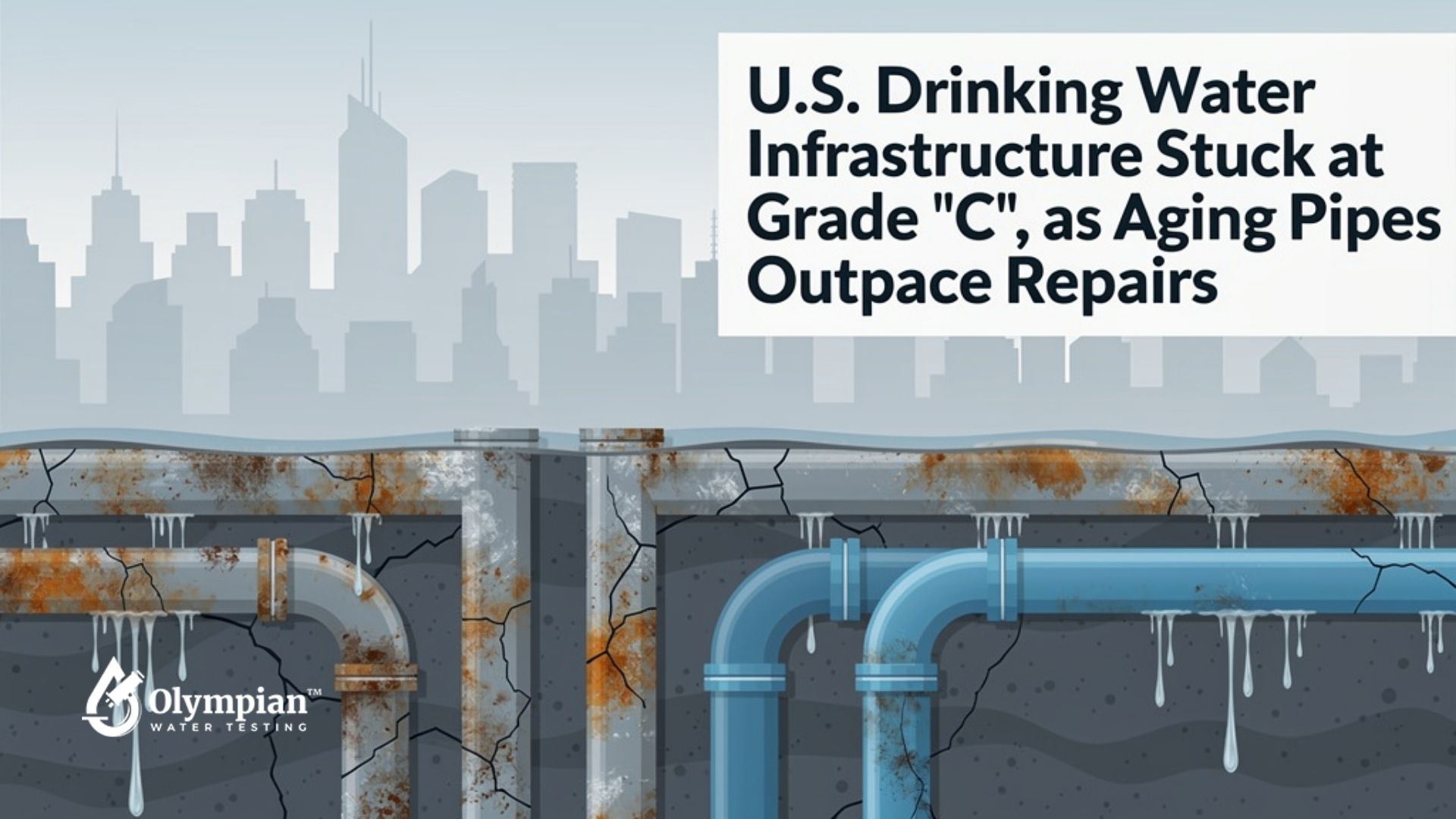
Lead corrosion occurs when protective coatings deteriorate, allowing metal particles to enter tap water. Local water infrastructure can exacerbate this issue if pH levels are not monitored or if corrosion inhibitors are applied unevenly. Each layer of pipe scale that breaks down increases toxicity risks for families reliant on municipal supplies.
Identifying Impacted Communities Across the United States
Urban areas with aging water systems are at a heightened risk of lead contamination. States like Illinois, Ohio, New York, New Jersey, and Wisconsin have identified more lead service lines in older neighborhoods. These communities often face challenges due to outdated infrastructure and limited access to safe water.
Environmental Justice concerns are heightened when Low-Income Communities and BIPOC Populations are disproportionately affected. Areas with fewer resources struggle with regular testing or updating pipes. This highlights the need to focus on cities with large numbers of untested service lines.

Specific regions within these states have a higher concentration of lead pipes, mainly in historic districts. Upgrading these systems requires careful planning and funding to tackle long-standing issues. Below is a table detailing several major cities with significant lead service line responsibilities.
| State | Major City | Estimated Lines |
|---|---|---|
| Illinois | Chicago | 400,000+ |
| Ohio | Cleveland | 200,000+ |
| New York | New York | 180,000+ |
| New Jersey | Newark | 100,000+ |
| Wisconsin | Milwaukee | 170,000+ |
Federal Funding and Support for Lead Pipe Replacement
Across the nation, communities seek vital resources for safe water upgrades. The EPA has allocated $2.6 billion in new Federal Funding. Half of this will go to disadvantaged neighborhoods to remove aging pipelines. This funding aims to expedite replacements for homes lacking modern infrastructure.

The Infrastructure Law supports faster lead removal, easing financial burdens on towns. States and local utilities receive guidance on accessing these programs. This helps them tackle the widespread issue of outdated lines that threaten health. Water authorities see hope in this renewed focus on protecting vulnerable households.
Infrastructure Investment and Jobs Act Highlights
The Bipartisan legislation injects substantial capital into water system upgrades. Municipalities and rural areas benefit from flexible allocations, reducing delays in lead service line replacement. This approach fosters innovation, builds trust in water safety, and prioritizes public health in policy decisions.
Grants and Loans for Local Governments
Many cities rely on Lead Service Line Grants to initiate replacement projects. Locally tailored loans provide additional support, ensuring small towns can afford necessary overhauls. This collaborative funding model is a significant step in protecting drinking water and revitalizing critical infrastructure nationwide.
Challenges Private and Public Sectors Face
Meeting the EPA’s ambitious timeline for removing lead service lines poses significant hurdles. Budget constraints and complex permitting requirements are major logistical challenges for municipalities and utility providers. The unpredictable nature of older systems demands creative solutions, which can slow progress and increase costs.
Private homeowners and community leaders must rely on strong public-private partnerships to finance and coordinate project steps. Infrastructure upgrades require well-trained crews, ongoing education campaigns, and timely collaboration among local water departments. Persistent outreach efforts keep residents informed, ensuring they understand their role in the process and feel confident about each stage of this wide-scale effort. Securing enough manpower remains a concern, requiring consistent training and hiring.

How Lead Service Lines Affect Public Health
Lead is a potent Neurotoxin Effects that disrupts many bodily processes. Even small amounts can pose significant risks, leading to serious health issues when ingested over time. This hidden danger is prevalent in older plumbing systems, affecting households nationwide.
Risks to Children and Vulnerable Populations
Children’s developing organs are highly sensitive to lead, which can harm Childhood Development. Expectant mothers and older adults are also at higher risk. Lead exposure can stunt cognitive and physical growth, putting extra strain on young and senior bodies.
Short-Term Symptoms and Long-Term Consequences
Initial symptoms may include fatigue and digestive problems. Long-term exposure can lead to heart disease and kidney dysfunction. Even minor exposure can undermine daily health and increase medical risks over time.

Importance of Regular Water Quality Testing
Regular water testing is essential to catch hidden contamination early. Families often use Water Testing Kits to ensure their water is safe. Early detection provides peace of mind and a plan for healthier living.
Proposed Timelines for Nationwide Removal
The Environmental Protection Agency has outlined a Decade-Long Plan to remove the last traces of lead from water lines across the country. The official 10-year schedule sets clear milestones for states and municipal authorities. It is backed by the possibility of intensified EPA Enforcement if progress stalls.

State utilities must meet new Compliance Deadlines for locating and replacing aged service lines. Water districts that fail to file timely progress reports face penalties under the final rule. Many communities are turning to filters or partial pipe upgrades during the transition. They aim to safeguard users before the full replacement is completed.
Federal guidelines place heavy emphasis on verified results at each phase in the schedule. The table below highlights a suggested timeline many local officials are adopting. Each stage outlines how soon documentation, replacement, and final checks should occur. Meeting these goals helps reduce lead exposure in every district nationwide.
| Year | Key Requirement |
| 1 | Document known lead lines |
| 5 | Complete partial replacements in high-risk zones |
| 10 | Achieve full removal of remaining lead lines |
Environmental Justice and Safe Water Access
Communities reliant on outdated water systems face significant health and security threats. In places like Michigan and Illinois, repeated lead pipe crises have highlighted deeper issues. These issues are linked to Environmental Racism, where Disadvantaged Communities are disproportionately affected by contamination risks.

Disproportionate Impact on Low-Income Areas
Households with limited financial means often lack the resources to upgrade their infrastructure. This lack of support can lead to long-term health issues that are hard to overcome. When local funding is insufficient, these communities are at higher risk of unsafe water conditions.
Community Advocacy Initiatives
Local leaders team up with Advocacy Groups, faith-based organizations, and nonprofits to push for policy improvements. These coalitions advocate for actions like educational campaigns and statewide testing. Their goal is to safeguard residents from lead exposure.
| State | Key Challenge | Leading Group |
| Michigan | Widespread Lead Pipe Crisis | Natural Resources Defense Council |
| Illinois | Outdated Infrastructure | Sierra Club |
Technological Innovations in Pipe Replacement
Communities are exploring new methods to enhance Pipe Replacement Technology and reduce costs. They are implementing pilot projects that employ advanced imaging and sensing technologies. These technologies minimize excavation, saving time and preserving the environment. Local authorities are teaming up with leading companies to achieve the nationwide replacement goals more efficiently.
Modern Plumbing Solutions are being integrated with data-driven tools to identify aging infrastructure early. Field teams use these tools to monitor pipe integrity, create detailed maps, and plan upgrades. This strategy significantly benefits municipalities facing budget constraints.
Noninvasive Detection Methods
Advanced scans and remote sensors are being used to detect lead components beneath sidewalks and roadways. Noninvasive Inspection techniques analyze water flow, temperature, and signal responses to uncover hidden damage. This approach allows teams to gather precise data and implement targeted solutions, keeping traffic flowing and neighborhoods peaceful.
| Technique | How It Works | Key Benefit |
| Acoustic Sensors (Honeywell) | Measure shifting sound patterns in pipe materials | Early detection of corrosion zones |
| Thermal Imaging (3M) | Captures heat signatures through surface scans | Accurate location of aging pipe sections |
| Electromagnetic Mapping | Identifies metal properties using signal pulses | Comprehensive insight without heavy digging |
Lead Service Lines: Key Steps Homeowners Can Take
Regular plumbing checks can significantly reduce lead exposure risks. Identifying older pipes is a critical step. This helps in preventing contamination and ensures safer drinking water.

Simple Safe Practices in the Home
Experts advise running tap water for a few minutes after it’s been idle. This practice flushes out stagnant water. Using certified Home Water Filters can also reduce lead content, provided they are used correctly. Look for NSF certification on labels for added assurance. Regular water quality tests provide further reassurance.
Working with Local Officials and Plumbers
Citizen Involvement is essential in tackling lead service lines in communities. Homeowners should contact local utilities to confirm the presence of older pipes. Professional plumbers can then inspect, fix, or replace these lines. Open communication is vital for protecting families and neighbors alike.
- Run cold tap water before use
- Install filters made for lead removal
- Coordinate routine service line checks
| Action | Benefit |
| Water Flushing | Removes possible buildup from pipes |
| Certified Filters | Decreases harmful contaminants in drinking water |
| Local Collaboration | Ensures accurate Pipe Identification and swift solutions |
The Path to a Safer Water Infrastructure
Lead removal is central to Public Health Protection. It marks a shift towards safer materials, aiming to lower contamination risks for families. The Biden-Harris Administration is pushing for stronger monitoring and incentives for local utilities. This effort is backed by timely research and community involvement.
Efforts towards Sustainable Infrastructure also highlight equity and wellness. Leaders are coming together to eliminate aging lead pipes. Policies and technology are evolving, leading to lasting improvements in neighborhoods across the country. For more on ensuring safe drinking water, click here. This proactive approach safeguards future generations, demonstrating the power of scientific progress and public support.