Why Newark’s Water Treatment Needed an Overhaul
City officials saw the need to safeguard public health growing. Newark’s pipes were corroded, and its technology was outdated, putting a strain on the water supply. Residents were worried about the long-term stability, pushing for quick action to fix the water treatment problems.
Common Water Quality Issues in Older Municipal Systems
Historic areas often deal with trace metal buildup, changing the taste and color of water. Worn-out pipes let pollutants into homes, raising health risks. Communities also face issues like inconsistent water pressure and discoloration, pointing to deeper water treatment problems.
Role of Aging Infrastructure in Newark’s Water Challenges
Aging water systems in Newark led to increased corrosion and hard repairs. The outdated equipment forced city engineers to just patch up issues instead of making lasting fixes. This highlighted the urgent need for a complete overhaul to protect Newark’s public health and restore trust in its water supply.
Lead: The Hidden Health Threat
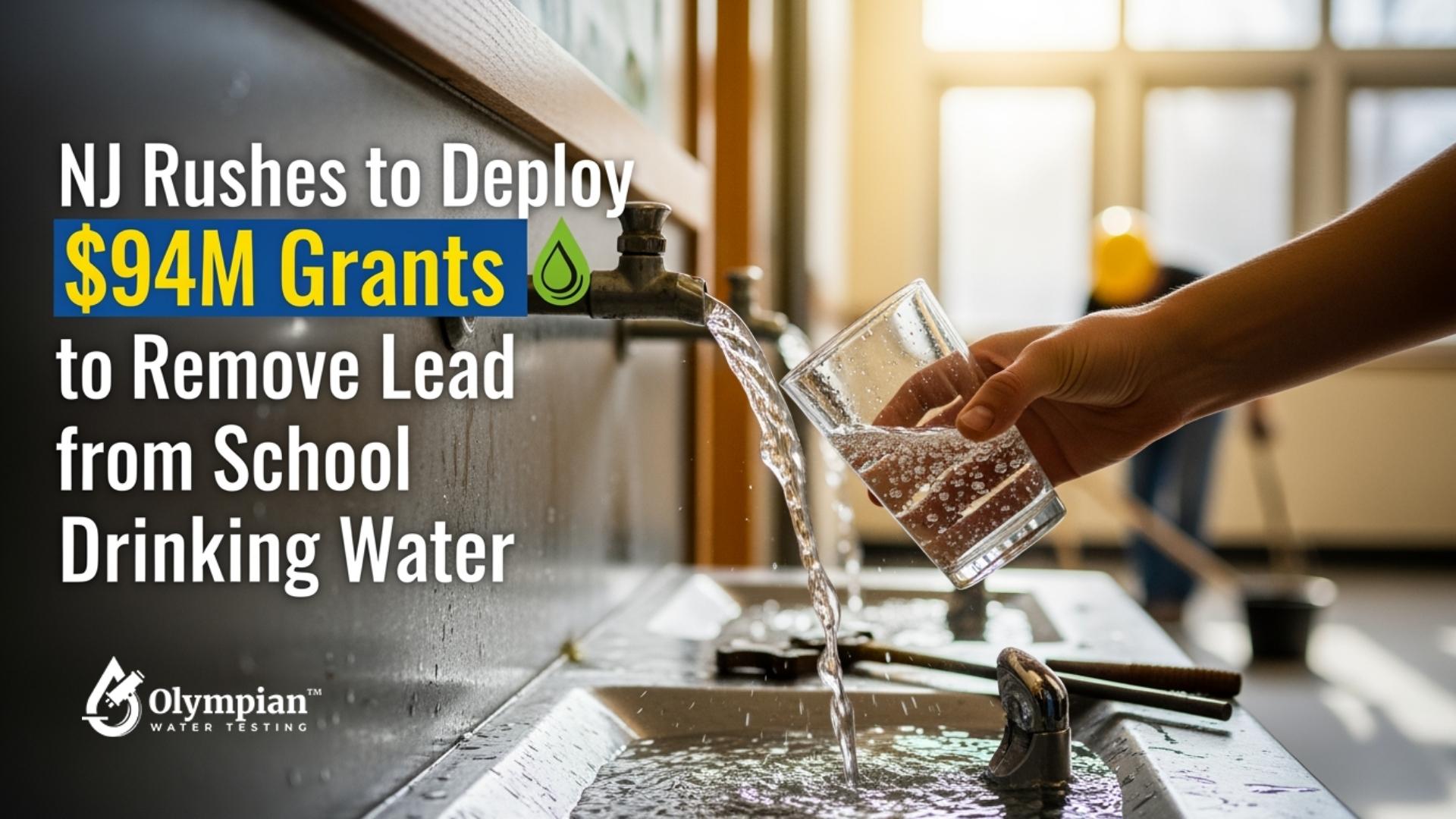
Lead can seep into household taps from old pipes, posing a serious risk. This danger often goes unnoticed until health issues arise, such as learning difficulties in children. The Centers for Disease Control and Prevention stresses that any level of lead can disrupt normal development.
Adults also face significant health risks from lead exposure. Elevated levels can damage the nervous system and affect reproductive health. Experts highlight the need for updating local infrastructure, as corroded plumbing can introduce dangerous particles into the public supply.
Drinking water safety becomes more urgent as communities realize how quickly contaminants can spread. New Jersey’s initiative shows the importance of preventive measures to avoid lead-related complications. Upgrades to reduce corrosion are critical to protect families and restore trust in modern water systems.
Key Features of the $20M Upgrade
New investments in Newark’s water facility usher in a new era, marked by advanced systems and safer drinking water. The focus was on enhanced performance and long-term reliability at every stage of the project.
Advanced Filtration Technology

The latest filters are designed to capture sediment and particles with unmatched precision, ensuring consistent purity. Some systems employ membranes that force water through ultra-fine layers, providing strong defense against harmful contaminants. This cutting-edge filtration boosts efficiency and extends the life of equipment.
Enhanced Corrosion Control Measures
Protecting pipes is essential for maintaining clean water distribution. Specialized coatings and chemical treatments are used to reduce metal leaching in older mains. The aim is to keep pH levels stable and drive water system modernization across the city’s network.
Feature | Key Benefit |
Advanced Filtration | Cleans water more effectively and lowers contamination risks |
Updated Corrosion Control | Supports a safer distribution system with fewer possible leaks |
Smart Monitoring Tools | Offers real-time data for quicker problem detection and response |
Impact on Newark’s Residents
Residents across Newark are seeing a significant change in water quality. The upgraded plant has led to a reduction in harmful substances, improving public health. Families now feel safer, with fewer hospital visits and increased confidence in the local infrastructure.
This transformation brings community benefits that extend beyond clean drinking water. Neighborhoods are filled with positive conversations, and schools are less worried about water quality issues. Local businesses are also seeing growth as trust between city officials and residents increases.
Resident satisfaction has reached a new high. The steady progress indicates a brighter future. This is thanks to open communication from local leaders and their commitment to ongoing maintenance.
- Reduced lead exposure for households
- Lower medical expenses linked to water-related illnesses
- Stronger confidence in municipal services
Key Impact | Outcome |
Cleaner Water Sources | Fewer contamination incidents |
Community Engagement | More active participation |
Economic Growth | Increased interest from new businesses |
Comparing Newark’s Strategy with Other Cities

Newark’s approach to water management is noteworthy, combining infrastructure enhancements with transparent communication. This strategy has garnered significant attention from other municipalities. It showcases the importance of a multi-faceted approach to urban water solutions.
Across the country, cities face similar challenges in maintaining clean water systems. Budget limitations and aging infrastructure are common hurdles. Yet, cities that adopt proactive strategies are making significant strides in water quality.
Case Study: Flint, Michigan
The Flint water crisis serves as a stark reminder of the danger of prioritizing cost over quality. The crisis exposed the consequences of inadequate oversight and cost-cutting measures. It has led to a reevaluation of testing protocols and communication strategies.
Lessons from Other Urban Centers
Many cities have made progress by investing in pipe upgrades, regular testing, and filtration systems. Seattle has streamlined its repair schedules, while Baltimore has established stable funds for maintenance. These efforts underscore the value of consistent oversight and public support in safeguarding water quality.
Location | Key Focus | Challenge | Result |
Newark | Lead Pipe Replacement | Funding Delays | Lower Lead Levels |
Flint | Emergency Sources | Regulatory Gaps | Nationwide Awareness |
Seattle | Pipe Upgrades | High Costs | Consistent Water Quality |
Baltimore | Proactive Testing | Public Doubt | Rising Confidence |
Water Safety Regulations and Compliance Standards
Newark adheres to strict guidelines to ensure its drinking water is safe. City officials strictly follow EPA guidelines for corrosion control and lead testing. They also recommend continuous monitoring to adapt to environmental changes.
Newark’s efforts meet the lead and copper rule standards, which require thorough testing of older pipes. Certified labs analyze contaminant levels and report back to local agencies. This process builds trust and demonstrates a strong commitment to regulatory compliance.
“Investing in advanced treatment systems positions communities for higher safety standards,” stated a spokesperson from the Environmental Protection Agency.
Local leaders urge residents to stay updated on water quality reports and the plant’s progress. The collaboration between engineers and state officials showcases a proactive approach. The focus remains on ensuring clean water for future generations.
Challenges Faced During the Project
Meeting Newark’s $20 million water plant upgrade required meticulous coordination and strategic planning. City officials overcame infrastructure funding hurdles by forming diverse partnerships. They also balanced local obligations related to health, education, and public safety. To address project financing challenges, they employed resourceful strategies to avoid delays or budget cuts.
Budget Constraints and Funding Sources

Planners explored grants, loans, and shared investments to build a strong foundation for the project. They combined state and federal aid with city reserves, ensuring both immediate and long-term financial stability. The success of the project depended on demonstrating wise spending and clear goals to the public.
Source | Contribution | Purpose |
City Budget | $8M | Modernization Expenses |
Federal Aid | $6M | Core Upgrades |
State Grants | $4M | Infrastructure Projects |
Partnerships | $2M | Targeted Initiatives |
Overcoming Community Skepticism
Building public trust was a key challenge. Officials engaged the community through open forums, online updates, and partnerships with local groups. These efforts helped shift the perception of the upgrade from a distant management issue to a shared victory. This collective effort bolstered confidence in Newark’s dedication to providing safe, reliable water.
How Infrastructure Improvements Affect Public Trust
Expanding water treatment capacity and modernizing equipment signal genuine progress. Neighborhoods perceive these upgrades as signs that their concerns are valued. Residents notice improvements in water quality and feel more secure when leaders show commitment to vital resources.
Transparency in Public Works
Clear communication channels strengthen bonds between officials and citizens. Local agencies host town halls, post online updates, and share project milestones through newsletters. These efforts enhance municipal transparency, fostering ongoing dialogue. Plans, financial details, and timelines become clearer when presented simply.
- Publish real-time water quality reports
- Provide straightforward explanations of ongoing projects
- Invite community members to ask questions at open forums
Building Confidence Through Results
Residents gain faith in leadership when they see verifiable outcomes. Decreased contaminant levels and consistent testing reports boost civic engagement. These improvements often prompt city officials to adopt more proactive methods.
Expanded monitoring programs, combined with public demonstrations of safety, create a stronger sense of security. This nurtures enduring connections between residents and their leaders.
Future Plans for Newark’s Water System
Newark is setting a proactive course to protect every home from water contamination. The city aims to implement long-term water solutions, tackling aging pipes and introducing new filtration techniques. Leaders plan to enhance infrastructure maintenance by replacing old pipes and conducting regular inspections.
Preventive measures will shape how resources are allocated and budgets are set. Public reports will ensure transparency on investments in new technologies. This will help residents understand each step of innovation. The strategy includes:
- Coordinated pipe restructuring in critical districts
- Regular water quality testing for early detection
- Ongoing research into sustainable and cost-effective upgrades
Planners envision this approach as a way to prepare Newark for future growth and safeguard essential services. It’s a long-term commitment to ensure a clean, reliable water supply for generations ahead.
Understanding the Timeline of the Lead Crisis

In Newark, the lead crisis history began with early warnings and extensive monitoring. Residents first noticed tap water discoloration, leading to tests that uncovered a hidden threat in older plumbing. Abandoned pipelines and outdated fixtures significantly contributed to the contamination.
Community advocates sounded the alarm when children tested positive for higher lead levels. Experts pointed to national cases where pipe inflammation caused serious contamination timeline issues. This led to city agencies auditing water sources and forming a task force to tackle hazardous sites.
Early Signs of Contamination
Initial warning signs emerged from routine sampling, linking lead exposure to aging service lines. Community workshops offered resources on testing and health screenings, highlighting the need for ongoing vigilance.
Milestones in Policy Response
State lawmakers introduced public policy milestones to improve testing and speed up pipe replacements. These efforts led to new municipal guidelines for frequent sampling in high-risk areas. Key achievements included expanded filter distribution and closer EPA coordination.
- Passage of emergency funding for infrastructure overhaul
- Deployment of local teams to expedite pipeline upgrades
Year | Action | Outcome |
2016 | Initial alarm | Highlighted lead anomalies in tap water |
2018 | Revised ordinances | Accelerated replacement of outdated lines |
Turning the Page on Newark’s Water Crisis: Moving Forward
Newark’s $20M upgrade marks a significant leap toward a sustainable water future. Residents now enjoy cleaner tap water, boosting public confidence in local services. The city’s focus on modern systems aims to minimize contamination risks. Leaders are committed to rebuilding trust by being transparent and involving communities in water-quality assessments.
A recent development highlights Newark’s proactive stance against future threats. Officials collaborate with health experts and engineers to ensure long-term pipe protection. Their efforts send a clear message: this crisis will not be repeated. Residents are hopeful, seeing improvements firsthand. The city’s dedication to collaboration between community groups, experts, and officials sets a precedent for a healthier future.