Superfund Cleanup: A Brief Historical Overview
In the 1970s, public concern about environmental issues led to major policy shifts. Congress passed key laws to tackle chemical hazards, compelling companies to address toxic sites. This effort marked the beginning of a movement aimed at identifying risks and safeguarding communities.
The U.S. Environmental Protection Agency launched pilot programs in the 1990s. These initiatives targeted hazardous sites while aiming to revitalize local economies. The establishment of the CERCLA in later years provided a framework for national cleanup efforts. Early experiences taught the importance of a structured approach to contamination cleanup.
Utilities gleaned valuable strategies from initial responses to leaks and spills. This knowledge fostered safer waste disposal and a deeper commitment to environmental care. Officials soon realized that preventing new contamination was key to avoiding costly legal battles and boosting public trust.
Year | Event | Outcome |
1976 | Resource Conservation and Recovery Act (RCRA) | Laid groundwork for waste management |
1980 | CERCLA Enacted | Established federal authority for site cleanup |
1990s | EPA Pilot Programs | Focused on contamination cleanup in critical areas |
Addressing Contamination in Historic Industrial Areas
Historic industrial centers face significant challenges due to their past. Pollutants often linger in soil and groundwater, hindering reuse efforts and raising health concerns. Communities are seeking innovative solutions to revitalize these sites and protect their health.
Patterns of Contaminated Groundwater

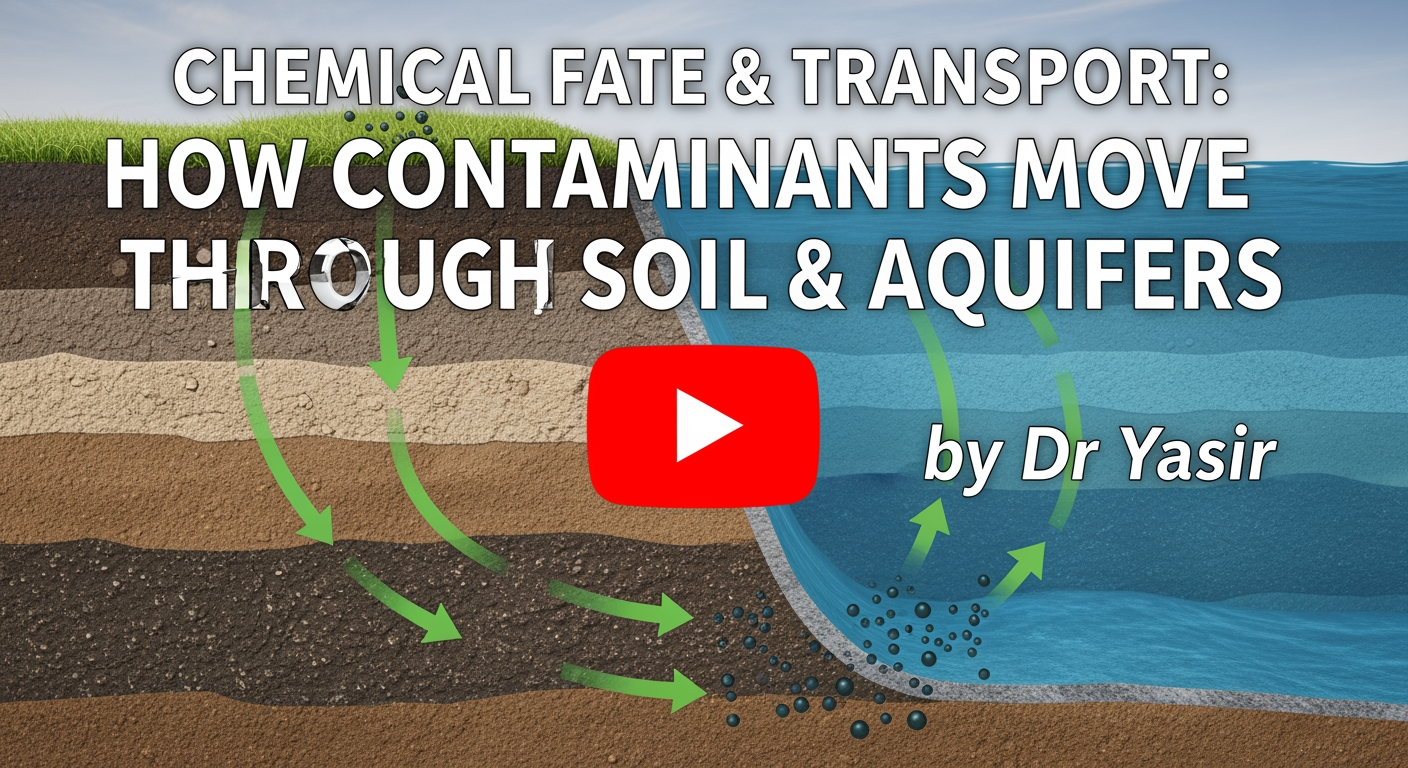
Groundwater assessments show how chemicals can spread across property lines, affecting blocks. Remediation efforts aim to find hidden pollutants, test soil, and plan for long-term cleanup. Brownfield redevelopment brings together state agencies and investors to address these hazards and make areas usable again.
Long-Term Effects on Nearby Communities
Legacy contamination impacts property values and local economies. Residents worry about health risks and falling property prices. Cleanup projects can improve water quality, revitalize neighborhoods, and strengthen business-community relationships.
Common Pollutant | Primary Source | Potential Impact |
Heavy Metals | Metal Finishing | Soil & Water Toxicity |
Solvents | Machinery Cleaning | Groundwater Degradation |
Key Legislation and the Emergence of the Superfund Program
Federal officials recognized the urgent need to safeguard public health through laws addressing contamination. This focus led to a shift in how agencies identified and acted on serious environmental threats.

CERCLA and Its Role
Congress passed the Comprehensive Environmental Response, Compensation, and Liability Act (CERCLA). It granted the Environmental Protection Agency the power to target sites posing the greatest risk. This approach reinforced strict liability rules and set forth mechanisms for long-term remediation.
Early Challenges and Successes
Legal disputes over responsibility and funding created hurdles. Yet, landmark cleanups showed that consistent oversight and clear guidelines can reshape national policy. These early breakthroughs guided future strategies for utility infrastructure upgrades, ensuring improvement projects prioritize safer waste handling. The momentum sparked by these efforts continues to shape best practices, keeping public safety at the forefront of planning and accountability.
Why Legacy Sites Remain a Concern Today
Legacy industrial zones pose hidden dangers. Some polluted areas, though not meeting Superfund thresholds, can strain local budgets and ecosystems. Testimony reveals that even sites with lower contamination levels can cause health issues or property value loss without oversight.
Stricter environmental legislation demands frequent testing and mitigation. Property owners, developers, and public agencies face increasing responsibilities. Utilities must prepare for added inspections of infrastructure near compromised locations. Neglect could result in costly penalties and ongoing threats to nearby neighborhoods.
Proactive action often involves soil sampling, groundwater analysis, or structural improvements. These steps help detect warning signs before deterioration escalates. Professionals suggest consistent reviews of past reports and updated risk assessments to adapt to shifting land-use needs. Marking these sites as priorities may protect broader communities for generations.
Public support remains critical when new environmental legislation is proposed. More voices advocating for contamination control can spark meaningful reforms among industries near delicate areas.
Assessing the Scope of Utility Infrastructure Risks
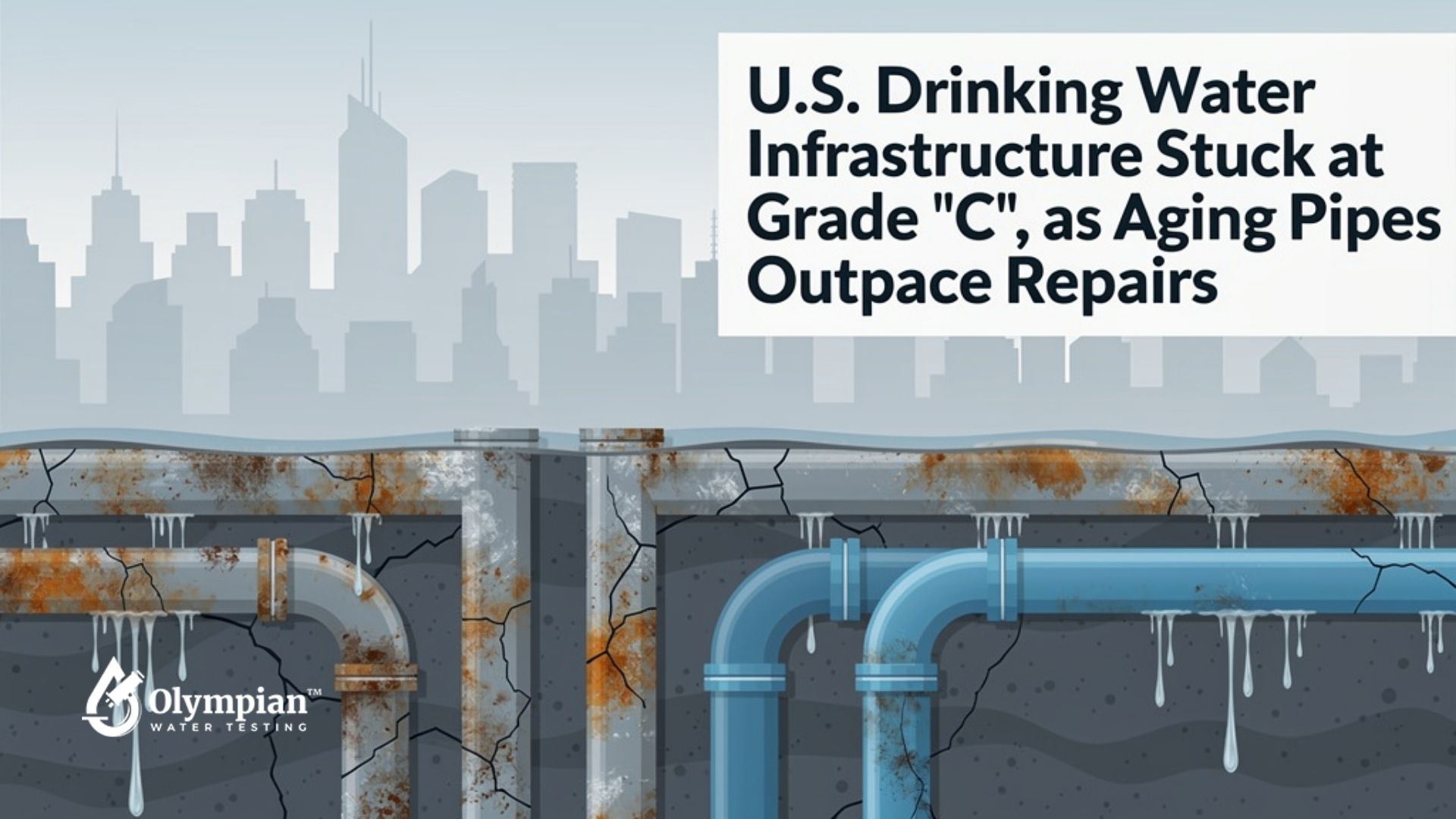
Brownfield assessments often reveal corroded pipelines and hidden structural flaws, posing serious threats to public resources. Aging components can fail without warning, exposing local water supplies to contamination. Utility providers rely on groundwater monitoring to detect if pollutants spread beyond the immediate site.
Upgrading old facilities involves detailed inspections and plans to protect vital ecosystems. Preventive steps minimize the risk to both urban centers and rural communities. Corroded segments need swift attention, as even small leaks can weaken entire systems.

Aging Pipelines and Possible Hazards
Pipelines laid decades ago endure natural wear that undermines their reliability. Weak seals add to the dangers when liquids or gases pass through at high pressure. Teams often discover further complications while removing debris or replacing outdated materials.
Impact on Energy Transmission
Historic pipeline designs struggle with modern demands. Emerging power generation methods stress networks that were never built for current volumes. To safeguard communities, energy companies track structural integrity alongside groundwater monitoring strategies. This approach reduces the likelihood of sudden disruptions and improves overall stability.
Key Risk | Potential Impact | Suggested Measures |
Corroded Metal Joints | Pressure Loss & System Failures | Routine Inspections & Protective Coatings |
Leaking Pipelines | Environmental Contamination | Rapid Sealing & Continuous Groundwater Monitoring |
Outdated Materials | Higher Maintenance Costs | Upgraded Infrastructure & Modern Equipment |
Modern Remediation Techniques Influenced by Superfund Projects
Collaborations under Brownfields programs and Superfund plans have led to significant advancements in site restoration. Scientists and engineers leverage years of research to minimize contamination while fostering community engagement. They refine traditional methods to combat persistent pollutants and safeguard local resources.
Innovative Soil Removal Methods

Precision excavation tools focus on affected areas with minimal disruption. Techniques like soil vapor extraction and in-situ chemical treatments neutralize toxins beneath the surface. These methods are shaped by early cleanup actions, saving time and reducing risks to workers and residents.
Technology-Driven Water Purification
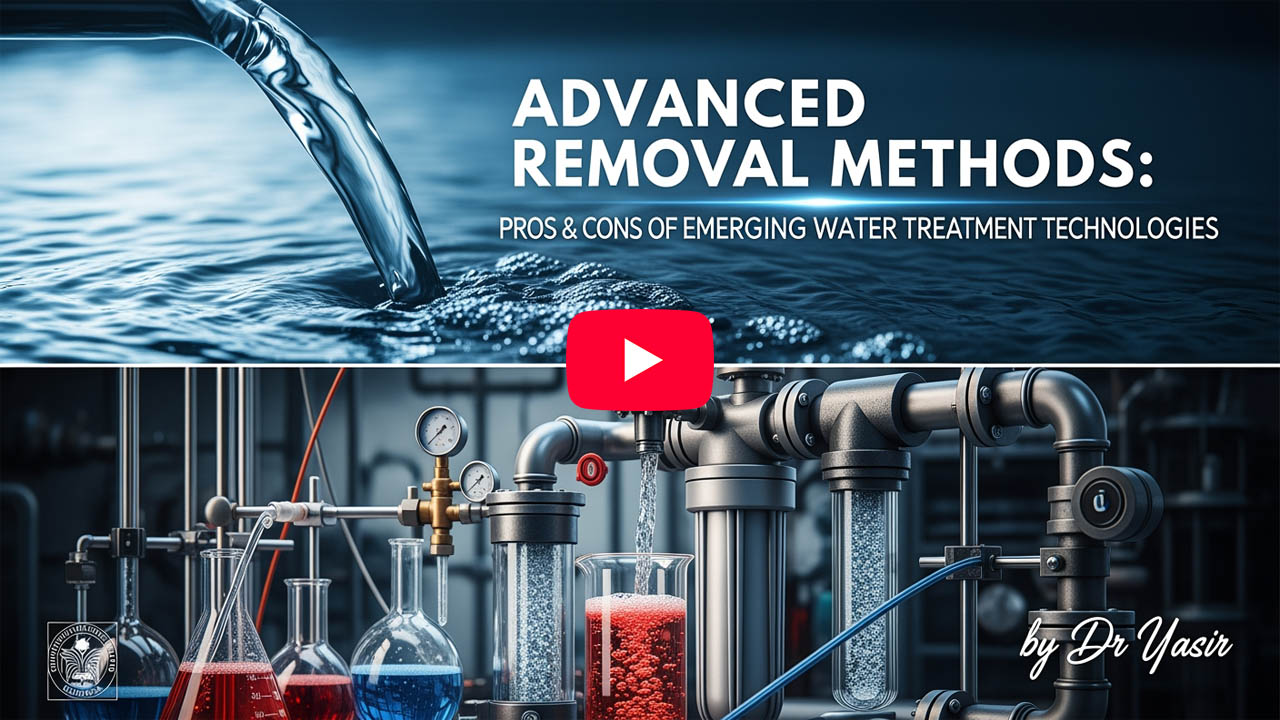
Advanced processes, including membrane filtration, ultraviolet treatment, and oxidation solutions, purify water supplies. Public agencies like the EPA work with private firms, sharing data to address contamination threats. This collaboration builds trust and ensures safer drinking water for countless households.
Community Engagement and Public Awareness
In many regions, community engagement plays a significant role in how residents respond to contamination threats. Utility companies engage local officials to share data, voice questions, and shape environmental projects. This empowers households to stay informed about hazards. Public gatherings foster trust, as officials clarify testing and treatment timelines.
Effective communication is key. Local governments and advocacy groups build strong connections by delivering updates on contamination levels. Sharing progress reports fosters collaboration and minimizes fear. Town halls encourage open discussion, while neighborhood surveys capture real concerns. Public health concerns remain a priority, guiding policy changes that reflect each community’s unique needs.

Engagement strategies are vital for building confidence in remediation plans. Utility providers often host educational workshops, allowing neighbors to understand ongoing investigations and share experiences. This dialogue builds momentum for collaborative improvements that can safeguard environmental quality long into the future.
Engagement Activity | Primary Benefit |
Town Halls | Open dialogue and real-time feedback |
Public Workshops | Hands-on learning and shared experiences |
Social Media Platforms | Immediate updates across diverse audiences |
Transparent Data Reports | Sustained credibility through factual information |
Financial Implications for Utility Companies
Utility providers face significant expenses when dealing with older industrial sites. Costs can balloon into billions, driven by stringent regulatory demands for thorough cleanup. Public records highlight the importance of effective funding strategies to prevent unexpected expenses. Contamination issues necessitate meticulous planning and strict oversight.
Budget Allocations for Cleanup

Companies often reserve specific funds for addressing soil and water contamination at targeted facilities. Environmental impact assessments guide the allocation of resources, preventing costs from escalating into emergencies. A structured approach may include:
- Regular site evaluations and lab tests
- Contingency plans for unanticipated remediation needs
- Transparency with shareholders regarding project timelines
“Historic records show that utility firms can face billions in restoration expenses,” noted a study reviewed by the Environmental Protection Agency (EPA).
Insurance and Liability Considerations
Insurance coverage helps alleviate financial burdens on operating budgets. Reliable policies and thorough documentation reduce disputes related to industrial sites. Liability is often tied to the extent of past contamination. Maintaining detailed site records and consistent communication with state agencies strengthens utilities’ financial standing.
Federal and State Agencies’ Collaborative Efforts
The Brownfields Act, passed unanimously, highlights the power of teamwork between Washington and local governments. It aims to reduce hazards in contaminated areas. Agencies like the Environmental Protection Agency collaborate with state programs to tackle pollution. They share knowledge, ensuring guidelines meet public needs and setting uniform standards for site evaluation and project outcomes.
Joint funding and resource sharing are key to these partnerships. States get access to specialized data, while federal bodies gain regional insights. This collective effort ensures consistent oversight, promoting open communication and timely solutions. In many communities, remediation techniques become the standard for environmental stewardship. Leaders who adopt these practices pave the way for safer neighborhoods, stronger infrastructure, and clearer strategies for future projects. This network of support fosters accountability and provides a blueprint for sustainable progress nationwide.

Monitoring Contamination Levels Over Time
Regular evaluations keep communities informed about environmental risks. These assessments show changes in groundwater flow or pollutant movement, impacting health. Monitoring provides a clear view of site conditions, indicating when safety measures must be updated.
Experts rely on research data to improve testing methods and track contamination trends. Continuous sampling is essential for detecting gradual changes in soil or groundwater quality. Real-time data logging shortens response times and minimizes risks.
Soil Testing Protocols
Soil tests start with precise mapping of collection points. Detailed labeling and documentation ensure each sample accurately reflects toxin levels. Experts focus on areas near old industrial sites to uncover hidden risks.
"Regular testing is key to preventing overlooked risks," stated an EPA spokesperson.
Groundwater Monitoring Best Practices
Dedicated wells track subtle changes in aquifer health. These wells detect slight chemical changes that could indicate contamination. Parameters like pH and dissolved oxygen help spot issues early.
- Locate monitoring wells at strategic depths.
- Track variations with digital sensors.
- Share findings with local authorities.
Method | Advantages | Ideal Frequency |
Soil Sampling | Identifies toxin hotspots | Quarterly checks |
Groundwater Sampling | Early detection of chemical flows | Monthly or after heavy rainfall |
Case Study: Learning from a Prominent Superfund Success
One major site once faced alarming levels of contamination, threatening ecosystems and health. Successful remediation requires collaboration, clear legislative frameworks, and local buy-in. This success story shows how thorough evaluations and clear goals can restore damaged land and boost confidence.
Ongoing oversight at this location set a blueprint for agencies to protect communities. Thoughtful planning led to technology-driven monitoring and flexible funding. This empowered teams to adapt to new concerns as they arose.
Key Takeaways for Modern Utilities
Utilities can learn a lot by examining each phase of the cleanup process. Some key points include:
- Invest in technology that identifies early-stage contamination
- Engage stakeholders early to secure long-term support
- Adopt funding options that adjust to evolving site needs
Models for Future Cleanup Projects
Strategic alliances and transparent dialogue are key for modern remediation. The outcomes at this site show how economic growth and environmental stewardship can coexist. Tested approaches guide these efforts.
Strategy | Benefit | Implementation |
Comprehensive Site Surveys | Accurate Risk Profiling | Early Planning Stages |
Technology-Focused Assessments | Improved Monitoring Accuracy | Regular Equipment Updates |
Community Outreach Programs | Increased Public Trust | Ongoing Communication |
Balancing Economic Growth with Environmental Responsibility
Brownfields redevelopment has sparked job creation and stronger infrastructure in areas once seen as stagnant. Communities witness revived local economies when previously barren properties gain new life. This momentum encourages expanded opportunities for people living near older industrial zones.
Utilities face both promise and pressure when advancing projects on remediated land. Large-scale expansions can lift more residents into stable careers while drawing attention to possible contamination risks. Meeting environmental standards strengthens public trust and reduces legal pitfalls, benefiting companies and end-users alike.
Key partnerships often spur progress. Local governments, commercial developers, and resource owners align efforts to fulfill economic goals without ignoring ecological duties. Investment in modern safeguards and vigilant monitoring keeps operations efficient yet protective of natural habitats. In turn, these practices create a balanced approach that fosters responsible growth.
- Boosts in local labor forces
- Enhanced infrastructure planning
- Reduced contamination through targeted cleanup
Initiative | Main Benefit | Long-Term Effect |
Brownfield Upgrades | Increased Jobs | Sustained Community Growth |
Rigorous Site Monitoring | Minimized Contamination | Higher Public Confidence |
Public Health Concerns and Preventive Measures
Public awareness of health risks from older industrial sites is high. The Centers for Disease Control and Prevention has collected evidence of illness patterns in contaminated areas. Neighborhoods show higher cancer rates and respiratory problems.

Preventive efforts focus on safe redevelopment and strict land-use planning. Engineers use modern designs to minimize runoff and protect utility lines. Medical experts push for regular screenings to detect health issues early. Risk assessments guide future building codes, safeguarding residents from ongoing dangers.
Long-Term Health Impact Studies
Researchers work with national institutes to monitor illness trends over decades. They’ve found patterns in liver, lung, and skin diseases. Even minor birth defects have been linked to prolonged exposure.
Role of Local Health Agencies
County health departments team up with local clinics for community testing. Volunteers distribute educational materials, and residents get free screenings for chronic diseases. This collaboration between utility planners and public health leaders aims to create cleaner environments.
Emerging Trends in Contamination Detection
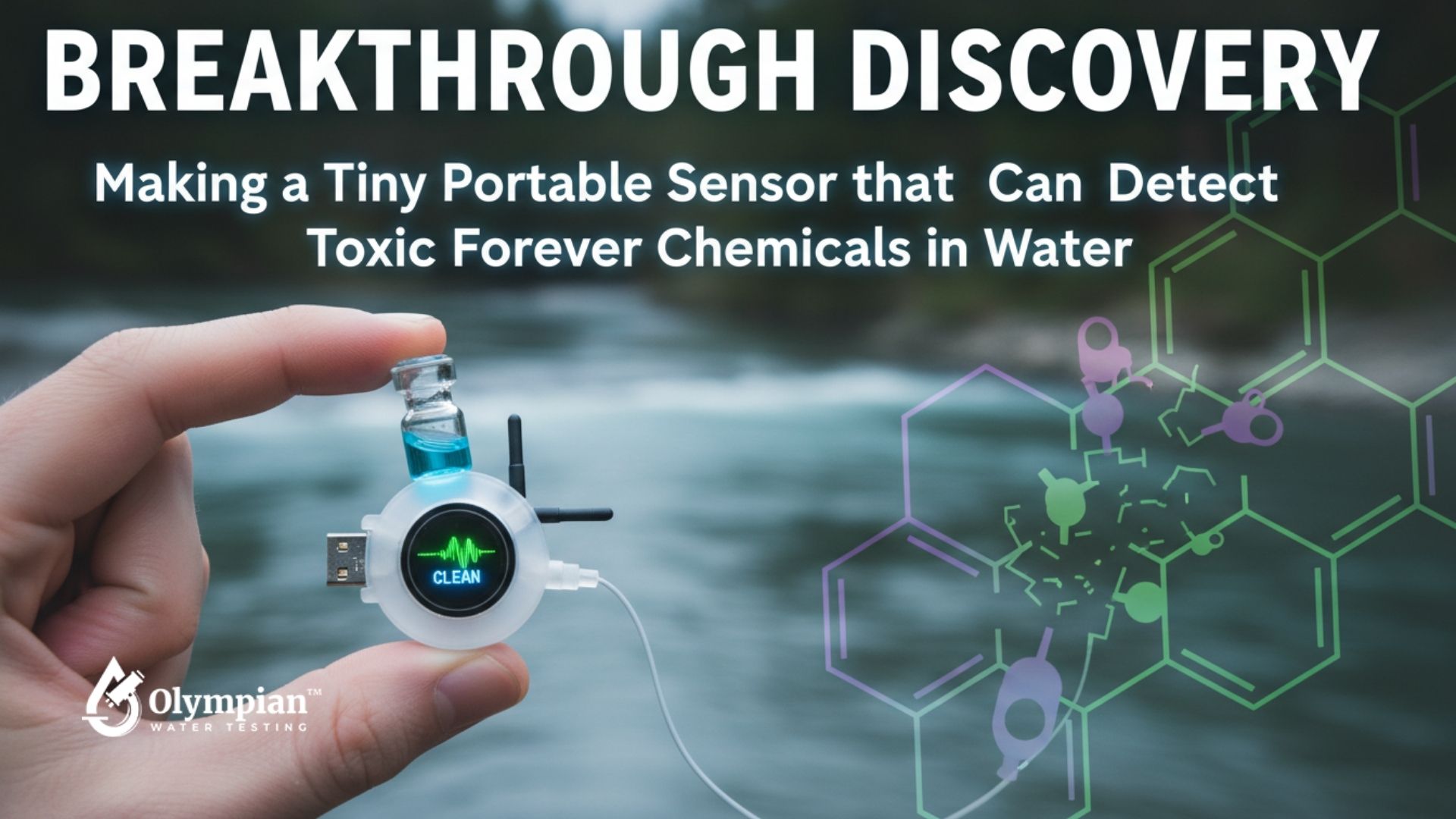
New devices and digital platforms are revolutionizing how we track pollutants in water and soil. Drones with infrared cameras are now used to collect data from hard-to-reach areas. This allows experts to monitor contamination across diverse landscapes efficiently.
Real-time sensors are a significant advancement in environmental protection. They alert teams instantly when contamination levels increase. This quick response helps communities avoid prolonged exposure to harmful substances. The Environmental Protection Agency (EPA) collaborates with research labs to enhance aerial imaging, mapping, and data sharing.
- Drone-based imaging uncovers hidden pollution hotspots.
- Real-time sensors keep field teams informed around the clock.
- Advanced modeling tools predict movement in underground plumes.
These advancements lead to quicker detection and stronger safeguards for vulnerable communities. By leveraging technology effectively, we can reduce cleanup costs and safeguard public health proactively.
Looking Ahead: Policy Shifts and Utility Preparedness
Faster permit approvals and broader brownfield designations are becoming more common. This change opens doors for utility companies to improve project efficiency. Yet, they must remain vigilant about contamination risks.
Anticipated Regulatory Changes
Lawmakers are exploring ways to categorize more sites to boost economic growth and health safety. Utility leaders are closely watching these changes, as stricter emission standards might be on the horizon. This scenario prompts a proactive stance and a culture of quick action when contamination is detected.
Best Practices for Utility Compliance
Companies that embrace innovative strategies are best positioned for future changes. Preparation involves:
- Regular checks on equipment and land
- Keeping detailed records on site conditions and risks
- Building strong partnerships with government agencies
These actions enable utilities to adapt smoothly to policy shifts. By focusing on innovation, the industry can protect its infrastructure and uphold service quality. The future demands flexible strategies that can handle changing regulations and contamination challenges effectively.
Paving the Way for a Cleaner Future
The push to modernize America’s infrastructure shows how new cleanup strategies can boost the economy. Superfund projects offer valuable lessons for energy providers and government agencies. They are now rethinking how to rehabilitate sites, protecting local communities from pollution.
By adopting forward-thinking policies and new tools, remediation efforts are becoming more effective. This combination of community outreach and technological advancements transforms blighted areas into productive spaces. It marks a shift towards prioritizing public health, water quality, and environmental safety.
Collaborative planning among federal, state, and private sectors is key to achieving cleaner lands and waterways. Utilities that adopt best practices become more resilient in managing contamination risks. With a shared commitment and ongoing oversight, the nation is poised to transform former industrial zones into sustainable centers.