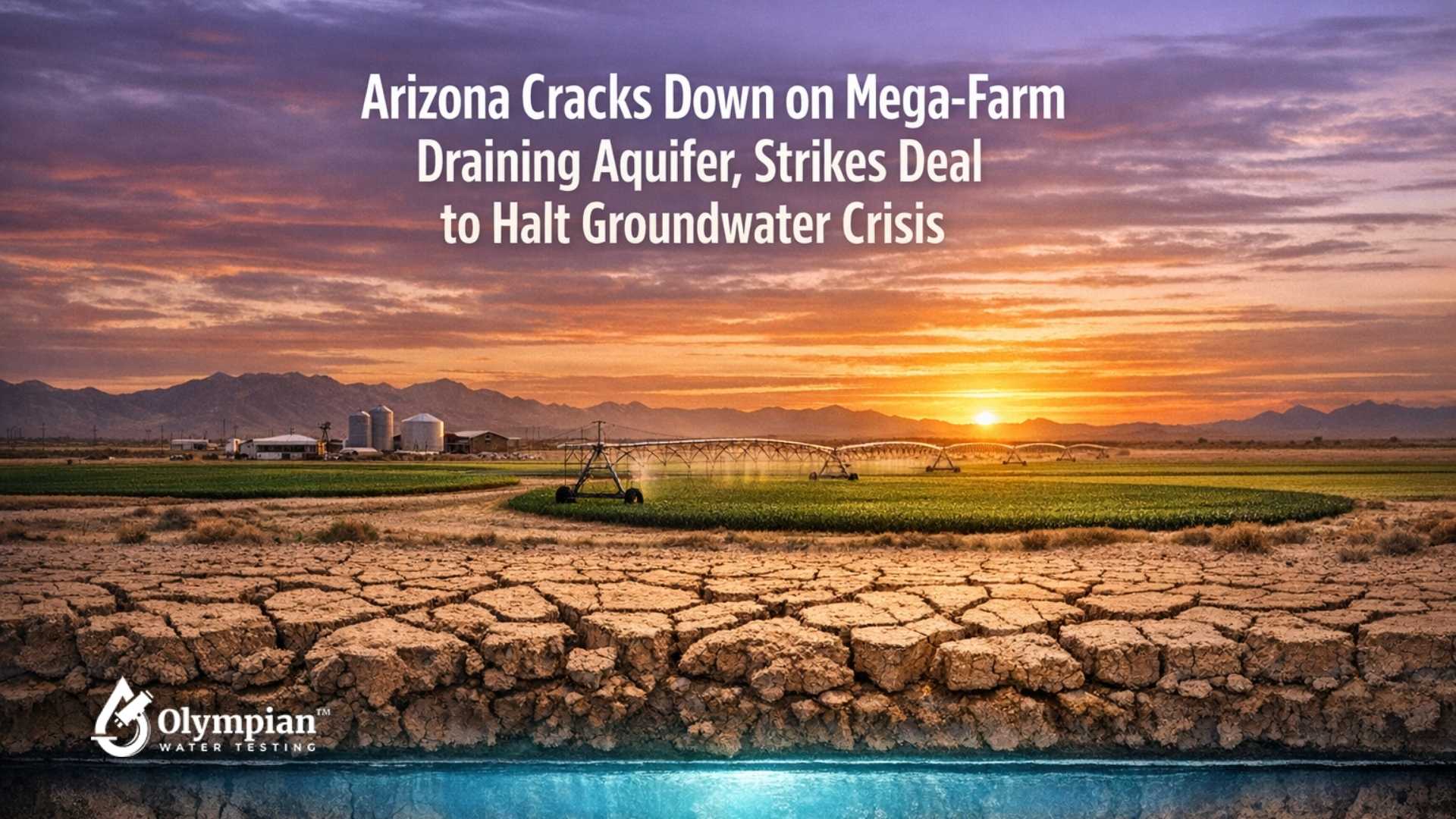
Understanding Arizona’s Water Management Challenges
US Water News highlights the struggle to find common ground among southwestern states. Arizona’s leaders are under immense pressure to manage limited water resources, given the region’s rapid growth. City planners are tasked with balancing local needs, while environmental groups sound the alarm about the delicate state of water across various communities.
Historic Approaches to Water Rights
Historical laws, such as the "first in time, first in right" rule, have long governed water allocation. This approach, while initially fair, has become outdated. It overlooks the needs of newer communities and the critical role of groundwater for farming and domestic use. This has ignited debates over fairness and the need for stronger legal safeguards.
Impact of Expanding Urban Populations
Phoenix and Tucson, among other cities, are expanding rapidly, straining their water supplies. They rely heavily on rivers and large reservoirs to support their growing populations. The increasing demand for groundwater is causing concern, leading to discussions on the importance of water partnerships. These partnerships aim to ensure the long-term sustainability of both urban and rural areas.
Why Groundwater Matters in Arizona

Southwestern states are reevaluating water allocations as supplies face mounting pressure. This highlights a delicate balance that many communities strive to protect. Groundwater provides a steady source of hydration when surface reservoirs fall short, supplying neighborhoods, wildlife, and economic activities with greater reliability.
This resource plays a key role in sustaining farmland. It fuels irrigation for crops, contributing to sustainable agriculture when rivers recede. Groundwater wards off land subsidence that can damage roads and homes, ensuring that local infrastructure remains stable. Certain habitats also depend on these underground reserves to flourish, keeping Arizona’s ecological treasures vibrant.
Some local leaders see a direct link between planning for future growth and preserving this hidden reserve. Initiatives that support sustainable agriculture and responsible water usage reflect a growing awareness that conservation extends well beyond farming. Aquifers serve multiple interests, bridging urban, suburban, and rural needs.
- Drinking water for households
- Year-round irrigation for crops
- Prevention of land subsidence
Aquifer Benefit | Notable Outcome |
Consistent Water Supply | Stabilizes communities during droughts |
Ecological Support | Helps preserve habitats and wildlife |
Economic Resilience | Enables growth in farming and related sectors |
Mega-Farms and the Threat of Aquifer Depletion
Industrial-scale operations require vast amounts of water to achieve high yields. Reports suggest Arizona’s efforts to improve water oversight are sometimes reflected in US policy updates. This reflects the tension between corporate growers and the need for sustainable water use. Groundwater faces a significant risk when pumping exceeds natural replenishment.
Implementing regulations for these large-scale farms is essential for long-term groundwater preservation. Some experts believe that mega-farm regulations could help stabilize well levels. This would ensure the continued production of vital crops.
How Large-Scale Agriculture Lowers Water Tables
Intensive irrigation leads to aquifer depletion at a rate exceeding natural replenishment. This situation puts communities and smaller farms at risk of water shortages. Surface water reserves often fail to compensate for the heavy withdrawals from underground sources.
Socioeconomic Effects on Rural Communities

Remote households often depend on wells for their daily needs. If these wells dry up or become too costly to maintain, families face hard decisions. Some opt for more efficient systems, but the cost of modern infrastructure can be prohibitive.
Key Concerns:
Issue | Outcome |
Overdrawn Aquifers | Dropping well production |
Economic Pressures | Rising costs for smaller growers |
Stressed Communities | Limited water for daily needs |
Arizona’s Legal Framework for Water Use
Arizona has developed a set of regulations to balance historical water claims with the growing population. The Groundwater Management Act is a key milestone in managing excessive pumping and enforcing strict well operation oversight. The challenge of reconciling old water rights with current demands is complex, as seen in southwestern states.
Many farmers own water rights granted years ago. Updating these rights requires careful negotiations, which may involve compensation or trade-offs. The legal framework is evolving, with stakeholders seeking to protect groundwater while respecting existing property rights. Rules on well registration and usage limits aim to prevent over-extraction.
Public officials aim for greater transparency in water rights, guided by agencies like the Arizona Department of Water Resources. Improving the original laws is essential to address today’s challenges. This effort encourages innovative solutions to preserve aquifers for both urban and agricultural needs.
Legislation | Key Focus |
Groundwater Management Act | Requires regulated pumping, sets conservation goals |
Surface Water Code | Establishes priority for older water rights claims |
The State’s New Deal to Curb Groundwater Overuse
Arizona’s legislature is crafting a plan to tackle pressing water issues highlighted by US Water News. They stress the importance of conserving every resource, including aquifers, for long-term water protection. This includes setting limits on large-scale withdrawals and tracking usage closely.
Key Players Shaping the Agreement

State agencies, environmental groups, local districts, and farming interests are working together. Each brings their own perspective to stabilize groundwater levels for future generations. The Riverview settlement serves as a model for collaborative water management solutions.
- State-level mandates on pumping limits
- Financial incentives for water-saving techniques
- Transparent reporting of well operations
Strategies for Protecting Aquifer Levels
Managed recharge basins and deeper accountability are key. Leaders believe new guidelines enhance conservation efforts with stricter oversight and innovative tools. Local districts are adopting technology to document withdrawals and promote responsible use.
- Real-time well monitoring
- Public awareness campaigns
- Aquifer replenishment targets
This effort demonstrates a unified commitment to protecting Arizona’s water supply. It showcases a broad dedication to groundwater stability, uniting stakeholders behind practical methods. Arizona is poised to secure its vital aquifers for future generations through balanced policies.
Role of Local Communities in Water Conservation
In many rural areas, local initiatives are leading the way in groundwater preservation. Residents come together, sharing knowledge on drip irrigation and recycling. This collective effort fosters a culture of stewardship, promoting water-saving habits in every home.
Recent data from US Water News highlights the formation of steering committees by local boards. These committees involve farmers, business owners, and residents in discussions about water usage. This collaborative approach builds trust and guides rural communities towards a more sustainable future.
Public Engagement and Sustainable Practices

Public forums and volunteer initiatives provide a space for neighbors to exchange tips on water conservation. Participants learn about rainwater harvesting and water-efficient landscaping. These practical steps empower communities, turning groundwater preservation into a collective endeavor.
Collaborations with Regional Water Boards
Grassroots efforts are bolstered by partnerships with regional water agencies. These agencies offer guidance on well testing and early depletion detection. Their support enhances community preparedness and bolsters sustainable development plans. Through these alliances, communities vigilantly monitor aquifer levels, ensuring groundwater protection for generations to come.
Balancing Agricultural Production and Aquifer Preservation
National shortages of freshwater highlight the critical need to maintain essential crops without jeopardizing groundwater. Producers adopt sustainable agriculture techniques to sustain yields while minimizing water extraction. Cotton and specialty crops are vital for regional and national economies, yet their irrigation demands often exceed natural recharge.
Many growers implement strategies to protect the aquifer and maintain farm profitability. Some examples include:
- Drip irrigation systems that target roots effectively
- Drought-resistant crop varieties for drier climates
- Shifting to less water-intensive crops during peak dry spells
Research institutions work with local producers to refine these approaches and preserve farmland for the future. By reverse engineering modern water-saving methods, consistent harvests can be achieved without depleting groundwater. Stakeholders agree that aligning agricultural goals with aquifer protection leads to lasting results and promotes sustainable agriculture across the region.
Stronger Regulatory Enforcement and Monitoring Efforts
The U.S. Environmental Protection Agency (EPA) has been discussing changes in clean water regulations. This highlights a fine line between federal authority and local compliance. Arizona has introduced strict rules for groundwater withdrawals. Officials can now inspect wells and collect metering data.
This method ensures accurate tracking of water usage and prevents misuse. Those who repeatedly break the rules face penalties. On the other hand, grants encourage landowners to adopt better conservation practices. Federal support is essential, providing technology and research to back Arizona’s water policy reforms. Local agencies follow a structured approach: measure, respond, and enforce.
“We remain committed to finding fair solutions,” said an EPA spokesperson, “while safeguarding core water supplies for future generations.”
Leaders aim to unite different stakeholders to strengthen the region’s resilience. These efforts reflect a broader duty to protect vital ecosystems and maintain public trust. Through strict regulation and continuous monitoring, we can achieve long-term stability and balanced growth.
Potential Shifts in Long-Term Water Policies

Across southwestern states, discussions are underway to establish lasting guidelines for water management. Citizens and lawmakers are pushing for stronger water rights and the preservation of groundwater. This move aims to enhance stability for farms, businesses, and residential users.
Lessons Drawn from Arizona’s Water Strategies
Arizona’s experience showcases the effectiveness of strict usage quotas and well permitting plans. Officials found that shared responsibility, clear timelines, and collaborative planning ease the burden on aquifers. These strategies help regions cope with population growth and climate changes.
Opportunities for Broader Legal Reforms
Future policies might include multi-state agreements and advanced technology for tracking groundwater. Planners envision new partnerships with farms, water authorities, and city councils for fair resource distribution. This reevaluation of historical practices could lead to laws safeguarding vital supplies for future generations.
State lawmakers are hopeful these reforms will spark wider discussions on protecting essential resources. They remain optimistic about the possibility of flexible yet realistic guidelines that cater to diverse and long-term needs.
How Other States Can Learn from Arizona’s Action
States across the nation are keenly observing Arizona’s new water policies. Reports from US Water News highlight Texas and California, facing similar groundwater challenges. Their leaders are contemplating law changes and seeking advice on mega-farm regulations to protect their resources.
Adapting Water Laws Nationwide
Many officials are looking into frameworks that ensure fair water management. They aim to set stricter limits on large-scale water withdrawals and promote wise crop choices. Local councils in areas with high water demand often advocate for modern irrigation methods to preserve aquifers.
In some cases, water boards offer incentives for adopting best practices. This approach encourages responsible water use.
- Improved tracking of groundwater levels to spot early signs of depletion
- Public awareness campaigns highlighting responsible farming measures
- Financial support for new technologies in irrigation
Challenges to Replicating Similar Approaches

Some legislatures are hesitant to adopt mega-farm regulations similar to Arizona’s. Long-standing water rights claims can hinder new policies or spark legal battles. Concerns about job losses if farms adjust operations or reduce production are prevalent. Yet, experts argue that balanced laws can benefit both agriculture and the environment over time.
Charting a Path toward Lasting Water Security
Arizona’s efforts to enhance water protection underscore the urgency in drought-prone areas. Recent measures have introduced stricter limits on excessive water withdrawals, a move critical for agricultural sustainability. These new rules promote water efficiency in irrigation, household use, and industrial activities.
Studies indicate that effective strategies, supported by community backing, can enhance public confidence and environmental health. This strategy aims to safeguard water resources for both current and future generations, ensuring stable water cycles. Achieving these objectives necessitates vigilant monitoring and transparent communication among policymakers and regional bodies.
Reports from US Water News highlight the success of these initiatives in maintaining water supplies in arid environments. Community groups and business leaders have adopted innovative solutions to conserve groundwater while fostering economic growth. Local districts analyze aquifer depletion rates to implement targeted conservation efforts.
Some cities invest in advanced reclamation projects to capture and reuse treated wastewater. These efforts align with water policy reforms aimed at setting equitable consumption limits within agricultural and residential areas. A broad coalition of stakeholders collaborates to fund training, upgrade infrastructure, and explore new technologies.
Resources like this water-focused report emphasize the importance of shared data and strategic planning in maintaining aquifer health.
Public involvement remains essential for enduring water security. Citizens contribute through town halls, while scientists develop tools to monitor groundwater conditions. In response, lawmakers refine water policy reforms to enhance local control over aquifer depletion.
Statewide initiatives promote drip irrigation, rainwater harvesting, and expanded monitoring networks. Each step reinforces the dedication to balanced resource management. This journey transcends local boundaries, guiding the United States toward more resilient water systems.
Continuous collaboration serves as a bulwark against future water shortages. When communities remain vigilant, they safeguard essential resources, ensuring clean water remains a fundamental aspect of public well-being.