Overview of the Study’s Findings

Researchers spent years studying both large municipal systems and smaller community facilities from 2021 to 2023. Their goal was to understand how drinking water risks differ across regions. They found statewide contaminants that could enter local supplies, revealing the impact of industrial pollution and environmental factors.
Their findings highlight previously unseen health risks. Experts stress the importance of continuous monitoring and tracking new chemical trends. They urge public agencies to use current data in policy-making to safeguard residents.
Focus on Data Collection Methods
Teams used EPA-approved sampling and lab testing methods. They collected samples from various points in each system, capturing a detailed picture of possible dangers. Arsenic and PFAS compounds were tested regularly to track changes over time. By comparing these results to past data, they identified patterns related to industrial pollution.
Key Contaminants Revealed
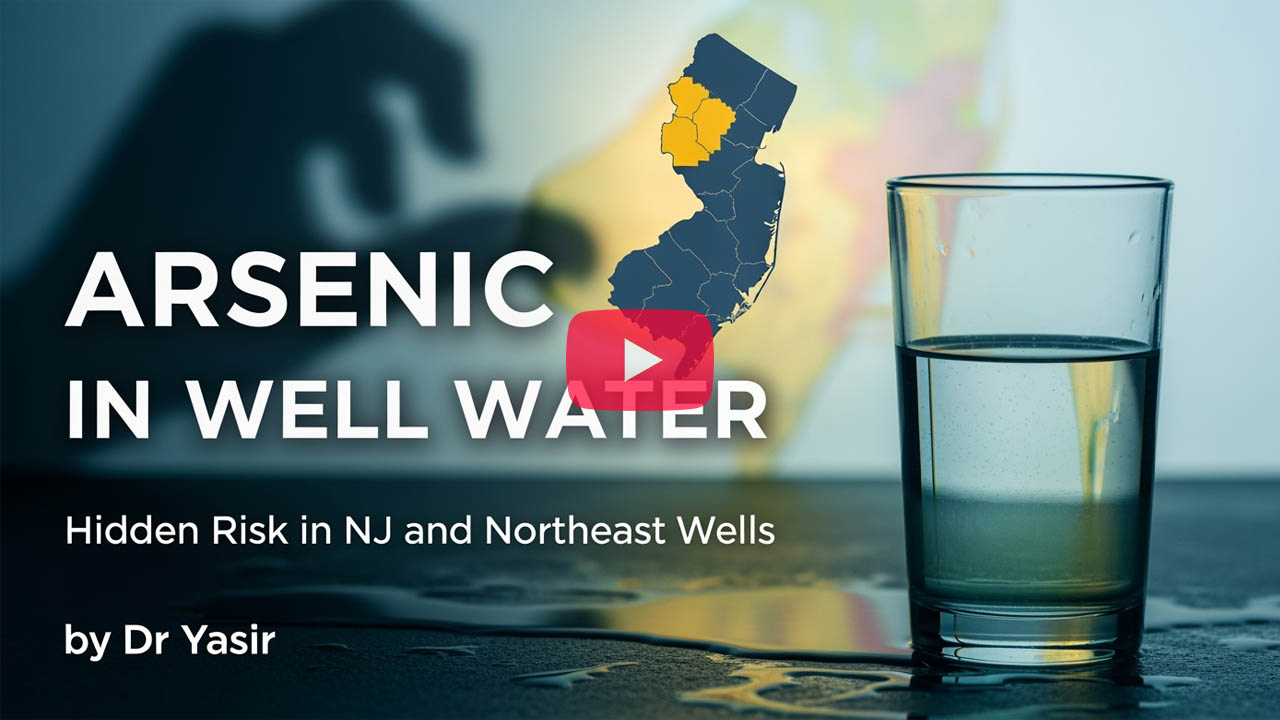
Arsenic was found to potentially cause chronic diseases. PFAS, including PFOA and PFOS, were detected in several locations. Researchers also identified other contaminants with long-term toxic effects. Health officials advise caution and regular testing to protect communities.
Significance of New Jersey’s Water Infrastructure

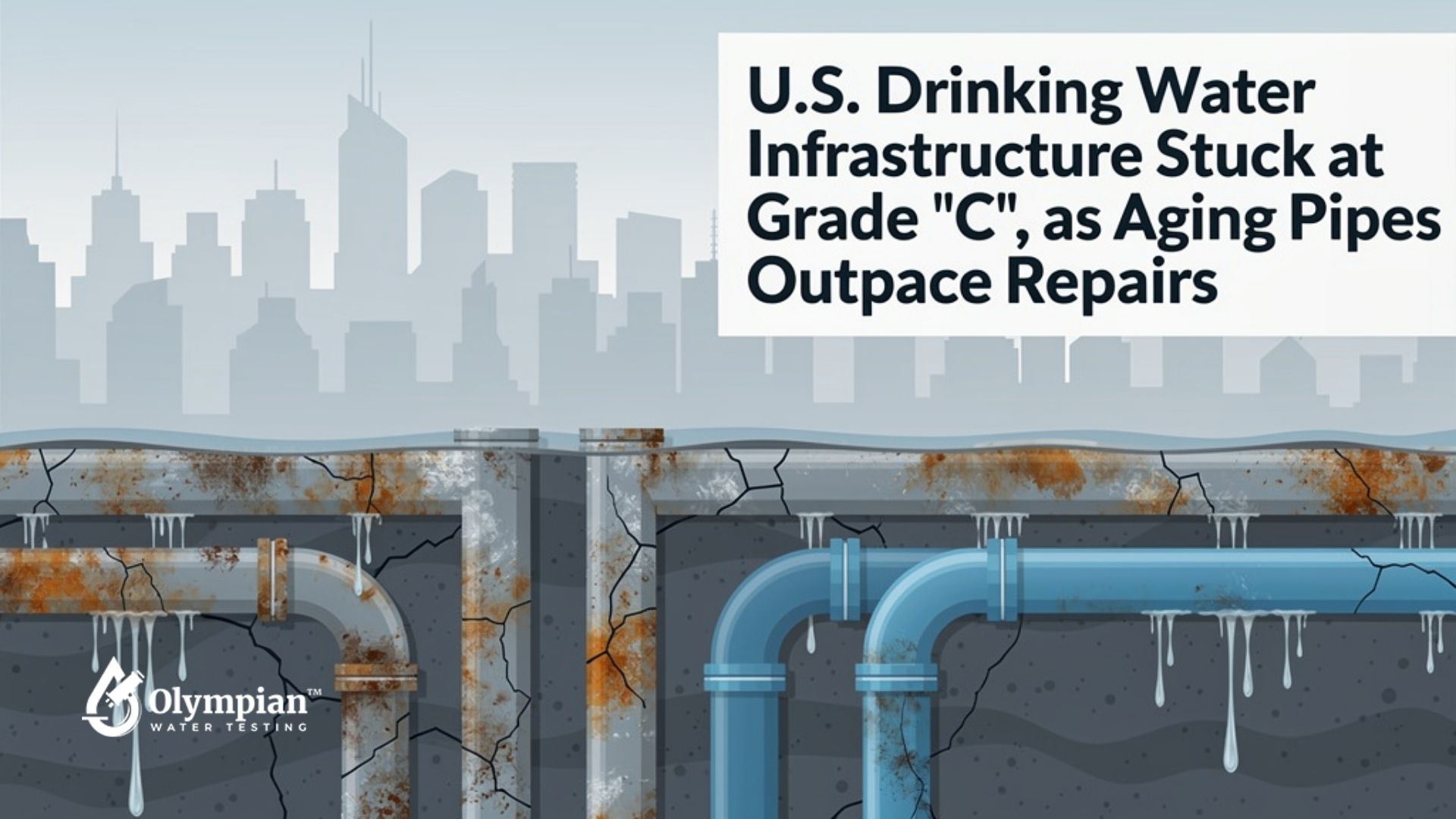
Water supply networks in New Jersey face immense demands from various communities. Aging treatment plants and pipelines may allow pollutants like PFAS to remain in drinking water. The U.S. Environmental Protection Agency warns that outdated pumping stations increase the risk of leaks or corrosion.
Advocates link this situation to environmental justice. Low-income neighborhoods often face neglected water infrastructure upgrades or underfunded repairs. This neglect can lead to increased health hazards, underscoring environmental justice concerns. Robust funding is essential to address these gaps and provide immediate relief.
Enhanced water infrastructure ensures safer drinking water for all. It supports cleaner processing and reduces contaminant exposure. Community groups advocate for statewide projects that include outreach efforts, ensuring every voice is heard. They also demand policy changes, calling for more research and transparent data on water quality. Emphasizing environmental justice ensures that low-income communities can express their specific needs.
- Modernized filtration lowers chemical accumulation
- Frequent inspections reduce unexpected pipe failures
- Greater accountability fosters public trust in water infrastructure
Challenge | Effect on Residents |
Outdated pipes | Higher risk of contaminants |
Limited funds | Delays in critical upgrades |
Sparse testing | Reduced detection of emerging toxins |
Why Hazardous Chemicals Are a Growing Concern in Drinking Water
Communities rely on local reservoirs and treatment facilities for clean water. Yet, industrial byproducts and contaminants can find their way into taps, posing health risks. Many residents are unaware of these dangers until quality tests uncover unexpected toxin levels.
Increased Industrial Activity

Manufacturing sites produce vast amounts of waste. These operations often involve processes that harm aquatic life. Discharges can contain Hazardous Chemicals, causing long-term damage to rivers and streams. The rapid growth of production raises concerns about oversight and risk management, leaving locals worried about water pollution in their daily lives.
Impact of Urban Development
Urban areas expand rapidly, leading to more paved surfaces and runoff. Rainwater no longer absorbs into the ground, carrying contaminants into municipal systems. Construction projects put a strain on aging infrastructure, which must handle increased volumes of liquids and pollutants. Many officials view this trend as a major factor in compromised water quality across New Jersey.
Health Implications for Local Communities

Residents near aging treatment facilities face significant health risks due to frequent contact with contaminated water. Public health authorities highlight PFAS contamination, exacerbated by long-term industrial discharge. These substances have been linked to various health issues, including cancers, thyroid problems, and hormone imbalances.
- Higher susceptibility among children and pregnant women.
- Nitrates interfering with infant oxygen transport.
- Reduced water treatment access for lower-income areas.
Prolonged exposure to contaminated water puts vulnerable populations at risk, as they often lack access to safer alternatives. Many residents rely on expensive filtration systems or bottled water, straining their household budgets. Local health departments are working diligently to gather data and advocate for stronger regulations. Their goal is to protect communities from ongoing health threats that affect their well-being over the long term.
Regulatory Framework and Current Guidelines

Creating safe water standards involves many factors. Officials must balance science, public input, and financial realities. This balance is key in setting PFAS standards and other safeguards.
These policies lay out clear steps to protect local resources. They define drinking water guidelines for different settings. Community members closely watch these developments, seeking assurance that oversight is consistent.
No single approach fits every region, as risks change. The EPA sets basic requirements, but states can enforce stricter laws. This is based on health data suggesting a stronger response.
Federal Standards and Oversight
The Environmental Protection Agency sets nationwide benchmarks. This includes broad drinking water guidelines. EPA regulations target contaminants that endanger health, aiming to unify risk management across all jurisdictions.
- Collaborative research on chemical toxicity
- Updated testing protocols for new threats
- Transparent reports on PFAS standards
"Our mission is to protect human health and the environment," states the U.S. Environmental Protection Agency.
State-Level Policies
New Jersey has set tighter limits on toxic substances, going beyond federal goals. Lawmakers review data from local residents, health experts, and industrial partners. This shapes regulations that reflect changing evidence.
Political boundaries often influence timelines and enforcement. Yet, many communities remain vigilant to protect vital resources.
Reactions from Public Officials and Advocacy Groups

Local leaders have expressed deep concern over New Jersey’s water quality. State representatives vow to increase oversight of industrial activities that could contaminate drinking water. National groups, such as the Environmental Working Group, are amplifying public calls for thorough testing. They aim to strengthen public policy that puts safety first.
Calls for Urgent Action
Officials urge immediate legislation to curb harmful discharges and enhance enforcement. Government bodies are exploring new strategies to tackle threats in local water systems. Their message is clear: swift action is necessary, backed by community advocacy. They warn that any delay could exacerbate quality issues.
Public Awareness Efforts
Nonprofit organizations are launching outreach initiatives to raise water quality awareness. Workshops educate residents on health risks from contaminants. Social media campaigns are gaining momentum, stressing the need for regular testing and vigilance. Leaders hope these efforts will inspire a broader movement for safer, healthier water.
Methods to Detect and Monitor Water Pollution

Experts use scheduled sampling to identify early signs of contamination. Laboratories analyze chemical markers in various water sources to detect toxins. Many residents also rely on water testing kits for a quick check on water quality.
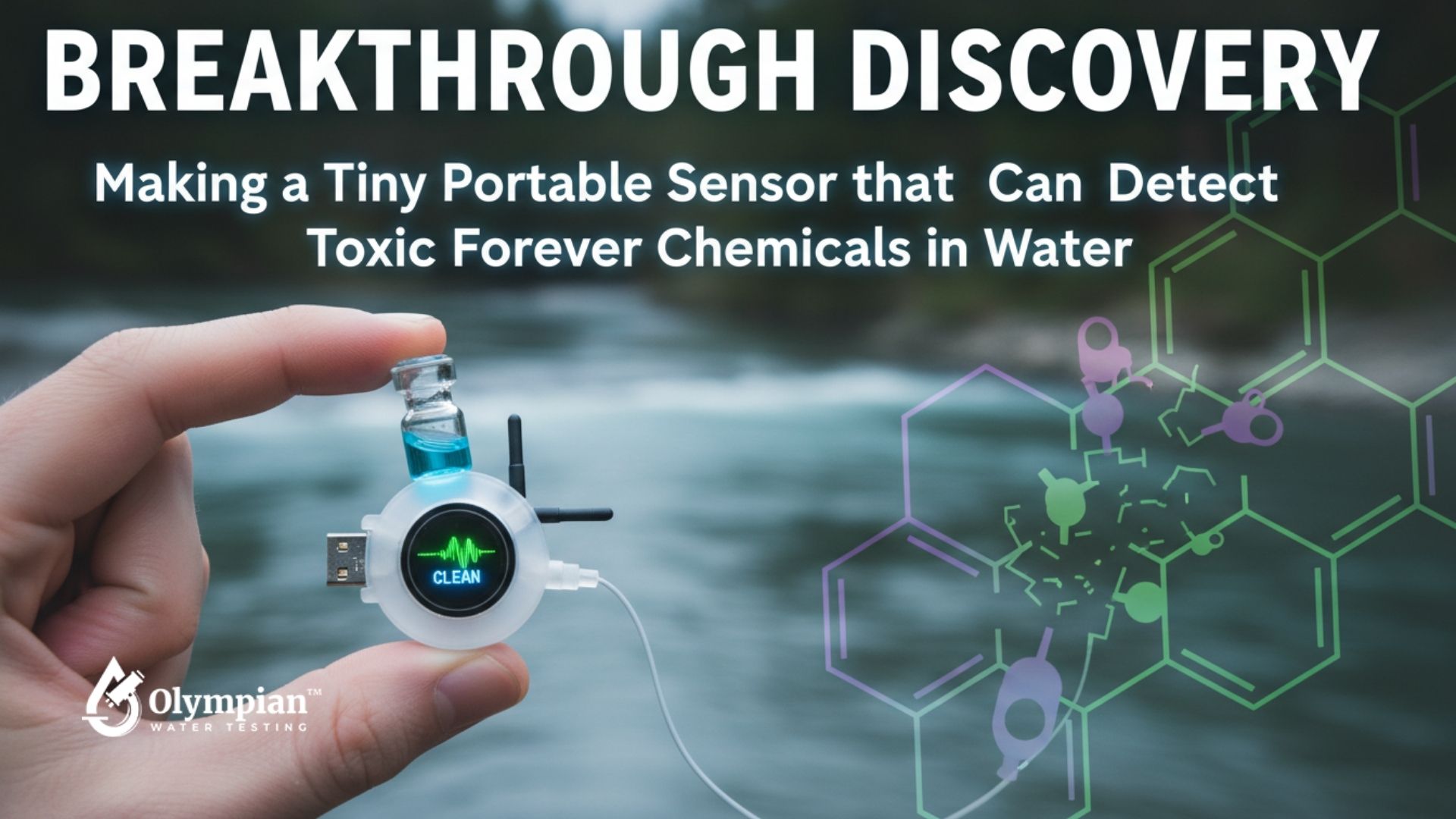
In-depth analysis is key to each community’s contamination detection strategy. New devices can trace harmful particles to their sources. This highlights areas needing extra measures. Scientists measure chemical interactions to track unhealthy compounds.
Pollutants monitoring programs help pinpoint vulnerable zones. Real-time data provides continuous updates, guiding treatment upgrades. Environmental agencies and licensed technicians then apply targeted methods to protect public health and ensure cleaner supplies.
Method | Process | Key Benefit |
Scheduled Sampling | Regular collection at set intervals | Early detection of shifts in toxicity |
Portable Kits | On-site analysis with user-friendly tools | Immediate results for local users |
Laboratory Testing | Detailed examination under controlled conditions | High accuracy for wide-ranging pollutants |
Detailed Look at Testing Procedures
Water analysis is a meticulous process that confirms the presence of harmful compounds. Experts in analytical chemistry employ advanced techniques to detect trace contaminants. The first step in lab testing involves collecting samples under strict guidelines to ensure accuracy.
Renowned brands like Thermo Fisher Scientific provide the necessary equipment. These tools are capable of identifying each compound, no matter how small. Teams follow PFAS screening protocols and conduct detailed tests for substances like lead or arsenic. Precision instruments measure concentrations with precise calibration.
The data collected shapes public health strategies. Laboratories adhere to standards set by the Environmental Protection Agency. The results inform decisions on filtration upgrades, chemical management, and safety advisories. This highlights the critical role of lab testing in maintaining accurate records.
Experts in analytical chemistry often verify their findings to ensure precision. This method, combined with PFAS screening, helps uncover unexpected pollutants that could pose risks to communities.
These evaluations depend on advanced technologies for reliability. A closer look at typical procedures shows how labs transform raw samples into actionable metrics:
Method | Purpose | Common Equipment |
Mass Spectrometry | Isolate and measure trace toxins | Thermo Fisher Q Exactive |
High-Performance Liquid Chromatography (HPLC) | Separate complex mixtures | Agilent 1200 Series |
Ion Chromatography | Analyze charged particles | Dionex ICS-5000 |
Each method refines results at every step, providing a complete picture of water quality. These findings guide future recommendations aimed at protecting public health in the United States.
Long-Term Solutions and Innovative Technologies
Municipalities are now looking into new ways to safeguard water sources from ongoing threats. This push involves policymakers, experts, and residents working together to protect public health. Through collaboration, they aim to strengthen regulations, fill gaps, and promote modern solutions.
Advanced Filtration Systems

One effective approach to purer water involves advanced filtration systems. These systems, including granular activated carbon and reverse osmosis, remove harmful particles. State funding and private grants help expand these systems, benefiting communities with limited resources.
Community-Led Initiatives
Grassroots efforts are driving the adoption of cutting-edge water technologies. These initiatives raise awareness and push for policy changes. By working with environmental groups, local projects are developed and outcomes monitored. This community-driven approach ensures ongoing improvements and fair investment in water infrastructure.
Moving Toward a Safer Water Future in New Jersey
State leaders are pushing for stricter PFAS standards, aligning with the latest scientific findings. They collaborate with local organizations to enhance testing and oversight. Federal funding backs initiatives to update water systems for a changing environment.
Water management experts stress the importance of safeguarding both people and the environment. A clean water resource provides tools for tracking contamination and engaging with decision-makers. Ongoing research drives discussions on prevention, new technologies, and education in high-risk areas.
New Jersey is committed to improving water safety without neglecting public health. The focus is on timely solutions, ensuring communities understand chemical levels and safety measures. This approach fosters a cleaner future for all, through collaboration and shared responsibility.