Global Context of the 2025 World Water Development
The International Year of Glaciers’ Preservation and the World Day for Glaciers have spotlighted the connection between climate change and water availability. Glacier retreat is altering access to safe water, intensifying the need for global cooperation. The United Nations has convened to emphasize shared duties, aiming to tackle water shortages before they worsen.
Awareness initiatives are critical in tackling Global water challenges. Events like World Water Day 2025 foster discussions on fair water distribution and conservation. Leaders acknowledge that dwindling glaciers pose a threat to many areas, underscoring the necessity for unified efforts. They seek solutions through policy changes, education, and technology to ensure water security worldwide.
Main Drivers Behind Worldwide Water Challenges
The surge in demand from households and industries is a pressing concern. It puts a strain on rivers, lakes, and groundwater. Effective management is critical to tackle these global water challenges.
Urbanization and Agricultural Pressures
Expanding cities drive up water consumption at an alarming rate. Agriculture, with its irrigation and livestock needs, is the largest user of freshwater. This situation puts communities at risk during droughts or unexpected disruptions.

Climate Change and Water Stress
Climate change increases the risk of water scarcity. Changes in rainfall patterns and melting glaciers are clear indicators. The competition for limited water resources impacts public health, food production, and economic stability. Collaboration is key to help communities adapt to these changes.
Implications for the United States
Rising water consumption in populated areas presents significant challenges for resource management. Many states are already facing tight supplies, with drought-prone areas under even greater pressure. The ongoing water report emphasizes the critical need for heightened awareness of global trends’ impact on local conditions. Federal and state agencies are working diligently to safeguard essential water supplies.
Leaders are pushing for initiatives that alleviate the strain on rivers and aquifers. Upgrades to infrastructure aim to bridge gaps in both urban and rural areas. Some solutions focus on innovative recycling, while others advocate for smart irrigation in farmland. Success in these endeavors relies on collaboration between policymakers, scientists, and community stakeholders committed to sustainable practices.
The upcoming water report will introduce new tools aimed at addressing local needs. Research projects are exploring advanced desalination and enhanced data analysis as key components. Many experts believe that solutions to water scarcity require increased public involvement, including education for youth and transparent funding mechanisms. These steps are essential for establishing secure water systems across diverse regions.

Key concerns in the United States include drought, urban growth, and aging infrastructure. Below is a summary of focus areas and the responsible agencies:
Focus Area | Agency | Action |
Drought Planning | Environmental Protection Agency (EPA) | Promote water reuse programs |
Urban Growth | United States Conference of Mayors | Encourage resilient infrastructure |
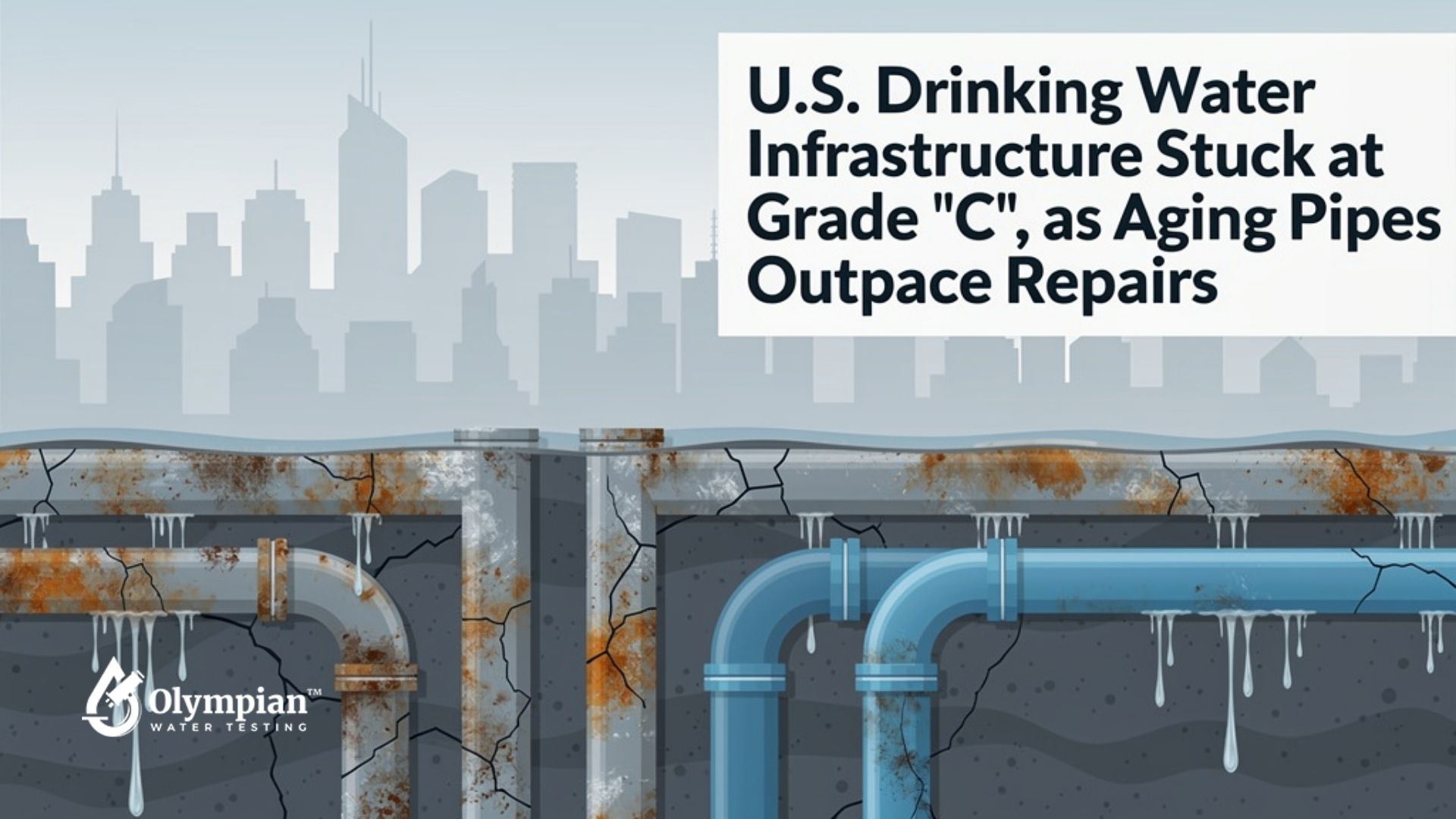
Aging Systems | Department of the Interior | Fund modernization projects |
Inside the UN’s Water Report: Key Findings
This water report provides a detailed look at global efforts to protect water resources. It aligns with World Water Day 2025, highlighting the need for fair distribution and responsible use.
Data Collection and Analysis Methods
Researchers gathered data from field stations, satellite inputs, and community surveys. They used transparent validation steps to ensure metrics accurately reflect local conditions. The international assessment shows the importance of consistent monitoring.
Regional Trends Worth Noting
Some areas face drought due to glacial retreat, while others deal with seasonal floods from changing rainfall patterns. These issues highlight the need for reliable water and effective infrastructure planning. The data emphasizes the importance of cross-border cooperation to protect shared river basins.

Proposed Steps for Collaboration
Experts suggest several steps:
- Joint policies for early warning systems and stormwater controls
- Mutual data exchanges between scientific bodies to improve predictions
- Community initiatives to address water access at the household level
The report concludes with a framework for regional coordination. It outlines a path toward sustainable outcomes for all involved.
Innovative Solutions and Technological Advances
Technology is revolutionizing how communities handle essential water resources. Advanced filtration systems enhance efficiency and reduce pollution. This gives areas new tools to meet daily needs without harming fragile supplies.
High-efficiency irrigation stands out as a leading water scarcity solution for farmers. Drip systems reduce surface runoff, improving soil health in both cities and countryside. Forest conservation is critical in protecting natural watersheds, helping to counter climate change impacts and stabilize ecosystems. In California, local authorities have tested projects to capture stormwater for reuse, easing pressure on overdrawn aquifers.

Recycled wastewater programs show great promise in boosting agricultural output. NASA’s Earth observation satellites aid in studying groundwater levels, paving the way for better planning and early warning systems.
“Sustainable innovation is the key for securing tomorrow’s water health,” said a leading scientist at the National Geographic Society.
Collaboration between government agencies, universities, and private tech firms is creating cost-effective models. These models have the possibility to scale globally, bringing hope to at-risk regions.
Policy Recommendations from Global Leaders
Global leaders call for immediate legislative action to address pressing water challenges. They advocate for enhanced transboundary governance and increased cooperation among neighboring countries. Key measures include harmonizing water rights and resource-sharing policies.
Experts stress the importance of robust agreements and transparent data-sharing. This can help resolve disputes over shared rivers and basins. Organizations like UNESCO and the World Bank support treaties that address access issues promptly.
“Policymakers must act now to pave the way for peaceful and equitable water access across borders,” said António Guterres, Secretary-General of the United Nations.
The latest water report highlights strategic milestones. Revised protocols aim to uphold fairness and accelerate progress toward SDG 6 by 2030. Leaders emphasize both global guidelines and local enforcement to prevent future crises. Fiscal incentives and regular monitoring are also recommended to manage tensions.
Policy Focus | Key Step | Outcome |
Shared Governance | Unified Water Laws | Reduced Conflict |
Data-Sharing | Open Platforms | Early Dispute Alert |
Fiscal Incentives | Cross-Border Funding | Enhanced Trust |
Economic and Environmental Impacts of Water Scarcity
Water shortages significantly alter commerce and ecosystems. Industries heavily reliant on consistent water supplies face increased costs. Simultaneously, habitats deteriorate when water resources dwindle, posing new challenges for various regions.
The situation worsens with climate change impacts exacerbating droughts. Rivers and lakes shrink at an alarming rate, compelling governments to invest in water scarcity solutions. This investment is aimed at fostering a more resilient future.

Financial Burdens of Water Scarcity
Businesses in agriculture, manufacturing, and energy sectors often incur higher costs for water. This leads to increased prices, which in turn, elevate household expenses. Implementing water scarcity solutions can mitigate these economic burdens. It encourages responsible water use and promotes the development of better infrastructure in areas prone to unpredictable water flows.
Sustainability Considerations
Conserving water is critical when habitats face the risk of permanent loss. Balanced water usage helps preserve wetlands and restore biodiversity, fostering eco-friendly growth. New policies aim to integrate climate change impacts into resource planning. They urge authorities to adopt targeted measures that protect both economies and ecosystems.
Factor | Outcome | Possible Action |
Production Cuts | Reduced Profit Margins | Advanced Irrigation Systems |
Habitat Loss | Threatened Biodiversity | Protected Wetland Zones |
Rising Consumer Costs | Higher Household Bills | Incentives for Efficient Appliances |
Public Awareness and Community Engagement Initiatives
Raising awareness about water security brings neighbors, businesses, and schools together. Media campaigns highlight how individuals can conserve local resources. These efforts underscore the critical nature of World Water Day 2025. By learning practical steps, citizens understand their role in safeguarding water supplies during crises.

Educational Programs for Youth
Classroom lessons and hands-on activities teach kids and teens to reduce waste at home. Workshops emphasize the importance of simple actions like turning off taps or using rain barrels for gardens. This approach instills habits that address global water challenges for a lifetime.
Community-Driven Conservation Efforts
Volunteer groups monitor shared water sources and pinpoint critical areas. Neighborhoods conduct water audits and organize tree-planting events to stabilize ecosystems. By working together, communities invest in communal wells, streams, and wetlands. This empowers everyone to contribute positively to water conservation.
Looking Ahead to a Water-Secure Tomorrow
Communities globally are reevaluating their stance on essential resources as climate changes persist. The integration of technological advancements, policy reforms, and scientific breakthroughs is at the forefront of long-term planning discussions. The latest water report highlights the importance of collaboration in bolstering data collection and resource management efficiency.
International initiatives, such as the Decade of Action on Cryospheric Science (2025–2034), prompt leaders to converge on Water scarcity solutions. Researchers, government bodies, and community groups are crafting strategies to adapt to climate change. These include fortifying infrastructure and ensuring fair water governance. This collective effort aims to protect rivers, lakes, and other vital water sources that underpin human existence.
Many specialists view these developments as a critical juncture. They posit that vigilant monitoring and unified objectives are essential for achieving lasting advancements. The path to success hinges on continuous participation, consistent financial backing, and innovative solutions that honor the boundaries of natural ecosystems. This forward-thinking approach is indispensable for securing a water-secure future for everyone.