Urban Infrastructure Under Strain
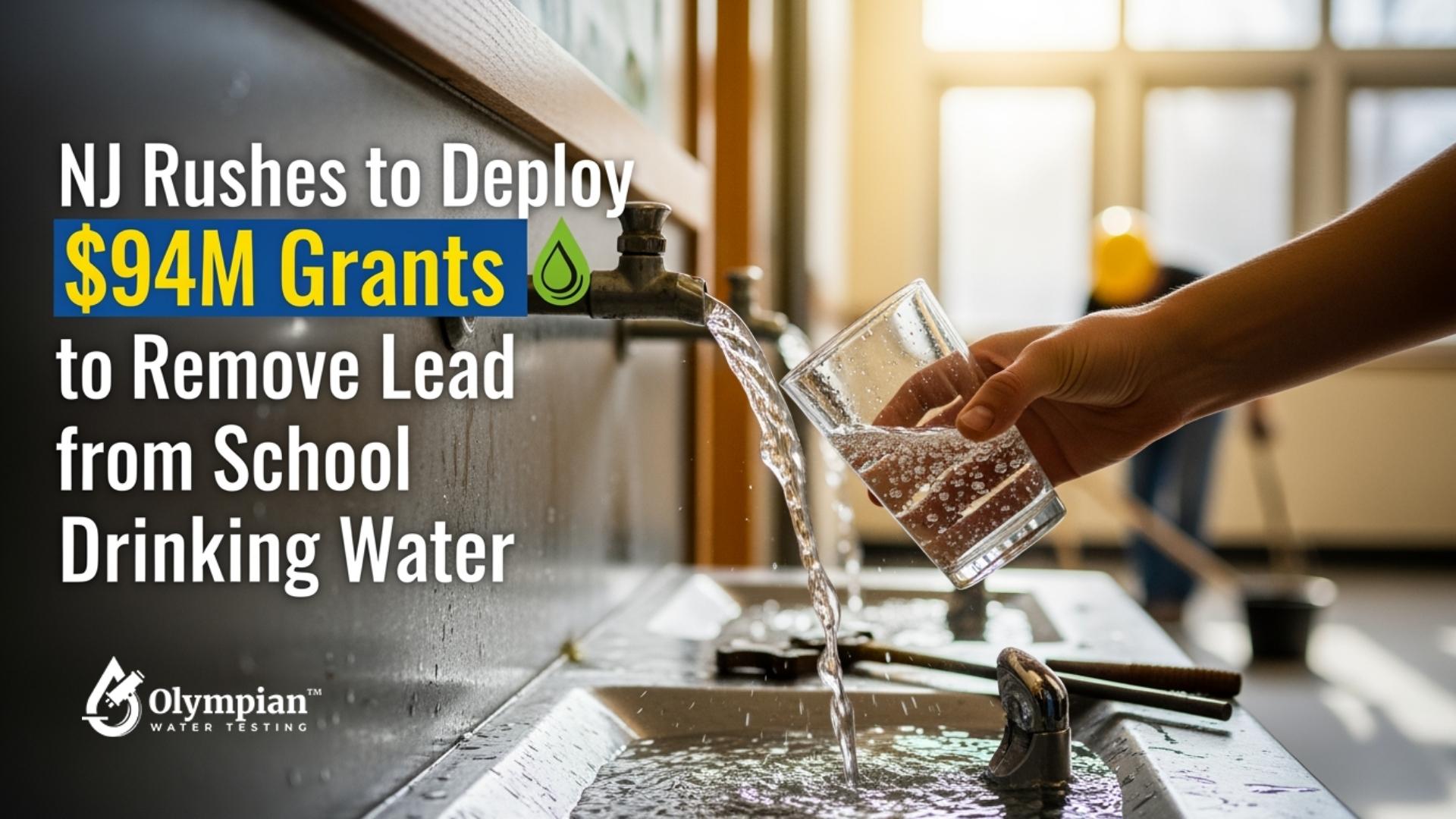
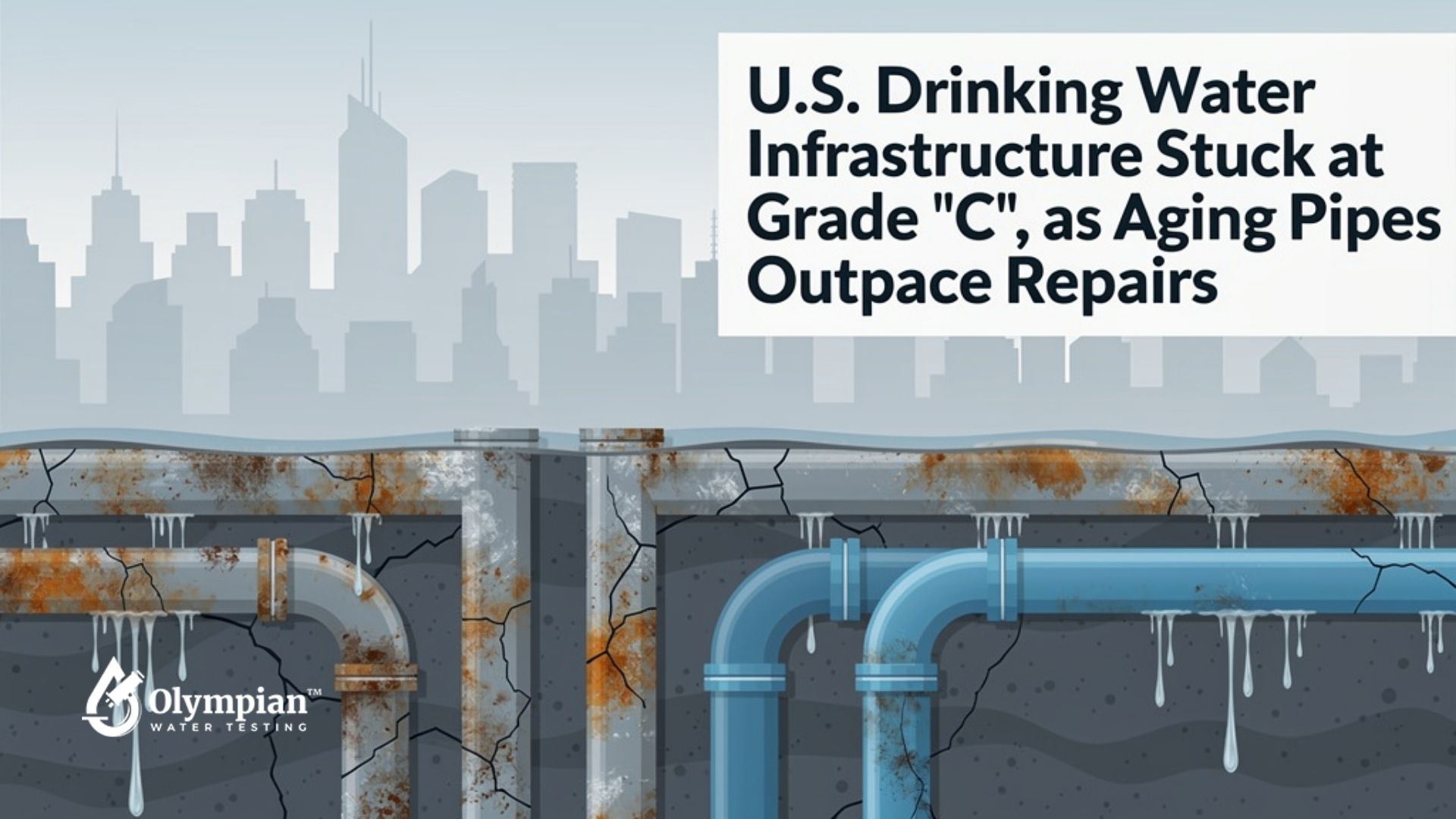
Large cities face a daunting challenge with their growing populations and changing climate. Newsweek reports that more households rely on outdated pipelines, unable to meet today’s demands. Corrosion and lack of maintenance lead to widespread lead contamination, while the infrastructure struggles to adapt.
“Rising expectations for clean water highlight a long-standing oversight,” reported a prominent health agency.
Many systems are decades old, with materials that deteriorate under stress. Resources often favor more visible projects, leaving water lines vulnerable to failure.
Aging Water Systems
Rust and prolonged leaks indicate systems under strain. When pipes deteriorate, harmful metals like lead become more prevalent, posing health risks to millions. The growing population adds to the pressure, making repairs even more challenging.
Neglected Pipelines in Metropolitan Areas
Residents in major cities face health risks due to inadequate upgrades. Some areas lack the funds or plans to address toxic exposure, highlighting the need for urgent water quality improvements.
Lead as a Persistent Hazard to Public Health
Many believe that older infrastructure means no risk, but lead poisoning is a serious issue. No exposure level is safe for children, and even small amounts can harm their development. Experts stress the need for preventive actions and more frequent water testing.
The CDC’s research shows that even minimal lead exposure can harm brain development. This can lead to issues like reduced focus or lower grades. Parents and caregivers need to be extra cautious, mainly in areas with known infrastructure problems.
Possible Long-Term Effects
Long-term lead exposure can affect the brain and may cause memory loss or mood swings. Infants and toddlers are at higher risk because their bodies and brains are developing. Doctors emphasize the need for immediate action to address these concerns.
Understanding Contamination Pathways

Peeling paint, old pipes, and corroded fixtures can release toxins into homes. These hidden dangers require detailed checks of plumbing systems. Those with older water lines should consider regular testing, filtration, or professional upgrades.
Source | Potential Exposure Route | Primary Concern |
Paint in Pre-1978 Homes | Chipped Surfaces, Dust | Neurological Disruption |
Corroded Pipes | Drinking Water | Developmental Delays |
Soil | Outdoor Contact | Elevated Blood Levels |
Recent Study Findings on Lead in New York City Water
New research sheds light on ongoing concerns about lead in local water supplies. CNN and other news outlets reveal that thousands in cities like Syracuse are worried. Despite assurances from city officials that the water is safe, these fears persist. This gap between official statements and everyday experiences is growing.
Studies indicate that even low levels of lead exposure can lead to severe health issues. This situation exemplifies a widespread distrust in communities. Experts stress the need for open data sharing to rebuild trust. Additional testing is critical in older areas where hidden dangers may lurk.
"Public trust relies on thorough tests and full disclosure," states the American Water Works Association.
- Elevated lead readings reported despite official reassurances
- Households searching for solutions that curb drinking water contamination
Health Agencies and Community Response
Local health agencies stress the importance of acting quickly when toxic water is detected. They provide testing options, distribute public health bulletins, and offer resources for safer drinking water. Some work with the Centers for Disease Control and Prevention to track contamination and provide preventive guidance based on solid data.
Role of Local Government Initiatives
Municipal officials aim to replace old pipelines and align projects with EPA regulations. They launch literacy campaigns, enforce stricter rules, and form partnerships with utility companies to reduce lead exposure. Despite these efforts, budget constraints and conflicting policies can hinder progress, leaving some areas uncertain about when upgrades will occur.
Community Organizing for Safer Water

Grassroots movements and advocacy groups often lead the charge with initiatives like filter giveaways and door-to-door outreach. They provide hands-on training for testing kits and support efforts to raise awareness. These actions create a sense of community, highlighting shared concerns and driving efforts for lasting public health improvements.
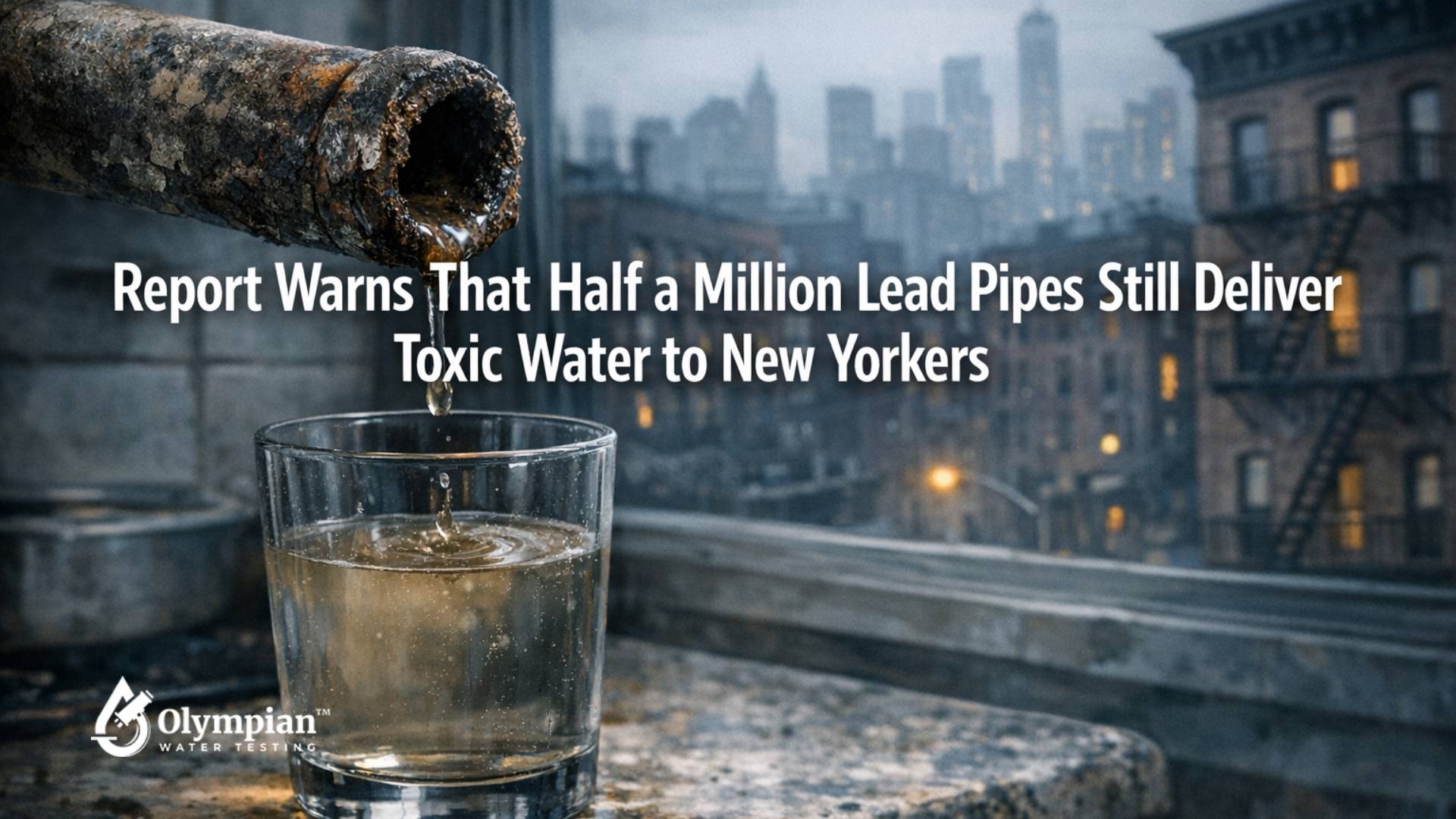
Why the Discovery of 500,000 Lead Pipes Is Significant
This revelation has stirred concern among public health advocates. They see each buried pipe as a direct threat to families and neighborhoods. The Environmental Health News points to the possibility that these figures may be underestimated. This leaves more households than anticipated at risk of unwelcome health complications.
The uncovered routes of toxic water underscore a major infrastructure challenge. This challenge is significant and requires immediate attention.
“The current tally of 500,000 may only be a fraction of the actual pipeline network in need of urgent attention,” reported one coverage from Environmental Health News.
Ongoing efforts to replace lead pipes depend on accurate maps that show their specific locations. Many records remain outdated, delaying repairs and adding frustration for property owners. Households worry about hidden hazards, yet clear knowledge of pipe status can guide essential renovation strategies.
The scale of the issue highlights a pressing need for coordinated support, financial investment, and reliable data. This is necessary so the city can move toward safer water for everyone.
Regulatory Framework and Enforcement
The Safe Drinking Water Act establishes a legal framework to prevent water quality hazards. Enforcement loopholes have been identified by the EPA’s administrative alerts, complicating protection efforts. Underfunded systems allow lead contamination to persist in many areas.
Inconsistencies in Federal Standards
States often adopt varying rules, creating disjointed goals. Some delay upgrades or overlook emerging data. Communities seeking environmental justice highlight budget gaps that hinder effective oversight. Unified benchmarks could streamline responses and prompt swifter action.
Penalties for Non-Compliance

Partial fines often fail to motivate full remediation, leaving many violations unresolved. In some cases, limited records and weak follow-up allow polluters to continue without meeting obligations. Stronger corrective measures might encourage more accountable practices across all levels.
Agency | Enforcement Focus | Main Challenge |
EPA | Drinking Water Safety | Funding Gaps |
State Regulators | Local Standards | Inconsistent Reporting |
Municipal Offices | Infrastructure Upgrades | Limited Resources |
Cost Implications of Replacing Lead Pipes
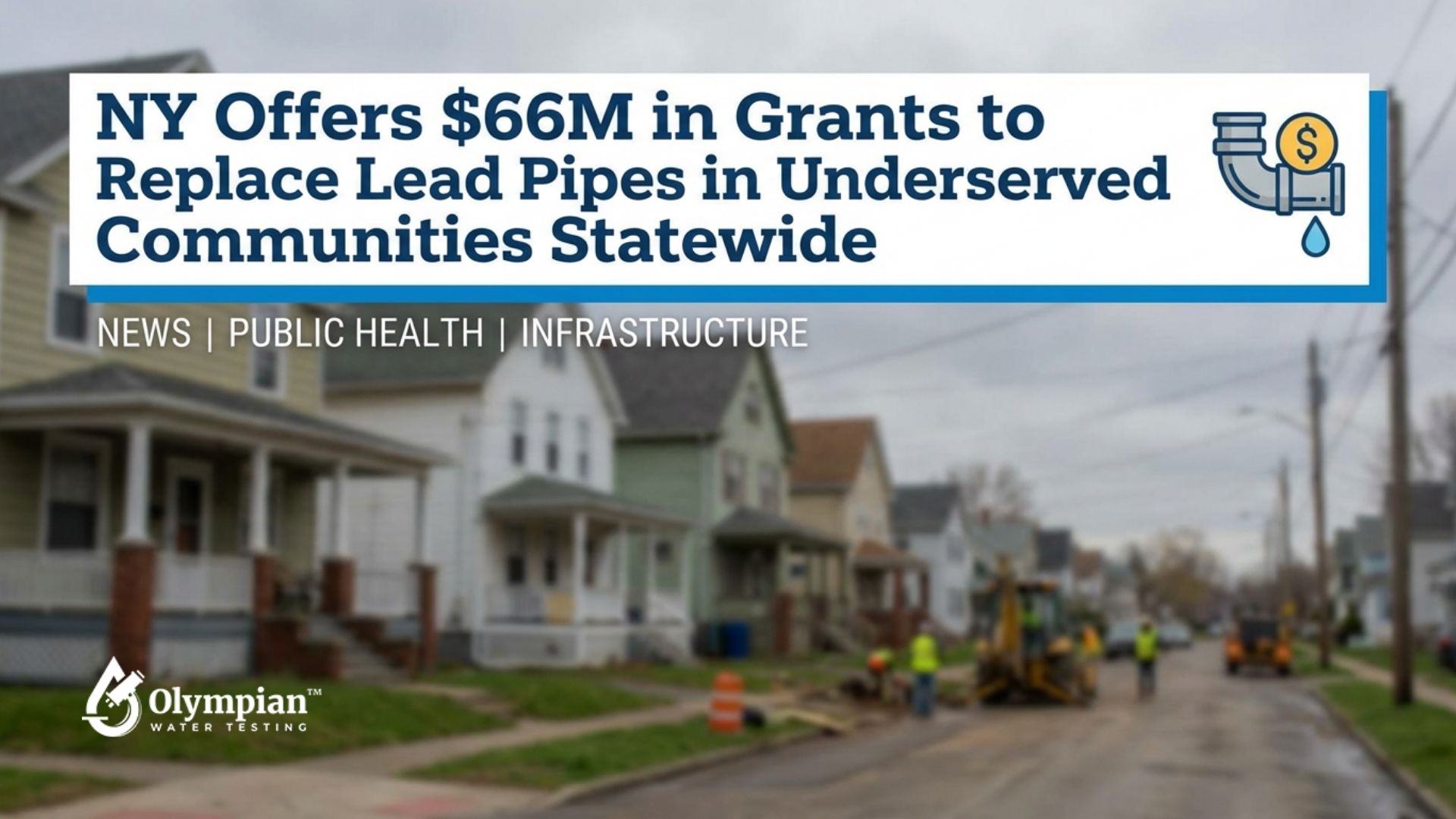
Replacing aging lead pipes requires a substantial financial investment, going beyond simple repairs. The Bipartisan Infrastructure Law provides initial funding, but local reports suggest this might not suffice for future costs. Many municipalities face budget overruns due to ongoing maintenance and labor-intensive tasks.
Identifying damaged lines necessitates specialized teams for thorough mapping and inspections. Homeowner cooperation adds to the logistical challenges. Costs escalate with scheduling skilled crews, obtaining permits, and addressing unexpected issues. A study by Brookings Institution sheds light on the nationwide scale of replacements and the strain on infrastructure.
- Extensive mapping processes
- Higher labor and material costs
- Maintenance gaps over time
Key Factors | Estimated Impact |
Skilled Labor | Wage increases for contractors |
Mapping & Inspections | Lengthy assessments by specialized teams |
Municipal Budgets | Often strained by rising operational costs |
Testing and Monitoring Strategies
Systematic oversight is essential for reducing childhood lead exposure in older communities. Routine water testing reveals contaminants that pose risks to families, given the age of many pipes. Neighborhood reports often serve as the first warning, prompting swift actions to mitigate health risks.
Residents gain from clear, science-backed advice upon contamination confirmation. Experts stress that early detection prevents children from being exposed to hidden dangers in tap water. They urge parents to seek blood screenings for young children, adding another protective layer.
Identifying High-Risk Neighborhoods

Officials employ mapping tools that merge housing data with public health statistics. The Centers for Disease Control and Prevention identifies areas with older pipelines. Families in these zones are urged to take preventive measures. Campaigns track blood analyses for children under six, aiming to prevent subtle neurological effects.
Innovative Water Testing Techniques
Point-of-use kits provide quick insights into lead levels, and advanced lab services ensure precise results. Local agencies expand testing with sensor devices in main lines and laterals, providing ongoing data. Researchers commend these methods for protecting the most vulnerable from lead exposure early on.
- Flush faucets for several minutes before drinking or cooking
- Choose NSF-certified filters to trap contaminants
- Follow public notices for updated sampling schedules
Method | Key Benefit |
Point-of-Use Kit | Quick detection of lead levels |
Real-Time Sensor | Continuous water testing data |
Advanced Lab Analysis | Accurate results for targeted solutions |
Challenges to Swift Infrastructure Overhaul
Ambitious plans to replace pipes often hit significant delays. Complex rules lead to long approval times, causing projects to stall. City leaders face challenges in addressing public health concerns.
Tight budgets exacerbate these issues, with funds prioritized for immediate needs over long-term plans. The costs of demolition, labor, and disposing of old materials can skyrocket. Communities struggle to balance urgent repairs with stalled large projects.
Political debates add another layer of complexity. Leaders argue over how to allocate resources for essential upgrades that impact public health.
- Bureaucratic steps that slow permit approvals
- Limited financing for large-scale changes
- Political disputes over how to allocate resources
Key Barrier | Effect on Overhaul |
Complicated Regulations | Longer wait times for final approvals |
Funding Shortfalls | Postponed or scaled-back renovations |
Political Gridlock | Inconsistent progress on critical updates |
Media Coverage and Public Awareness

Major headlines often highlight toxic water threats when a crisis emerges, bringing a surge of public awareness. Attention can cool after the initial wave subsides. Communities look beyond headline stories to stay informed about health risks that linger beneath the surface.
Shifting Narratives in Local Media
Local outlets vary in how they present findings on water safety. Fluctuating resources lead some newsrooms to give weight to urgent outbreaks, while ongoing coverage may be limited. This inconsistency leads residents to question the enduring impact of updates on lead contamination.
Grassroots Efforts on Social Media
Advocates often gather online to keep toxic water in the public eye. Groups on widely used platforms share neighborhood test results and encourage shared solutions. Consistent participation ensures that reminders of possible health hazards remain visible.
Media Channel | Key Contribution |
Television Networks | Raise public awareness in prime-time broadcasts |
Radio Stations | Offer condensed updates and localized interviews |
Social Platforms | Foster real-time sharing of data and mobilization |
Potential Solutions to Mitigate Further Exposure
Public health groups are pushing for better technology and awareness to combat lead poisoning. Communities are investing in household filtration devices, making clean water more accessible. This approach, when subsidized, helps ease the financial strain on families in need.
Local authorities are backing public workshops to educate residents on upkeep, hygiene, and early detection of contaminants. Nonprofit organizations like Pure Earth offer critical testing services, providing data for targeted efforts. Stronger enforcement of housing and health regulations also protects individuals from harm.
Protecting children and pregnant people is a top priority. Ongoing water testing catches problems early, fostering a culture of prevention. Regular checks can lower lead poisoning rates in areas with older infrastructure. Collaboration among city agencies, nonprofits, and residents drives sustainable change.
Strategy | Key Benefit |
Subsidized Filtration | Addresses contamination at home |
Educational Initiatives | Empowers communities with knowledge |
Nonprofit Collaboration | Provides specialized testing services |
Ensuring Safe Drinking Water for Future Generations

Global research indicates that strong political will, public engagement, and targeted funding are essential to protect neighborhoods from lead contamination. Scientists from major environmental groups stress the need for proper oversight and new technologies. These are necessary to remove harmful elements from aging plumbing.
Community advocates highlight the importance of public awareness programs to drive collective action. Political leaders, along with agencies like the Environmental Protection Agency (EPA) and the Centers for Disease Control and Prevention (CDC), can enhance these efforts. They can emphasize the health risks associated with older pipelines. Long-term solutions include updating regulatory thresholds, replacing corroded infrastructure, and implementing monitoring systems to detect contamination early.
Ensuring safe drinking water is a fundamental human right. Modernizing distribution networks and rebuilding public trust require cooperation among government bodies, private industries, and local stakeholders. This shared commitment is vital to ensure future generations are free from lead exposure.