Why the Rise in Contamination Is Concerning
Recent studies show PFAS levels are increasing in water sources. These chemicals are hard to break down and stay in the environment. Their ability to accumulate in living organisms poses serious health risks. Exposure has been linked to various health issues, including cancer, kidney problems, and immune system disorders.
People using municipal water supplies are more likely to face PFAS-related health risks. Data indicates that some areas have water contaminants exceeding safe levels. This situation is concerning, given the proposed new standards for water quality.
- Persistent presence in soil and groundwater
- Risk expands with every detectable spike
- Potential threats for long-term well-being
Even small amounts of PFAS in water raise significant concerns. There is a growing need for thorough testing and transparency. Communities are calling for stronger measures to protect against water contamination. The push for updated guidelines reflects a deeper understanding of these dangers.
Ensuring water safety requires regular monitoring and the use of advanced filtration systems. Experts stress the importance of frequent checks on local water sources to reduce risks.
Key Factor | Impact |
Accumulation Rate | Continues rising without intervention |
Regulatory Gap | Requires updated policies and funding |
Community Awareness | Fuels demand for stricter safety rules |
PFAS in New York Water: Key Factors Driving Higher Levels
PFAS compounds have infiltrated vital water sources, sparking concerns about their impact on public health. Their unique chemical structure makes them resistant to breakdown. This resistance contributes to widespread contamination.
Historical Context of Industrial Usage
The use of PFAS began in the mid-20th century for products like coatings and fire-fighting foams. Production sites left behind residues that seeped into aquifers and wetlands. This has created a lasting threat for many communities.
Insights from Newly Released EPA Findings

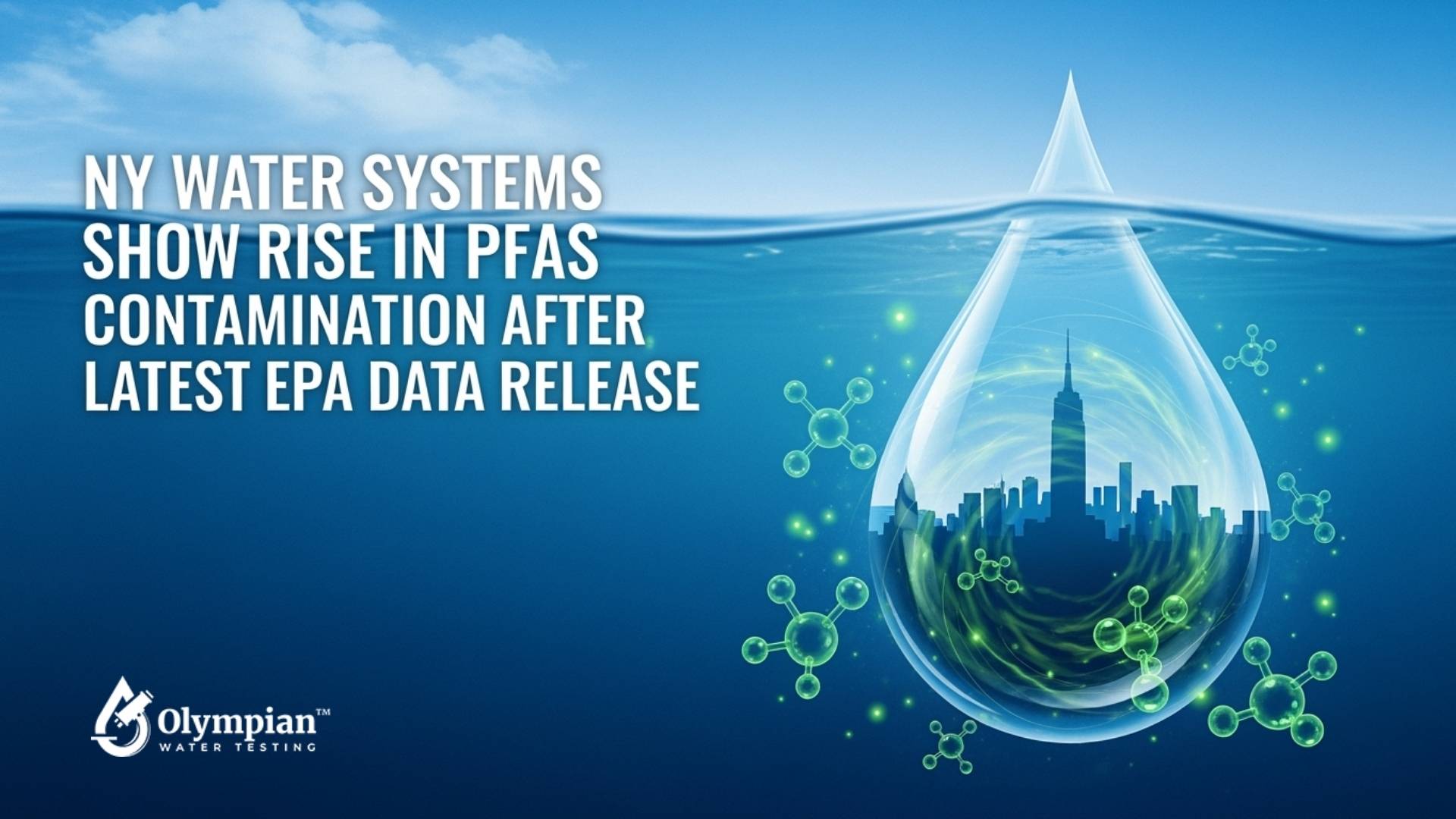
New data reveal that New York pollution comes from various sources, including outdated disposal methods and ongoing industrial activities. Reports from the agency indicate that about 3.5 million residents depend on utilities with PFAS levels above safe limits. This highlights the need for PFAS research to enhance testing and mitigation efforts.
Main Contributors | Potential Effects |
Old Production Plants | Long-term release of PFAS residue |
Landfill Leakage | Leaching into groundwater supplies |
Foam Usage at Military Sites | Substantial runoff into nearby water bodies |
Regulatory Response at the Federal and State Level
Federal agencies are advancing PFAS regulation, aiming to establish protective limits for emerging contaminants. The Environmental Protection Agency has proposed stricter testing protocols for local utilities. This move balances public health needs with financial realities, ensuring updates are achievable.
State authorities are also key in policy advancements. New York’s legislature is considering stricter standards, aligning with updated drinking water rules. This push for transparency includes more frequent reporting and accountability measures. These developments are closely monitored to assess their impact on water safety.
PFAS regulation efforts involve incremental changes in consumer product legislation and firefighting foam restrictions. Public agencies use a policy dashboard for real-time updates, guiding law revisions. Stricter drinking water rules are a step towards cleaner sources, despite ongoing gaps. Many anticipate these efforts will lead to lasting environmental health benefits.
The Role of Public Health Advocacy
Public health groups, such as the Environmental Working Group, shed light on emerging water system concerns. They push for PFAS community action to safeguard residents from ongoing contamination risks. Their efforts educate communities about chemical exposure dangers and pave the way for safer futures.
Influence of Nonprofit Organizations
Sierra Club and other environmental advocates push for stricter regulations against harmful substances. Their research highlights critical data, guiding decision-makers towards effective solutions.
"We believe that every neighborhood deserves easy access to clean and trustworthy water," stated the American Water Works Association.
Through partnerships with state agencies, these groups urge policymakers to enhance testing and share results publicly.
Community-Led Campaigns for Safer Water
Local coalitions, driven by passionate volunteers, lead safe water campaigns. They focus on holding municipal operations accountable. Residents team up with advocacy groups, organize town hall meetings, and support scientific studies on contamination levels. These grassroots efforts drive the need for effective remediation strategies, fostering sustainable water management across the state.
Tracking Industrial Discharges

Manufacturing sites can release PFAS industrial runoff into local streams and rivers, posing long-term risks to nearby neighborhoods. Plants focused on electronics, coatings, and chemical processes handle compounds that persist in soil and groundwater. These residues can stay for years, becoming persistent sources of water contamination.
Effective waste management begins with regular sampling and detailed records. Effluent inspections and wastewater permits ensure companies are held accountable. This includes reviewing discharge limits and reporting any increases in PFAS levels. Local agencies use this data to pinpoint problem areas and develop solutions.
Collaboration between water suppliers and state regulators is essential. They share findings on elevated PFAS markers and act quickly when guidelines are broken. Regular oversight helps prevent hidden leaks. Clear communication keeps communities informed, guiding them towards safer water practices.
Updated EPA Guidelines on PFAS Testing
The Environmental Protection Agency has introduced updated guidelines for PFAS testing in public water systems. These guidelines mandate regular testing in both large and small systems. They also require frequent updates to residents, aiming to build trust in the safety of local water supplies. PFAS testing protocols now focus on consistent sampling and verifying data accuracy.
Sampling Procedures for Municipal Water Systems
Operators are advised to adhere to standardized water sampling methods, as recommended by the American Water Works Association. Regular testing at various points in the system helps avoid missing harmful levels. Detailed records of each sampling event enhance municipal compliance and public trust in the results.
Challenges in Testing Accuracy
Identifying trace amounts of PFAS requires sophisticated laboratory equipment and strict handling protocols. Even slight contamination or improper storage can affect the reliability of results. Despite these challenges, ongoing advancements in technology and standardized guidelines aim to improve the accuracy of PFAS level reports.
Health Implications of PFAS Contamination
The U.S. Environmental Protection Agency has raised concerns about PFAS toxicity. Research by leading institutions shows these synthetic compounds can stay in the body for a long time. This prolonged presence can stress vital organs and increase the risk of long-term harm.
Studies suggest a link between certain PFAS levels and a higher cancer risk. They indicate changes in liver function and possible thyroid disruption. These changes can impact daily life. Infants, older adults, and those with pre-existing conditions are at greater risk due to persistent contamination.
Scientists are also looking into the immune system effects of these contaminants. The CDC has launched programs to test at-risk communities regularly. They aim to improve water quality and public health outcomes.
- Possible organ changes
- Health advisories from the CDC
- Routine monitoring suggested by experts
Factor | Potential Outcome | Source |
PFAS toxicity | Might cause hormonal shifts | EPA Studies |
Cancer risk | Association with tumor development | National Cancer Institute |
Immune system effects | Possible suppression of immune response | CDC Reviews |
Addressing Challenges in Water Treatment

Water systems across the United States are facing serious hurdles in preserving quality. Growing concerns over PFAS contamination drive urgent calls for improved practices. Many stakeholders support deeper investment in PFAS remediation to lower health risks.
Yet it is not only about removing lingering substances. Effective strategies call for a combination of research and infrastructure improvements. This strong foundation sets the stage for modern equipment and skilled personnel.
Technological Advances in Filtration
Major strides in advanced filtration now tackle chemicals undetectable in past decades. Reverse osmosis membranes and granular activated carbon each offer distinct advantages in filtering contaminants. Scientists are researching new prototypes that may streamline treatments and boost efficiency.
Engineers predict that ongoing collaboration leads to safer water supplies for both rural and urban areas. This includes thorough testing, maintenance, and monitoring throughout each project phase.
Cost Considerations for Upgrading Facilities
Balancing technology with community needs remains essential. Treatment cost analysis reveals a range of expenses, from equipment procurement to ongoing training of staff.
Municipalities often deal with tight budgets, leading officials to explore loans or public-private partnerships. Some advocate for grants that could ease financial strain and speed up system overhauls.
Community Awareness and Education
Local water teams, including the New York City Water Board, enhance PFAS community outreach by providing detailed information on contamination levels. This approach significantly boosts consumer education. Families gain insights into testing services and filtration options like Brita or PUR. This knowledge makes residents more proactive, increasing PFAS awareness and prompting them to address long-term exposure concerns.
Organizations like the New York State Department of Health regularly issue guidance, encouraging community involvement. Citizens engage with reliable water data and participate in neighborhood forums or online discussions. This collective effort strengthens PFAS community outreach as individuals feel empowered to ask questions and suggest improvements for safer water systems.
Consumer education initiatives make complex information accessible, enabling readers to grasp the basics of water testing. PFAS awareness drives community action, including demands for timely updates from the Environmental Protection Agency. Through informed action, communities can swiftly protect vulnerable populations and ensure healthy living environments.
Effective Strategies Adopted by Local Water Authorities
In New York, local water authorities are taking proactive steps to combat PFAS contamination. They are implementing targeted policies and upgrading their infrastructure. This includes better testing methods and direct communication with residents. The New York State Department of Health is also involved, strengthening cooperation and ensuring quick responses.
Collaborative Action with Public Agencies

Roundtable panels are coordinating funding for advanced filtration systems. They are also setting unified guidelines for testing. Leaders are launching PFAS local initiatives, which include real-time tracking tools. Regular meetings with regional officials help in the swift adoption of new equipment and keep communities informed.
Transparency Initiatives for Public Trust
Open data portals provide lab results to concerned families. Mobile alerts inform households about changes in testing schedules, building trust. Water boards host town hall sessions, where residents can suggest upgrades and share their experiences.
Local officials view these efforts as a model for future growth. They are working with university researchers to evaluate filtration improvements. Grant funding could help expand these efforts to neighboring regions.
Collaborations Between Government and Private Sectors
Government agencies and industry leaders are forging stronger bonds through public-private partnerships (PPP). This strategy combines various funding sources, accelerating the development of advanced treatment systems. Companies involved in chemical manufacturing or use are now taking on PFAS corporate responsibility. They are directing funds and expertise towards cleanup efforts.
By working together, the load on local water authorities is significantly reduced. Some pilot projects have even extended benefits to homeowners with private wells. Companies with significant resources are investing in research, facility upgrades, and workforce training. This collaborative approach offers mutual benefits, driving business growth and improving water quality for affected communities.
Michael S. Regan, Administrator of the U.S. Environmental Protection Agency, stated, “Collaboration fosters innovative solutions that empower every stakeholder to reduce PFAS risks.”
Joint PFAS initiatives show great promise for more effective remediation. These unified programs enable professionals to share data and technology. This leads to increased transparency and faster progress in addressing PFAS contamination.
Collaboration Element | Key Participants | Outcome |
PPP | State Departments, Industry Groups | Shared Budgets and Expertise |
Corporate Responsibility | Manufacturing Companies | Financial Support for Remediation |
Joint Initiatives | Federal Agencies, Private Firms | Faster Innovation and Solutions |
Future Outlook on Water Safety Measures

Experts foresee new strategies to bolster community confidence in drinking water. These plans aim to safeguard the public from new threats. Key objectives include finding long-term solutions for PFAS and securing purer water sources.
Long-Term Monitoring Programs
Enhanced surveillance is expected to catch contamination shifts early, preventing health crises. PFAS monitoring will pinpoint areas needing immediate action. This method involves regular sampling and transparent reporting.
- Frequent data evaluation for early warning signs
- Transparent testing reports for local communities
Potential Policy Revisions
Legislators might revise policies to tackle new compounds and update safety limits. This could involve joint research, partnerships with public bodies, and stricter industrial rules. Such adjustments could lead to more stringent safety standards.
Initiative | Description | Outcome |
Long-Term PFAS Solutions | Focus on advanced treatment and robust data gathering | Reduced contamination risks over time |
Policy Reforms | Continuous evaluation of current legislations | Enhanced water quality protection |
PFAS Monitoring | Frequent sampling and expanded lab analyses | Early detection of problem areas |
Ongoing Commitment to Safeguarding Public Health
Local and federal groups are dedicated to strong collaborations, prioritizing public safety in every discussion. This commitment to PFAS public health demands thorough studies, updated policies, and clear communication with residents.
Water districts across the nation are striving for a safe drinking water pledge. This pledge ensures each community has cleaner, more reliable water systems. Research from environmental health initiatives highlights the importance of ongoing investments in new filtration methods. It also emphasizes the role of cross-sector partnerships in reducing chemical traces at key points in the supply chain.
State leaders, nonprofit advocates, and private industry experts are working together to improve infrastructure and enhance oversight. Their efforts focus on stable budgets, stricter regulations, and effective testing. These actions aim to protect neighborhoods today and for future generations.