Understanding the Foundation of Water Utility Regulations
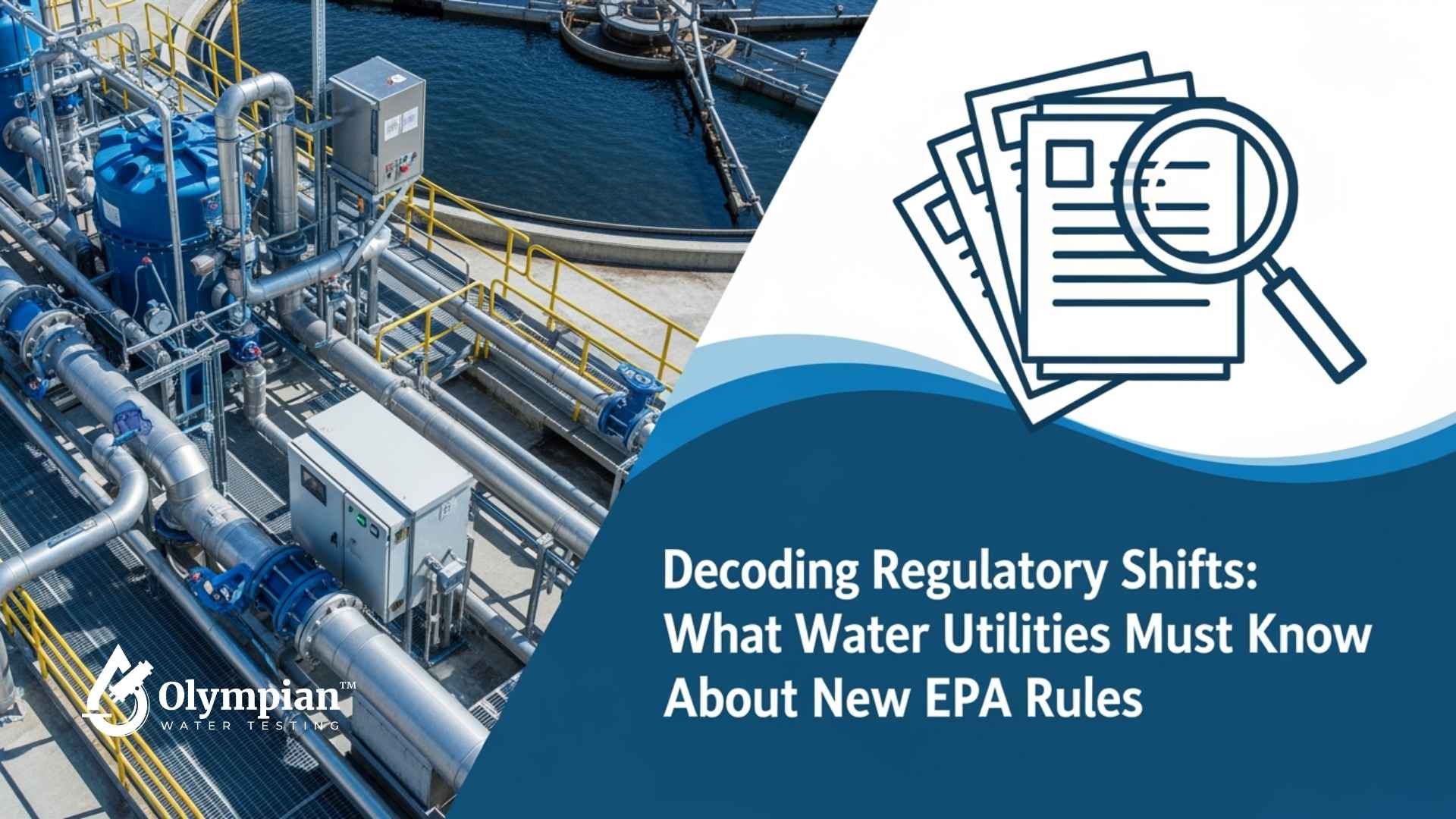
Federal agencies aim to safeguard public health by crafting policies that ensure drinking water is safe. They rely on continuous research to update standards for contaminants and treatment methods. Advances in science often prompt new investigations into chemical risks. This can result in stricter limits on substances previously deemed safe. Water utilities compliance is rooted in a complex system of mandates designed to hold operators accountable. Inspections and mandatory reporting add layers of responsibility. This encourages utilities to continually improve their monitoring and testing procedures. Each regulation emerges from a historical need to address issues like industrial runoff or agricultural chemicals in groundwater. Rigorous oversight helps utilities remain vigilant. Laboratories explore new analytics, while local governments collaborate with industry experts to refine best practices. Understanding the reasons behind each rule makes water utilities compliance more attainable. This foundation ensures clean, reliable water reaches households and supports a thriving environment for everyone.
The Role of Science in Shaping Policies

Research is the driving force behind legislative changes, uncovering the impact of chemicals on human health. Groundbreaking discoveries empower lawmakers to create rules that safeguard our drinking water from harmful pollutants. Through lab tests, scientists measure exposure risks and gather data, guiding the establishment of new safety standards. The focus on PFAS is a recent example of regulatory progress. Scientists provide peer-reviewed insights into the long-term effects of persistent toxins. Their research reveals hidden dangers, prompting stricter regulations and updated monitoring. Water utilities rely on these findings to refine their treatment methods and prioritize public health.
- Identifying pollutant toxicity levels
- Determining acceptable concentration ranges
- Offering risk evaluations for vulnerable populations
Evidence-based policies combine various studies, linking them to enforceable standards. This method shapes national goals and protects vital resources. Below is a table illustrating key research areas and the policy shifts they may trigger.
| Research Area | Significant Finding | Policy Outcome |
| PFAS Impact | High persistence in water sources | Lower allowable limits |
| Toxicity Profiles | Heightened risks for long-term exposure | Stricter testing routines |
Historical Context of Federal Oversight
The need for cleaner water resources led to federal oversight in the United States. Government agencies responded to public concerns about contaminants. They aimed to set clear limits for industry practices. Rules were developed in response to major health issues and pollution in water bodies. This urgency led to long-term federal involvement and calls for consistent oversight.

Key Milestones and Legislative Acts
The Clean Water Act set new standards for pollution in navigable waters. It emphasized protecting ecosystems and enforcing stricter controls on industrial discharge. The Safe Drinking Water Act further protected municipal water supplies. These acts formed a solid legal base for state and federal cooperation.
Influence of Environmental Advocacy Groups
Organizations like the Natural Resources Defense Council raised awareness about water safety. Their campaigns highlighted threats like PFOA and PFOS, pushing for better chemical regulation. Their efforts led to significant policy changes, focusing on long-term health and resource protection.
Key Policy Shifts Targeting Water Quality Parameters
Regulations are tightening to address public worries about contaminants in drinking water. Agencies are revising limits for chemicals linked to health risks. This change impacts how utilities manage their operations. These refinements aim at lower pollution thresholds and broader tracking of emerging threats. CERCLA guidelines encourage a more proactive approach, urging operators to focus on risk management. The public demands thorough testing and transparent data to safeguard communities.
How Standards Are Evolving
Guidelines now emphasize real-time monitoring and consistent reporting of toxins. Scientists warn about the dangers of PFAS and other harmful substances, pushing for updated limits. This shift necessitates new infrastructure investments and training.
Implications for Utility Operators
Operators may update treatment methods and modernize equipment to meet new standards. CERCLA requirements prompt changes in maintenance routines and record-keeping. Failure to adapt could lead to penalties or public backlash.
Proposed Threshold Updates
Visual comparison of new thresholds (normalized to ppb for scale; PFAS in ppt shown relative to max 5 ppb) plus a detailed table with potential impacts.
New Threshold (visual)
PFAS
10 ppt
Lead
5 ppb
Arsenic
5 ppb
Threshold Details Table
| Parameter | New Threshold | Potential Impact |
|---|---|---|
| PFAS | 10 ppt | Higher treatment costs |
| Lead | 5 ppb | Increased pipe replacements |
| Arsenic | 5 ppb | Frequent testing cycles |
Monitoring Techniques Evolving Under New Guidelines
Water utilities are adopting advanced sampling methods to detect trace contaminants more accurately. They use dedicated sensors and high-precision lab equipment. This allows them to identify PFAS at lower thresholds, ensuring stricter compliance with RCRA. Operators are now using flexible data platforms that gather results in real time. These insights help them take proactive measures without unnecessary downtime for sample processing.
- Increased frequency of spot checks
- Real-time data logging for reliable oversight
- Cutting-edge software that streamlines reporting
Modern sensor fusion supports advanced analytics, enabling teams to respond quickly to critical levels. This vigilance aligns with RCRA, pushing operators to refine their approaches for safer public water supplies. Many technologies stand out:
| Method | Key Benefit |
| High-Resolution Mass Spectrometry | Identifies emerging pollutants faster |
| Field Test Kits | Enables on-site assessments without complex setups |
| Cloud-Based Dashboards | Centralizes findings for seamless updates |
Addressing Contamination Risk Factors
Water utilities face numerous pollutants that threaten public health. These pollutants often come from industrial sites, farmland runoff, or faulty infrastructure. Contamination raises concerns about the safety of treated water. Managing these risks requires ongoing analysis, public awareness, and responsive action.

Identifying Common Sources of Pollution
Factories dispose of chemicals that seep into local watersheds. High nitrate levels come from fertilizer applications on fields. Aging pipelines sometimes leak hazardous substances. PFAS liability is a growing issue when these chemicals enter water systems, posing challenges for utilities and consumers.
Preventive Measures and Best Practices
Operators test for concerns before damage escalates. They strengthen source monitoring programs, enforce pretreatment protocols, and promote responsible waste management. Some utilities invest in updated filtration technologies to remove complex contaminants. Public campaigns raise awareness of safe disposal methods and ways to limit runoffs. Addressing PFAS liability requires collaboration between regulators, industries, and community leaders. Strict oversight and proactive planning reduce legal exposure and ensure consistent access to clean water.
Funding and Resource Allocation for Compliance

Water utilities face financial hurdles in adhering to new standards. The costs of testing stations, remediation tools, and legal services can be overwhelming. Seeking grants from federal or state agencies can greatly enhance their chances of success. Effective budgeting and cash flow projections are essential. They help navigate the complexities of EPA enforcement projects. This approach ensures that resources are allocated efficiently. Experts suggest a multi-faceted financial strategy. This includes cost recovery through litigation, specialized loans, or funding agreements. The goal is to protect public health and uphold high operational standards. Operators might collaborate with municipal boards for low-interest financing or private investors for sustainable projects. Each plan must consider the impact of technology and labor cost changes. Regular audits and budget reviews are vital for compliance and public trust.
Examining the Latest EPA Mandates
Federal guidelines are evolving to tackle new threats in drinking water. Operators must now meet stricter inspection targets to boost public safety and oversight. These updates aim to catch hazards that might evade traditional checks. Reviews show tighter limits to uphold water quality standards. Testing now relies on scientific evidence to detect contaminants early. This method allows utilities to prepare for upcoming rules before they are enforced.
New Criteria for Public Health Protection
Studies reveal stricter standards for known pollutants. Agencies push for the use of advanced monitoring technologies to track chemical levels. The goal is to prevent long-term exposure and ensure public trust in municipal water systems.
Deadlines and Enforcement Timetables
Deadlines vary, but often include annual progress reports and detailed documentation of upgrades. Operators who fail to meet deadlines face penalties, prompting early action. Adapting filtration methods and reviewing equipment can save time and meet new standards. Plans must be completed within set deadlines to avoid non-compliance.
| Mandate | Core Focus | Compliance Date |
| Rule A | Reduced arsenic levels | January 2024 |
| Rule B | Enhanced pathogen screening | July 2025 |
| Rule C | Extended testing intervals | December 2026 |
State-Level Variations and Their Impact
In the United States, regional authorities often set water rules stricter than federal standards. This can surprise utility operators, who seek consistent ways to protect public health. Local agencies might concentrate on issues related to specific water sources or climate patterns. They might demand advanced filtration or extra testing. This shapes how facilities keep delivery systems safe. The American Water Works Association states, “Localized initiatives can spark innovative strategies, strengthening industry standards across the nation.” Companies operating in multiple states face diverse regulatory demands. These demands affect staffing, budgeting, and operational timelines. This patchwork of measures adds complexity but also offers a chance to tailor solutions to each environment.
- Balancing varied reporting frameworks
- Coordinating with local stakeholders
- Adapting facility upgrades to meet stricter criteria
Many see benefits in addressing site-specific water conditions. Regional guidelines often reflect community input. This leads to policies that value long-term sustainability and ecosystem health over uniform approaches.
| State | Key Local Priority |
| California | Adoption of stringent nitrate thresholds |
| Texas | Enhanced protocols for filtration upgrades |
| New York | Heightened monitoring for PFAS contaminants |
The Importance of Transparent Data Sharing
Clear and open communication of water metrics fosters confidence among communities. Sharing test results and safety updates reassures residents that measurements remain accurate and actionable. This practice reduces skepticism and supports cooperative relationships between utilities, regulators, and the public.
Building Public Trust

At times, unforeseen challenges arise in distribution systems. Transparent data sharing addresses worries by revealing daily testing outcomes and long-term trends. This approach highlights each success story while uncovering areas that need attention.
- Confidence in consistent reporting grows public engagement
- Education on water testing methods clarifies safety procedures
- Prompt disclosures motivate satisfied local stakeholders
Technological Solutions for Data Management
Modern platforms from recognized providers streamline data collection and processing. Real-time dashboards and cloud-based tools track chemical levels and detect irregularities. These systems help decision-makers respond swiftly, maintain thorough records, and showcase ongoing compliance management.
| Platform | Main Feature | Community Benefit |
| Microsoft Azure | Scalable data storage | Fast access to test results |
| Google Cloud | Real-time reporting | Instant insight into water quality |
Legal Ramifications for Non-Compliance
Violations can lead to lawsuits, fines, and even criminal charges. Statutes like CERCLA impose strict liability on organizations. They must ensure contaminants do not leak into distribution networks. This requires operators to maintain high standards and accurate records. Water utilities may face legal action, even if they didn’t introduce toxins. Any substance moving through pipes under public trust can lead to lawsuits. It’s essential to work with expert counsel and plan for risks to avoid oversights. Authorities seek evidence of prompt reporting, advanced monitoring, and consistent testing. These actions show a commitment to public health and can prevent severe penalties. Legal teams recommend protocols to protect staff, resources, and consumers from threats in aging infrastructure.
| Common Infraction | Potential Outcome | Example Penalty |
| Unreported Toxin Discharge | Regulatory Lawsuits | Costly Settlements |
| Ignored Maintenance Defects | Widespread Health Risks | Steep Fines |
Innovations Driving Regulatory Compliance
Water utilities are embracing new ideas to meet the latest EPA standards. The rise of emerging contaminants demands modern solutions to combat these tiny threats. Leaders are looking into systems that enhance efficiency while ensuring they meet regulatory requirements. Companies like Xylem and Veolia are introducing advanced treatment technologies to tackle complex pollutants. They offer reverse osmosis modules and high-grade ultrafiltration units. These tools help operators protect consumers and maintain reliability. Strategic investments can also build public trust and reduce long-term costs.
Advanced Treatment Technologies
Intelligent sensors and data-driven controls can detect contamination early. Aeration devices and specialized membranes filter out harmful substances quickly. Facilities often benefit from flexible configurations that adapt to changing demands. "We see a future where water treatment adapts in real time to rising risks," commented an engineering lead at Siemens Water Solutions.
Emerging Analytical Methods
Rapid-testing kits and precise instrumentation can identify traces of pharmaceuticals or chemicals. Automated dashboards provide instant updates, enabling teams to address threats swiftly. Many utilities rely on cloud-based analytics to manage complex data streams.
| Technology | Key Feature | Potential Impact |
| Modular Filtration Units | Configurable design | Scales with growing needs |
| High-Resolution Detection | Advanced mass spectrometry | Reduces liability risks |
| Real-Time Monitoring | Continuous data flow | Encourages swift response |
Best Practices for Effective Stakeholder Communication
Engaging diverse audiences can strengthen trust and encourage long-term support for water utilities. Clear explanations of goals and challenges create unity between community members and technical teams. Simple language helps readers understand complex terms, making them more willing to participate in discussions on water quality. Frequent updates and open dialogue channels boost public confidence. Thoughtful messages convey strategic decisions and risks without causing undue alarm. Localized examples, such as clear before-and-after data, reveal the tangible benefits of system improvements. These efforts highlight the significance of compliance while showing real-world advantages. The American Water Works Association states: “Open communication fosters trust and encourages collaboration across all areas of water management.” Leaders achieve the greatest impact by using varied tools, from email alerts to public forums. This ensures everyone feels heard. Effective engagement fortifies commitment to safeguarding resources, helping communities and regulators reach common ground on critical water regulations.
Achieving Long-Term Sustainability in Water Utilities
Ensuring the long-term stability of water systems demands careful planning and equitable funding. Communities often seek grants or legal actions against polluters. This strategy directs settlement funds towards infrastructure upgrades. It helps avoid significant rate hikes and protects water resources.
Balancing Economic and Environmental Needs
Effective budgeting combines financial prudence with environmental responsibility. By investing in advanced treatment systems, costs are reduced, and ecosystems are preserved. This approach supports local economies by lowering long-term expenses while maintaining water quality.
Collaborative Approaches to Resource Management
Industry partnerships, municipal leaders, and environmental groups can collaborate on data sharing and research. Joint projects distribute costs and facilitate adaptation to supply or demand changes. Such cooperation fosters trust, reduces risks, and ensures operations are resilient for the future.
Industry-Wide Collaborations and Partnerships
Water utilities, scientific agencies, and nonprofits are coming together to find new solutions. The American Water Works Association and the U.S. Environmental Protection Agency are leading the way. They merge research with outreach, fostering a culture of resource sharing to tackle long-standing contamination issues. Leaders are working together to secure grants, negotiate policy changes, and bridge funding gaps. This collective effort greatly benefits smaller districts. They often lack the advanced tools or extensive legal support needed. Through cross-state alliances, fresh perspectives emerge, leading to quicker adoption of effective treatments. This boosts water quality across communities. Collaboration among utilities is a powerful driver for protecting public health and strengthening trust in water systems.
- Accelerated upgrades for aging infrastructure
- Joint legal counsel for complex compliance cases
- Enhanced influence when shaping federal and state guidelines
These partnerships set a higher standard for safety. They show the significant impact of a unified voice in shaping future regulations.
Charting the Path Forward for Water Utilities
Water utilities are on the cusp of a transformative era, requiring unwavering attention and a commitment to ongoing learning. The advent of new regulations necessitates a proactive stance, where leaders can safeguard their communities by embracing cutting-edge equipment and data-driven testing methodologies. The imperative for investment in infrastructure upgrades and the adoption of technology that adheres to stringent EPA standards cannot be overstated. This journey demands a collaborative effort among federal agencies, industry specialists, and local entities, united by a shared dedication to public health. Ensuring the long-term quality of water hinges on the principle of transparency. By openly sharing progress and actively engaging with the community, utilities can enhance trust and foster a deeper understanding. Regular assessments of risk factors empower utilities to respond swiftly and effectively. The integration of energy-efficient practices, refined treatment processes, and adaptive planning will fortify water sources for generations to come. Innovation in treatment technologies and sensor technologies holds the promise of simplifying compliance and lowering operational costs. By embracing partnerships, securing enduring funding, and promoting education, water utilities can navigate the complexities of evolving standards. They emerge as reliable guardians of this vital resource, setting a precedent for excellence.