Understanding the Scope of Contamination
Public water systems face hidden dangers from industrial runoff, agricultural chemicals, and poor pipeline maintenance. These threats pose a significant risk to communities that depend on tap water for their daily needs.
Identifying hazards early is critical for Groundwater Safety and keeping Drinking Water Regulations current. Past cases in states like Florida show how outdated waste management allowed toxic substances to enter local waterways. This highlights the need for thorough monitoring and swift improvements.
Possible Sources of Hazardous Chemicals

Factories and farms release byproducts that can leach into soil and drift into municipal supplies. Unchecked disposal of chemicals and inadequate control of industrial waste increase contamination risks.
Infrastructure Challenges Affecting Supply Lines
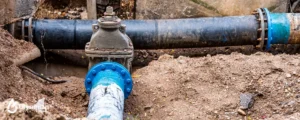
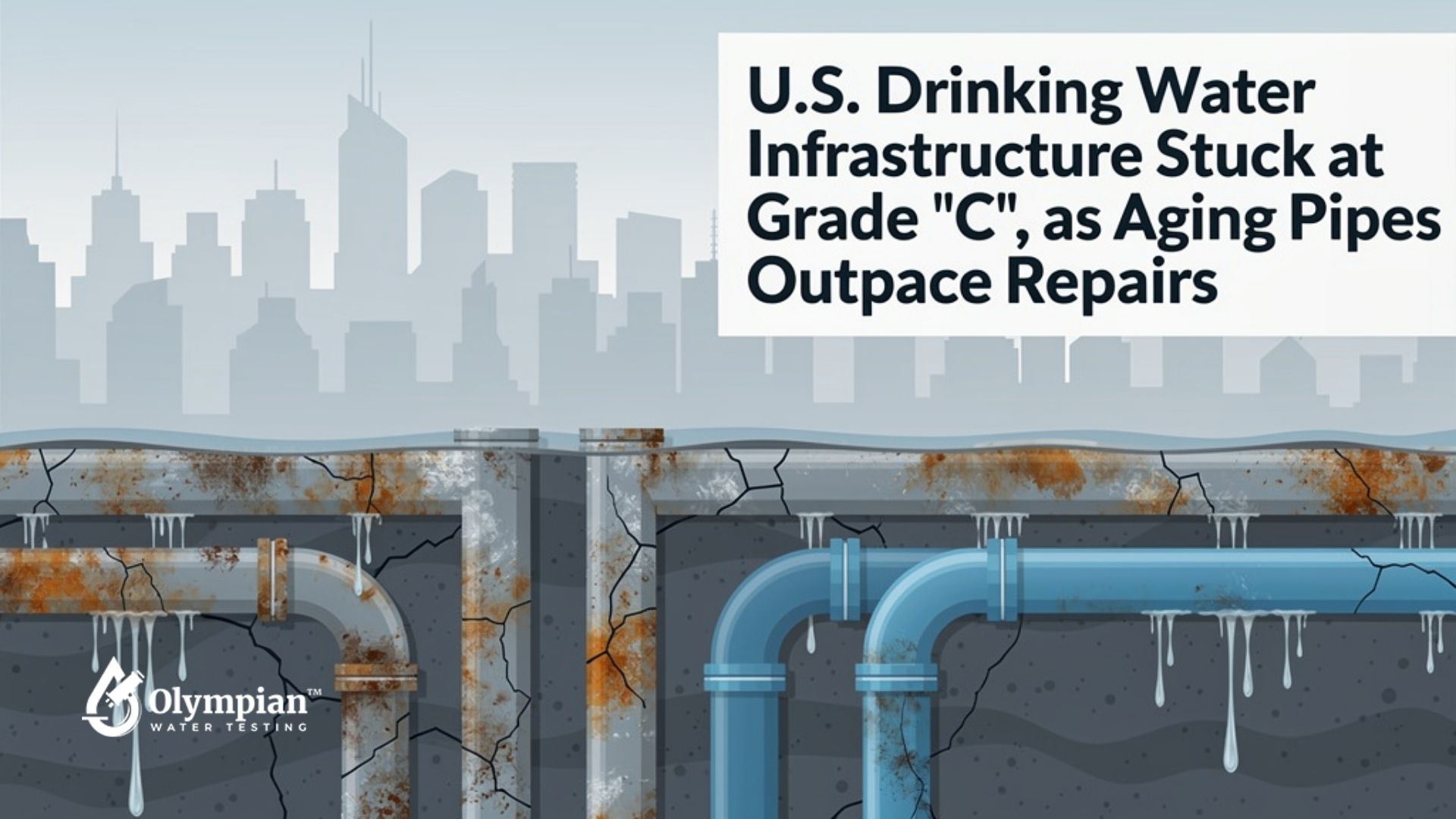
Aging pipes and inadequate inspection practices exacerbate water quality threats. Weakened connections and limited filtration technology allow pollutants to linger. This raises concerns in towns aiming to protect public health.
Infrastructure Issue | Potential Impact | Suggested Action |
Corroded Pipelines | Leakage of contaminants | Retrofit or replace with modern materials |
Outdated Filters | Ineffective chemical removal | Upgrade to advanced treatment systems |
The Impact on Public Health
The presence of PFAS, nitrates, and other contaminants has highlighted Tap Water Issues. Medical research suggests links to thyroid disorders, certain cancers, and infant development problems. Their accumulation in the body poses serious Public Health Risks, affecting children and older adults the most.

A study from the CDC points to Washington state communities as early examples of persistent chemical contamination in tap water. Continuous monitoring is vital for spotting water quality abnormalities. Without ongoing vigilance, these pollutants could harm vulnerable populations. Regular testing and awareness campaigns are key defenses against emerging hazards. State agencies recommend frequent filtration checks to reduce exposure and safeguard local households.
Key Indicators Local Officials Are Monitoring
Local authorities closely monitor several signs to ensure water safety in homes. They collect data on PFAS, industrial residue, nitrates, and harmful germs. Experts also watch for increases in heavy metals, which can be released by older pipelines.
Regular testing helps pinpoint areas with Tap Water Issues. This data guides Infrastructure Updates to improve water quality. By tracking changes in chemical levels, officials can act swiftly.
Agencies often work together to issue public alerts. This helps residents and businesses stay informed. Surveys also keep communities aware of water safety risks, fostering more discussions.
These indicators inform local strategies for hospitals, schools, and food service providers. Identifying threats early allows towns to strengthen pipelines and install filtration systems. This proactive approach aims to safeguard health and maintain public trust in water supplies.
Tap Water Issues Highlighted by Experts
Leading researchers have brought to light concerns about chemicals in local water supplies. Their focus is on new discoveries that could pose health risks. This has led to demands for stronger safety measures and more consistent oversight.

Insights from Environmental Agencies
The Environmental Protection Agency (EPA) and the U.S. Geological Survey stress the importance of systematic sampling. They collect data over time to uncover patterns related to PFAS Contamination and other harmful substances. This monitoring helps identify risk sources, guiding policies that meet current Drinking Water Regulations.
Importance of Ongoing Testing and Transparency
Regular evaluations of municipal water supplies keep residents informed about possible threats. Government bodies collaborate with local officials to share findings and suggest mitigation strategies. Clear reporting builds trust, motivating communities to support research for immediate action against emerging issues.
- Routine testing helps identify new concerns quickly
- Transparent reporting empowers community leaders to target specific issues
Emergency Measures in Place
State leaders called for immediate action to protect local residents and tackle pressing issues. They are directing resources to mitigate Public Health Risks. This includes launching outreach efforts and bolstering emergency response plans.

Local Government Funding and Coordination
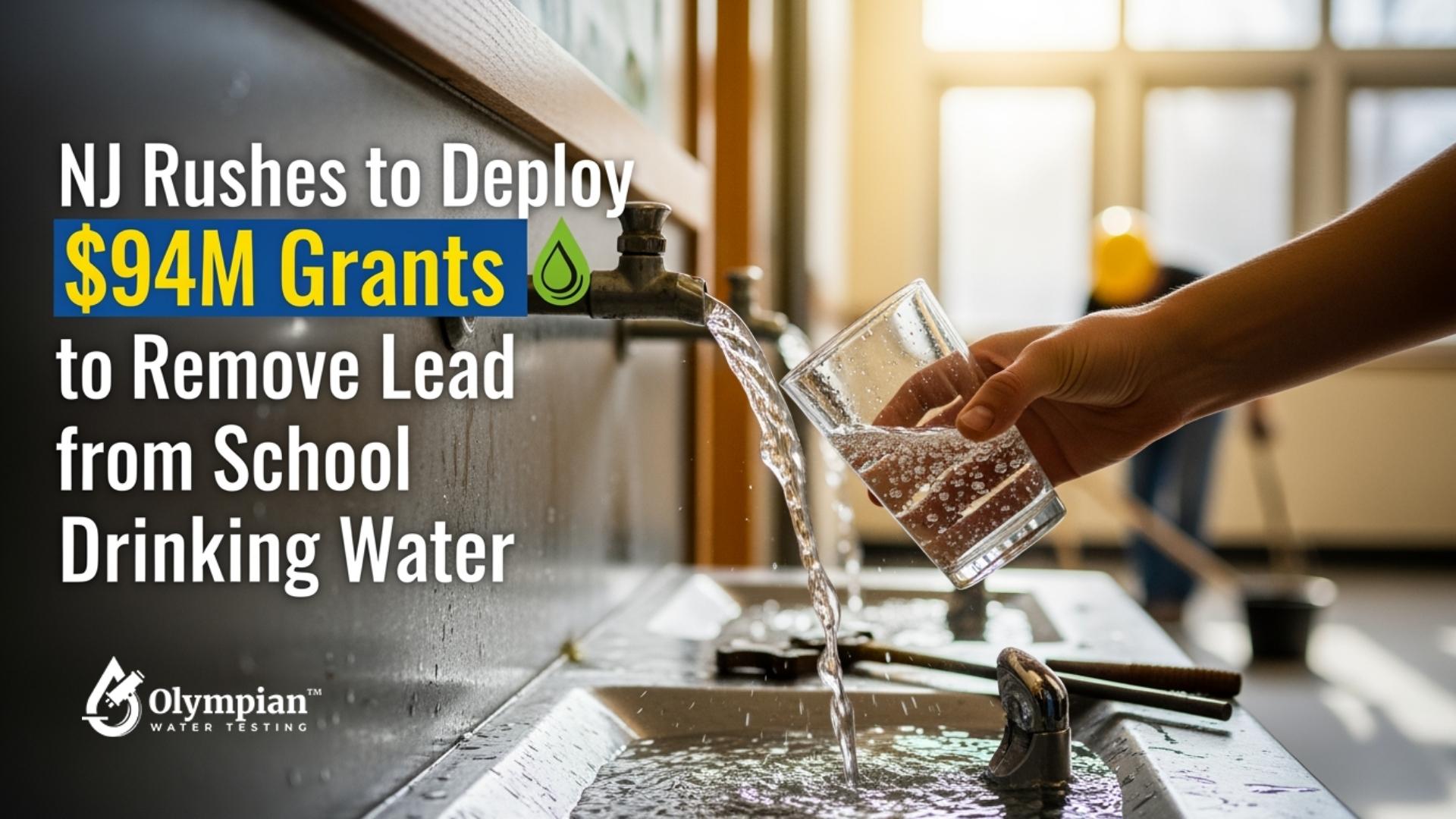
Municipal councils teamed up with federal agencies like FEMA to secure grants for bottled water distribution. These funds also aid in infrastructure repairs to stabilize water supply channels. Community leaders held public forums to discuss these financial resources and address urgent concerns.
Rapid Response Efforts and Community Distribution
Local volunteers and healthcare organizations collaborated to establish clean water stations. These distribution sites allowed families to gather essentials and learn about Water Filtration Solutions. Medical teams closely monitored illness reports, providing timely updates to affected areas. These swift actions aim to fill the gap until long-term solutions are implemented.
Comparing New Jersey’s Water Quality with Other States
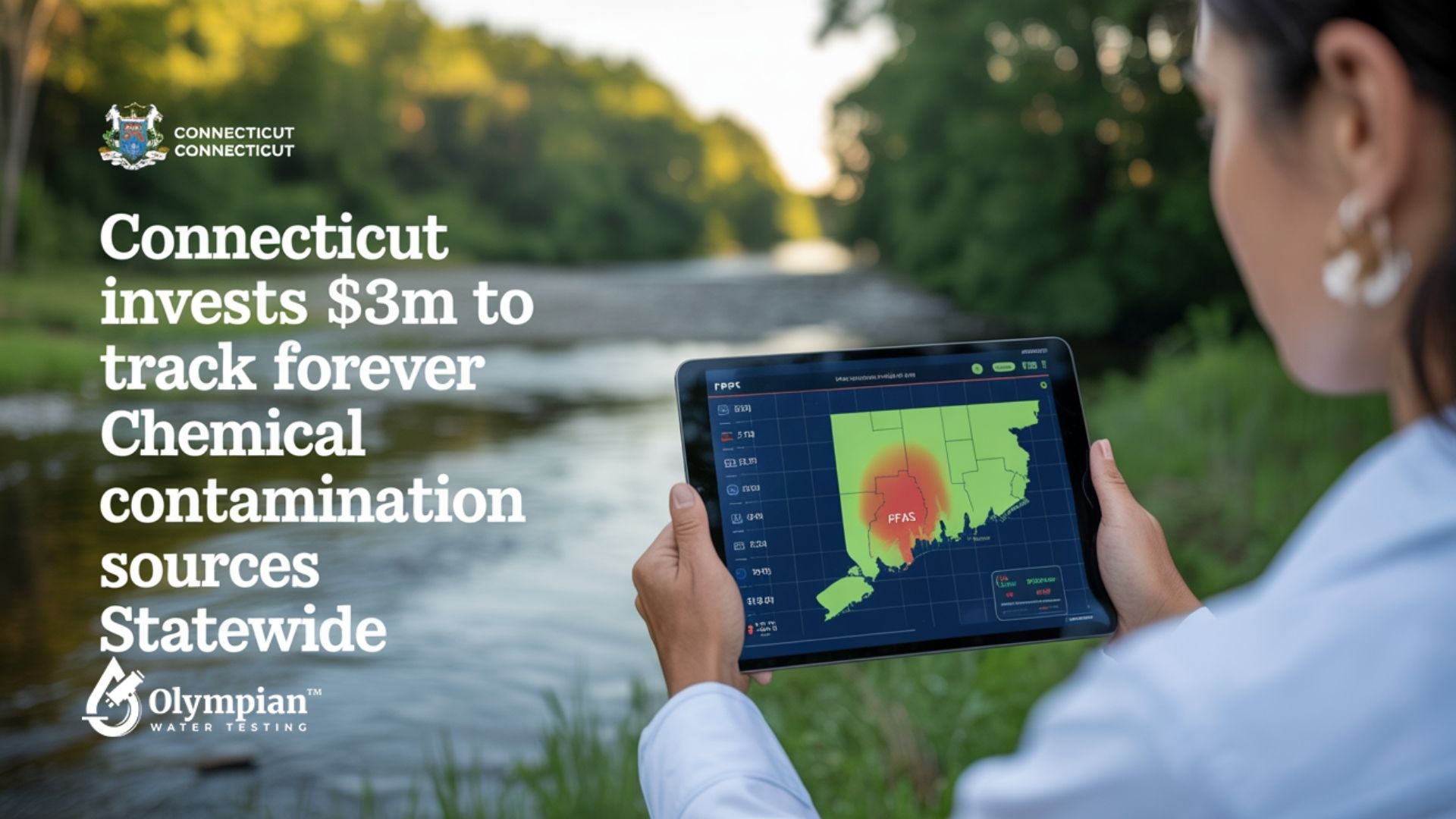
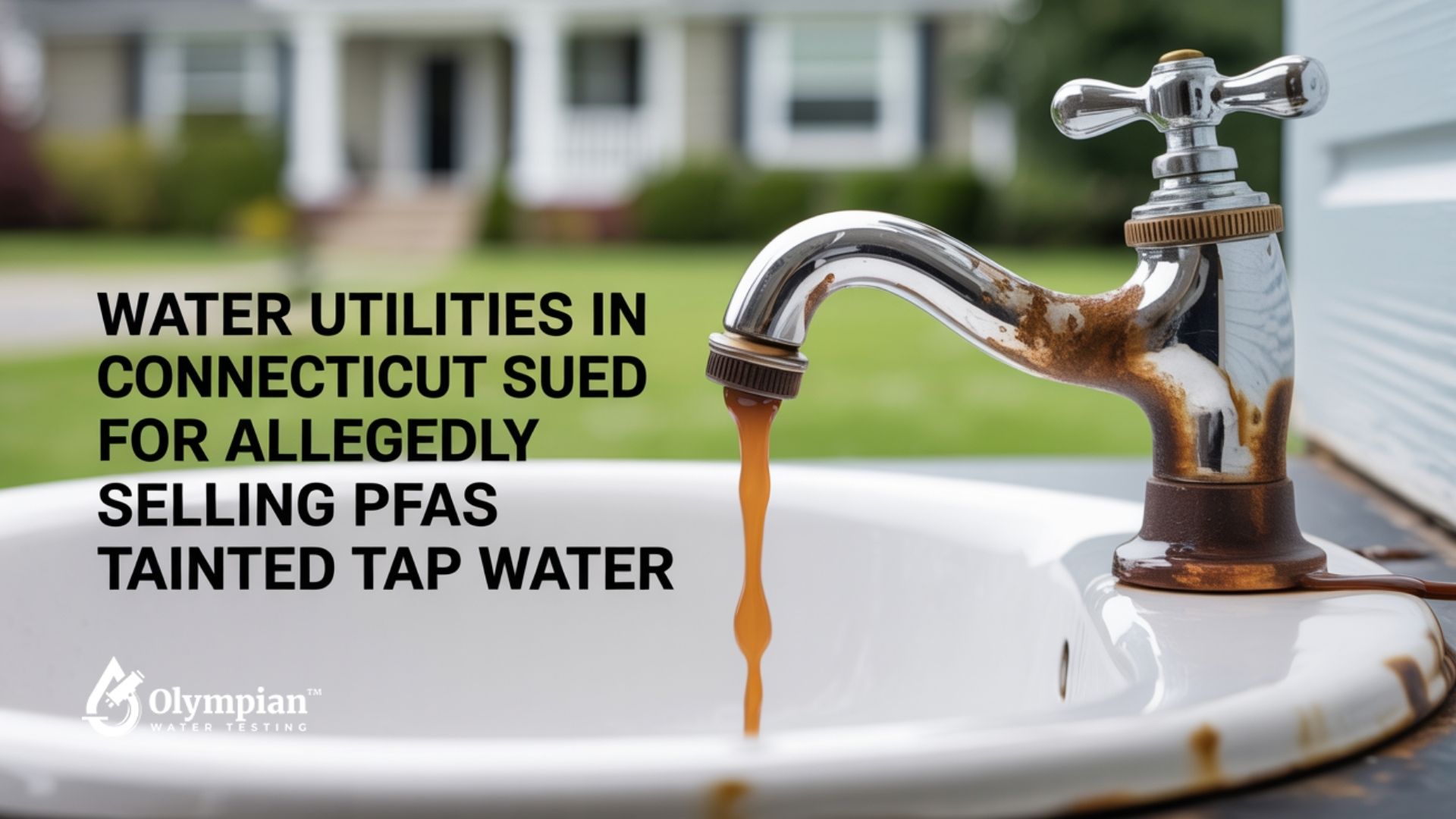
Tap Water Issues are not unique to New Jersey. Massachusetts, for instance, has seen widespread PFAS Contamination. This is due to industrial activities and past firefighting practices. Connecticut also faces similar challenges, highlighting how these "forever chemicals" spread through shared waterways and years of use.
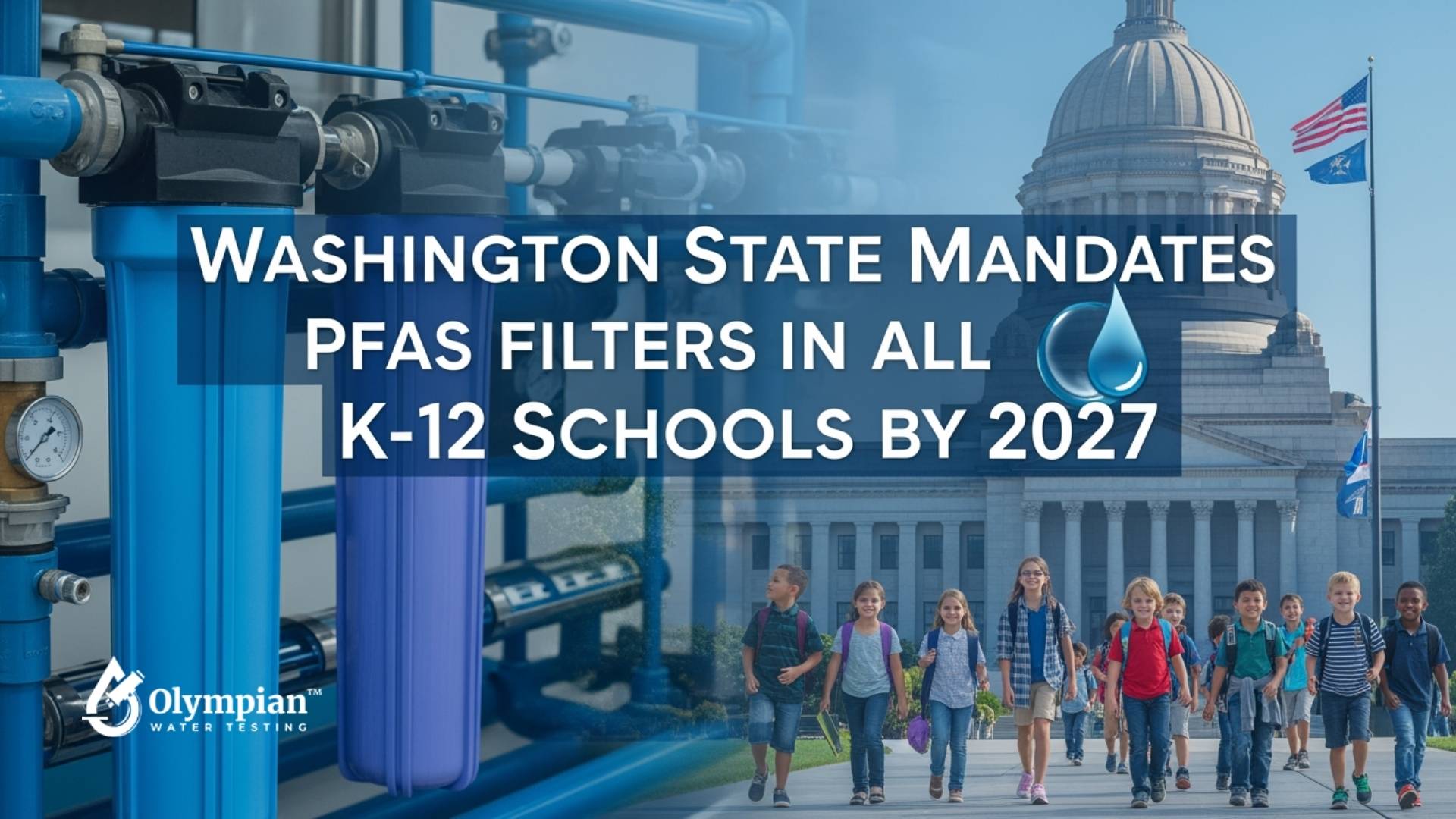
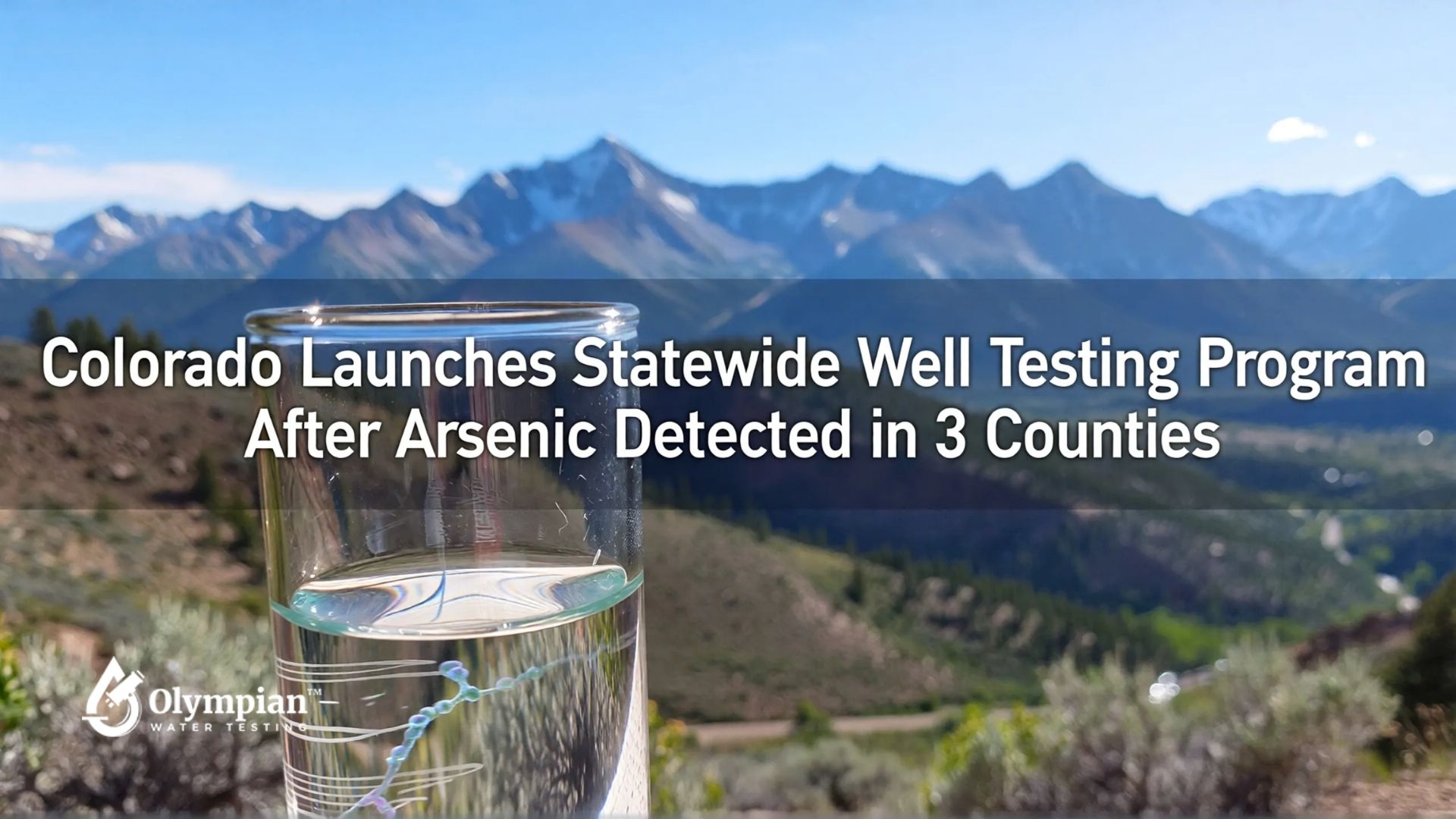
In western regions, agricultural runoff is a major concern. It leads to increased nitrates and other pollutants in water. Some Washington counties have found high levels of fertilizer residue in their water. This shows how different factors affect local water quality and safety measures.
By studying various environments, regulators can refine policies. This helps keep drinking water safe for everyone.
State | Primary Concern | Possible Contributing Factor |
New Jersey | Tap Water Issues | Industrial discharge and aging pipes |
Massachusetts | PFAS Contamination | Firefighting foam and manufacturing |
Connecticut | PFAS Contamination | Region-wide chemical legacy |
Washington | Nitrate Spikes | Agricultural runoff |
Guidance for Residents in Affected Areas
Households looking for added protection can adopt key practices to reduce risks and enhance water quality. An advisory overview from the CDC provides essential steps for safe drinking and everyday use.

Choosing Effective Water Filtration Methods
Many residents seek Water Filtration Solutions to combat local threats. Activated carbon systems are popular for reducing substances like chlorine. Reverse osmosis filters out chemicals that other filters miss. It’s vital to test each device before committing to long-term use to ensure its effectiveness.
Safety Tips for Boiling and Storage
Boiling water can kill some organisms. Yet, it doesn’t remove complex pollutants, making it a good complement to consistent filter use. Proper handling of containers is also critical to prevent contamination. These measures are essential for Groundwater Safety, where well systems meet municipal lines.
“Storing water in sanitized containers can help preserve its quality,” said a representative from the New Jersey Department of Environmental Protection.
- Cool boiled water promptly
- Wash containers with soap and warm water
- Seal lids securely to block airborne particles
Role of Independent Testing Laboratories
Independent labs collect water samples under strict protocols. Their findings help pinpoint contaminants that slip through routine checks. Objectivity and precise methodologies bolster public trust when concerns arise about local tap conditions.

These facilities are vital for refining Drinking Water Regulations and guiding Infrastructure Updates. They supply neutral data and uncover contamination patterns that might go unnoticed. Data-driven recommendations direct leaders toward remediation steps that reduce future health risks.
- Analyzing chemical composition for hidden pollutants
- Comparing current readings with national safety standards
- Advising government agencies on urgent resource allocations
Testing Category | Primary Focus | Outcome |
Microbiological | Pathogen presence and growth | Reduces infection risks |
Chemical | Heavy metals and toxins | Protects long-term health |
Physical | Cloudiness and odors | Enhances overall quality |
Community Reactions and Advocacy
Neighborhood coalitions across various areas have come together to tackle the growing Public Health Risks from unsafe tap water. They are actively sharing urgent tips through town halls, digital forums, and radio segments. Their goal is to promote early detection and strong preventive actions.
Grassroots Organizations Raising Awareness
Non-profit alliances, environmental advocacy groups, and faith-based institutions are leading the charge. They focus on fundraising, petitions, and direct outreach to residents. Inspired by Florida’s efforts, New Jersey towns are now demanding official investigations and advocating for long-term Water Filtration Solutions.

Social Media as a Catalyst for Change
Digital platforms have become a powerful tool for community connection. A recent feature highlighted the role of community forums and blog stories in mobilizing volunteers. Users are also sharing tips on affordable Water Filtration Solutions, aiming to mitigate Public Health Risks statewide.
- Organize local meetups for quick information sharing
- Collaborate with trusted labs for safer testing
- Engage community leaders to expedite funding
Platform | Key Action | Potential Outcome |
Community Forums | Petition Signing | Increased Official Oversight |
Social Media Groups | Shared Resources | Faster Emergency Responses |
Charting a Course Toward a Cleaner Water Future
Federal leaders are exploring new policies to tackle PFAS Contamination in various industries. Communities in New Jersey are diligently testing both public and private wells. This effort helps identify risks and steer the development of effective water treatment strategies.
Local authorities are focusing on reducing pollution by improving oversight of chemical use and storage. Some municipalities are investing in filtration systems designed to remove harmful substances. They are also expanding Groundwater Safety measures. Health professionals urge residents to stay informed about guidelines and participate in discussions on water legislation.
Industry cooperation is also key to progress. Facilities that adhere to stricter emissions standards reduce toxic runoff early on. This helps minimize PFAS Contamination near local areas. Advocates emphasize the importance of data sharing and timely water advisories. Federal task forces are working with state agencies to strengthen enforcement and upgrade infrastructure.
This collective effort is paving the way for a safer water supply. Many see ongoing outreach, regular testing, and targeted policy changes as essential for lasting improvements. Building public trust is vital as families look forward to cleaner rivers, enhanced Groundwater Safety, and a renewed commitment to water quality.