Why Salty Tap Water Is Becoming More Common in New Jersey
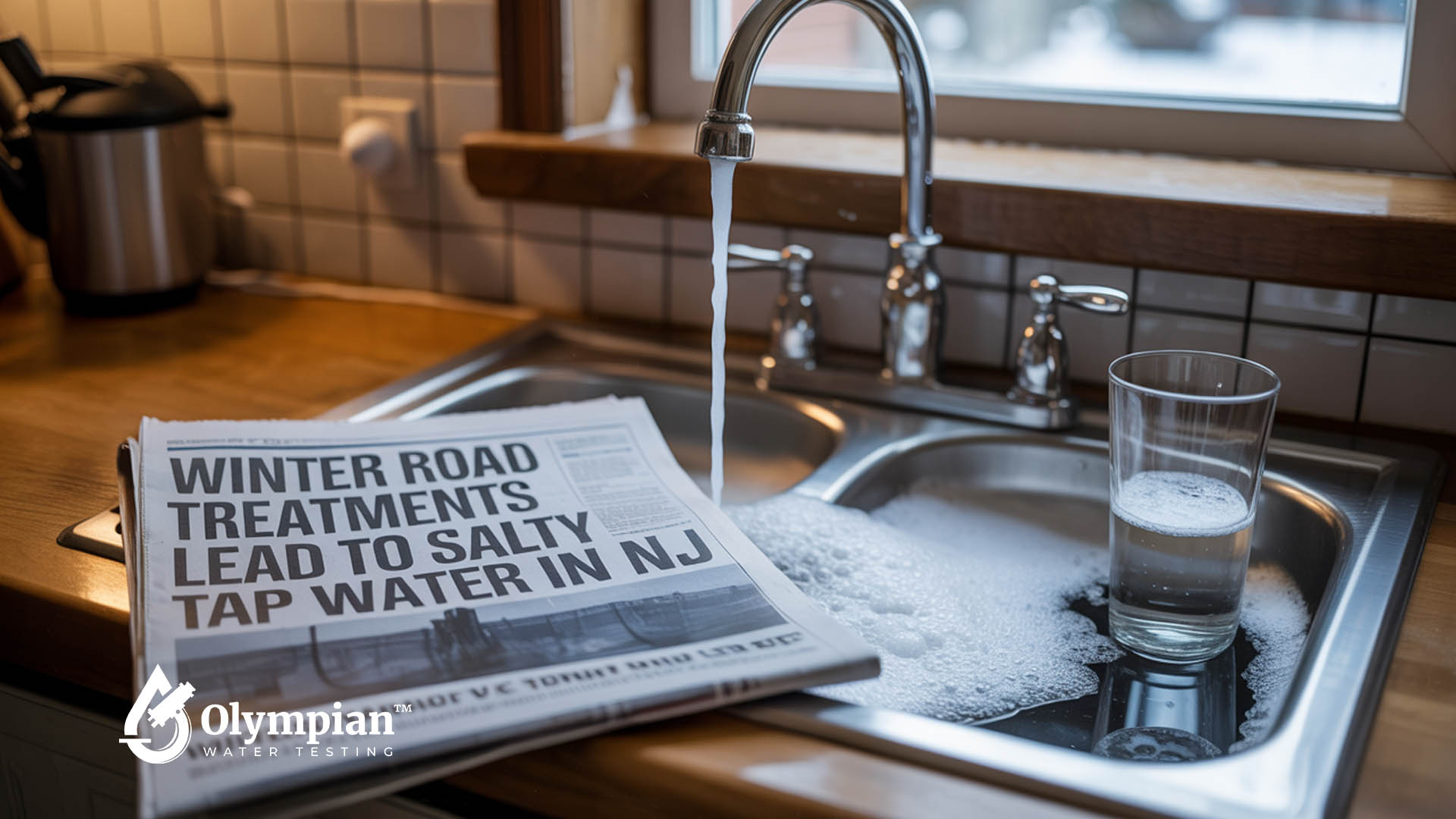
In many parts of the state, tap water has developed a noticeably saltier taste. This shift is linked to unique challenges on roads and sidewalks during the colder season. Once salt dissolves, it can increase chloride levels in local rivers and reservoirs.
Increased Salt Usage on Roads
Public works teams, homeowners, and businesses rely on increased road salt to combat slippery surfaces. The resulting runoff raises salinity in nearby water sources, which eventually supply local communities. This practice aims to keep roads safe but can intensify the saltiness of tap water.
- Greater reliance on salt for de-icing
- Seasonal freeze-thaw cycles that demand repeated treatments
- Changing water levels in reservoirs and streams
Impact of Harsh Winter Conditions

Several consecutive months of harsh winters have forced authorities to apply more salt than in the past. Prolonged freezing temperatures lead to repeated treatments, amping up the risk of sodium and chloride infiltration. Residents may notice changes in their household water flavor, prompting concerns about long-term health effects.
How Road Salt Flows from Streets to Water Supplies
Road grit dissolves into melting snow and rain, flowing through drainage systems. This salted mixture merges with local streams and reservoirs. It creates a lingering presence that heightens water contamination concerns. Continuous freezing and thawing intensify the spread, as brine travels beyond typical filtration points.

Moveable liquids seep into the soil, forming part of the storm runoff that permeates aquifers. Treatment facilities face added strain in removing elevated sodium from these sources. Some homes experience subtle shifts in taste, while older plumbing may suffer corrosive wear. The process can prove costly, pushing communities to keep watch over their water supplies.
Key Salt Flow FactorsFactor | Possible Impact |
High Salt Usage | Persistent buildup in nearby rivers |
Heavy Snowfall | Increased brine entering groundwater |
Limited Maintenance | Accelerated wear on infrastructure |
The Role of Snowmelt and Runoff in Contaminating Drinking Water
When temperatures rise, salt-laden slush flows into roadside storm drains. This movement pushes salinity levels into streams and reservoirs. Basic filtration cannot remove every particle, leaving some salt dissolved in the water.
Chloride infiltration increases risks for aquatic life and nearby vegetation. It persists in waterways, creating conditions that strain native plants and animals. Public concerns grow as these salts accumulate, suggesting long-term effects on drinking water sources.

Pathways Through Soil and Groundwater
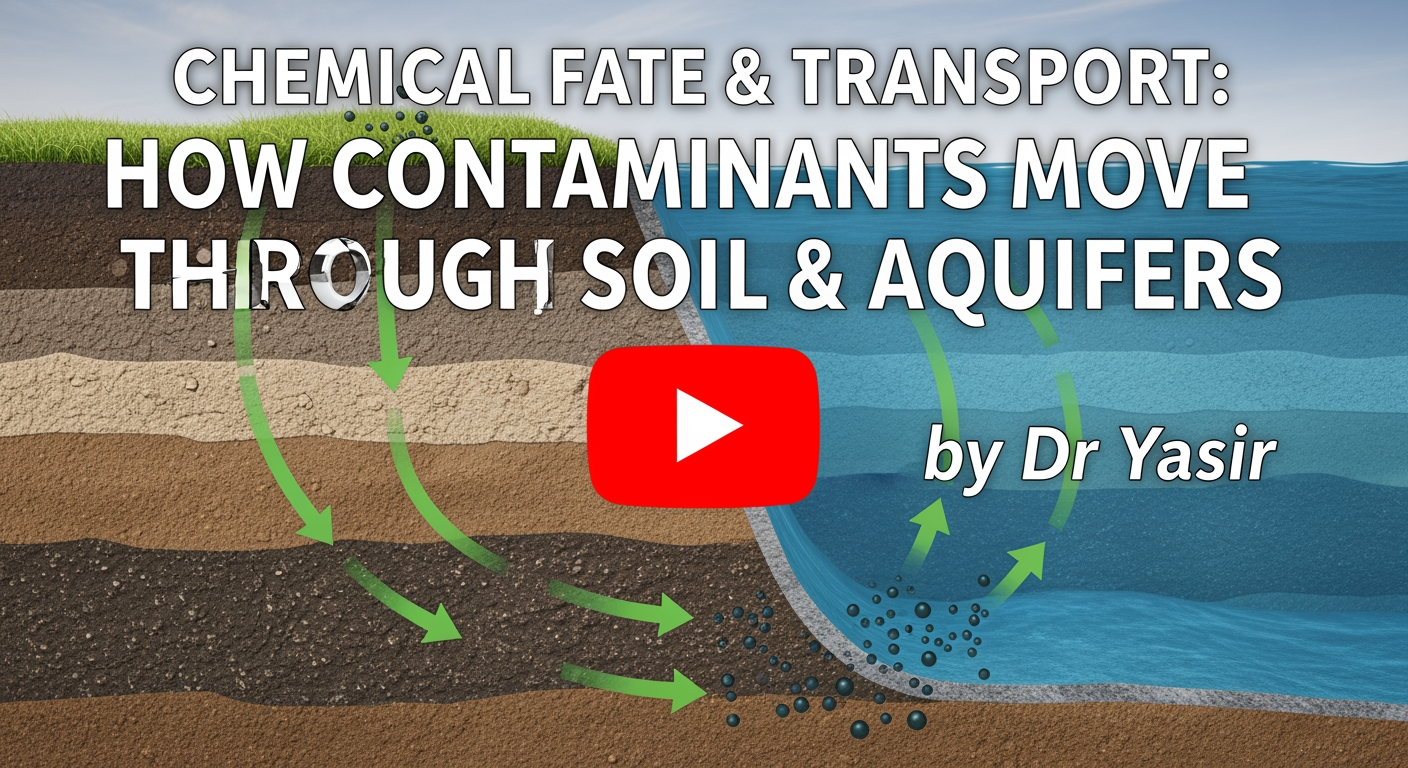
Snowmelt runoff can carry salt into topsoil, where it migrates toward shallow aquifers. Groundwater pathways, made up of porous layers, allow these dissolved salts to travel deeper. This affects wells and municipal systems. Communities in sensitive regions explore safer de-icing methods to protect their water and reduce the lingering salt burden.
Effects on Public Health and Environmental Safety
Elevated salt levels in tap water raise concerns for those following a low-sodium diet. Individuals with specific health conditions may face heightened health risks from unexpected salt in their meals. Seeking a doctor’s advice is often necessary to navigate these changes.

For more information on sodium in drinking water and how to test it, visit this report. It’s essential to maintain moderation, given the risks associated with blood pressure and kidney issues.
Potential Risks for People with Health Conditions
Experts warn against overlooking even slight increases in sodium levels. Some individuals need to monitor their water intake closely to avoid putting extra pressure on their organs. It’s critical to verify the actual sodium levels before making any changes to daily habits.
Threats to Aquatic Ecosystems

Runoff high in salt poses significant aquatic environment impacts. Species sensitive to sudden changes in water chemistry struggle to survive. Over time, this can lead to damage to habitats and changes in local biodiversity.
Sodium Level (mg/L) | Potential Impact |
0–20 | Minimal effect on taste |
21–60 | Heightened sensitivity for at-risk groups |
Over 60 | Increased complications for sodium-restricted diets |
Community Perspectives on Winter Road Maintenance
New Jersey residents have mixed opinions on winter safety and the impact of salt on their water. They worry about ice on roads but also question the long-term effects of using so much salt. This has sparked heated debates in local communities.
Some homeowners use DIY kits to check their water’s mineral levels and find them increasing. Businesses are installing reverse osmosis systems to keep coffee and baked goods tasting good. The cost of filter replacements is a growing concern, leading to debates about safety versus water quality.
Health advocates are pushing for salt alternatives to reduce blood pressure risks. Local cafés have noticed a change in flavor due to increased sodium. Many residents want to find a way to reduce chemical runoff without compromising road safety or their health.

Community leaders and environmental groups are discussing salt alternatives in public forums. They aim to protect water quality while ensuring safe travel during winter storms.
Mitigation Efforts from Local Authorities
In New Jersey, local agencies are crafting targeted strategies to lessen the effects of winter road treatments. They aim to balance safety with environmental care. By monitoring daily weather, they apply salt precisely, saving resources and reducing pollution.
They work with state programs to develop municipal strategies that minimize salt use. They test water samples to check for salt contamination in drinking water. This effort is critical in sensitive wetlands and public reservoirs. The New Jersey Department of Transportation provides guidance on safe salt storage to prevent runoff into streams.
Sand and Other Alternatives to Road Salt
Communities are experimenting with sand and alternative de-icers to maintain road safety without salt. They explore brine solutions that dissolve quickly and release fewer chlorides. Officials believe ongoing testing and feedback will enhance practices, safeguarding roads, health, and water resources.
Analyzing the Long-Term Impact on Infrastructure
Road surfaces and bridges endure significant wear from deicing measures. Over time, cracks may appear, causing damage that goes beyond the surface. Materials exposed to high chloride levels in runoff can weaken.

Pipes and support beams are at risk of corrosion, raising questions about modern construction. Communities balance prevention and repairs to protect public assets and minimize disruptions. This strategy reduces risks but comes with a cost.
Officials monitor salt-related maintenance costs within their yearly budgets. They consider upgrades like improved drainage systems or protective coatings on metal parts. Making effective choices helps preserve transportation networks and ensures long-term reliability.
- Strengthening concrete barriers to resist chemical reactions
- Investing in sensors that detect structural deterioration
- Training crews to apply safer treatments
Challenge | Potential Solutions |
Early Surface Erosion | High-quality sealants, frequent inspection |
Metal Corrosion | Protective coatings, alternative materials |
Rising Repair Costs | Budget planning, innovative road treatments |
Steps Residents Can Take to Reduce Salinity Issues
Many households face concerns about salty tap water during the cold months. Simple actions can help mitigate this issue. Using less salt on driveways reduces runoff. Also, maintaining local drains and gutters is essential. These efforts contribute to a safer water supply for all.
Utilizing Home Filters and Water Treatments

Home water filtration is a key solution to salinity problems. Brands like Culligan offer systems that minimize sodium levels. Some opt for ion-exchange filters, while others prefer countertop devices for ease. These options ensure water remains flavorful.
- Reverse osmosis methods effectively remove contaminants.
- Regular maintenance of filters is vital for maintaining quality.
Advocating for Sustainable Road Treatment Methods
Residents can push for better de-icing methods by advocating for reduced salt use. This approach lessens the risk of salt runoff into local streams. Supporting the use of alternatives like magnesium chloride can make a difference. Such actions protect water sources for future generations.
Looking Ahead to Future Winter Road Solutions
State officials and researchers are continually refining new methods to ensure road safety. They test organic-based additives that lower freezing points, reducing the need for salt. This approach also includes using real-time sensors to target icy spots, minimizing salt usage. The goal is to protect water supplies and reduce damage from harsh runoff.
Efforts to adopt innovative de-icing technology are ongoing, with a focus on public safety. Municipalities explore cost-efficient strategies to preserve local streams and aquifers. This is part of a broader plan for future water protection. By collaborating with environmental groups, they aim to safeguard sensitive ecosystems through careful planning and updated maintenance practices.
Exploring sustainable road solutions, such as better drainage systems and improved pavement materials, is underway. These advancements, when combined with thoughtful de-icing tactics, may lead to safer travel and cleaner water for New Jersey’s communities in the future.