Why These Membranes Matter in Modern Water Treatment
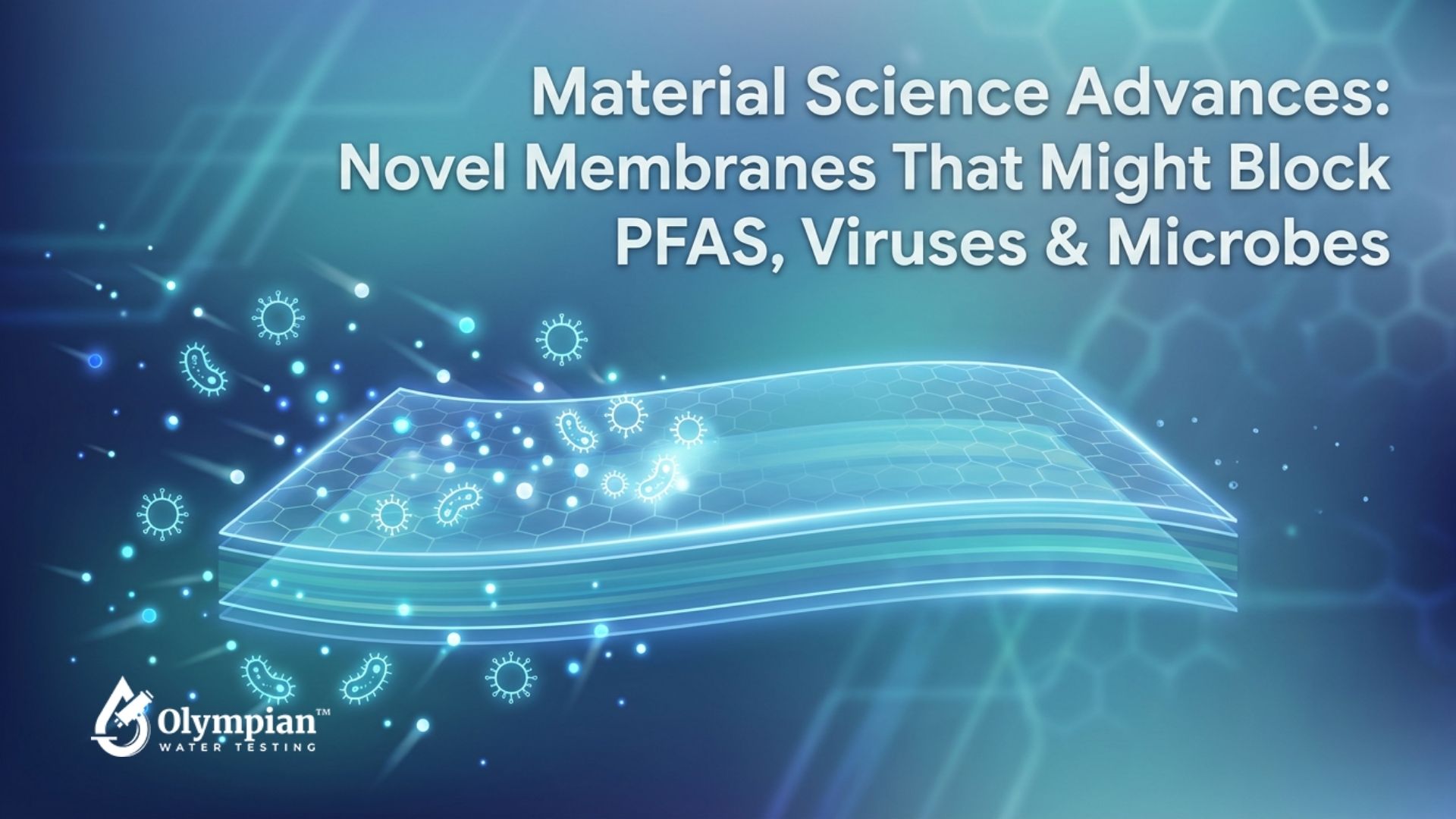
Innovative membranes are revolutionizing how facilities address emerging contaminants. Their complex structures effectively remove pathogens, metals, and chemicals. This was previously a significant challenge.
Water Purification processes benefit greatly from these membranes. They can handle multiple pollutants simultaneously. This holistic approach aligns with the growing demand for eco-friendly solutions that safeguard health and the environment.
Rising Demand for Safe Drinking Water
As populations grow and industrial activities intensify, public concern over harmful substances increases. There is a pressing need for systems that provide Safe Drinking Water reliably. These membranes are key in fulfilling this demand with a more efficient process.
Innovative Approaches to Filtration
Traditional filtration systems often fail to capture minute particles. The need for Advanced Filtration has led to the development of membranes with microscopic pores and specialized coatings. These features enable the capture of trace contaminants without compromising water flow rates, ensuring maximum efficiency.
Evolving Health Standards and Consumer Awareness

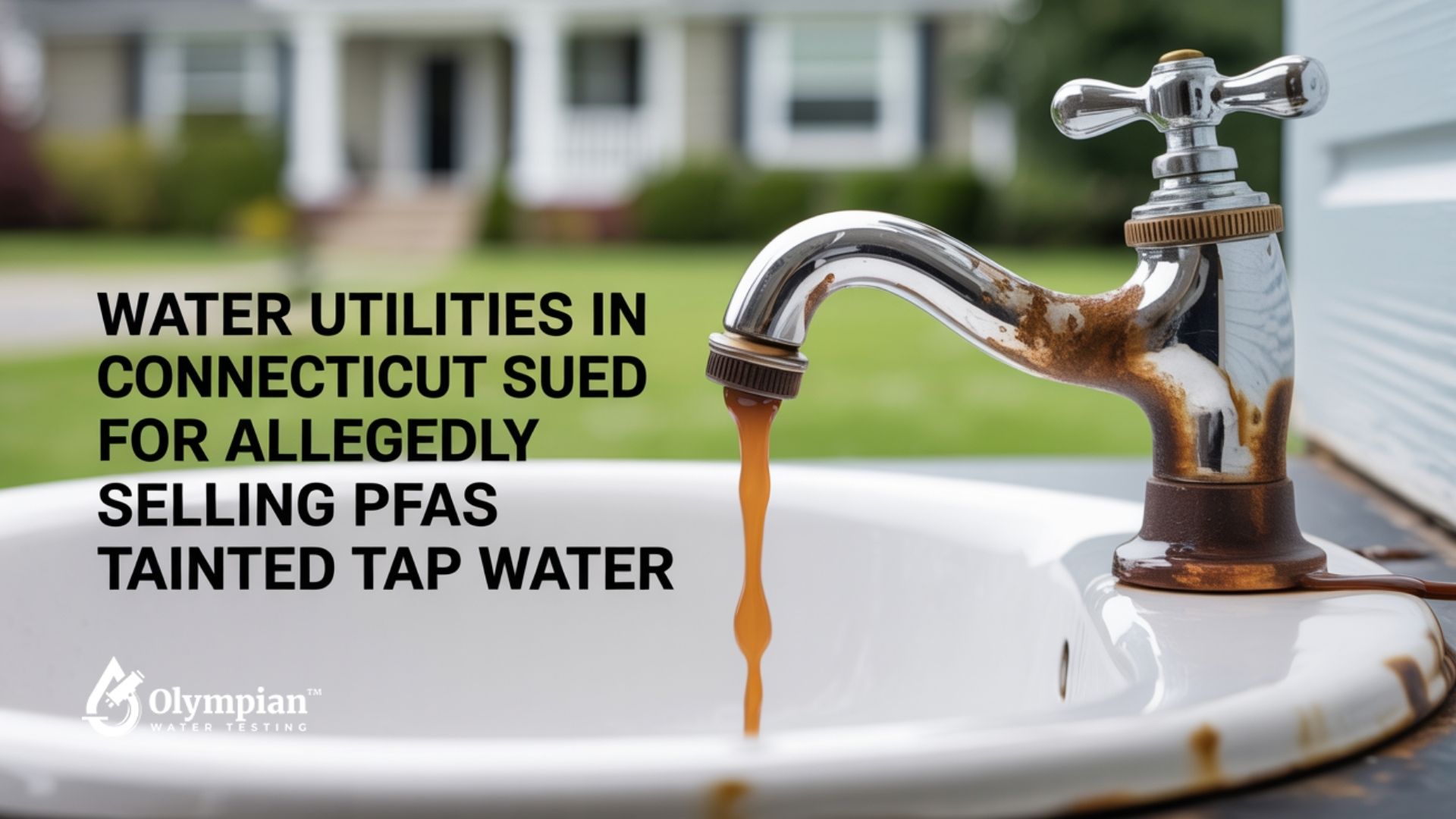
Regulatory bodies are setting higher standards for water safety, and media coverage of issues like PFAS is increasing. This heightened awareness of the long-term effects of chemical exposure has led to a focus on precision in water treatment. The new membranes excel in separating harmful agents, meeting stringent guidelines for drinking water quality.
Key highlights of these membranes include:
- Lower energy consumption
- Reduced operational costs
- Enhanced contaminant targeting
They establish a new benchmark for water safety. This creates a future where communities can have confidence in every sip they take.
Current Limitations in Removing Viruses and Microbes
Filtration systems strive to remove viruses, but tiny particles often slip past standard barriers. Pores designed for larger organisms fail to capture minuscule threats. This challenge prompts research into narrower pathways and surface properties for better Microbial Filtration.
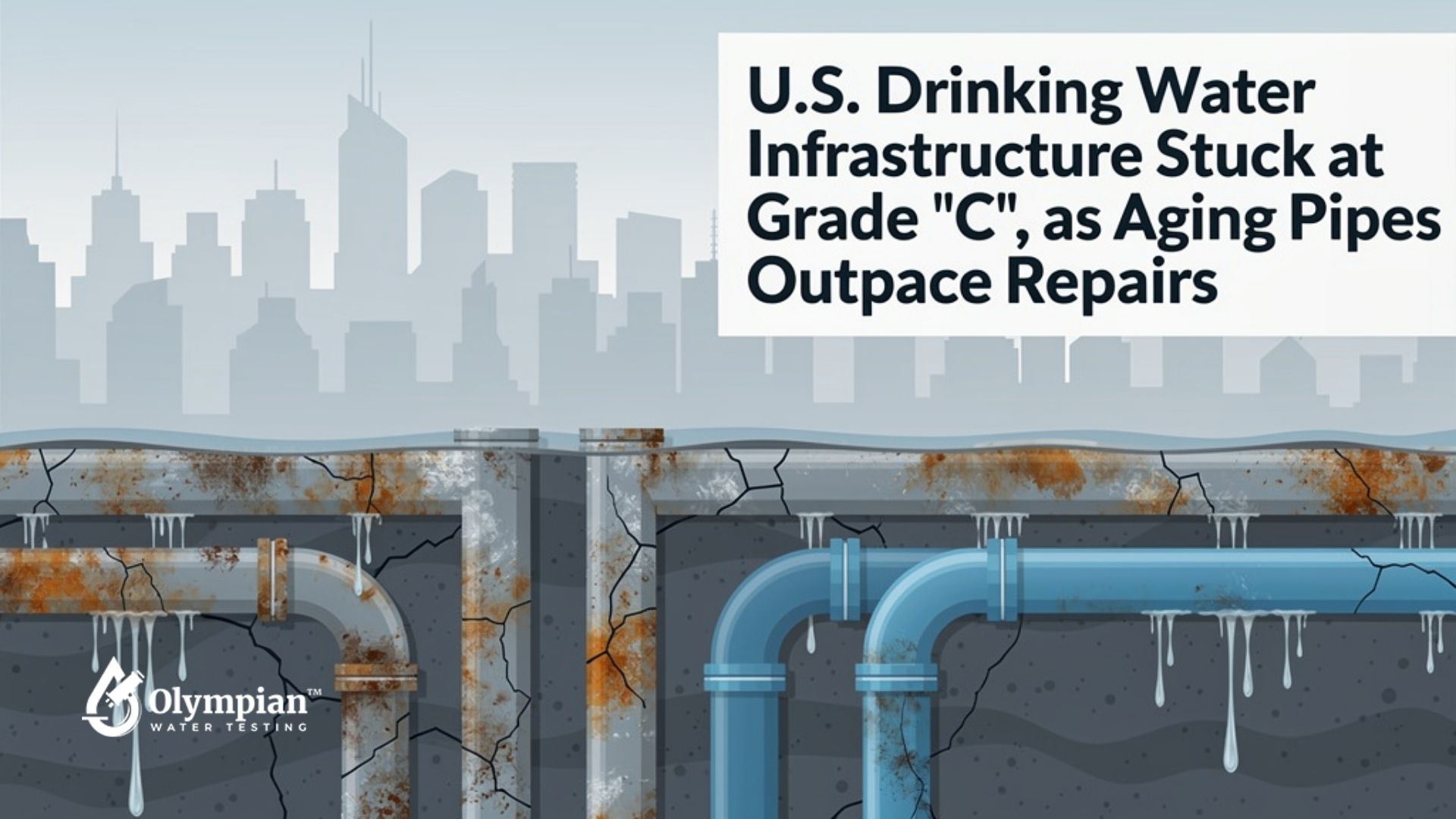
Waterborne Pathogens spread quickly when filtration layers lack the right charge or tightness. Engineers aim to refine these layers and strengthen each step with rigorous testing. Traditional filters may catch bacteria but let viruses pass through. This issue is critical in areas with aging water infrastructure, where illness can spread.
Experts propose using advanced membranes to tackle a wider range of Filtration Challenges. They study how contaminants interact with membrane walls to improve removal rates. This includes creating uniform pores, refining production methods, and adjusting surface structures for consistency.
Pathogen Type | Size Range | Difficulty Level |
Viruses | 20–200 nm | High |
Bacteria | 0.2–2 µm | Moderate |
Protozoa | 1–50 µm | Low |
PFAS and the Need for Advanced Filtration Solutions

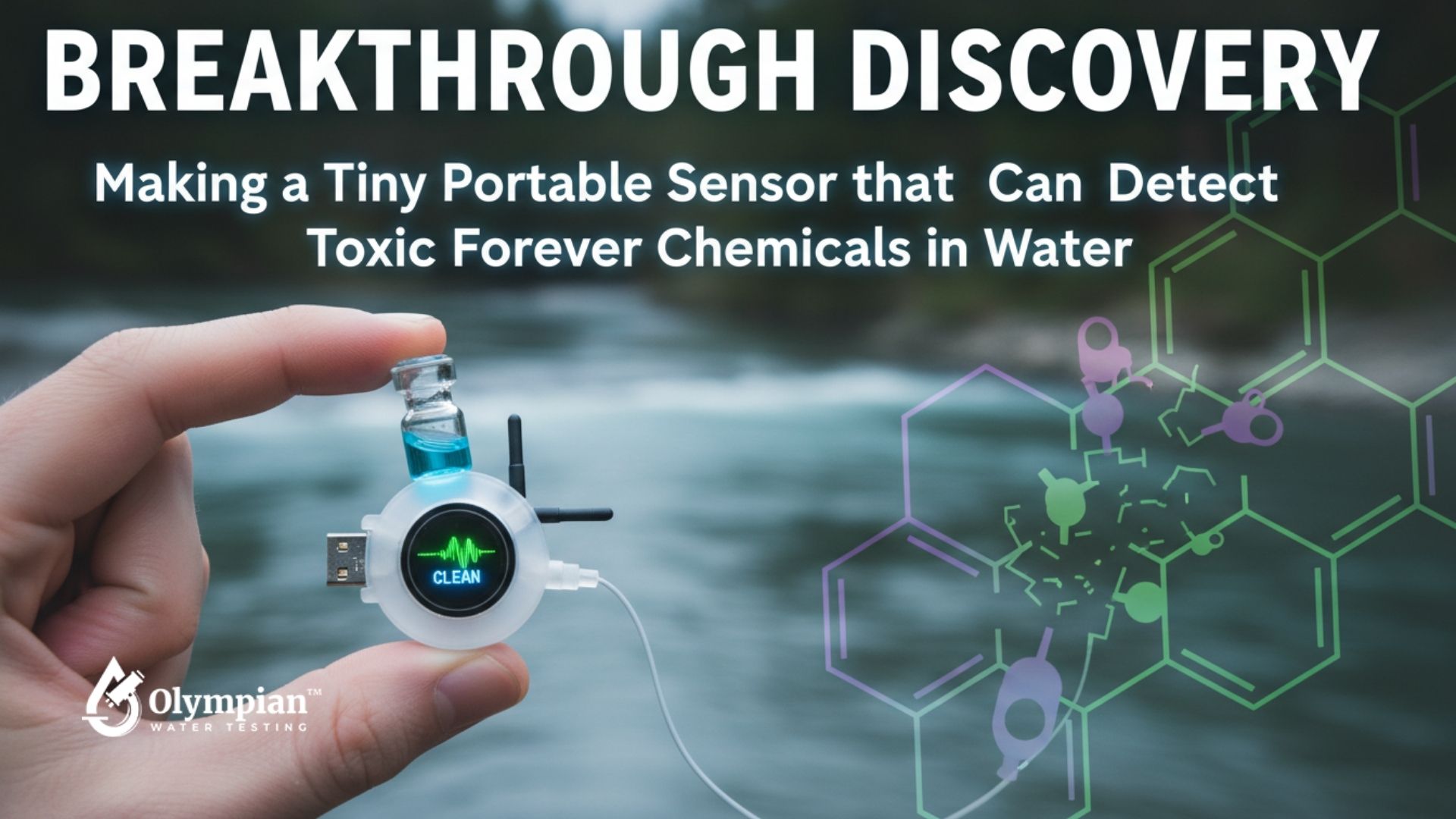
Public concern over water purity has intensified, focusing on pollutants that are hard to remove. Forever chemicals stand out as a major issue, lasting in water sources and proving difficult to eliminate. Ongoing research aims to tackle this enduring threat with cutting-edge solutions.
Background on PFAS Contamination
PFAS contamination has been a problem for decades, originating from industrial sites, firefighting foams, and common products. These substances do not break down naturally, accumulating in rivers and drinking water. Regulatory bodies, like the Environmental Protection Agency, monitor their levels, but long-term health risks remain a significant concern.
Consequences for Human Health
Research links these chemicals to various health issues, including immune system problems and developmental issues in children. Long-term exposure may also lead to organ damage and cancer, prompting health professionals to be cautious. As studies continue, the urgency for effective water protection grows.
Visible Gaps in Traditional Filtration Methods
Traditional systems can handle bacteria and sediment but fail against these persistent substances. Their small size and chemical resistance allow them to bypass many standard filters. In response, manufacturers are developing advanced filtration technologies to capture these elusive contaminants.
Unraveling the Breakthrough Membrane Composition
Researchers have developed a complex mix of polymers and metal oxides for Breakthrough Membrane Technology. This blend forms a strong matrix, stable under high pressure. It has precise pore channels for water flow and blocks smaller contaminants. Thermal processes enhance toughness during long filtration cycles.
Stanford University researchers tested each layer extensively. They ensured consistent performance across different water sources.
Unique Material Properties
The membranes use Smart Materials that adapt to environmental changes. They control ion exchange and block harmful particles in real time. Cross-linked networks add to the structural integrity, preventing early failure.
The design optimizes PFAS Capture without reducing flow rates. This makes large-scale deployment more efficient for protecting municipal resources. Scientists worked with specialized labs to enhance flexibility and expand uses in municipal treatment systems.
Testing for Chemical and Biological Compatibility

Each compound in this project undergoes thorough testing for Water Safety compliance. Trials measure performance under extreme temperatures and acidity. Bacterial and viral infiltration rates are tracked after repeated use.
This ensures the membranes maintain their filtering ability. The goal is to minimize byproducts, providing a cleaner experience for communities across the country.
Production Techniques Influencing Membrane Efficiency
Membrane Manufacturing is a precise art that ensures consistent pore structures. Powder-based materials often face the challenge of clumping, which hampers flow and contaminant filtration. To overcome this, manufacturers like Toray have developed methods to shape certain compounds into fluid gels or layered sheets. This innovation boosts water throughput and enhances reliability, ensuring stable performance over time.
Controlling pore size is critical for effective Particle Retention, targeting even the smallest contaminants. Researchers emphasize the importance of layering techniques to maintain structural integrity throughout the Industrial Process. This method ensures consistent flow rates, even under heavy loads of unwanted particles. The membranes that result are highly tolerant and have a longer service life in challenging filtration environments.
The trend in Sustainable Water Technology is shifting towards gel-based compositions. Researchers focus on flexible manufacturing to avoid clots and preserve the membrane’s filtering properties. This includes:
- low-temperature drying
- controlled curing
These steps protect the delicate connections between compounds. Advanced systems, such as those by DuPont, have demonstrated superior efficiency against chemical pollutants. This shift towards cleaner, safer solutions is benefiting communities across the United States. Studies show that consistent use of these methods can significantly reduce operating costs and downtime.
How the Membrane Technology Targets Contaminants
This innovative method is designed to protect drinking water from harmful viruses, bacteria, and chemicals. It combines effective Filtration Mechanisms with efficient flow rates. This reduces blockages and energy consumption. Researchers at top institutions have created a Charged Membrane that withstands different pH levels, ensuring consistent removal of contaminants. They continually refine each layer based on real-world feedback to enhance its effectiveness.
At its core, Selective Permeation is the driving force behind this technology. The membrane’s channels allow water molecules to pass through while keeping out larger or toxic particles. Research confirms that this approach simplifies Advanced Water Treatment, benefiting both urban and rural areas. It excels in balancing thorough decontamination with rapid water flow.
The membrane’s size and electrical charge are critical in capturing pollutants. It attracts ions and blocks specific contaminants before they can pass through. Engineers adjust the pore dimensions to increase removal efficiency and maintain flow rates. Studies indicate that this design could also lower operational costs over time.
- Optimized water flow without unnecessary pressure buildup
- Stronger pollutant capture using minimal chemical doses
- Reduced downtime when integrated with existing facilities
This blend of science and engineering marks a new path towards cleaner water. It aims to safeguard public health and protect vital aquatic ecosystems.
Early Lab and Field Testing for Safety Confirmation

Researchers start by placing prototype membranes in controlled settings. This initial phase involves thorough Lab Testing to assess chemical stability and contaminant reduction. The goal is to measure how well the material blocks harmful particles, laying the groundwork for Quality Assurance.
Early results show consistent performance, hinting at reliable long-term use. This is a critical step towards validating the membranes’ effectiveness.
Next, Field Trials are conducted to test the membranes in real-world conditions. They are exposed to various water chemistries and flow rates, simulating real-world scenarios. Experts closely monitor the membranes’ performance, tracking any changes in efficiency.
Data from these trials provide valuable insights, helping refine the design and application of the membranes. This stage is essential for understanding how the membranes behave under different conditions.
Each phase is meticulously reviewed to ensure Filtration Validation. The results show impressive contaminant removal, including hard-to-remove PFAS. These findings increase confidence among industry stakeholders, sparking discussions about broader adoption.
Future trials focus on scaling up the projects, prioritizing long-term safety and cost-effectiveness. The ultimate aim is to develop a filtration solution that gains trust from city planners, rural communities, and health advocates.
Potential Impact on Public Health and Communities

High-performance membranes can transform neighborhoods into healthier environments and enhance water security. Pollution threats frequently dominate headlines, raising concerns about accessibility and safety. Advanced filtration systems aim to deliver Public Health Benefits by removing harmful substances before they reach our faucets. This effort can boost Drinking Water Confidence and encourage wider acceptance of tap water in homes and workplaces.
Lowering Disease Incidence Rates
Clean sources are essential for Disease Prevention, reducing virus and bacterial threats in older supplies. Families with weakened immune systems experience fewer hospital visits when filtration removes pathogens at the source. In many areas, fewer outbreaks lead to stable healthcare costs and stronger wellness initiatives.
Boosting Rural and Urban Water Quality
Community Water Systems face increasing pressure to supply large populations with clean resources. Enhanced membranes enable precise removal of contaminants, aiding rural outposts and crowded cities in maintaining consistent standards. This method reduces reliance on temporary fixes, ensuring dependable tap sources for everyone.
Strengthening Overall Public Confidence
Robust water filtration can foster lasting trust in local services. When residents know contaminants are effectively filtered, civic participation tends to increase. School administrators, business owners, and healthcare providers benefit from a stable supply, driving long-term improvements in infrastructure and quality of life. This fosters community dialogue, leading to broader partnerships and ongoing improvements.
Environmental Implications of High-Performance Membranes
Embracing next-generation membranes is a step towards Environmental Sustainability. It significantly reduces harmful discharge at industrial sites, leading to Reduced Pollution in rivers and lakes. This cleaner water protects delicate Water Ecosystems, ensuring a safer habitat for fish, plants, and wildlife.
Modern facilities that use advanced filtration often opt for PFAS-Free Discharge. This prevents persistent toxins from contaminating local habitats. An effective membrane design separates contaminants from source water, preserving soil quality. It supports communities reliant on reliable water supplies, building trust in evolving filtration systems. These advancements align with global conservation efforts, embracing a long-term approach to balanced ecosystems.
"Protecting our waterways is an investment in our collective future."
Key Environmental Aspect | Benefit |
Reduced Pollution | Fewer contaminants released into waterways |
PFAS-Free Discharge | Prevents buildup of toxic chemicals in ecosystems |
Water Ecosystems | Provides healthier conditions for aquatic life |
Environmental Sustainability | Promotes protection of resources for present and future generations |
Industrial Adoption and Market Prospects

In many industrial settings, the Membrane Industry is gaining traction for its purification prowess. The need for advanced solutions is on the rise, driven by the quest for meeting stringent water quality standards. Market Adoption of these membranes is fueled by a growing focus on public health and environmental sustainability. This shift in market dynamics significantly impacts consumer attitudes.
Key Players in the Membrane Sector
Leading global manufacturers and tech pioneers are driving growth in this sector. They are introducing advanced coatings that boost filtration efficiency. Some specialize in membranes that withstand harsh industrial environments. This diversity fosters a competitive landscape that rewards innovation and encourages continuous improvement within the Membrane Industry.
Factors Driving Investment and Partnerships
New Investment Trends underscore the importance of Water Tech Partnerships in boosting research funding and commercial expansion. These trends show that investors are now prioritizing long-term gains over immediate profits. Water Tech Partnerships create synergies, leading to breakthroughs in contamination control and resource management.
Regulatory Considerations in the United States
Tight U.S. Regulations have heightened the focus on chemical content in public water systems. This increased scrutiny brings up the issue of what contaminants are acceptable. A new PFAS Policy is being developed, which may require utilities and industries to invest in advanced filtration systems.
Sophisticated membranes are seen as a proactive measure to meet Federal Guidelines on emerging pollutants. They target harmful agents, capturing them before they reach local water supplies. Many scientists believe ongoing studies will refine these rules, leading to safer water for homes and businesses.
Advanced materials could make it easier to meet stricter benchmarks. Their adoption in various settings could lead to broader acceptance and clearer pathways to protect health. Funding for further research is expected to help set more precise targets, ensuring that rules evolve with new evidence on chemical exposure.
Regulatory Body | Key Focus |
Environmental Protection Agency (EPA) | Enforcing Federal Guidelines for water contaminants |
State Water Boards | Adapting U.S. Regulations at local levels |
Food and Drug Administration (FDA) | Overseeing bottled water quality under Drinking Water Standards |
Collaboration Opportunities for Ongoing Research
Complex contamination challenges require innovative solutions from diverse partners. Researchers and industry leaders view this membrane technology as a fertile ground for discovery. Collaborative Research often leads to breakthroughs that safeguard drinking water and enhance health outcomes. Many entities seek to foster University Partnerships, Public-Private Initiatives, and shared resources to accelerate innovation. These efforts drive Growing Funding streams, supporting studies, lab tests, and prototyping.
Unified strategies can develop materials that resist harmful pollutants. They foster synergy between research labs and public agencies, leading to enhanced testing methods and quicker approval processes.
Universities and Private Labs
Institutions like Stanford Water Center or MIT bring specialized expertise on membrane strengths and chemical properties. They collaborate with private R&D teams to refine designs, test prototypes, and boost manufacturing efficiency. This approach bridges theory with practical output, leading to resilient water solutions.
Government and Nonprofit Support
Entities like the Environmental Protection Agency and well-known advocacy groups direct public investments toward pilot projects. Their involvement ensures equitable outreach and guarantees that new filtration methods reach communities in need. By uniting resources and forging Public-Private Initiatives, these groups secure Growing Funding for ongoing research.
Partner Type | Key Role | Potential Impact |
Universities | Advanced material studies | Higher filtration accuracy |
Private Labs | Prototype development | Faster product rollout |
Government Agencies | Policy guidance | Stronger public trust |
Nonprofits | Community outreach | Inclusive access |
Challenges on the Road to Widespread Implementation
Adopting advanced membranes into everyday use requires meticulous planning and resource management. Despite promising test results, several Implementation Barriers slow down progress. Organizations must tackle complex design challenges and consider Cost-Effectiveness from the start.
Cost, Scale, and Technological Hurdles

Companies aiming to scale up filtration technologies face significant manufacturing costs and limited production capacity. Many facilities need to be retrofitted to accommodate these innovations, requiring time and specialized skills. Developers often seek government support and private investments to cover these expenses, aiming for wider adoption.
Public Education and Acceptance
Building public trust relies on clear communication and Water Awareness. Sharing safety data and benefits transparently helps residents trust new treatment processes. This approach builds grassroots support, encouraging communities to demand the use of advanced filtration technologies.
Policymakers advocate for tax breaks and grants for producers of advanced filtration membranes. This financial support could accelerate development and reduce costs. As a result, communities can access these advanced treatments more quickly, bridging the gap between innovation and everyday life.
Industry conferences emphasize the need for increased manufacturing capacity and skilled labor. Expanding training programs could create a new generation of technical experts. This strategy will help ensure steady progress, integrating filtration systems into our daily lives.
Looking Ahead to a Cleaner Water Future
New membrane systems are at the heart of Clean Water Initiatives, aiming to block a wide range of contaminants. They promise a healthier tomorrow by limiting exposure to toxins and viruses. Researchers focus on PFAS-Free Technology and safer filtration methods, benefiting people nationwide. Collaboration among scientists, water agencies, and communities sets the stage for better outcomes.
Investment in R&D drives breakthroughs that support Sustainable Water Solutions. Cleaner production methods add to this momentum. A piece on the future of PFAS removal highlights how modern materials can move us toward safer water. Wider public awareness builds confidence and spurs new funding for advanced systems.
Smarter design reduces costs and encourages more widespread adoption. This progress signals a Future of Filtration that goes beyond short-term fixes. By working together, decision-makers and local leaders can secure lasting prevention of harmful pollutants. This path leads to a time when reliable access to clean water is the rule, not the exception.