
The Significance of a Statewide Water Pipe Registry
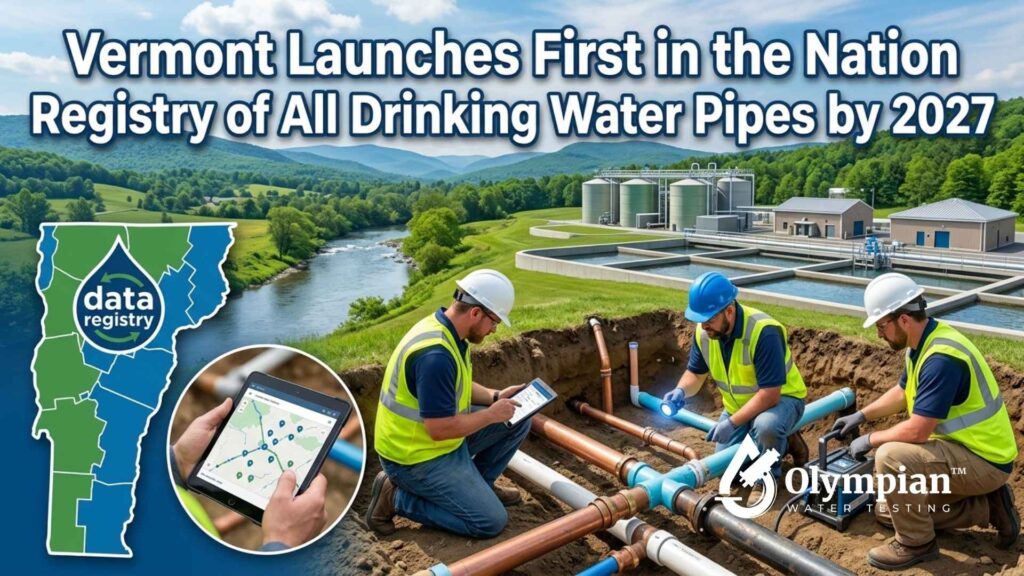
A complete registry of water pipes brings essential clarity to Vermont’s infrastructure. Officials gain detailed insight into each pipe’s material and location. This aids in preventing emergencies and guiding prompt upgrades. It’s vital to maintaining safe drinking water and promoting public well-being.
Federal legislation offers added support in funding these projects. The Infrastructure Investment and Jobs Act stands out by designating resources for water system upgrades. It reinforces steps that target toxic substances. This registry acts as a roadmap, highlighting areas that demand immediate care, such as aging pipelines or sources of contamination.
Communities benefit from a transparent view of their water distribution network. Residents can stay informed about problem areas and trust that any high-risk lines receive priority treatment. Each documented pipe contributes to a safer environment, ensuring safe drinking water and long-term improvements. This statewide effort unites civic leaders and citizens in a shared goal of cleaner, more reliable water.
Drinking Water and Public Health in Vermont
Vermont’s water systems are essential for local communities. They are monitored closely and maintained with modern techniques. This protects families from harmful contaminants. Yet, aging pipes can leak pollutants, raising PFAS concerns.
Canadian regulators have found that water pollutants pose significant health risks. They affect both humans and sensitive ecosystems.
Protecting each resident from harmful exposure is critical for public health. State agencies and water utilities work together. They conduct inspections, repairs, and replacements to prevent contamination. Clear guidelines build trust and ensure water quality.
Why Infrastructure Matters

Investing in quality piping reduces the load on treatment facilities. It also saves money for local budgets. Preventive measures are cheaper than emergency fixes after leaks or contamination.
Potential Long-Term Benefits
Proactive water management strategies cut down on medical costs. They also protect natural habitats. This approach leads to a cleaner environment and boosts confidence in Vermont’s commitment to safe water.
Coordinated efforts set a high standard for reliability. They offer hope for future generations.
Legislative Background
State leaders understood the necessity for robust policies to protect public health. They drew inspiration from Canada’s CEPA for PFAS, which advocates for stricter contaminant monitoring. This led to the creation of a solid framework for mapping water pipelines.
The legislative background of Vermont’s project balances local needs with federal standards. Officials focus on documenting every pipe efficiently. This sets a legal foundation for timely research and the complete formation of a registry.
Key Lawmakers and Their Role
Prominent Vermont Legislature members championed clean water legislation. They pushed for consistent testing and better infrastructure. Their collective effort ensures accountability, leading to quicker identification of pipes needing attention.
Funding and Support
Federal resources, including the Infrastructure Investment and Jobs Act, provide significant funding. This capital boost fosters regional collaboration and aligns with state appropriations. It accelerates upgrades before 2027.
|
Legislation |
Coverage |
Impact |
|
CEPA (Canada) |
PFAS Regulations |
Tighter standards for contaminants |
|
Infrastructure Investment and Jobs Act |
Nationwide Projects |
Boosts funding for water mapping |
|
Proposed Vermont Bill |
State Registry |
Mandates complete inventory by 2027 |
Timeline to 2027

Across the nation, infrastructure laws set out clear timelines for essential upgrades. Vermont’s strategy mirrors this, with each milestone marking the way to the 2027 water pipe mandate.
Local teams must have time for field surveys, examining municipal lines, and assessing private connections. Funding cycles happen regularly, so a flexible timeline keeps Vermont on track. This method avoids hasty work, fosters community engagement, and ensures durable outcomes.
The schedule below outlines key action points for state agencies and partners. Clear targets keep every stakeholder aligned with the 2027 water pipe mandate and encourage steady progress.
|
Year |
Key Step |
|
2023 |
Launch of pilot inspections and data gathering |
|
2024 |
Statewide surveys of public and private infrastructure |
|
2025 |
Compilation of findings and budget alignment |
|
2026 |
Infrastructure updates and final data verification |
|
2027 |
Official launch of a complete water pipe registry |
Mapping the Existing Water Pipe Network
Understanding Vermont’s water system is key to spotting weak spots and planning for the future. Accurate data is essential for making decisions that ensure safe water delivery and protect public health. It’s the foundation for improving water infrastructure in both rural and urban settings.
Collecting Accurate Data
Experts collect critical information on pipe age, material, and condition. They use Geographic Information System tools, on-site inspections, and strategic sampling. This ensures every pipe segment is documented. Local knowledge and drone surveys over remote areas are also used.
This fieldwork reveals hidden vulnerabilities and supports proactive maintenance. It’s a vital step in strengthening water infrastructure.
Technological Tools and Strategies

Smartphone apps send field observations directly to a unified database in real time. Broadband investments, thanks to the Infrastructure Investment and Jobs Act, improve connectivity. Even distant towns can upload important data now.
Remote-sensing satellites add precision by detecting ground stability changes. This combined data informs repair schedules and promotes transparency in shared resources.
Overcoming Challenges
Managing a statewide registry is fraught with unexpected hurdles. Officials face unregulated PFAS contamination and funding gaps between federal grants and local resources. Towns struggle with surveying remote properties, which delays progress. Property owners with private lines also pose a challenge.
Smaller communities often feel overwhelmed by new regulations. Yet, collaboration among agencies can lead to practical solutions. Clear communication and shared data standards help reduce confusion. This ambitious plan serves as a nationwide example of teamwork, guiding other regions with similar goals.
Success requires commitment at every level. State leaders engage local volunteers and skilled specialists, ensuring transparent reporting. By staying focused, Vermont sets a second nationwide example of innovation and collective responsibility in water infrastructure management.
Stakeholder Perspectives
Vermont’s registry effort is shaped by diverse voices, each with unique insights on long-term safety goals. Some advocate for detailed documentation of every pipe segment. They also push for clear protocols to track chemicals in water lines.
Environmental Advocacy Groups
Groups like the Conservation Law Foundation and the Environmental Working Group push for stricter PFAS regulations. They stress the need for thorough oversight to safeguard ecosystems and public health. These organizations collaborate with state agencies through public forums and scientific studies. Their goal is to enhance confidence in the pipe registry plan.
Community Voices
Residents demand transparency and active participation in decision-making. They seek regular updates on any disruptions and financial implications. Programs like CHIP foster community engagement by involving diverse groups. This approach ensures balanced solutions and supports long-term public health goals.
|
Key Stakeholders |
Primary Focus |
|
Environmental Groups |
PFAS oversight, resource protection |
|
Local Communities |
Open communication, equitable costs |
|
State Agencies |
Coordination, long-term feasibility |
How Vermont’s Registry Sets a National Example

Vermont’s initiative has sparked interest in effective water tracking methods nationwide. The Infrastructure Investment and Jobs Act and CEPA in Canada show a need for addressing contamination risks. Vermont’s approach stands out with its clear and focused strategy.
The registry system empowers state leaders to pinpoint high-risk areas early. It demonstrates how combining data collection, strict regulations, and funding can protect communities from harmful water. This model is a beacon for others to follow.
Comparisons with Other States
Some areas have only small pilot programs, lacking a full inventory. Vermont’s plan is a significant step forward, requiring detailed documentation. This sets a high standard for other states to aim for, improving public health.
- Increased transparency of pipe materials
- Faster infrastructure repairs
- Enhanced collaboration with federal agencies
Future Policy Implications
Lawmakers and environmental groups are likely to continue discussing stronger regulations. Vermont’s model could influence future policies, promoting sustainable upgrades. Its success could lead to safer, more equitable water supplies across the country.
The Role of Education and Transparency
In Vermont, public outreach is a cornerstone of their strategy, aligning with the Infrastructure Investment and Jobs Act’s emphasis on community involvement. They collaborate with local networks to disseminate the latest information on risks such as PFAS. This effort fosters a sense of accountability, bolstering the ongoing quest for safe drinking water.
Through workshops, online seminars, and town hall meetings, residents are guided through the statewide registry. They gain insights into the significance of data and the importance of timely upgrades for home and neighborhood protection. The use of clear, accessible reporting, including dashboards and regular updates, helps to foster trust.
Local organizations and state agencies highlight the advantages of modernizing water infrastructure. This transparency helps to build confidence in new regulations, addressing concerns about costs and timelines. Ultimately, a blend of open communication and educational resources leads to enhanced outcomes for safe drinking water.
|
Outreach Method |
Primary Goal |
|
Town Halls |
Foster open dialogue on community concerns |
|
Digital Campaigns |
Share registry updates across social channels |
|
Workshops |
Train residents on reading pipe data reports |
Looking Ahead to a Safer Water Future
By 2027, the Vermont water registry aims to significantly enhance community safety against aging pipes and harmful chemicals like PFAS. Similar initiatives in other areas have demonstrated the power of continuous research and strategic planning. They show how we can safeguard our water for future generations.
This endeavor might even surpass federal expectations, allowing Vermont to forge its own path. Through thorough inspections and community engagement, the state ensures its water safety keeps up with the latest in public health research.
The growth of the registry could motivate other states to monitor and upgrade their pipes proactively. The lessons from Vermont’s data-driven approach and systematic improvements will serve as a blueprint for effective maintenance.
Together, local leaders, scientists, and residents are dedicated to protecting our water. Their collective effort paves the way for more informed policies and a robust infrastructure for the long haul.